
By: Staff Writer
January 19, Colombo (LNW): Sri Lanka’s tourism industry is increasingly anchored to a powerful neighbour: India. Recent promotional roadshows across Delhi, Mumbai and Chennai signal a strategic pivot toward consolidating India as Sri Lanka’s most reliable and scalable source market. Conducted in collaboration with the Sri Lanka Tourism Development Authority, SLAITO, THASL and SriLankan Airlines, the campaign highlights a coordinated public-private effort to reposition Sri Lanka beyond seasonal tourism and toward higher-yield segments.
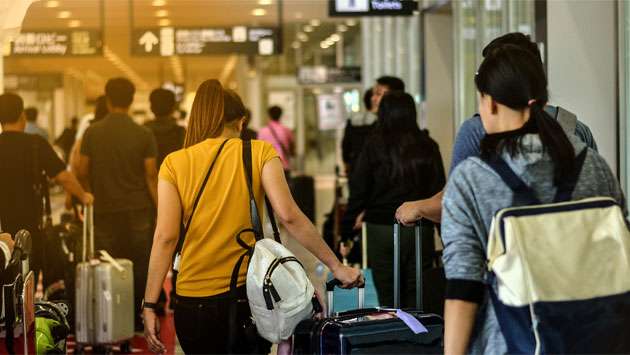
India already dominates Sri Lanka’s inbound tourism profile. In 2025, Indian travellers accounted for 531,511 arrivals 27% of total visitors, making India the island’s largest source market. Industry leaders now project that Sri Lanka could welcome one million Indian tourists by 2026, a milestone that would fundamentally reshape the tourism economy.
Several structural advantages underpin this optimism. Sri Lanka’s geographic proximity, shared cultural and religious ties, and strong appeal for pilgrimage travel make it an easy and familiar destination for Indian tourists. Additionally, India’s outbound travel market is expected to reach 50 million travellers by 2030, with nearly 70% preferring destinations within a five-hour flight radius, positioning Sri Lanka squarely within India’s preferred travel zone.
Policy decisions have also played a decisive role. Sri Lanka’s free-visa regime has lowered entry barriers, encouraging spontaneous and short-haul travel, particularly among middle-income Indian travellers. Air connectivity further reinforces this advantage, with SriLankan Airlines operating 126 weekly flights to 14 Indian cities, offering extensive access across key urban centres.
Beyond volume growth, the industry is increasingly focused on diversification and yield enhancement. Niche segments such as destination weddings, MICE tourism, golf travel and spiritual tourism are gaining traction, offering higher spending potential than traditional leisure travel. Indian travel agents have also highlighted Sri Lanka’s rare ability to offer beaches, hill country, cloud forests and ancient heritage sites within a few hours’ drive—an advantage few regional competitors can replicate.
However, the rapid rise of Indian arrivals also exposes vulnerabilities. Heavy reliance on a single source market increases exposure to economic or policy shifts in India. Infrastructure strain, uneven service standards and inconsistent digital marketing could limit conversion rates if growth is not carefully managed.
Industry consensus points toward the need for joint marketing initiatives, stronger digital storytelling and deeper engagement with Indian travel trade bodies. With organisations like TAAI set to hold executive meetings in Colombo in 2026, momentum is building.
Sri Lanka’s opportunity is clear. The challenge lies in translating demand into sustainable, high-value growth without overdependence or dilution of destination quality.