
By: Staff Writer
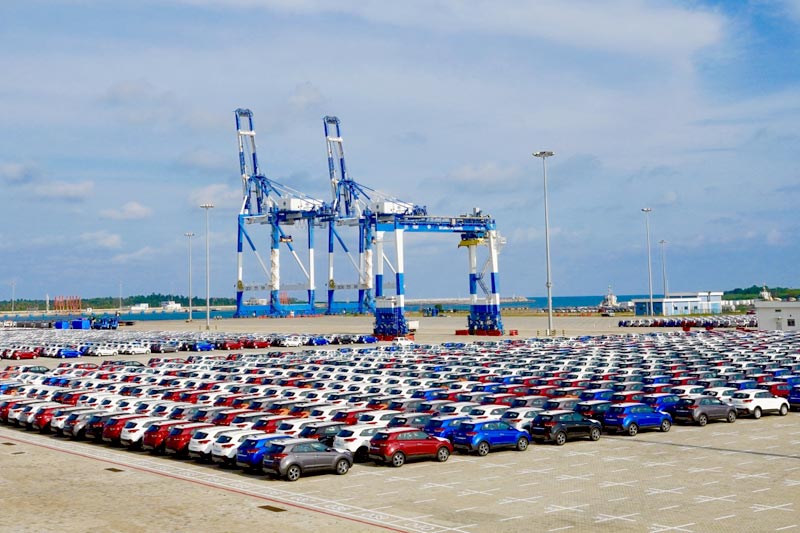
January 20, Colombo (LNW): Sri Lanka’s vehicle import sector is entering a markedly different phase in 2026 after the extraordinary surge witnessed in 2025. The reopening of imports in February 2025, following years of restrictions, triggered an unprecedented rush driven by pent-up demand, easy credit, and speculative buying.
While this delivered a short-term boost to government tax revenues, it also caused a sharp spike in foreign exchange outflows. Policymakers now expect 2026 to mark a return to more sustainable, normalized import levels, economic experts warned.
In 2025 alone, Sri Lanka imported over 64,500 cars and SUVs, according to industry research, contributing to an estimated vehicle import bill exceeding US$1.5 billion. This inflow significantly strengthened government finances through customs duties, excise taxes, VAT, and para-tariffs, helping the Treasury meet post-crisis revenue targets. However, the same surge placed renewed pressure on scarce foreign exchange reserves, raising concerns about external sector stability.
For 2026, authorities and market participants anticipate a notable decline in vehicle imports, with total values expected to settle around US$1.2 billion. Several factors are driving this moderation. The backlog of deferred purchases has largely been absorbed, dealer inventories remain elevated, and tighter financing conditions including reduced loan-to-value (LTV) ratios are dampening fresh demand. In addition, a possible reduction of the import surcharge from 30 percent to 20 percent after February 2026 could reshape purchasing decisions without reigniting a boom.
Tax policy changes under Budget 2026 will further influence the market. From April, the Social Security Contribution Levy (SSCL) will be collected at the point of import, raising upfront costs for both importers and buyers
Meanwhile, a simplified four-tier customs duty structure (0, 10, 20, and 30 percent) replaces a previously complex system, offering clarity but potentially shifting certain vehicle categories into higher tax brackets. The gradual removal of para-tariffs such as CESS may provide limited relief, though authorities are expected to recalibrate other taxes to protect revenue.
Electric vehicles continue to play a growing role in shaping import dynamics. EVs accounted for 10 percent of passenger vehicle imports in 2025, a regional outperformance that reflects both tax incentives and shifting consumer preferences. While EVs reduce fuel import costs over time, they still contribute to short-term foreign exchange outflows through high import values, leading motor readers said. .
Overall, 2026 is expected to deliver lower vehicle-related tax revenue than the 2025 peak, but with improved stability. The transition from a boom-driven year to a normalized market may ease pressure on foreign reserves while allowing the government to plan fiscal policy on more predictable foundations.