
By: Staff Writer
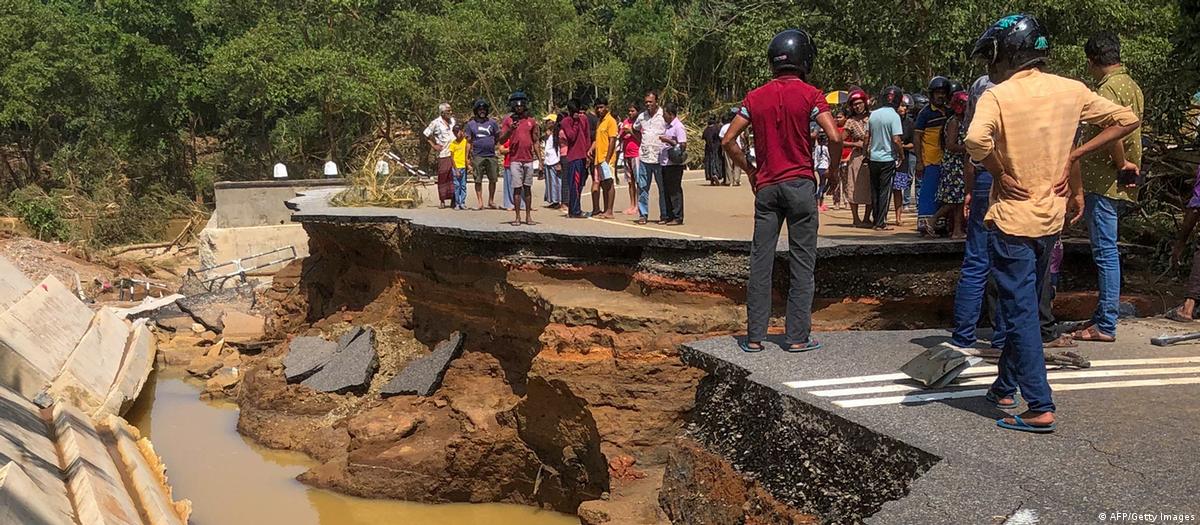
January 20, Colombo (LNW): Sri Lanka’s post-cyclone recovery effort has moved into a new phase with the launch of Rebuilding Sri Lanka, a centrally coordinated national programme aimed at addressing the widespread destruction caused by Cyclone Ditwah. Announced last week at the Bandaranaike Memorial International Conference Hall, the initiative places the full weight of the State behind what is being framed as one of the country’s largest disaster recovery exercises in recent years.
The programme, unveiled under the leadership of President Anura Kumara Dissanayake, is structured around a complex financing model that blends redirected public spending, reallocated development funds, and anticipated international donor assistance. At the centre of the funding plan is a proposed Rs. 500 billion supplementary estimate for 2026, signalling the scale of fiscal commitment the Government intends to make toward reconstruction.
Oversight of the initiative has been entrusted to a 25-member Presidential Task Force chaired by Prime Minister Dr. Harini Amarasuriya. According to official briefings, the Task Force will operate through eight specialised sub-committees, each responsible for priority sectors such as infrastructure restoration, housing reconstruction, and the revival of livelihoods disrupted by the cyclone.
Parallel to this political oversight structure, the technical groundwork for recovery is being laid through a Post Disaster Needs Assessment (PDNA). The first steering committee meeting for the PDNA was convened on 14 January by Defence Deputy Minister Major General (Retd.) Aruna Jayasekara, who also heads one of the Task Force sub-committees. The meeting brought together senior Government institutions and development partners to design the assessment’s methodology, governance framework, and coordination mechanisms.
The PDNA is expected to produce a detailed report quantifying damage, economic losses, and recovery requirements across a wide range of sectors, including housing, health, agriculture, transport, utilities, employment, and disaster risk reduction, while also incorporating governance, gender, and social inclusion concerns. Officials agreed on a tight timeline to complete the assessment, reflecting pressure to translate planning into action.
However, discussions also revealed systemic challenges. Participants acknowledged persistent weaknesses in inter-ministerial coordination, limited institutional awareness of PDNA processes, and delays in accessing reliable ground-level data factors that have historically slowed recovery efforts. Despite these hurdles, the Defence Deputy Minister reaffirmed the Government’s commitment to working closely with development partners, stressing that a unified and disciplined approach would be critical to ensuring a resilient national recovery.