
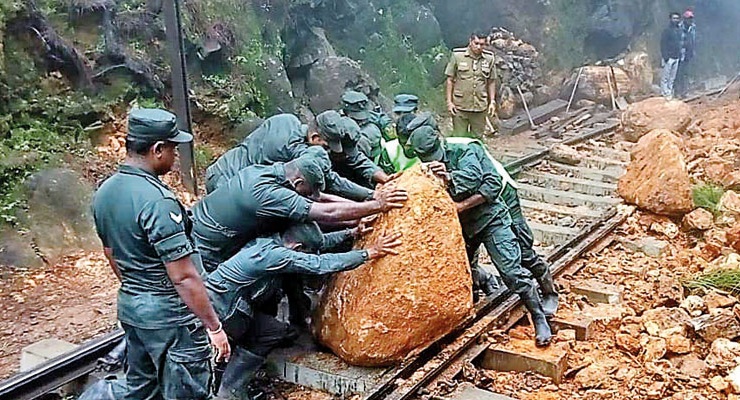
Weeks after Cyclone Ditwah tore through large parts of Sri Lanka, the scale of destruction is becoming clearer and so is the uneven pace of recovery. While insurers have mobilised billions in compensation, thousands of affected families continue to struggle with damaged homes, disrupted livelihoods, and delayed reconstruction of public infrastructure.
According to industry data, more than 24,500 insurance claims have been filed nationwide, with the estimated economic loss to insured assets alone reaching Rs. 58.5 billion. The figures underline the cyclone’s heavy toll on housing, commercial property, vehicles, and small businesses. Yet these numbers capture only part of the picture, as many low-income households and informal businesses remain uninsured.
The Insurance Regulatory Commission of Sri Lanka (IRCSL), working with all licensed general insurers, has introduced a unified claims-handling mechanism aimed at accelerating payouts. To date, Rs. 5.1 billion has been disbursed to policyholders, primarily for property and commercial losses. While this has provided some relief, the gap between total losses and actual payouts highlights the long road to recovery.
Non-motor insurance claims including homes, shops, factories, and warehouses account for the bulk of the financial impact, reflecting the severe damage to fixed assets. These losses directly affect livelihoods, especially in semi-urban and rural areas where families depend on small enterprises to survive.
Despite insurers admitting liability for over 75% of claims, practical bottlenecks persist. Loss adjustors, repair garages, and technical officers in several regions were themselves affected by the cyclone, slowing inspections and assessments. For many families, this has translated into weeks of waiting before repairs can even begin.
Beyond insurance settlements, the rebuilding of roads, drainage systems, power lines, and public buildings has moved at what affected communities describe as a “snail’s pace.” Local authorities cite funding gaps and administrative delays, while residents complain that temporary relief has not transitioned into sustainable rebuilding.
The cyclone has also exposed structural weaknesses in Sri Lanka’s disaster preparedness. Poorly enforced building standards, inadequate drainage, and construction in high-risk zones amplified the damage. While institutions such as the Urban Development Authority and Road Development Authority have been urged to prioritise climate-resilient infrastructure, tangible changes on the ground remain limited.
Cyclone Ditwah has once again shown that financial compensation alone cannot rebuild lives. Without faster government coordination, resilient infrastructure planning, and support for uninsured households, recovery risks becoming another prolonged chapter in Sri Lanka’s growing list of climate-induced crises.