
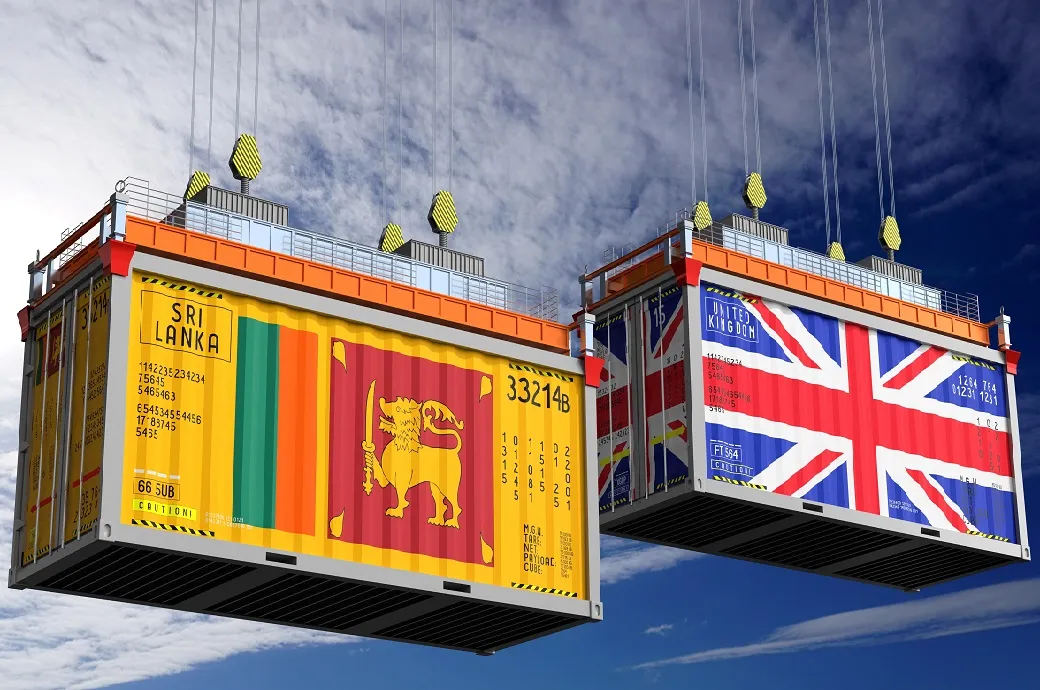
While challenges persist in expanding trade between Sri Lanka and the UK, recent engagements signal a growing recognition that solutions lie in better coordination, smarter policy tools, and targeted private-sector leadership rather than broad reforms alone.
The UK’s position as Sri Lanka’s second-largest export market offers a solid foundation. Preferential access under the Developing Countries Trading Scheme provides a competitive edge particularly for apparel and value-added manufacturing. Recent relaxations in Rules of Origin represent a timely opportunity to reposition Sri Lanka as a reliable sourcing destination at a time when UK companies are re-evaluating supply chains.
However, capitalising on this advantage requires moving beyond awareness-building toward hands-on execution. Exporters, especially SMEs, need structured advisory support to navigate compliance requirements, documentation, and logistics. Chambers of commerce and trade missions are well placed to bridge this gap by acting as practical facilitators rather than purely networking platforms.
Investment promotion also shows signs of recalibration. Sri Lanka’s emphasis on high-quality, targeted investment—particularly in IT, BPO, tourism, and real estate—reflects lessons learned from past volume-driven strategies. Colombo’s emerging business districts and digital services ecosystem offer credible entry points for UK firms seeking cost-effective regional platforms.
Encouragingly, there is growing acknowledgement that government and business must operate as partners rather than parallel actors. Aligning Board of Investment priorities with export development goals could help convert investor interest into export-linked growth, integrating Sri Lanka more firmly into UK-facing value chains.
Events such as Sri Lanka Expo 2026 present an opportunity to correct past shortcomings. If positioned strategically with curated buyer engagement, sector-specific matchmaking, and post-event follow-up the Expo could serve as more than a showcase, acting instead as a transaction-driven marketplace.
Brand development remains a critical frontier. Sri Lanka’s strengths in sustainability, ethical manufacturing, and skilled services resonate strongly with UK consumer and corporate values. Translating these attributes into coherent branding narratives could help exporters move up the value chain and secure longer-term partnerships.
Ultimately, the way forward lies in precision rather than scale: fewer slogans, more execution; fewer general forums, more sector-specific pipelines. With targeted reforms, better utilisation of existing trade schemes, and disciplined follow-through, UK–Sri Lanka trade can shift from potential to performance delivering tangible benefits to both economies.