
By Adolf
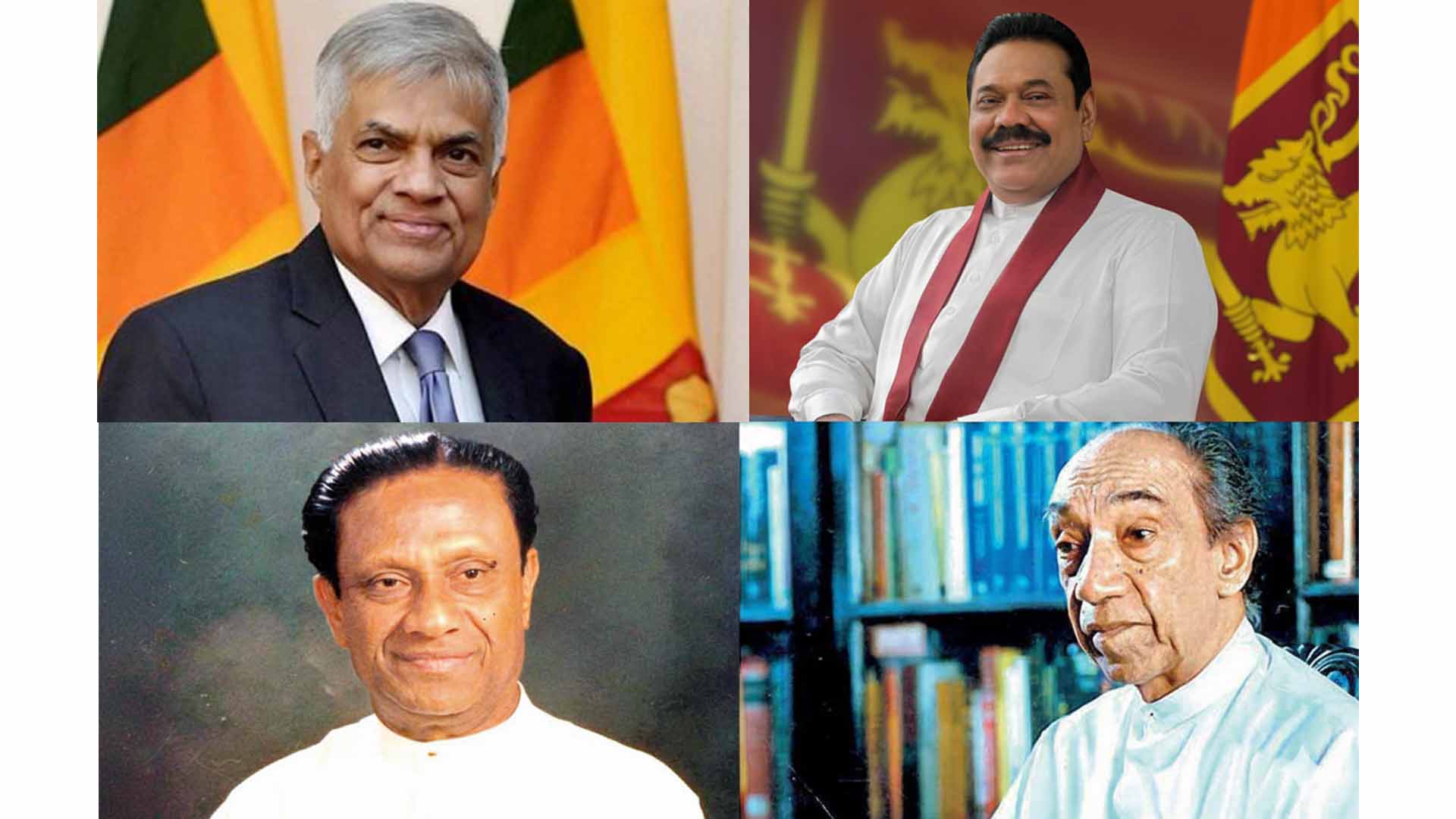
As Sri Lanka marks 78 years of Independence, it is a moment not only for celebration but for sober reflection. Independence is not merely about sovereignty—it is about leadership, vision, and the difficult decisions that shape a nation’s destiny. Over nearly eight decades, Sri Lanka has seen many leaders, but four Presidents stand out for the lasting and transformative contributions they made to the country at critical moments in its history.
JR Jayawardena
First among them is President J. R. Jayewardene, the architect of Sri Lanka’s open economy. At a time when the country was inward-looking and constrained by rigid controls, J. R. Jayewardene had the courage to liberalize the economy, open Sri Lanka to global trade, and promote foreign investment. This shift laid the foundation for private enterprise, export-led growth, and international confidence in Sri Lanka. Equally significant was his role in large-scale infrastructure development. Under his leadership, the Mahaweli Development Project—one of the largest multipurpose development projects in the country’s history—was accelerated and completed, delivering irrigation, hydropower, and livelihoods to vast rural regions. The dams constructed during this period continue to serve the nation decades later.
Ranasinghe Premadasa
The second leader we salute is President Ranasinghe Premadasa, whose focus was unapologetically pro-poor and rural-centric. Premadasa understood that economic growth without inclusion was hollow. His emphasis on rural roads, housing, and poverty alleviation brought development to areas long neglected. Most notably, his garment factory programme transformed Sri Lanka into a globally recognized apparel manufacturing hub. By decentralizing factories into rural areas, he not only created employment—particularly for women—but also laid the groundwork for one of Sri Lanka’s most resilient export industries. The garment sector remains a pillar of the economy today, a testament to the long-term impact of his vision.
Mahinda Rajapakse
The third President is Mahinda Rajapaksa, under whose leadership Sri Lanka finally emerged from the shadow of terrorism. For nearly 30 years, the civil war with the LTTE bled the country—economically, socially, and psychologically. It is estimated that Sri Lanka lost between 3–5% of GDP annually due to the conflict. In 2009, terrorism was decisively defeated, restoring territorial integrity and allowing the country to dream again of peace and development. While debates may continue on many aspects of that period, the fact remains that ending the war was a turning point that altered Sri Lanka’s trajectory.
Ranil Wickramasinghe
Finally, President Ranil Wickremesinghe deserves recognition for steering the country back from the brink of total economic collapse. When he assumed office, Sri Lanka was effectively bankrupt—crippled by 13-hour power cuts, fuel and gas queues stretching for miles, and a population reduced to celebrating the arrival of gas lorries. Within two years, through painful but necessary reforms, debt restructuring, and engagement with international partners, the country was stabilized and returned to a measure of economic viability. It is a bitter irony that a leader who undertook the most difficult rescue in Sri Lanka’s post-independence history now faces potential legal jeopardy over matters such as an overseas visit, reflecting an inability of a government to distinguish between the office and the individual.
AKD Rhetoric
Today, as the current administration led by Anura Kumara struggles to demonstrate a comparable legacy—beyond selective anti-corruption rhetoric that spares its own ranks—it is worth remembering that Independence was secured and preserved by leaders willing to take responsibility, absorb criticism, and act in the national interest. On this Independence Day, we salute not perfection, but impact—and the courage to lead when the country needed it most. “The prices of greatness is responsibility.” — Winston Churchill