
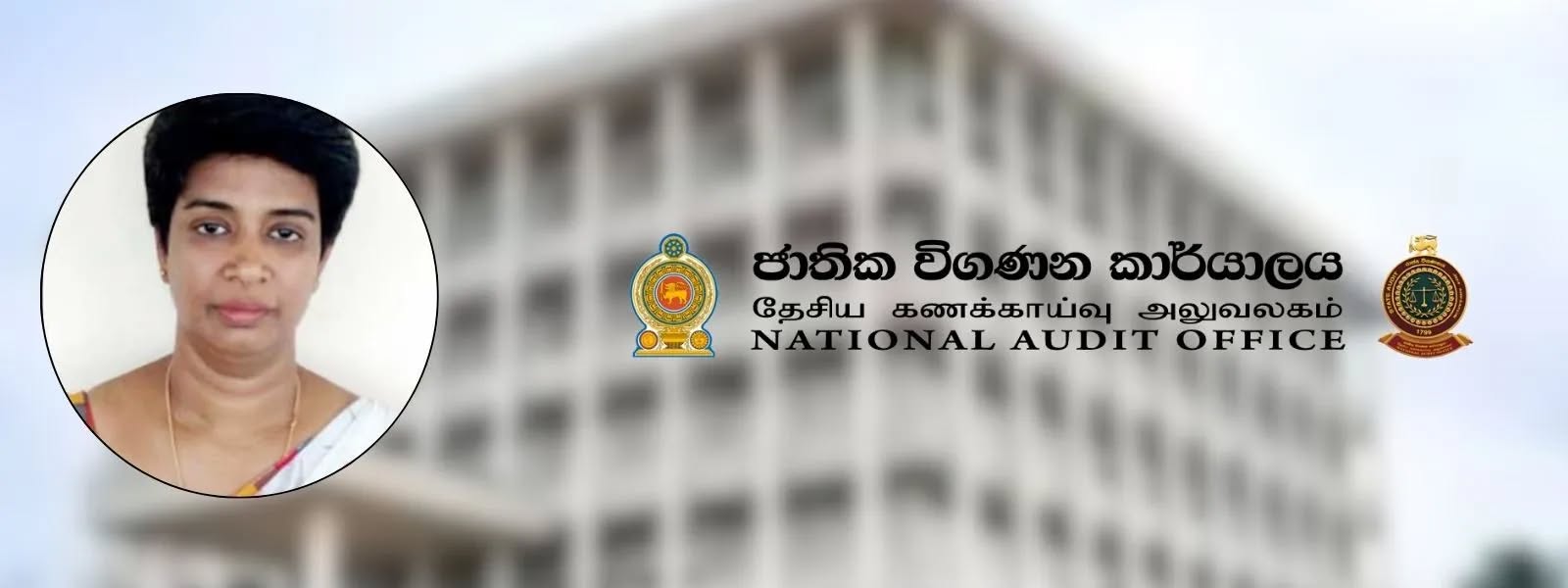
By: Staff Writer
February 05, Colombo (LNW): The appointment of Samudika Jayaratne as Auditor General has finally ended a ten-month impasse that left Sri Lanka’s National Audit Office without a permanent head. The Constitutional Council’s unanimous approval follows the retirement of Chulantha Wickramaratne in April 2025, and months of heated debate over presidential nominees rejected by the Council.
The prolonged vacancy exposed the NAO to political manoeuvring. The controversy reached its peak when a serving military officer was nominated in December, sparking public concern that the audit institution could lose its independence and become an extension of state power.
Jayaratne’s appointment restores leadership, but she assumes office at a time when the economy remains vulnerable, and public scrutiny of government spending is at its highest.
Political Threats to Audit Independence
The repeated rejection of presidential nominees reflects deep distrust between the executive and oversight institutions. While the Council’s decision can be seen as a defence of institutional independence, it has also created a power vacuum that weakened the NAO’s ability to function effectively.
Jayaratne now faces the challenge of rebuilding trust in the office’s neutrality. Her appointment must signal a return to impartial audits, free from political interference. This will require courage, transparency, and a firm commitment to the principles of public accountability.
Fiscal Oversight in a Time of Scarcity
The economy’s current condition makes audit work more important than ever. Government spending is constrained, and there is heightened risk of corruption and mismanagement in areas such as public procurement, debt servicing, and emergency expenditures.
With international lenders and investors watching closely, audit reports will play a critical role in demonstrating fiscal discipline. Jayaratne must prioritise audits that reveal wasteful spending and safeguard the integrity of public funds.
Operational Challenges
The NAO’s internal capacity may have been compromised during the leadership gap. Staff morale, planning, and audit execution could have suffered, reducing the office’s effectiveness. Jayaratne must rebuild organisational stability, strengthen training, and ensure audits are conducted timely and professionally.
Moreover, she must engage with the public transparently. The NAO must not be perceived as an elite institution operating behind closed doors. Regular public disclosure of audit findings will be essential to regain credibility.
The Road Ahead
Jayaratne’s appointment is a critical step, but it marks the beginning of a difficult journey. To succeed, she must defend the NAO’s independence, strengthen fiscal oversight, and restore public confidence in governance. In the current economic environment, her performance will have profound implications for transparency and accountability in Sri Lanka.