
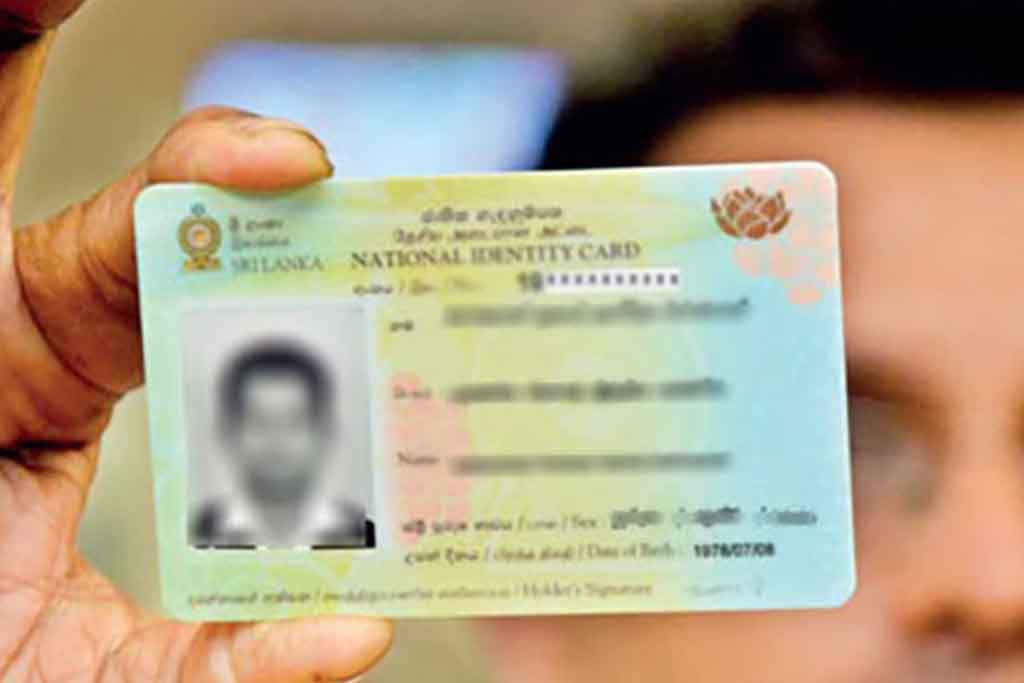
Sri Lanka’s planned National Digital Identity system marks a decisive turn toward digital governance—but it also places the country at the center of a broader geopolitical and technological debate. With India financing and technically supporting the SL-UDI project, questions of sovereignty, data security, and long-term dependence are increasingly part of the public conversation.
The system, built on India’s MOSIP framework, aims to unify existing electronic national ID records with biometric and demographic databases. Officials describe it as a foundation for “digital-first” public services, enabling everything from welfare distribution to online licensing. In theory, this could dramatically reduce bureaucratic delays and leakages that have long plagued Sri Lanka’s public sector.
India’s involvement is framed as developmental cooperation rather than outsourcing. The Rs. 10.4 billion grant relieves pressure on Sri Lanka’s strained public finances, while Indian expertise accelerates deployment. From New Delhi’s perspective, exporting digital public infrastructure strengthens regional influence and showcases India’s home-grown tech models beyond Aadhaar.
However, dependence on external technical know-how carries risks. While Sri Lankan authorities emphasize that data ownership and system control will remain domestic, the initial architecture, standards, and integrations are being shaped with foreign assistance. Over time, critics warn, this could limit Sri Lanka’s flexibility to modify or exit the system without significant cost.
There is also a readiness gap on the ground. Sri Lanka’s digital ecosystem is uneven. While urban youth are deeply embedded in social media—Facebook alone counts around nine million users—large segments of the population lack consistent internet access or digital skills. TikTok and YouTube may dominate among younger users, but digital literacy for transactional services remains patchy, especially outside cities.
Human capital presents another challenge. Migration has drained the country of experienced ICT professionals, raising concerns about whether Sri Lanka can independently maintain and secure such a complex system over the long term. Cyber resilience, data audits, and system upgrades require sustained expertise, not just a successful launch.
Still, the potential upside is difficult to ignore. Coupled with expanded 4G and 5G coverage and proposed “Virtual Special Economic Zones” for tech exports, SL-UDI could anchor a more competitive digital economy. If executed with transparency, strong legal safeguards, and inclusive access, it may reduce inequality rather than deepen it.
Sri Lanka’s digital ID journey is not just a tech project it is a test of governance. Whether SL-UDI becomes a tool of empowerment or a source of controversy will depend on how responsibly power, data, and partnerships are managed.