
By: Staff Writer
February 15, Colombo (LNW): The Central Bank of Sri Lanka (CBSL) has signalled a decisive shift in the country’s price trajectory, forecasting a steady rise in inflation toward its 5% target in the second half of 2026. The outlook, contained in its February 2026 Monetary Policy Report, reflects a transition from prolonged deflation to a demand-driven recovery but risks remain significant.
After nearly two years of deflationary pressure, headline inflation returned to positive territory in August 2025. Since then, price growth has gradually accelerated. The bank now expects inflation to stabilise around 5% over the medium term, provided policy settings remain consistent and external shocks are limited.
A major turning point lies in energy and transport costs. These sectors, deeply negative for much of the past two years, are expected to register positive inflation soon. While part of this shift reflects statistical base effects, global fuel price volatility and geopolitical tensions continue to pose threats. Sri Lanka’s heavy reliance on imported energy leaves domestic prices exposed to external shocks.
Core inflation — which strips out volatile food and energy components is also projected to rise gradually. The CBSL attributes this to strengthening domestic demand and imported cost pressures, particularly linked to global food markets. Corporate sector inflation expectations have risen in recent months, broadly aligning with actual inflation trends. Short-term and medium-term expectations are converging toward the 5% target, suggesting that inflation psychology may be stabilising.
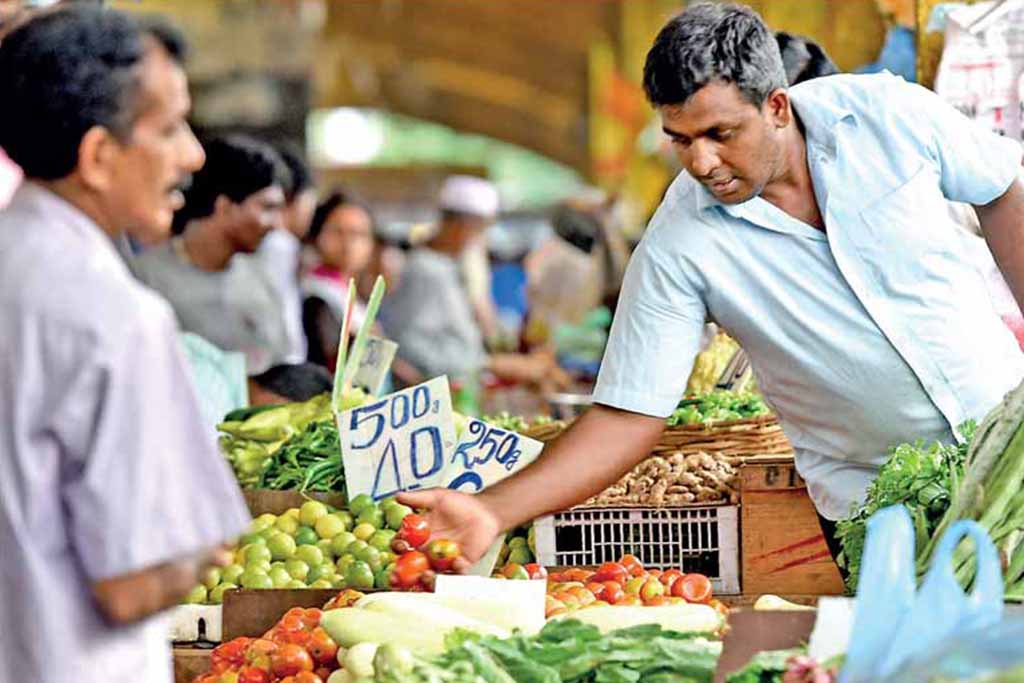
Food prices, however, remain a major wildcard. The recent Cyclone Ditwah disrupted agricultural output, creating near-term upward pressure on prices. While restoration and re-cultivation efforts are under way, recurring extreme weather events highlight Sri Lanka’s vulnerability to climate-related shocks. Food inflation is expected to remain elevated in the short run, underscoring structural weaknesses in agricultural resilience.
The broader concern is uncertainty. Inflation projections remain sensitive to global geopolitical volatility, commodity prices, and the pace of domestic structural reforms. Any renewed spike in oil prices or external supply chain disruptions could derail price stability.
For policymakers, the challenge is delicate: nurture the recovery without reigniting instability. The CBSL’s message is cautiously optimistic, but it is clear that inflation’s return is not yet a sign of full normalisation. Rather, it marks the beginning of a complex balancing act between recovery and restraint in a still-fragile economy.