
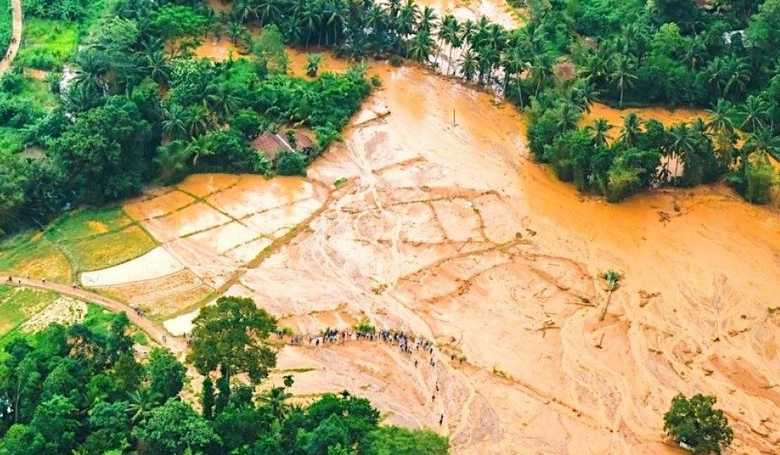
As International Monetary Fund chief Kristalina Georgieva concludes high-level talks in Colombo, scrutiny is mounting over whether Sri Lanka can secure swift access to two EFF tranches amid mounting cyclone recovery costs and lingering external vulnerabilities.
President Anura Kumara Dissanayake has framed the discussions as forward-looking—focused on ensuring that economic stabilization translates into tangible benefits for citizens, particularly rural communities battered by Cyclone Ditwah. Yet IMF engagements are rarely symbolic; they revolve around data, compliance, and fiscal discipline.
The Core Economic Pressures
Sri Lanka’s balance-of-payments position remains delicate. Tourism has rebounded, remittances are stabilizing, and inflation is moderating. But reconstruction imports, debt repayments, and weak export diversification strain reserves. Drawing two EFF tranches could help:
Offset immediate disaster-relief expenditures
Stabilize foreign exchange reserves
Maintain investor confidence
Fund social safety nets without breaching fiscal ceilings
Sensitive Reform Areas on the Table
Investigative sources indicate discussions likely covered electricity pricing reforms, public financial management upgrades, anti-corruption legislation, and progress in restructuring bilateral and private external debt. The IMF will also evaluate governance transparency in cyclone-related procurement and distribution of relief funds.
Climate adaptation financing is another emerging theme. With Sri Lanka increasingly exposed to extreme weather events, integrating resilience into macroeconomic planning may become a prerequisite for future multilateral support.
Reading the Signals
Georgieva’s public remarks commended Sri Lanka’s stabilization trajectory and disaster response. That tone suggests constructive engagement rather than confrontation. Still, IMF approval hinges on performance criteria reviews. Any deviation from agreed fiscal targets or delays in SOE restructuring could slow disbursement.
A positive decision would send a strong signal to global lenders and ratings agencies that Sri Lanka remains reform-committed. Conversely, hesitation could widen spreads and complicate market access.For now, the mood appears pragmatic. Both Colombo and Washington recognize that sustaining recovery amid climate shocks requires flexibility within reform frameworks. The coming weeks will reveal whether that flexibility translates into funds