
News “Audio”;
By: Puli
February 23, LNW (Colombo): A few days ago, the resurfacing of files connected to Jeffrey Epstein once again captured global attention, triggering anger, distrust, and deep moral anxiety. At the center of this reaction was not only the documented reality of sexual exploitation and abuse of minors, but also a wave of dark rumors spreading across the internet and political discourse.
Verified investigations exposed a powerful network in which wealth, privilege, and institutional failures left vulnerable victims unprotected. Yet alongside these confirmed crimes emerged disturbing stories of elite secrecy, sexual misconduct, and sensational claims that captured public imagination and fear even in the absence of credible evidence.
The emotional intensity surrounding the case largely stems from the dangerous imbalance of power it revealed. Survivors described environments shaped by manipulation, coercion, and influence — situations where wealth and status appeared capable of silencing accountability.
The arrest and eventual conviction of Ghislaine Maxwell strengthened the perception that Epstein’s crimes were not isolated acts but part of a coordinated system of exploitation. For many observers, the case symbolized a broader anxiety: the fear that powerful individuals can operate behind closed doors while victims struggle to be heard.
Public outrage also created fertile ground for conspiracy movements. Online communities began amplifying claims involving secret elite networks, ritualistic abuse, and other extreme allegations. These emotionally explosive narratives – often lacking credible evidence or legal findings – gained traction by tapping into genuine public distrust. Repeated institutional failures, extreme wealth inequality, and the horror of Epstein’s confirmed crimes blurred the line between documented abuse and speculative myth, making even extraordinary claims appear believable to some audiences.
Media coverage further intensified the emotional climate. Epstein’s mysterious death in custody generated suspicion, grief, and anger across political and social divides. For survivors, the loss felt like justice slipping away. For the broader public, unanswered questions became symbols of deeper systemic problems.
Beneath the controversy lies a painful reality: sensational rumors can overshadow the voices of victims themselves. While shocking narratives attract attention, survivor testimony consistently points to a simpler but devastating truth – exploitation can flourish wherever power operates without accountability. The Epstein case forced society to confront uncomfortable questions about wealth, celebrity culture, and the protection of children.
Ultimately, the Epstein scandal stands both as a confirmed tragedy and as a mirror reflecting collective fear. Verified crimes demand justice, reform, and compassion for survivors. At the same time, extreme rumors demonstrate how trauma and distrust can transform into myth when transparency feels absent.
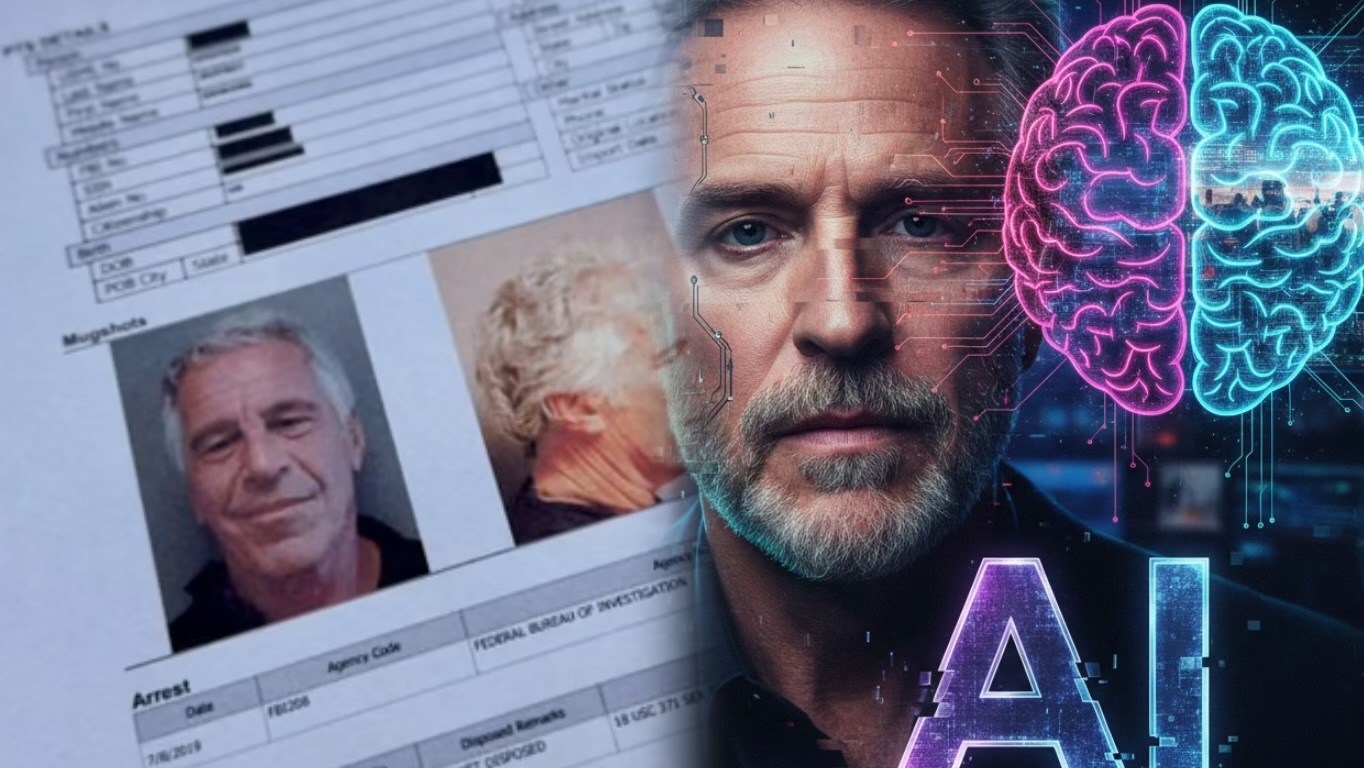
Adding to the complexity, much of the Epstein-related content circulating online is presented as leaked evidence but consists of AI-generated or heavily manipulated videos. These deepfakes frequently depict fabricated confessions, altered news broadcasts, or synthetic interviews that appear to reveal hidden information.
Because the case continues to attract intense public interest and conspiracy speculation, misleading content spreads rapidly on social media platforms where verification is limited. Unlike authentic legal documents, these videos often rely on dramatic storytelling, emotional language, and anonymous sources rather than verifiable records. Technical warning signs may include unnatural facial movement, mismatched lip synchronization, inconsistent lighting, or robotic vocal patterns.
Authentic Epstein files originate from traceable legal systems and are typically interpreted within careful journalistic and legal frameworks. In contrast, AI-generated videos are often designed to provoke outrage, reinforce conspiratorial narratives, or generate attention without evidentiary support.
Examples include:
- Fake celebrity confession clips — short videos claiming politicians or public figures admitted connections to Epstein, often displaying subtle facial or audio irregularities.
- Fabricated news broadcast segments — clips imitating television graphics and anchors discussing supposed newly leaked lists or secret recordings that never aired on real networks.
- Altered interview footage — genuine interviews edited with AI voiceovers to create the false impression that individuals were discussing Epstein when the original topic was unrelated.
Confusion between documented allegations, proven findings, and entirely fabricated claims has directly contributed to widespread misinformation surrounding the case. As AI tools become more realistic and accessible, distinguishing truth from manipulated media requires critical evaluation of sources and responsible reporting.
Moreover, exploiting globally traumatic events for attention or influence risks creating further harm rather than understanding.