
By: Staff Writer
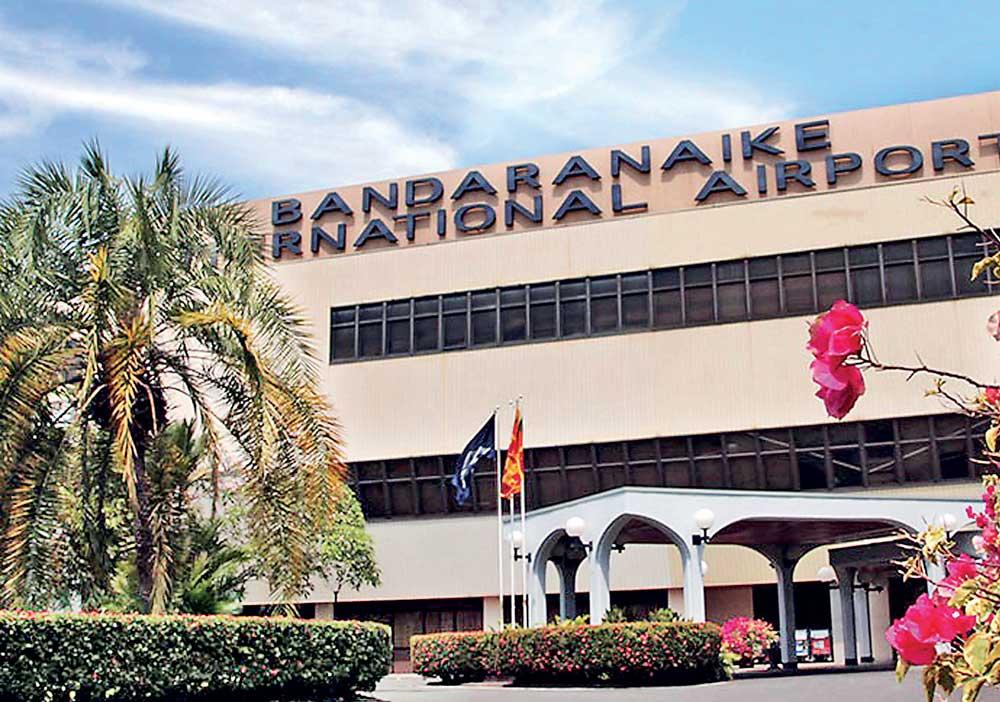
February 24, Colombo (LNW): The long-delayed expansion of Bandaranaike International Airport (BIA) has once again drawn scrutiny as questions emerge over tender procedures, funding suspensions, and construction irregularities surrounding its proposed Terminal 2 project a development that carries significant economic consequences for Sri Lanka.
According to the Ministry of Ports and Civil Aviation, technical evaluations for the $564 million Terminal 2 project have now been completed and forwarded to Japan International Cooperation Agency (JICA), the primary financier. Deputy Minister Janitha Ruwan Kodithuwakku stated that the evaluation process should conclude by August following renewed negotiations with the Japanese lender.
Nevertheless beneath these assurances lies a troubling procurement history.
Originally awarded in 2020 to Taisei Corporation, the contract collapsed after Sri Lanka’s sovereign debt default triggered a freeze on JICA funding. Construction was abruptly halted, and the contractor subsequently terminated its agreement. The sudden stoppage not only delayed the project but also exposed weaknesses in financial risk planning and contractual safeguards.
Package A of the expansion the core multi-level terminal structure was initially estimated at Rs. 133 billion. Funding agreements signed in 2012 and 2016 between Airport and Aviation Services (Sri Lanka) Ltd. and JICA amounted to ¥74.4 billion in total. However, critics argue that project cost escalations, specification revisions, and the need to reissue tenders signal deeper procurement inefficiencies.
With two Japanese contractors now bidding after fresh tenders were called, analysts question whether the process sufficiently addressed transparency gaps exposed during the previous award. The re-preparation of specifications and restarting of negotiations raise concerns about consistency in evaluation criteria and whether prior contractual liabilities were fully resolved.
The economic stakes are substantial. BIA operates as Sri Lanka’s primary aviation gateway, and the long-stalled expansion has constrained passenger handling capacity at a time when tourism recovery is critical. Delays undermine investor confidence and increase project costs through inflation, exchange rate depreciation, and remobilisation expenses.
Furthermore, reliance on foreign loan financing amid a fragile debt restructuring process amplifies fiscal risk. Any misstep in procurement or compliance could jeopardise renewed funding flows, potentially increasing the Government’s borrowing burden.
While authorities insist the process is on track, governance advocates call for independent oversight of the tender evaluation and publication of technical scoring results to restore public confidence. Without enhanced transparency, Terminal 2 risks becoming another example of infrastructure mismanagement during Sri Lanka’s economic crisis.
As construction timelines stretch to an estimated 30 months once awarded, the true cost of delay may extend beyond dollars affecting tourism competitiveness, trade logistics, and broader macroeconomic recovery.
The Terminal 2 project was conceived as a gateway to growth. Instead, its turbulent procurement journey underscores the urgent need for institutional reform in large-scale public infrastructure management.