
By:Staff Writer
March 03, Colombo (LNW): As dawn broke over Colombo on February 28, 2026, news of a coordinated U.S.–Israeli strike on Iran jolted a nation still scarred by its 2022 economic collapse. The joint operation dubbed “Operation Epic Fury” by Washington and “Roaring Lion” by Tel Aviv reportedly targeted nuclear and missile infrastructure in Tehran, Isfahan, and Qom. U.S. President Donald Trump described the assault as pre-emptive. Unconfirmed reports suggested Iran’s Supreme Leader Ali Khamenei was killed.
Iran’s retaliation was swift. Ballistic missiles and drones struck Israeli territory and U.S. facilities across Kuwait, Qatar, Bahrain, Saudi Arabia and the UAE. Airspace closures rippled through Gulf hubs, while the Strait of Hormuz artery for nearly one-fifth of global oil effectively stalled.
For Sri Lanka, the consequences were immediate.
Oil Spike, Inflation Risk
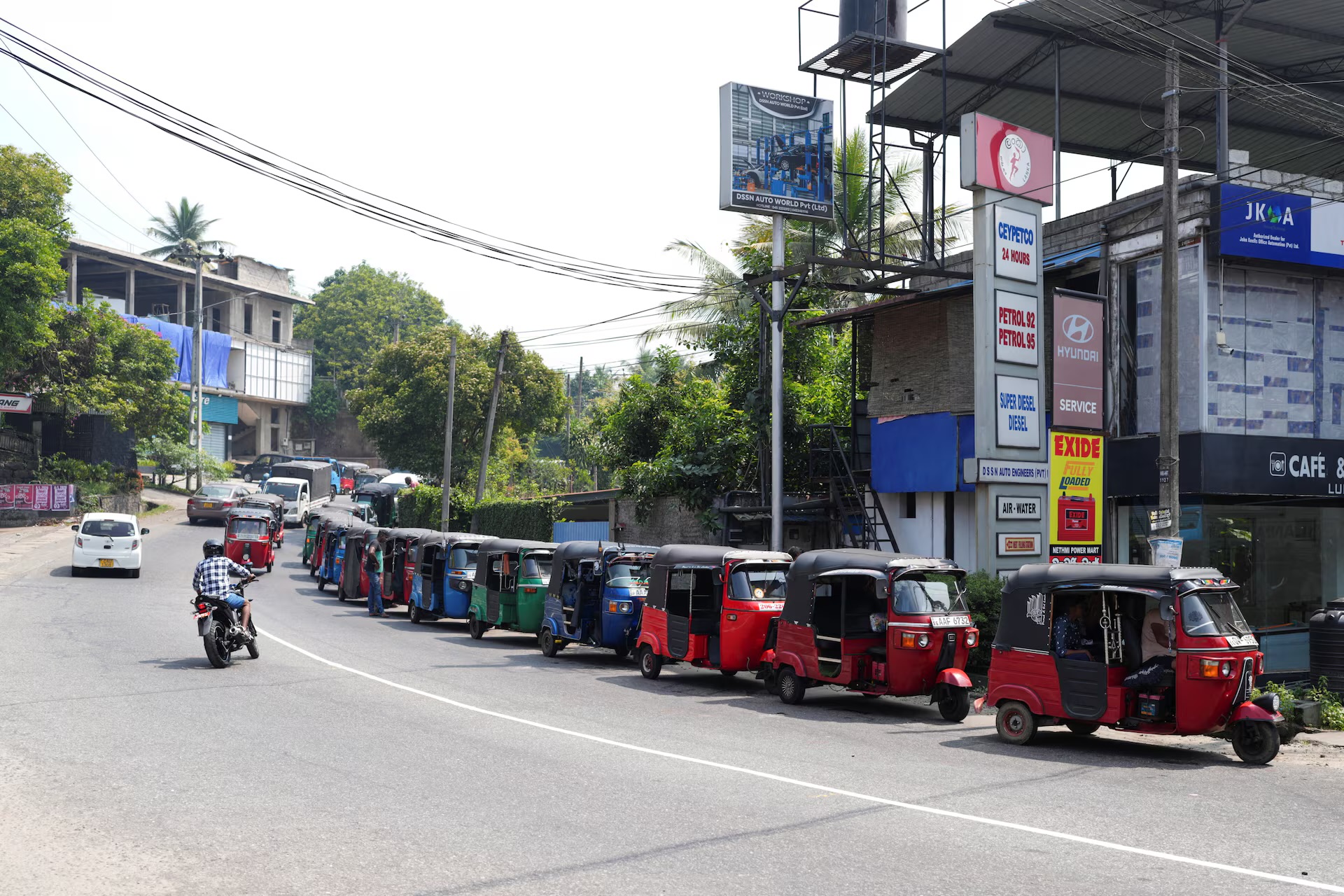
Within hours, Brent crude surged past US$90 a barrel. Although a scheduled price formula triggered a modest hike diesel up Rs. 4 and super diesel Rs. 6 panic queues formed across Colombo. The state-run Ceylon Petroleum Corporation claims 37 days of fuel reserves, but the Sapugaskanda refinery depends heavily on Middle Eastern crude. A prolonged Hormuz disruption could halt operations within weeks.
Fuel is the bloodstream of the economy. Higher diesel prices raise transport costs from Dambulla’s wholesale markets to urban retailers, threatening a fresh spike in non-food inflation, which had already crept to 2.3% in February despite headline inflation easing to 1.6%. Electricity tariff relief may now be shelved.
Exports, Shipping, and Tea at Risk
The Middle East buys a substantial share of Sri Lanka’s low-grown tea. Iran, Iraq, and the UAE are major markets. Currency instability and banking disruptions have reportedly frozen new orders, jeopardizing thousands of smallholder farmers. There is no quick substitute market for these specific grades.
Shipping disruptions compound the threat. If vessels avoid the Suez Canal corridor and reroute around the Cape of Good Hope, transit times for apparel and rubber exports to Europe and the U.S. could lengthen by up to two weeks. Higher insurance premiums and freight costs erode competitiveness just as export earnings were stabilizing.
Migrant Workers and Remittance Lifeline
More than 1.5 million Sri Lankans work in Gulf Cooperation Council countries, sending home over US$8 billion in 2025 alone. Remittances underpin rural consumption and help stabilize the rupee. Direct strikes near Gulf airports have already disrupted flights. A wider war or mass evacuations would sever this lifeline, triggering currency depreciation and straining foreign reserves critical to IMF-linked debt restructuring.
Tourism and Investment Confidence
Over 60% of Western tourists transit through Gulf hubs. Prolonged airspace closures by carriers such as Emirates and Qatar Airways threaten cancellations during peak season. Regional instability, even distant, deters high-spending visitors.
For President Anura Kumara Dissanayake and the Marxist JVP-led NPP government, the crisis is a brutal test. Having inherited a fragile post-default recovery, the inexperienced administration now faces a “system shock” beyond its control. Managing imported inflation, safeguarding reserves, and preventing social unrest will determine whether Sri Lanka’s hard-won stability endures or unravels once more.