
By: Staff Writer
March 03, Colombo (LNW): Cyclone Support Hinges on Sri Lanka’s Reform, EU plus Facility Prospects
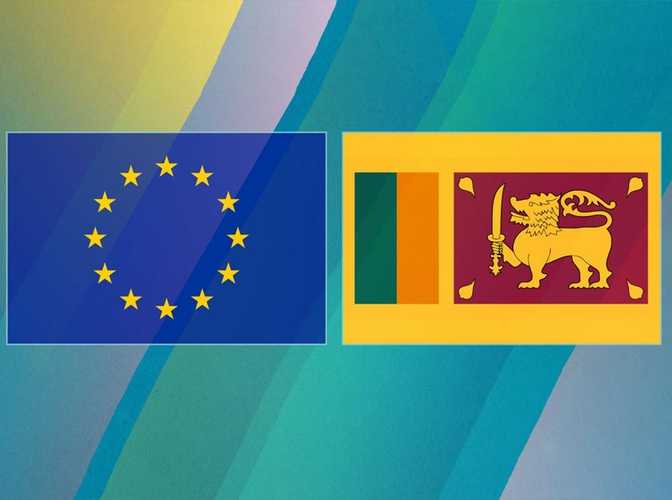
The European Union has reaffirmed its humanitarian commitment to cyclone‑hit Sri Lanka by allocating an additional €1 million (over Rs. 370 million) to help communities recover from the devastating effects of Tropical Cyclone Ditwah. But beyond emergency relief, Brussels is signaling that broader development aid including the long‑anticipated “EU Plus” facility is increasingly tied to governance reforms, fiscal transparency, and climate resilience planning.
Tropical Cyclone Ditwah, which struck in late November 2025, unleashed severe flooding and landslides across all 25 districts of Sri Lanka, damaging homes, infrastructure, schools, and livelihoods. In the immediate aftermath, the EU mobilized €2.35 million in emergency humanitarian funding through partner organizations on the ground, alongside engineering and in‑kind support from member states such as France, Germany, Italy, and Luxembourg. These efforts focused on rapid response: search and rescue coordination, temporary shelter provision, water and sanitation support, and critical repairs to damaged public infrastructure.
The newly announced €1 million tranche is intended to support ongoing needs that extend far beyond the immediate emergency phase. EU officials describe the funding as “lifesaving and life‑sustaining,” earmarked for basic services including drinking water access, sanitation facilities, household supplies, and community‑based recovery projects. The extra allocation recognizes that many affected families remain displaced, economically vulnerable, or reliant on informal support networks months after the cyclone.
However the backdrop to humanitarian assistance is a broader negotiation over long‑term development financing. Sri Lanka and the EU have been engaged in talks over a comprehensive “EU Plus” facility—a mixed financing package combining grants, concessional loans, and technical assistance aimed at supporting economic stabilization, climate resilience, and structural reforms. Sri Lanka views the facility as a key pillar of its post‑IMF Extended Fund Facility (EFF) strategy.
In Brussels, senior officials have emphasized that EU disbursements will be aligned with measurable actions on governance, financial accountability, and climate adaptation. Sources familiar with the negotiations say that progress on public finance management, anti‑corruption measures, and electricity sector reform are being weighed alongside humanitarian urgency. This represents a shift toward “strategic conditionality,” where development cooperation is linked more directly to policy performance.
Civil society and aid agencies in Sri Lanka have generally welcomed the additional humanitarian funding but urged that it reflects only part of the country’s recovery needs. Many rural and estate communities are still living in substandard housing with limited access to clean water and income opportunities. Non‑governmental organizations have called for a scaling up of long‑term resilience investments, particularly in disaster‑prone areas.
Meanwhile, some development partners outside the EU such as Japan and the World Bank have made parallel commitments to reconstruction and climate adaptation, independent of political conditionality frameworks. But analysts say that the EU’s approach, given its scale and visibility, could shape other donors’ strategies.
For Sri Lankan authorities, the unfolding negotiations over the EU Plus facility and the implicit link between aid and reform pose both an opportunity and a challenge. Success could unlock substantial support for economic stabilization and climate resilience. Failure, analysts warn, could leave a critical gap in the country’s development financing at a time of mounting climate risk and slow economic recovery.
As Brussels balances humanitarian support with strategic policy expectations, Sri Lanka’s next steps on governance reforms may prove decisive for both short‑term recovery and long‑term international cooperation.