
By: Staff Writer
March 03, Colombo (LNW): Sri Lanka has confirmed it has enough fuel stocks to avoid shortages through May, despite global uncertainties and the ongoing Middle East crisis. Ceylon Petroleum Corporation (CPC) Chairman D.J. Rajakaruna assured the public on March 2, 2026, that total availability—including current stocks and confirmed shipments is sufficient for over a month.
Sri Lanka’s government expects fuel queues to disappear from Tuesday (03) as authorities have taken action to curb fuel hoarding and ensured adequate supply, officials said.
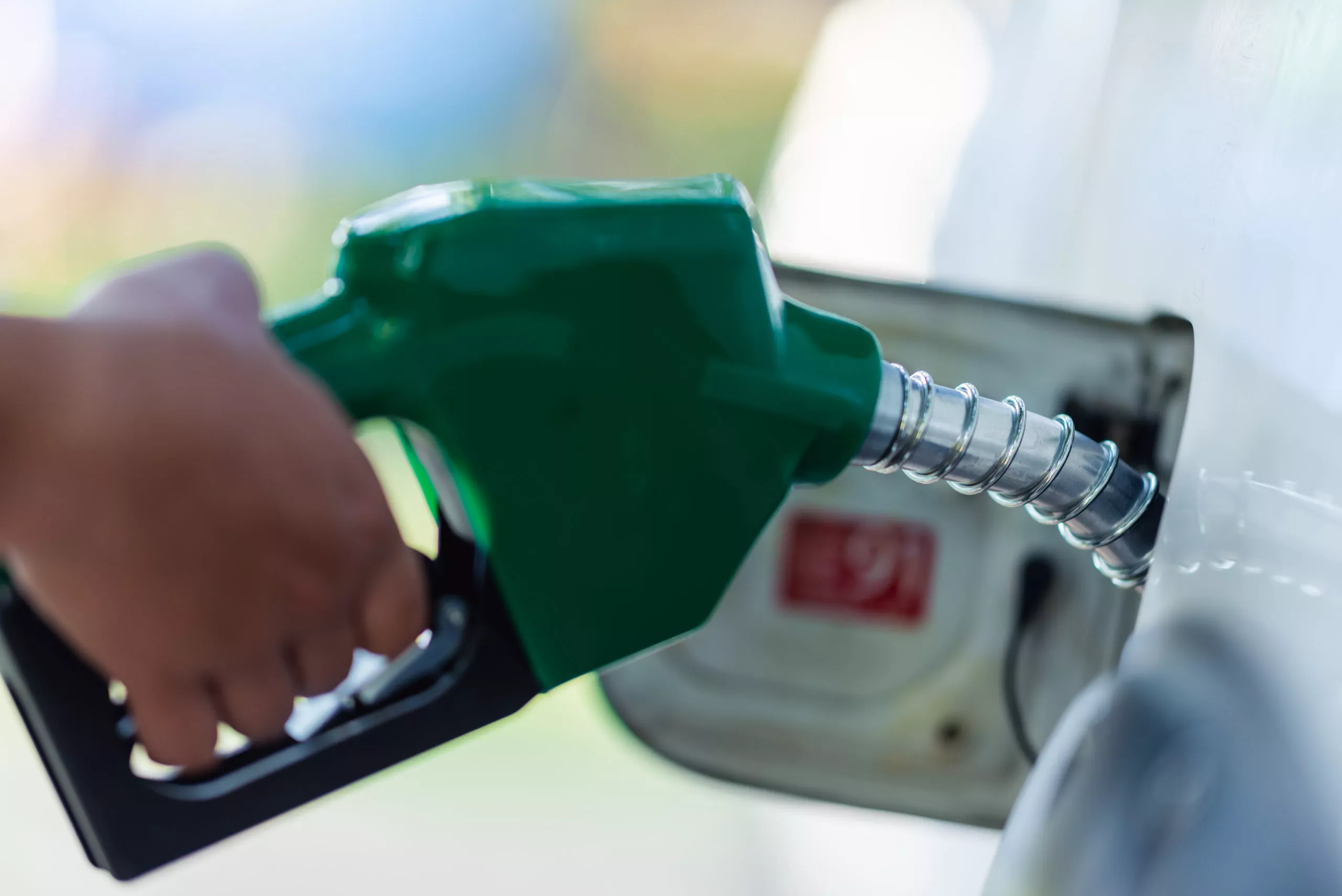
Fuel queues returned to Sri Lanka as panic buying by motorists across the country led to artificial demand after the U.S. and Israel jointly bombed Iran.
“We have enough fuel stocks for one month and there are no supply issues,” Cabinet Spokesman and Media & Health Minister Nalinda Herath told reporters at a special media briefing in Colombo.
“We are not going to implement a QR code to restrict consumption because we have enough supply.”
A detailed breakdown of fuel reserves shows petrol at 37 days, auto diesel at 35 days, super diesel at 72 days, and jet/aviation fuel at 47 days. This buffer ensures that daily operations and transport networks across the country can continue without disruption.
Sri Lanka’s fuel imports are primarily sourced from refining hubs in India and Singapore, with additional shipments from Malaysia and South Korea. While these countries are not major crude oil producers, they are global refining centers capable of converting crude into ready-to-use petroleum products. This strategy allows Sri Lanka to bypass direct exposure to conflict zones in the Middle East and ensures immediate usability of imported fuel.
The state-run Sapugaskanda refinery, which processes crude oil domestically, currently has sufficient raw stock for approximately one month of operation. Even on the March 2 Poya holiday, CPC continued fuel issuance to meet high demand, demonstrating the government’s commitment to uninterrupted supply. Anti-hoarding regulations remain strict, prohibiting filling stations from dispensing fuel into containers, with legal action threatened against bulk buyers reselling for profit.
Experts note that Sri Lanka’s reliance on refining hubs like India and Singapore is sustainable in the short to medium term. Both nations maintain significant strategic stockpiles and access to diverse crude sources from around the world. Geographic safety is another advantage: shipments avoid the Strait of Hormuz, a critical chokepoint currently threatened by regional conflicts.
However, vulnerabilities remain. CPC admits that Sri Lanka’s domestic storage infrastructure is limited, capable of holding fuel for only a few weeks. Any disruption in shipments from major refining hubs would deplete reserves rapidly, triggering potential price spikes and economic pressure.
“The current system works well while global refining hubs maintain supply,” said an energy analyst. “But any extended shortage abroad would force Sri Lanka to rely on more expensive alternatives, with immediate ripple effects on transport and essential goods.”
For now, the government continues to monitor global markets closely while reassuring the public. Citizens are encouraged to avoid panic buying, as fuel remains abundant and distribution channels are functioning effectively.