
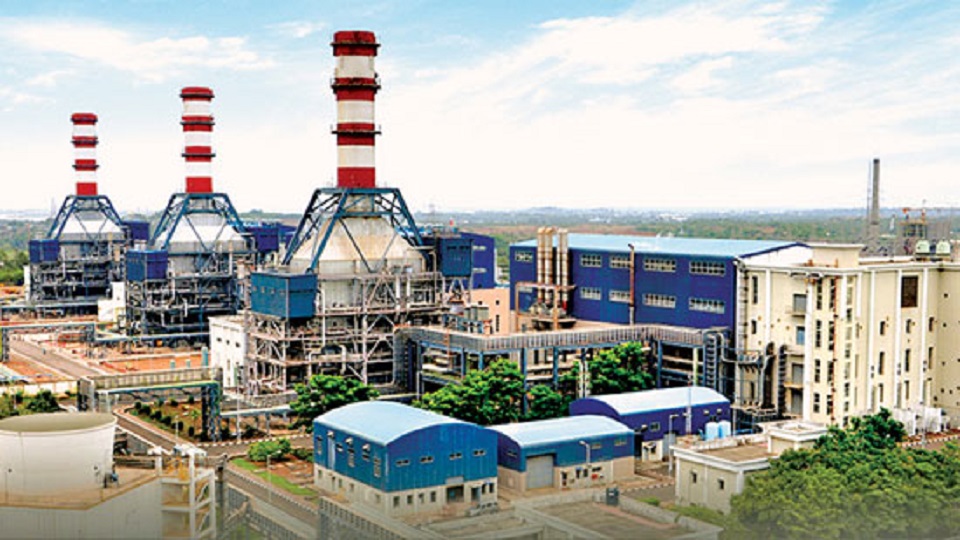
A growing controversy over Sri Lanka’s coal procurement process has intensified after Transparency International Sri Lanka (TISL) formally sought key documents from multiple government agencies to clarify allegations surrounding the tender issued for supplying coal to the Norochcholai Lakvijaya Coal Power Plant.
The request signals a new phase in the debate over the procurement, which has become politically sensitive amid corruption allegations linked to the current leadership of the Ministry of Energy.
Using Sri Lanka’s Right to Information framework, TISL has asked for records from the Lanka Coal Company (LCC), the National Procurement Commission, and the Ministry of Ports, Shipping and Aviation. The information sought covers tender documentation, supplier evaluation processes, coal quality verification reports, shipment records, and financial transactions linked to the contract.
The procurement process began attracting scrutiny in early 2025 when the Energy Ministry stepped in to conduct the tender on behalf of the LCC. Critics say amendments were made to the bidding documents before the tender was issued, raising questions about whether the changes may have benefited specific suppliers.
Further concerns emerged when the tender submission period was reportedly shortened, limiting the time available for potential bidders. Civil society groups and opposition figures have argued that such changes could reduce competition and weaken transparency in public procurement.
By September 2025 the tender had been awarded, but controversy did not subside. Instead, attention shifted to the supplier selected and the coal consignments delivered under the contract.
Reports surfaced that several shipments had already arrived in Sri Lanka, sparking allegations that some of the coal supplied might not meet the required quality specifications. Questions about coal quality escalated in January 2026 when claims of inferior shipments triggered debate about possible financial losses and operational risks for the country’s power generation system.
The Ceylon Electricity Board (CEB) later confirmed that an internal investigation had been initiated. However, officials indicated that the probe was focused largely on procedural issues related to document disclosures rather than the procurement process itself a distinction that has drawn criticism from transparency advocates.
Parliament has also stepped into the controversy. The Parliamentary Sectoral Oversight Committee on Infrastructure and Strategic Development recently summoned the Lanka Coal Company to provide explanations about the shipments and quality assessments. Meanwhile, the Committee on Public Enterprises (COPE) has signalled plans to conduct a broader inquiry into the procurement.
Against this backdrop, TISL says the public has a right to understand whether the procurement adhered to established rules and whether safeguards designed to protect public funds were properly applied.
The organisation is seeking certified records covering tender transparency, supplier evaluation criteria, coal quality verification procedures, financial penalties for substandard deliveries, and the oversight mechanisms that governed the contract.
According to TISL, weaknesses in procurement oversight can undermine both the responsible use of public funds and the reliability of essential services such as electricity supply.
With Sri Lanka still recovering from an economic crisis that exposed systemic governance failures, the outcome of this investigation could become a significant test of whether reforms to the country’s procurement system are being implemented effectively.