
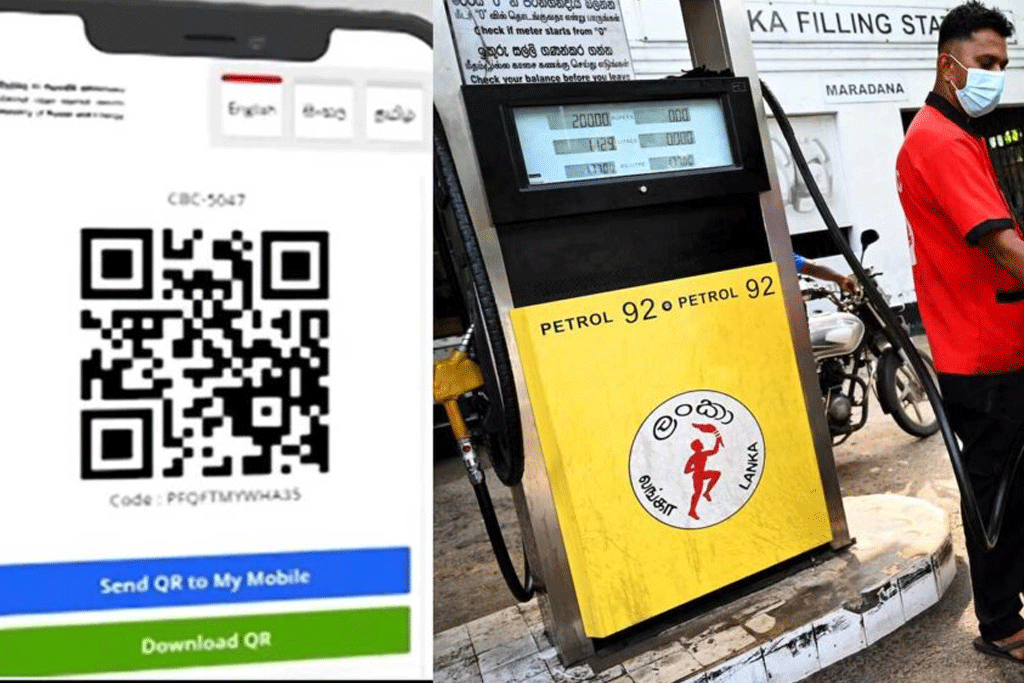
The reintroduction of Sri Lanka’s QR-based fuel rationing system has revealed a deeper structural problem: not just technical glitches, but a fragile digital infrastructure vulnerable to misuse, inefficiency, and public distrust.
Initially launched during the Sri Lankan economic crisis 2022–2023, the National Fuel Pass was praised for bringing order to chaotic fuel queues. Today, however, its revival is marred by systemic weaknesses that threaten its effectiveness.
At the core of the problem lies poor data management. Many motorists report that their National Identity Card numbers remain linked to outdated vehicle records, preventing them from registering newly acquired vehicles. In some cases, the system assigns incorrect fuel quotas altogether—clear evidence that backend databases have not been properly cleaned or updated.
This is compounded by accessibility failures. Users frequently encounter messages stating that the system is “temporarily unavailable,” while attempts to seek help via official channels often go unanswered. The result is a digital bottleneck that mirrors the physical queues forming at fuel stations.
Adding to the crisis is the rise of fraudulent platforms. Scammers have begun replicating the official fuel pass website, tricking users into submitting sensitive personal information. According to warnings from the Ceylon Petroleum Corporation, these fake systems can generate invalid QR codes, effectively locking genuine users out of the fuel supply chain.
Meanwhile, external pressures continue to mount. Global oil prices have surged by over 40% amid geopolitical tensions, increasing the cost of imports and reinforcing the need for strict fuel management. However, a rationing system that cannot reliably identify users risks undermining its own purpose.
To restore confidence and functionality, immediate reforms are essential. Authorities should deploy a secure, single verified platform with two-factor authentication to prevent fraud. A nationwide data-cleansing initiative must be undertaken, integrating records from vehicle registration authorities, telecom providers, and national ID databases.
Additionally, offline solutions are crucial. Fuel stations should be equipped with the ability to verify identity documents and issue temporary quotas, ensuring that technical failures do not translate into denied access.
Public communication must also improve. Clear guidelines, real-time system status updates, and awareness campaigns about fake websites can significantly reduce confusion and vulnerability.
Ultimately, the success of the fuel QR system depends not just on policy, but on execution. Without fixing its digital backbone, Sri Lanka risks turning a necessary control mechanism into another layer of crisis.