
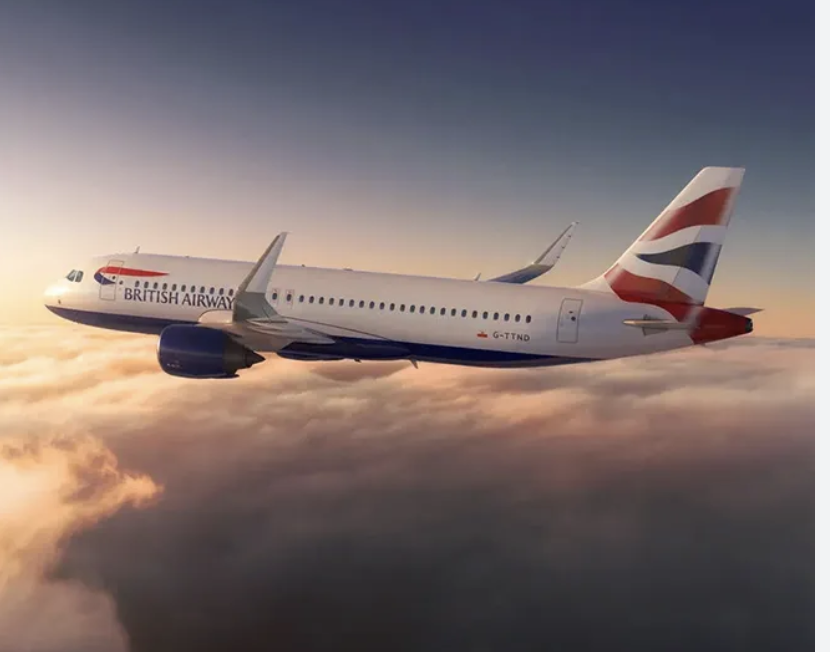
The decision by British Airways to resume direct flights between London Gatwick and Colombo from October 23, 2026, is being hailed as a boost for Sri Lanka’s connectivity—but it is also raising serious questions about competition, national carrier stability, and governance.
The new service, operating three times weekly with Boeing 777 aircraft, marks the airline’s return after years of absence. While the move is expected to stimulate tourism and strengthen links with the United Kingdom, analysts warn it could significantly disrupt the fragile recovery of SriLankan Airlines.
The Colombo–London route has long been one of SriLankan Airlines’ most profitable sectors, particularly for premium passengers. British Airways’ re-entry introduces direct competition for this high-yield market, potentially diverting lucrative business and premium economy travelers. With competitive pricing already announced—economy fares starting around £620 and business class exceeding $3,700 the UK carrier is clearly targeting both leisure and corporate segments.
The timing is particularly sensitive. SriLankan Airlines is currently navigating operational disruptions linked to Middle East tensions, which have forced cancellations of several regional routes. In response, the airline has been deploying additional flights to London to manage passenger demand, making the UK route even more critical to its revenue stream.
At the same time, the Government has abandoned privatization efforts and is pursuing a state-led restructuring of the airline. This includes a $210 million debt overhaul and an ambitious five-year plan aimed at expanding fleet capacity, increasing market share, and restoring profitability. Early indicators show some recovery, with passenger numbers and revenues rising, but the airline remains financially vulnerable.
Against this backdrop, the entry of a globally recognized carrier like British Airways presents a double-edged sword. On one hand, increased seat capacity and brand visibility could drive higher tourist arrivals from the UK. On the other, intensified competition could erode the national carrier’s margins at a critical stage of its recovery.
Industry observers note that while competition can improve service quality and pricing, SriLankan Airlines may struggle to match the scale, network connectivity, and brand strength of its British rival. This imbalance could shift market dynamics in favor of the foreign carrier unless the local airline accelerates its restructuring efforts.
Ultimately, the return of British Airways underscores both opportunity and risk. It highlights Sri Lanka’s growing appeal as a destination while exposing the vulnerabilities of its aviation sector. The coming months will be crucial in determining whether SriLankan Airlines can withstand this competitive pressure or whether the market will tilt decisively toward international players.