
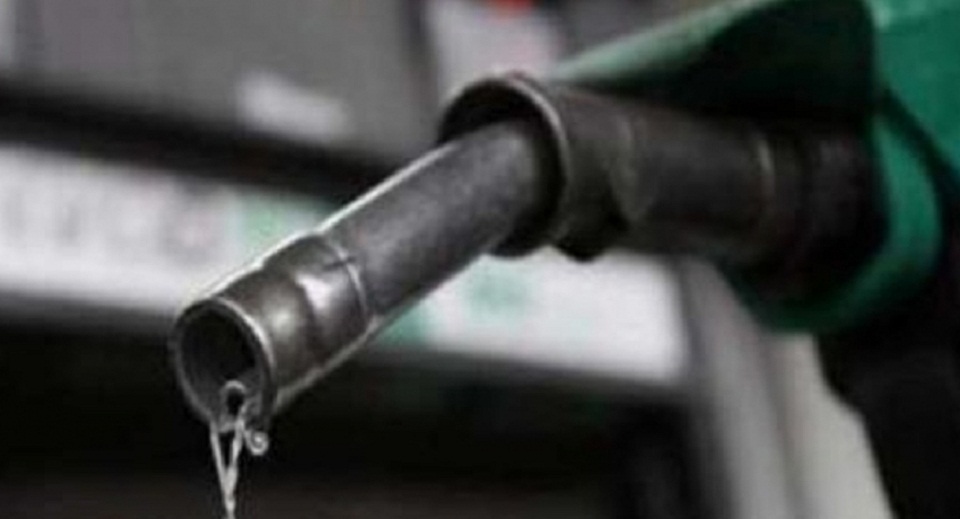
Sri Lanka’s decision to increase fuel prices three times within a single month has raised widespread concern, amid growing questions over supply shortages and inconsistent policy explanations.
The situation has been further complicated by rising global oil prices linked to tensions in the Gulf region.
Conflicting statements by officials have added to the uncertainty. Cabinet Spokesman Nalinda Jayatissa said the standard fuel pricing formula could not be applied under extreme global price fluctuations, while the Ceylon Petroleum Corporation (CPC) maintained that prices were still calculated based on the formula.
This contradiction has raised concerns over transparency, as the pricing mechanism—introduced with International Monetary Fund guidance—was intended to reflect actual import costs while minimizing political influence.
Uncertainty over fuel supply has also drawn attention. Despite multiple price increases, reports indicate that expected fuel shipments have not yet arrived. While authorities say existing stocks are sufficient in the short term, concerns remain over supply sustainability in the coming weeks.
Economically, fuel price hikes are typically justified when import costs rise. However, the timing of the increases has prompted questions, particularly if prices are being adjusted ahead of actual higher-cost shipments.
The government has argued that the pricing formula is not designed to handle extreme market shocks. However, the absence of a clearly communicated alternative has contributed to public confusion.
Frequent fuel price increases have broader implications, affecting transport, electricity generation, and the overall cost of living, potentially adding to inflationary pressures on households and businesses.
Analysts note that beyond pricing, the key issue remains the need for a clear, transparent, and consistent policy framework, especially during periods of economic uncertainty.