
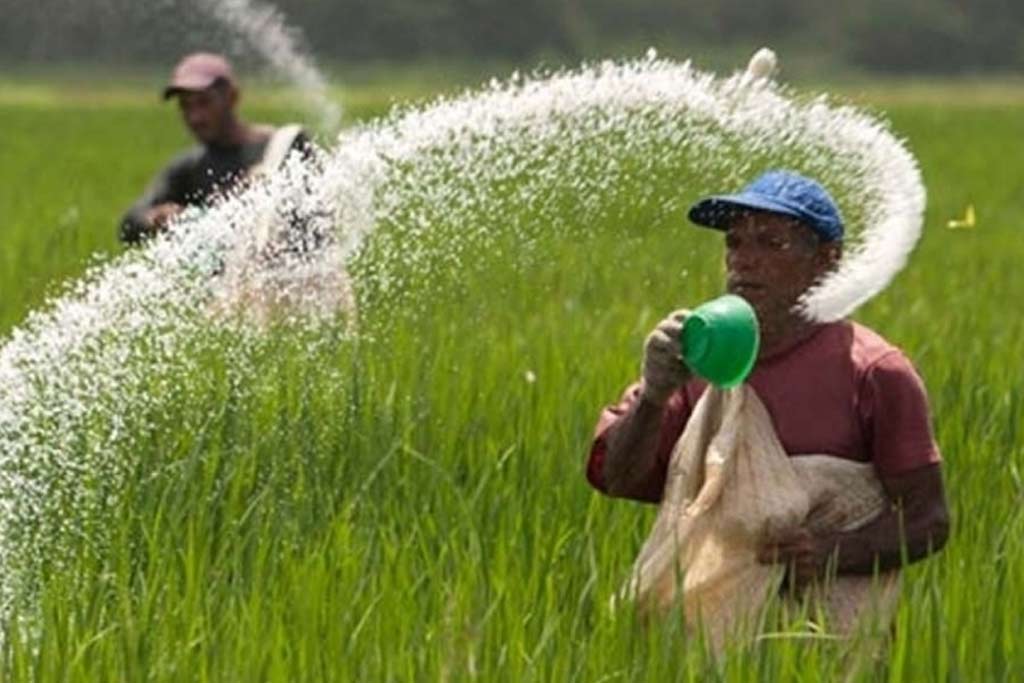
Sri Lanka’s agriculture sector is facing renewed instability as fertiliser prices surge globally and supply chains come under strain due to the escalating Middle East conflict. Recent import disruptions—including the reported cancellation of a fertiliser order from a Middle Eastern supplier—have intensified concerns over both availability and affordability of critical inputs.
According to Buddhi Marambe, a senior professor at the University of Peradeniya, the crisis goes beyond short-term price increases and reflects a deeper structural vulnerability in Sri Lanka’s agricultural model. He warns that traditional costing systems are no longer adequate in an environment shaped by geopolitical shocks, volatile markets, and supply competition.
Global fertiliser prices have risen sharply, reportedly jumping from around $450 per tonne to over $800 within a short period. This dramatic increase, driven largely by supply disruptions linked to the Gulf crisis, is already feeding into domestic production costs. However, price is only part of the problem. Availability itself is becoming uncertain, as wealthier nations secure supplies ahead of smaller import-dependent economies like Sri Lanka.
The recent cancellation of a fertiliser shipment has further exposed these vulnerabilities. With the country relying heavily on imports for agricultural inputs, even a single disruption can have cascading effects on cultivation cycles. Farmers now face uncertainty not only about costs but also about whether essential inputs will arrive in time for planting seasons.
Energy costs are adding another layer of pressure. Agriculture in Sri Lanka has become increasingly dependent on fuel for mechanisation, irrigation, and transport. Rising fuel prices, combined with supply uncertainties, are driving up costs across the entire value chain from land preparation to harvesting, storage, and distribution.
Professor Marambe highlights that these pressures extend beyond farms to consumers. Higher input and energy costs are translating into increased food prices, raising concerns about food security and inflation. While the government has attempted to stabilise fertiliser distribution at subsidised rates, such measures are unlikely to offset global market dynamics.
The crisis has also exposed the limitations of short-term policy responses. While efforts are underway to secure fertiliser through government-to-government agreements, particularly with major suppliers like China, these arrangements do not eliminate cost pressures or guarantee uninterrupted supply.
At a structural level, Sri Lanka’s agriculture sector faces a difficult balancing act. It must maintain production levels to ensure food security while managing rising costs and limited resources. Prioritisation is becoming essential, with key crops such as rice, maize, and tea requiring targeted allocation of fertiliser and other inputs.
Ultimately, the current issue highlights the need for a fundamental shift in how agricultural costs and risks are managed. Without a more resilient and forward-looking framework, Sri Lanka’s agriculture sector will remain highly exposed to external shocks, with significant implications for both farmers and consumers.