
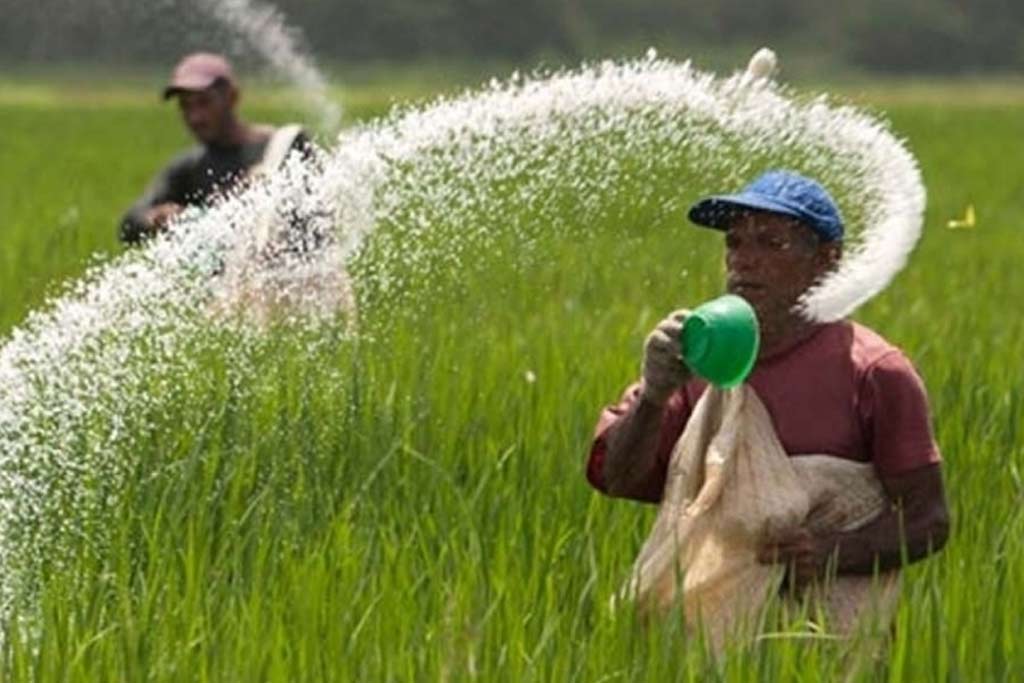
Sri Lanka’s fertilizer shortage is not only a logistical challenge but also a reflection of global economic pressures and domestic policy gaps that continue to strain the agriculture sector. As farmers prepare for the Yala season, escalating fertilizer prices and uncertain supply chains are intensifying concerns about the future of paddy cultivation.
Global fertilizer prices have surged significantly, with current estimates placing costs at around USD 650 per metric ton. At this rate, a standard 50-kilogram bag could exceed Rs. 20,000, making it increasingly unaffordable for small-scale farmers. This sharp rise is driven by international market volatility, energy costs, and geopolitical tensions affecting production and distribution.
Sri Lanka, heavily reliant on imports for its fertilizer needs, is particularly vulnerable to such global disruptions. Much of the country’s fertilizer supply is transported via sea cargo from Middle Eastern nations, including Oman. However, ongoing regional conflicts have introduced new risks to these supply routes, potentially causing delays or even shortages in shipments.
These external pressures are compounded by internal shortcomings. Critics argue that the government has failed to capitalize on domestic resources, particularly the Eppawala phosphate deposit, which could be used to produce fertilizer locally. Developing such resources could reduce dependency on imports and provide a more stable supply for farmers.
The absence of proactive procurement strategies has further aggravated the situation. Despite clear indications of rising demand and limited stocks, authorities have yet to initiate large-scale import processes. This delay raises questions about planning and preparedness, especially given the critical role of agriculture in the national economy.
For farmers, the impact is immediate and tangible. Many are forced to either reduce fertilizer usage or delay cultivation, both of which can significantly lower yields. Others face the difficult decision of incurring high costs with no guarantee of adequate returns, as paddy prices remain relatively stagnant despite rising input expenses.
The broader implications extend beyond individual farmers. Reduced paddy production could lead to higher rice prices, affecting consumers nationwide. In a country already grappling with economic challenges, such developments could exacerbate food insecurity and inflation.
Addressing the fertilizer crisis requires a multifaceted approach timely imports, investment in local production, and policy reforms that support farmers. Without these measures, Sri Lanka risks not only a poor harvest this season but also long-term damage to its agricultural resilience.
As uncertainty looms over the Yala season, the fertilizer shortage serves as a stark reminder of the vulnerabilities within Sri Lanka’s agriculture sector vulnerabilities that demand urgent and sustained attention.