
By: Staff Writer
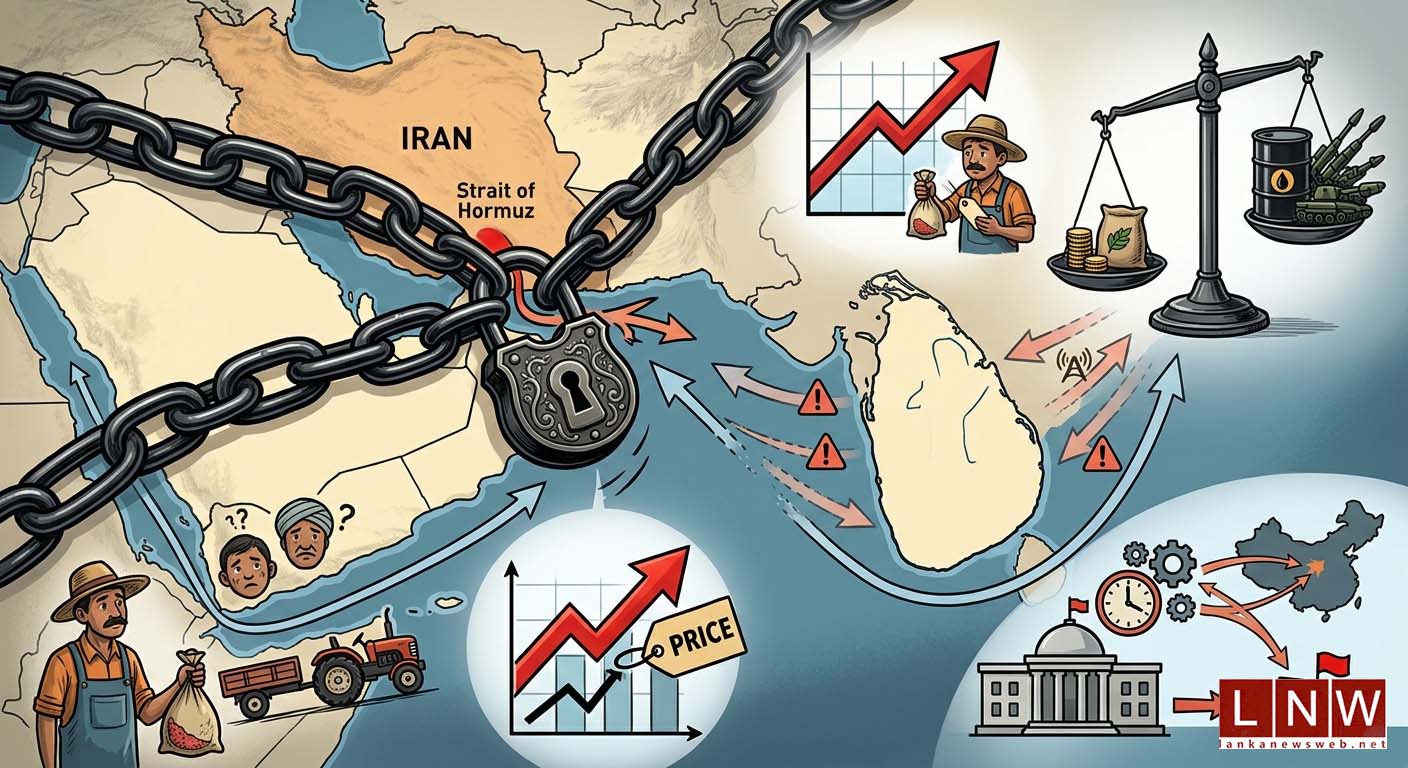
March 30, Colombo (LNW): Sri Lanka is confronting a rapidly escalating agricultural crisis as global geopolitical tensions disrupt vital fertilizer supply chains. The fallout from the US–Israeli conflict with Iran, coupled with the effective closure of the Strait of Hormuz, has triggered severe logistical bottlenecks and price shocks that threaten the country’s food production stability.
According to UN Trade and Development, Sri Lanka ranks among the most vulnerable nations to fertilizer supply disruptions caused by the crisis. Approximately 36 percent of its fertilizer imports transit through the Strait of Hormuz, placing it behind only Sudan and ahead of Australia in exposure risk. With shipping routes destabilized, access to essential inputs like urea has become increasingly uncertain.
The government has attempted to cushion the blow through emergency planning. The Ministry of Agriculture is exploring alternative sourcing, including importing urea from China to bypass Middle Eastern shipping lanes. Historically, Sri Lanka has resorted to similar measures, importing around 25,000 metric tonnes of urea during supply crunches. However, current global conditions are far more volatile.
Prices have surged dramatically. Global urea rates climbed from approximately $470 per tonne to over $584 in early March 2026, with spikes reaching as high as $720 in some markets. Locally, this translates into a steep increase in retail costs. A standard 50kg bag of urea, once priced at Rs. 9,200, could now rise to between Rs. 15,000 and Rs. 20,000, placing immense strain on farmers.
Despite official assurances that fertilizer stocks are sufficient for the ongoing Yala season, skepticism is growing. The National Agrarian Union has challenged government claims, citing deteriorating storage conditions and delays in procurement for the crucial Maha season. Union President Anuradha Tennakoon has openly questioned the credibility of statements made by Deputy Agriculture Minister Namal Karunarathne, who insisted that supplies would remain stable.
The concerns extend beyond mere availability. Storage inefficiencies and unreliable procurement systems are compounding the crisis. The Ceylon Chamber of Commerce has urged authorities to prioritize fertilizer imports urgently, warning against a repeat of the 2021 agricultural collapse that devastated domestic production.
Complicating matters further, shipping insurance premiums in the region have skyrocketed by over 1,000 percent, significantly inflating import costs. As highlighted by geopolitical analyst A.D. Magedaragamage, these additional expenses could add millions to each shipment, intensifying pressure on already strained national finances.
International organizations, including the Food and Agriculture Organization and World Food Programme, are closely monitoring developments. The FAO has already called for substantial financial assistance to support vulnerable farming communities facing renewed shocks.
Sri Lanka’s near-total dependence on imported fertilizers leaves it acutely exposed to global disruptions. Without swift and coordinated intervention, the current crisis risks cascading into a broader agricultural downturn with long-term implications for national food security.