
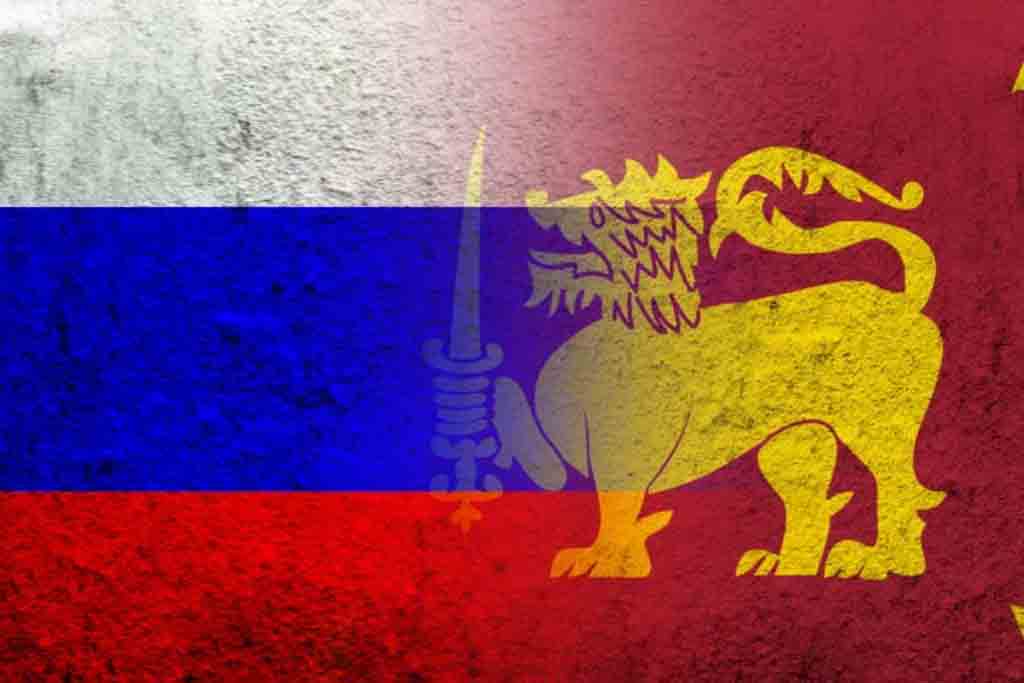
Sri Lanka’s pursuit of energy stability has led it toward a renewed partnership with Russia, but the path forward is far from straightforward. While Russian officials have pledged comprehensive support to meet the island nation’s fuel and gas requirements, the shadow of international sanctions—particularly those associated with the United States raises critical questions about feasibility.
According to the Ceylon Petroleum Corporation, agreements to import both crude and refined fuel from Russia are already in motion. Managing Director Mayura Neththikumarage confirmed that shipments for April and May have largely been secured, with additional deliveries expected in early April. Despite minor delays due to port congestion, officials remain confident that supply levels will be sufficient through the coming months.
The assurances from Russian Deputy Energy Minister Roman Marshavin go beyond short-term relief. Russia has expressed readiness to supply not only fuel, but also coal and gas, and to support broader development initiatives in Sri Lanka. These commitments were reinforced during diplomatic engagements involving Minister Bimal Rathnayake, highlighting a deepening bilateral relationship.
However, the central challenge lies in execution. While Sri Lanka is not directly prohibited from purchasing Russian energy, the global sanctions regime creates indirect barriers. International banking restrictions can complicate payments, while shipping insurers many of whom operate under Western regulations may hesitate to cover vessels carrying Russian oil. These factors can delay or even derail shipments, regardless of agreements between the two countries.
Sri Lanka has previously navigated similar challenges by exploring alternative payment mechanisms, including currency swaps and non-dollar transactions. Yet such arrangements often come with added costs and risks, potentially offsetting the benefits of discounted Russian fuel. Moreover, reliance on a single supplier could expose the country to further vulnerabilities if geopolitical conditions shift.
Another layer of complexity is Sri Lanka’s ongoing engagement with international financial institutions. Maintaining compliance with global financial norms is crucial for securing external funding and sustaining economic recovery. Any perception of circumventing sanctions could strain these relationships, placing policymakers in a delicate balancing act.
Despite these concerns, the potential advantages of Russian assistance are significant. Access to steady fuel supplies at competitive rates could ease domestic pressure, stabilize prices, and support economic activity. In the context of volatile global energy markets exacerbated by conflict in the Middle East such reliability is particularly valuable.
For now, Sri Lanka appears to be cautiously advancing its energy partnership with Russia while monitoring the broader geopolitical landscape. The success of this strategy will depend on its ability to navigate sanctions-related risks without compromising its economic recovery.
In essence, Russian support offers both opportunity and uncertainty. Whether Sri Lanka can transform these assurances into a sustainable energy solution will hinge on diplomacy, adaptability, and the evolving dynamics of global power politic