
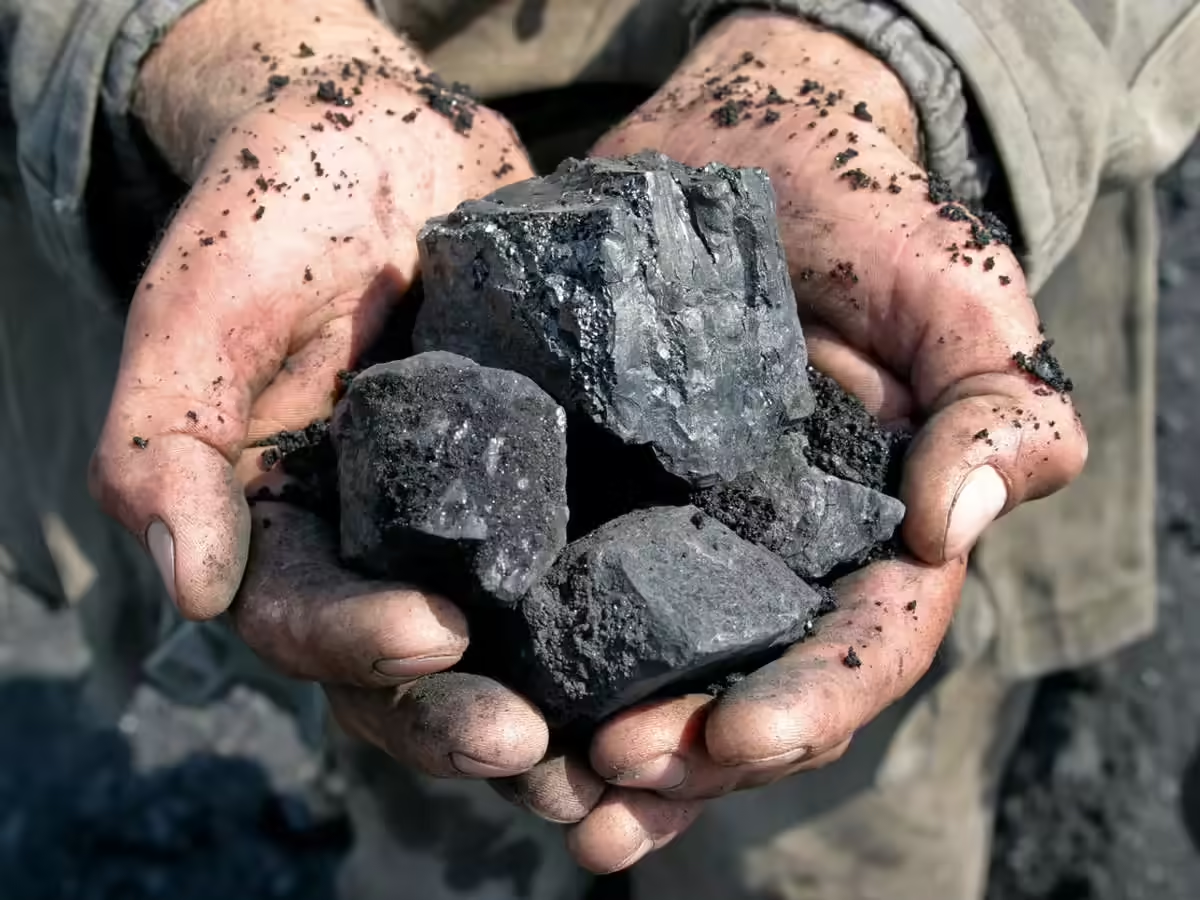
Sri Lanka’s unfolding coal controversy is rapidly escalating into a major political and regulatory crisis, with mounting pressure on authorities over the importation of substandard fuel for the Lakvijaya Power Plant. Allegations of corruption, environmental negligence, and regulatory lapses have triggered parliamentary action and intensified public scrutiny.
At the center of the storm is a coal procurement contract awarded in late 2025, covering 25 consignments scheduled for delivery before April 20, 2026. The deal, reportedly involving India-based supplier Trident Chemphar Ltd, is now under investigation amid claims that quality standards were compromised. Critics argue that the decision to proceed with low-grade coal has exposed systemic failures in oversight and accountability.
The political response has been swift. The opposition, led by the Samagi Jana Balawegaya (SJB), has tabled a no-confidence motion against Energy Minister Kumara Jayakody, set for debate on April 10. The motion cites both environmental damage and financial losses resulting from inefficient power generation.
Regulatory bodies have also raised serious concerns. The Public Utilities Commission of Sri Lanka (PUCSL) has warned that current coal supplies fail to meet mandatory quality verification protocols. This non-compliance could jeopardize the plant’s Environmental Protection License, potentially leading to legal and operational consequences.
Parliament’s Sectoral Oversight Committee on Environment has intervened, directing officials to urgently develop a sustainable ash disposal strategy. However, experts caution that such measures may come too late if the influx of substandard coal continues unchecked.
Complicating matters is the logistical reality of Sri Lanka’s coal supply chain. With monsoon conditions halting unloading operations between April and September, even canceling the current contract may not allow sufficient time to secure alternative shipments. This creates a dilemma: continue using environmentally harmful coal or risk severe power shortages.
On the ground, communities are already feeling the impact. Residents near Norochcholai report increased respiratory problems and concerns over contaminated water sources. Farmers fear that fly ash could infiltrate irrigation systems, damaging crops and livelihoods.
The crisis underscores a broader challenge facing Sri Lanka balancing urgent energy demands with environmental protection and governance integrity. As investigations continue and political tensions rise, the outcome of this dispute will likely shape the country’s energy policy and regulatory landscape for years to come.