
By: Isuru Parakrama
April 06, Colombo (LNW): State LP Gas distributor Litro Gas Lanka Ltd has confirmed an upward revision in the cost of household LP gas cylinders, which came into effect from midnight on April 05.
The adjustment follows a sharp escalation in international gas prices, largely attributed to ongoing geopolitical tensions that have driven up import expenses.
Despite these pressures, the company indicated that it had exercised restraint in revising prices, particularly in view of the approaching Sinhala and Tamil New Year and the mounting financial strain on households. Officials stressed that only a partial increase has been passed on to consumers in an effort to cushion the impact.
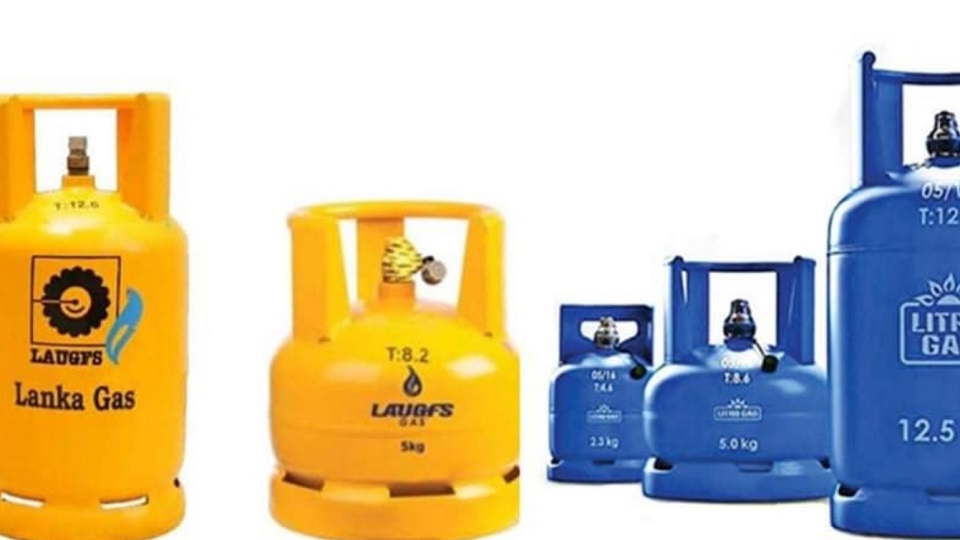
Under the new pricing structure in the Colombo District, a 12.5 kg cylinder now costs Rs. 4,765, reflecting an increase of Rs. 775. Meanwhile, a 5 kg cylinder has risen by Rs. 308 to Rs. 1,910, and a 2.3 kg cylinder is now priced at Rs. 890 after a Rs. 140 increment.
Litro also moved to reassure the public regarding supply stability. The company revealed that approximately 38,000 metric tonnes of LP gas allocated for April remain in offshore storage near the Maldives, ready for distribution. Additional shipments are on the way, including a consignment of 20,000 metric tonnes aboard the vessel Luigi Galvani, currently travelling via South Africa, and another 20,000 metric tonnes being transported from South America by the vessel Freycinet.
With these deliveries in place, Litro expressed confidence in maintaining uninterrupted distribution not only throughout April but into May as well.
In a parallel development, LAUGFS Gas PLC has also raised its domestic cylinder prices, with the changes likewise taking effect from midnight on 5 April. The company cited prevailing global market conditions as the primary reason for the revision.
In Colombo, a 12.5 kg LAUGFS cylinder now retails at Rs. 5,700, marking a substantial increase of Rs. 1,070. The price of a 5 kg cylinder has climbed by Rs. 418 to Rs. 2,280.
LAUGFS stated that it had attempted to absorb as much of the cost increase as possible before revising prices. It further noted that it would continue to monitor international trends closely and adjust prices downward should favourable conditions emerge.