By: Isuru Parakrama
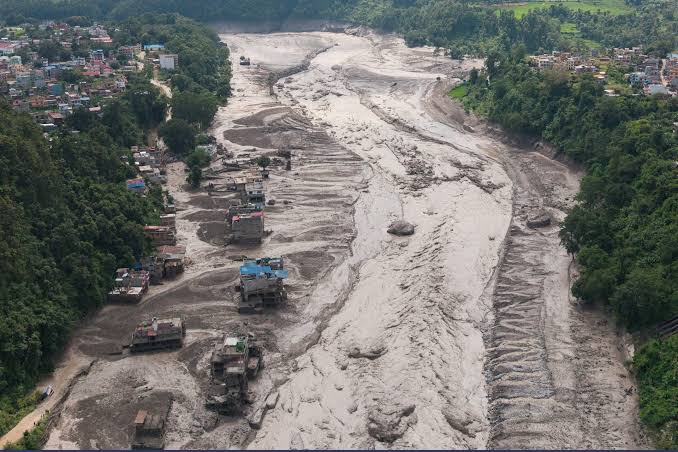
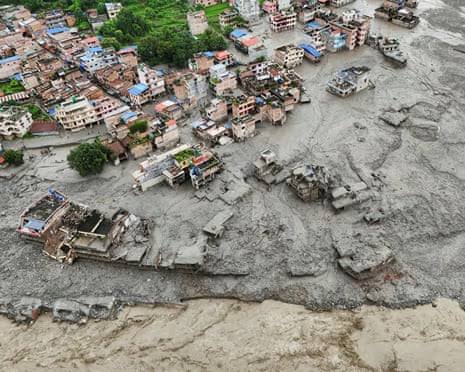
August 27, World (LNW): On August 26, 2026, catastrophic flash floods and landslides struck north-central Nepal, killing at least 162 people and leaving hundreds missing. The disaster occurred along the Bhotekoshi River near the Nepal-Tibet border, with devastating floodwaters sweeping through Rasuwa and Nuwakot districts before flowing down the Trishuli River valley.
Casualties and Missing Persons
- Death toll: At least 162 confirmed deaths in Nepal, with an additional three fatalities reported in China’s Tibet region.
- Missing persons: Initial reports indicate approximately 403 people remain missing, including 341 foreigners.
- Foreign nationals: Among the missing are 133 Indian nationals, nine South Koreans, and citizens of other countries.
Infrastructure Damage
The floods caused extensive damage to Nepal’s critical infrastructure:
Roads and Bridges
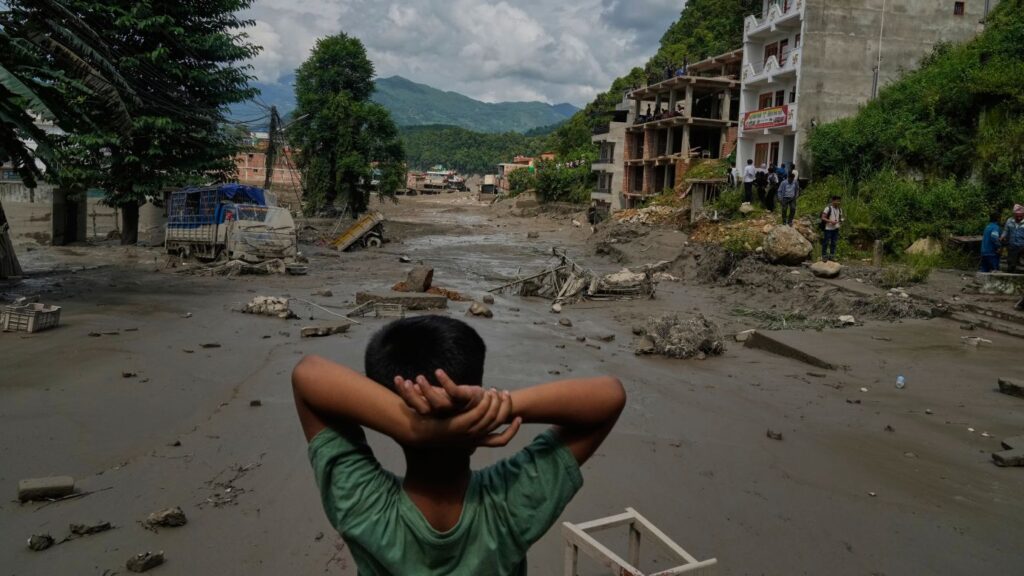
- Bridges destroyed: 19 motorable bridges have been completely destroyed.
- Roads washed away: Approximately 40 kilometres of road networks have been swept away by floodwaters.
- Power supply: The Nepal Electricity Authority reports that hydropower generation capacity of 430 megawatts has been affected.
Hydropower Projects
- Operational projects: Eight operational hydropower projects with a combined capacity of 354 megawatts have been damaged.
- Under-construction projects: Five hydropower projects under construction in Nuwakot and Rasuwa districts have also been affected.
- Total impact: A total of 14 hydropower projects (8 operational + 5 under construction + others) have been impacted.
Financial Loss
- Roads and bridges: Initial estimates place the damage to road and bridge infrastructure at NPR 15 billion.
Geographical Impact
The areas most severely affected by the floods include:
- Rasuwa District: The worst-hit area, with the Gyirong trading port and border areas completely devastated.
- Nuwakot District: The second most severely affected district.
- Trishuli River Basin: Floodwaters flowed through the Trishuli River basin, affecting Chitwan, Dhading, Nawalparasi, Gorkha, and Tanahun districts.
Causes and Nature of the Disaster
The primary causes of this flash flood include:
- Glacier collapse: Reports indicate that a glacier collapse in the Tibet region triggered sudden torrents of water and debris flows.
- Earthquake: A German geoscience body reported a 4.4-magnitude earthquake struck approximately seven minutes before the floods.
- Monsoon rains: Monsoon rains from June to September may have contributed to intensifying the disaster.
International Response
- India: India has sent the first tranche of relief materials to Nepal.
- Rescue operations: The Nepal Army has rescued 88 people so far.
Future Risks
This disaster has caused significant damage to Nepal’s hydropower sector and infrastructure, with recovery efforts expected to take considerable time.