September 14, Colombo (LNW): The procurement process for Sri Lanka’s Multi Lane Free Flow Electronic Toll Collection (MLFFETC) system has been marred by corruption allegations.
The Road Development Authority (RDA), under the Ministry of Transport and Highways, called for bids on April 10 for the installation of an electronic toll system on a Build, Own, and Operate (BOO) basis.
The selected bidder was expected to first deploy the system on the Port Access Elevated Highway and later extend it to other expressways. The bid documents provided conceptual designs and specifications.
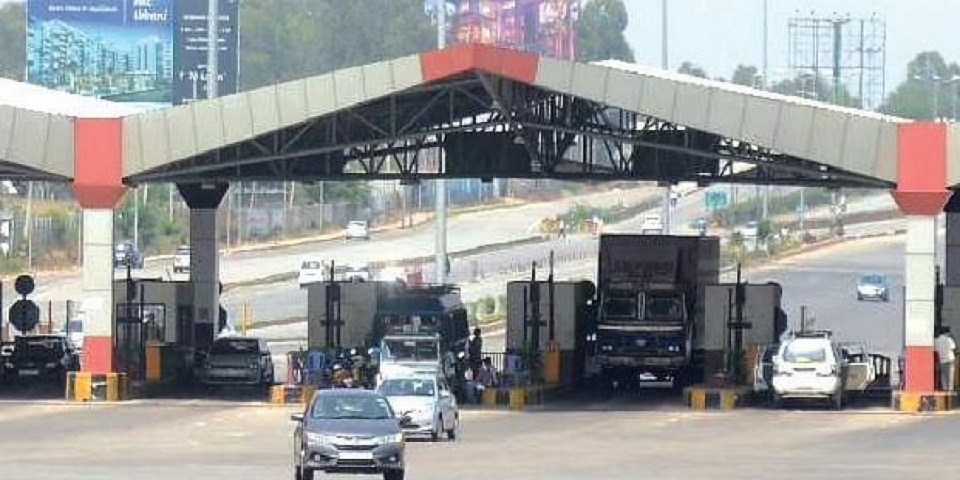
The electronic toll collection (ETC) system is designed to enhance toll payment efficiency by allowing vehicles to pass through without stopping, thus minimizing delays.
It functions by electronically debiting users’ accounts and automatically opening gates as vehicles approach. The initiative was fast-tracked by the Ministry of Highways after reports that up to 20% of toll revenues were being misappropriated by cashiers on expressways, according to a senior RDA official.
The tender process included a public notice in local newspapers and a pre-bid meeting attended by over 15 companies. However, the Request for Proposals (RFP) drew criticism for insufficient information, leading to numerous questions.
The RFP also mandated the installation of CCTV cameras—three per pole at one-kilometer intervals—with a storage capacity of 24 hours of footage for 45-50 days. Experts observed that the emphasis on CCTV requirements seemed disproportionate to the primary focus of the tolling system.
Many bidders were dissatisfied with the RFP specifications, citing hidden or inadequately detailed requirements. Consequently, several interested foreign and local firms chose not to submit proposals for the eight-year project intended to replace manual toll collection with a Multi-Lane Free Flow Toll Collection System.
The RFP specified the use of Radio Frequency Identification (RFID) technology, which includes tags and readers. These RFID tags, introduced to the public since 2019 for vehicle registration, have experienced connectivity issues with readers.
Some bidders alleged that the RFP’s technical details appeared to favor the current supplier of number plates to the Department of Motor Vehicles (RMV).
Ultimately, only three companies submitted bids—two with foreign partnerships and one with a locally developed solution.
Two of these bids were rejected, leaving just one bid under consideration. This remaining bid is from a well-known company with a vested interest in the contract, raising further concerns about the tender process’s fairness.