
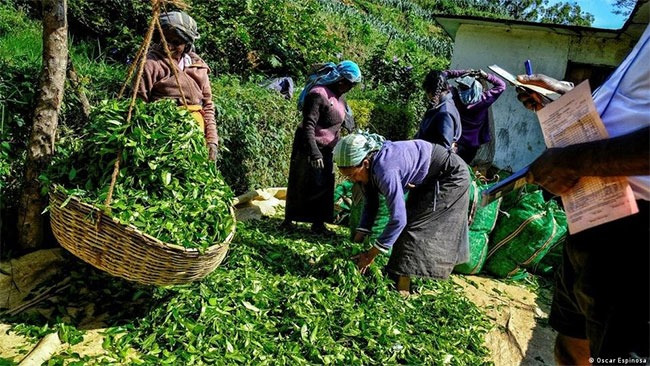
Sri Lanka the plantation companies continued to face financial pressure, including managing lease payments to the government for the land they operate on.
The industry is primarily based on state-owned land, and these companies are required to pay annual lease fees to the government. These payments are a significant part of their operational costs.
A total of 249,843 hectares of land owned by the government had been transferred to 23 local plantation companies on a lease basis for a period of 53 years in the year 1992.
The lease revenue of Rs. 587 million had been in arrears to the government from 10 of those companies as at 31 December 2023, Government Auditor General’s latest report revealed
The lease payments for plantation companies are typically calculated based on the acreage of land they operate and its designated usage (e.g., tea, rubber, coconut cultivation). These fees have been adjusted over the years, and the rates are periodically reviewed by the government, plantation industry sources disclosed. . .
In recent years, there has been a push from the government to increase lease fees, which has added to the financial burden on plantation companies, several heads of plantation companies complained. .
Companies have often expressed concerns about these increases, particularly given the fluctuating international commodity prices, unfavorable weather conditions, and other operational costs that impact profitability.
Plantation companies with large land holdings often face challenges in managing their lease obligations alongside other debts. The significant lease payments can strain liquidity, especially when profits are low due to factors like fluctuating crop yields or high operational costs.
There have been discussions within the industry about the need for a more transparent and fair system for calculating lease payments. Some stakeholders argue that the government should offer more flexibility or reduce fees to help plantation companies sustain their operations and remain competitive.
Eight out of 16 estates owned by the Sri Lanka State Plantation Corporation were in loss condition in the year 2023.
Although there are 09 tea factories attached to the corporation at present, only 03 factories are doing production and 05 factories had been closed for a long time.
One of the tea factories was closed for maintenance from October 2022 and although the Knuckles Bungalow in the disused Gomara Estate was among several sightseeing spots, the corporation had not taken steps to repair and use that bungalow, audit report observed.