
By: Staff Writer
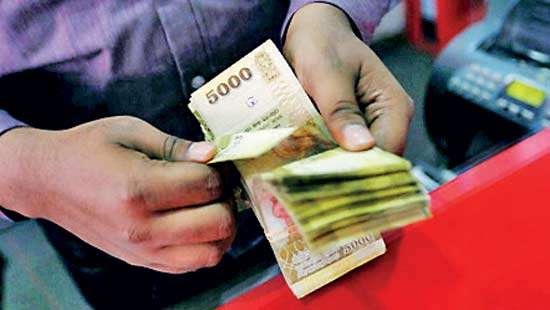
April 24, Colombo (LNW): Sri Lanka is fast-tracking its transition to electronic money and digital transactions in a bid to curb the extensive informal financial sector. With around 45% of the nation’s financial activity taking place outside the formal banking system, the government is moving swiftly to bring these operations under regulatory oversight.
The Ministry of Finance has emphasized that this shift is intended not only to promote financial inclusion but also to strengthen economic efficiency and mitigate the risks associated with unregulated financial practices. This informal sector includes cash dealings, illegal lending operations, and unauthorized digital transfers—practices that, while serving communities with limited banking access, severely challenge financial regulation and transparency.
In response, the Central Bank of Sri Lanka (CBSL) is advancing plans to introduce a Central Bank Digital Currency (CBDC). This government-backed digital currency will offer a secure, traceable, and regulated method of transaction to encourage widespread adoption of e-money. A proof-of-concept for the CBDC was released in 2024, and its findings are expected to shape future integration efforts.
While the Central Bank has not publicly disclosed the full extent of unbanked money, Finance Ministry estimates indicate that approximately Rs. 1.3 trillion circulated outside the formal banking system in 2024. This vast volume of unmonitored capital poses a threat to monetary policy stability, financial oversight, and anti-money laundering efforts.
Economist Prof. Priyanga Dunusinghe of the University of Colombo supports the government’s digital finance agenda, stressing the importance of enhancing digital payment infrastructure and expanding formal banking access—especially in underserved regions. These initiatives, he notes, are vital for reducing financial informality and fostering economic resilience.
In tandem with its digital efforts, the Central Bank has also implemented active monetary policies to absorb excess liquidity. During the first half of 2024, it withdrew about Rs. 546 billion in foreign exchange from the domestic economy to reinforce monetary discipline and curb inflationary pressures.
Digitization offers a host of benefits, including broader financial access, particularly in rural communities, greater transparency through traceable transactions, and reduced costs and delays in processing. For both individuals and businesses, these reforms could lead to more reliable and secure financial practices.
As Sri Lanka undergoes this significant financial transformation, it is vital that regulatory frameworks evolve alongside technological innovation. A forward-looking and inclusive approach will be key to building a more transparent, resilient, and equitable financial system.
