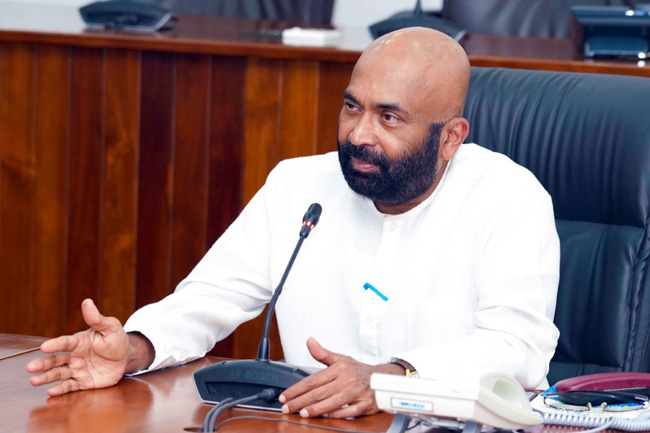
July 17, Colombo (LNW): The Cabinet of Ministers has granted its consent to the proposal on the criteria for minimum qualifications for enrolment of foreign students in 26 degree-awarding institutions in Sri Lanka, Cabinet Spokesman Transport, Highways and Mass Media Minister Dr. Bandula Gunawardhana announced. He was speaking at the weekly Cabinet media briefing held at the Government Information Department yesterday.
The Minister highlighted that five percent of the annual enrolment has been allocated for foreign students in the 17 universities under the University Grants Commission. This move aims to transform Sri Lanka into a knowledge hub by widening opportunities for foreign students to join the 26 degree-awarding institutions recognized under Section 25(A) of the University Act.
It has been identified that there is no definitive procedure to determine the minimum qualifications for university admission required by each country. To address this, the Cabinet approved the proposal presented by the Education Minister. The new criteria will consider the minimum qualification recognized for university admission by the 193 United Nations Member countries as the standard for enrolling foreign students in degree programs offered by institutions under the University Act in Sri Lanka.
Additionally, approval has been granted to validate exceptional opportunities not covered by the aforementioned qualifications through the UK NARIC institution.
July 17, Colombo (LNW): The Joint Apparel Association Forum (JAAF) welcomed the recent decision by the Public Utilities Commission of Sri Lanka (PUCSL) to implement a 25.3% reduction in industrial electricity tariffs, alongside a 27% reduction for domestic customers and a 22.5% overall reduction effective from July 16, 2024.
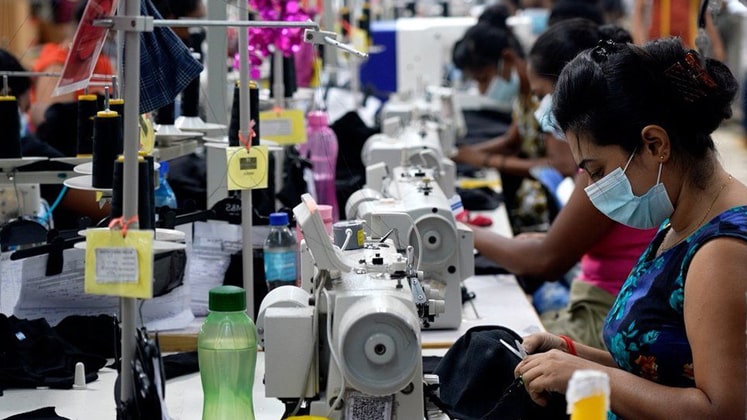
In addition to easing the burden on retail customers, JAAF commended the PUCSL decision for providing much-needed relief to Sri Lanka’s apparel industry, enhancing its competitiveness and supporting economic recovery.
The PUCSL decision was influenced by a submission made by the Ceylon Electricity Board (CEB), which initially proposed no change to the industrial tariff. Following a public consultation last week, where JAAF highlighted that Sri Lanka’s apparel exporters faced some of the highest electricity tariffs among their competitors, the approved reduction now positions Sri Lankan manufacturers more competitively.
Sri Lanka’s apparel industry, which contributes nearly half of the nation’s export earnings, has faced severe challenges due to high electricity costs. In 2022, tariffs soared from Rs. 6.58/kWh to Rs. 34/kWh, leading to a decline in apparel export revenue from US$ 5,591.5 million to US$ 4,535.5 million. The recent tariff reductions will alleviate some of these financial pressures, allowing the industry to stabilize and regain its competitive edge.
“We commend the PUCSL for recognizing the significant challenges faced by the apparel sector and taking decisive steps to reduce industrial electricity tariffs as well as tariffs for SMEs and minor industries, all of which were struggling with the higher rates. This decision is a welcome step in the right direction that will prove crucial for maintaining the competitiveness of Sri Lankan exports, supporting a broad-based economic recovery,” JAAF Secretary General Yohan Lawrence said.
JAAF remains committed to working closely with PUCSL, CEB, and other stakeholders to promote policies that support the apparel industry and the broader economy. By continuing to address systemic issues in energy policy and advocating for fair and sustainable practices, JAAF aims to ensure that Sri Lanka’s apparel sector remains competitive on the global stage.
Another key point in JAAF’s submissions to the PUCSL was its call for the urgent implementation of a rigorous least-cost generation plan using transparent competitive bidding processes for power purchase agreements. JAAF emphasized the need for policymakers to ensure that the country’s natural resources, such as wind and solar, are effectively leveraged at the lowest cost to support a sustainable transition to renewable energy. JAAF further noted that consistent and wide overestimation in the tariff forecasting for cost recovery submitted by the Ceylon Electricity Board (CEB) has driven retail and industrial tariffs unnecessarily higher.
In addition to placing a direct and undue burden on citizens of Sri Lanka, JAAF highlighted that these major inaccuracies in the tariff forecasting model had eroded the competitiveness of Sri Lanka’s apparel exports.
“Accuracy in the tariff forecasting model is an absolute must. While we are deeply grateful for the decision to reduce tariffs, we must also reiterate that the tariff increase in October 2023 was based on inaccurate forecasting and resulted in the CEB making a substantial profit of Rs. 61 billion in Q3 2023 and Rs. 58 billion in Q1 2024. While such significant profits eventually created clear space for a tariff reduction, it is fairer for all customers when tariffs are based on accurate forecasting at the outset,” Lawrence stated.
JAAF also reiterated support for policies aimed at scaling up renewable energy to supply 70% of the national grid by 2030, noting that such a transition remains vital for meeting the demand of global brands for decarbonization while ensuring sustainable energy pricing.
July 17, Colombo (LNW): State Finance Minister Dr. Ranjith Siyambalapitiya announced yesterday that the President’s Fund has increased the financial assistance provided to patients from 50% to 100%, ensuring that payments are made within a week of receiving the application.
The State Finance Minister made these remarks while responding to questions from journalists at a ceremony held in Kegalle yesterday to present scholarships and school bags to selected schoolchildren in the district. Over 3,750 schoolchildren benefited from this programme.
“Every patient receives 100% of the required funds, with payments processed within a week of receiving the application,” he said.
Siyambalapitiya added that the President’s Fund provides scholarships to 11,600 children in need across the country. “Two years ago, the President’s Fund primarily focused on health, particularly heart surgery patients. In 2022, there were 8,000 requests from kidney patients and all funds were disbursed,” he said.
He added that the President’s Fund has selected deserving schoolchildren for the Presidential Scholarship Programme through a transparent process. Children from Kegalle, Mawanella, and Dehiowita areas have been chosen through the intervention of regional offices. “This change needs to be established across the country,” he said.
The ceremony was attended by North Central Province Governor Mahipala Herath, Foreign Affairs State Minister Tharaka Balasuriya, MPs Rajika Wickramasinghe, Udayakantha Gunathilaka, and Sudath Manjula, Sabaragamuwa Provincial Education Director Darshani Iddamalgoda, and Kegalle District Secretary Ranjana Jayasinghe, among others.
July 17, Colombo (LNW): The Committee on Ways and Means has expressed significant dissatisfaction with the Excise Department for not implementing the recommendations to collect a total tax amount of Rs. 1.1 billion from liquor manufacturers for the year 2023.
Despite being instructed on April 24 to collect these arrears by June 30, the Department has failed to take appropriate measures.
At a committee meeting held last week at Parliament, chaired by MP Patali Champika Ranawaka, it was revealed that the Finance Ministry had not responded to inquiries made by the Excise Department on May 24 regarding inconsistencies in excise duty collection agreements.
The committee learned of substantial tax arrears owed by several companies: W.M. Mendis & Co. Ltd. (Rs. 1,659 million), Higurana Distilleries (Rs. 102 million), Synergy Company (Rs. 37 million), and Wayamba Distilleries (Rs. 79 million). In total, tax arrears from 2023 up to June 15, 2024, amount to Rs. 1.8 billion.
The committee emphasized that both Parliament and the public would be informed about the Excise Department’s failure to meet its obligations. Payment agreements with companies, other than W.M. Mendis, have lapsed, and the Commissioner General of Excise was criticized for not taking necessary action and avoiding the committee.
Chairman Ranawaka highlighted that the Excise Department’s disregard for the committee’s recommendations was disrespectful to both Parliament and the committee. Consequently, the committee instructed the Secretary to send a written notice to the Finance Ministry to temporarily suspend the licenses of alcohol producers who have not paid their 2023 excise duty arrears.
The committee also criticized the Excise Department’s leniency towards liquor manufacturers who have not paid the required excise duty while continuing to levy taxes on the general public. Additionally, the committee blamed the Finance Ministry for not implementing recommendations from four previous committee meetings.
Other issues discussed included the flooding at the Kandy railway station due to an inadequate drainage system, which requires urgent maintenance and repairs. The committee advised submitting proposals to the District Coordinating Committee and seeking assistance from the World Bank.
Furthermore, the committee examined a petition concerning the provision of muddy water to residents in the Avissawella area by the National Water Supply and Drainage Board. Discussions indicated that both authorized and unauthorized gem mining caused the issue, prompting a request for a list of licensed gem mining activities related to the Getaheththa canal from the National Gem and Jewelry Authority (NGJA).
July 17, Colombo (LNW): AIA Sri Lanka said it continues to lead the way in digital innovation within the insurance industry, setting new benchmarks for customer convenience and technological advancement.
Demonstrating its commitment to transforming the insurance landscape through cutting-edge technology, AIA Sri Lanka was honoured with four prestigious Information Technology awards, highlighting its dedication to providing unparalleled customer experiences.
At the esteemed Insurance Asia Awards last year, AIA Sri Lanka was honoured as the winner of the “Digital Transformation Initiative of the Year”.
This prestigious recognition, awarded at a prominent regional awards ceremony, celebrates the company’s transformative efforts and reflects its unwavering dedication to empowering both employees and customers through digital innovation across Asia.
Further cementing its position as a technological leader, AIA Sri Lanka received the title of “Most Effective Adoption of Technology” at the ICC Emerging Asia Insurance Awards.
This accolade underscores the company’s expertise in utilising advanced technologies to enhance operational efficiency and drive sustainable growth in the dynamic insurance market of emerging Asia.
AIA Sri Lanka’s technological advancements have also significantly contributed to sustainability. The company earned the prestigious Zero Waste and Efficient Resource Utilisation, Waste Reduction Award at the ESG Business Awards organised by Charlton Media Group.
This recognition highlights AIA’s innovative IT system developments that have substantially reduced paper usage, printing materials, and e-waste through digital solutions.
Additionally, AIA Sri Lanka’s prowess in data-driven decision-making was recognised at the FITIS Awards, where it secured the Bronze Award for Best Use of Data and Insight. This honour reflects AIA’s dedication to leveraging data insights to enhance customer interactions, ensuring exceptional service and tailored solutions.
AIA Sri Lanka Chief Technology Officer Umeshi De Fonseka, expressed heartfelt appreciation to AIA’s customers, partners, and employees for their support and dedication.
“These awards are a testament to our relentless pursuit of excellence and our commitment to putting our customers at the heart of everything we do. We remain steadfast in our mission to drive digital innovation, foster meaningful connections and create positive impact in the communities we serve.”
AIA Sri Lanka said as it celebrates these significant milestones, the Company looks forward to continuing its journey of digital transformation, driving innovation, and delivering unmatched value to customers across Sri Lanka.
With a focus on customer centricity and technological advancement, AIA Sri Lanka is well poised to shape a future characterised by prosperity, resilience, and wellbeing.
July 17, Colombo (LNW): Sri Lanka’s manufacturing and services sectors continued to expand in June, with expectations of a sustained recovery in the economy, according to a Purchasing Managers’ Index compiled by the central bank.
ri Lanka Purchasing Managers’ Index for Manufacturing (PMI – Manufacturing) recorded an index value of 56.6 in June 2024, indicating an expansion in prdocuction . All sub-indices, except for employment, rose above the neutral threshold during the month, resulting in an overall increase in the index value.
“The expansion in New Orders and Production was mainly due to the growth in the manufacture of food and beverages sector,” a statement said.
Sri Lanka Purchasing Managers’ Index for Manufacturing (PMI – Manufacturing) recorded an index value of 56.6 in June 2024, indicating an expansion in manufacturing activities.
All the sub-indices, except for employment, remained above the neutral threshold during the month.
The expansion in New Orders and Production was mainly due to the growth in the manufacture of food and beverages sector. Stock of Purchases also expanded, in line with the increase in New Orders and Production.
However, Employement remained contracted during the month, as the firms are still cautious about refilling the vacant positions.
Meanwhile, Suppliers’ Delivery Time further lengthened in June, mainly attributable to the congestion in the major shipping ports.
Sri Lanka Purchasing Managers’ Index for Services (PMI – Services) indicated a further expansion in services activities in June 2024 as reflected by the Business Activity Index, which recorded an index value of 63.5.
The expansion in Business Activities was driven by the improvements observed across most sectors. Business activities in the wholesale and retail trade grew due to Haj festive season.
Further, business activities in the transportation services, financial services and other personal services also experienced a considerable growth during the month.
However, business activities in the accommodation, food and beverages services remained at the same level as in the previous month in line with the sluggish tourist arrival during off-season.
New Businesses increased in June, particularly with the increases observed in financial services and other personal service activities. Employment increased in June due to new recruitments made by several companies. Meanwhile, Backlogs of Work continued to decline during the month.
July 17, Colombo (LNW): Government is to gazzete new regulations within the next two weeks on speed limits, aimed at reducing road accidents, within the next two weeks State Transport Minister Lassantha Alagiyawanna announced
He emphasized that ongoing strikes are politically motivated rather than driven by genuine professional concerns. The National Council for Road Safety has allocated Rs. 50 million to the Sri Lanka Police for speed control equipment.
He mentioned that teachers will receive manuals to establish Road Safety Clubs in schools, which will be part of extracurricular activities, including a medal awarding program. Additionally, the Public Service Commission has approved the promotion of station masters every five years, and the necessary Cabinet paper for this has been prepared.
The ministry has initiated several programs to enhance transport sector efficiency, including the opening of the Kadawatha bus terminal in August, featuring modern transport management methods and advanced technology.
Alagiyawanna highlighted the alarming number of road accidents, with 2,214 incidents resulting in 2,321 deaths in 2023, and 1,103 accidents with 1,154 fatalities reported in the first half of 2024. Various programs have been implemented to reduce road accidents.
However, Alagiyawanna noted that the current strikes are politically motivated. The minister also cited statistics showing that between 2016 and 2023, road accidents resulted in 20,728 deaths in 223,451 accidents, with an average of eight daily fatalities.
The motor traffic death rate in Sri Lanka, at over 120 per 1 million inhabitants, is significantly higher than in countries like the United States (13) and Japan (3), according to OECD data. The WHO reports that approximately 1.3 million people die annually in road traffic crashes worldwide, with a significant economic impact.
Alagiyawanna stated last year that the government plans to introduce a demerit points system for traffic offenses, expected to be implemented from January 1, 2024. Under this system, a driver accumulating 24 demerit points will have their license cancelled immediately.
The NCRS has allocated Rs. 50 million to the Police for speed-control equipment and plans to set up Road Safety Clubs in schools to educate students on road safety.
A study published in 2022 identified major causes of road accidents, including overtaking, speed driving, alcohol consumption by drivers, pedestrian negligence, and vehicle mechanical faults. Additional factors include driver age and road conditions.
A recent health checkup revealed that SLTB employees, including drivers, in Kuliyapitiya are at high risk for hypertension, highlighting the stressful nature of Sri Lanka’s public transport sector. This stress likely affects private bus crews as well, who often engage in dangerous races and conflicts with passengers.
Therefore, road discipline cannot be established solely with speed limit equipment and regulations. The issue has deeper root causes that require a comprehensive scientific approach and firm commitment for effective resolution.
July 17, Colombo (LNW): The Election Commission was empowered to proclaim the date for the Presidential Election after midnight on Tuesday (16).
The Election Commission stated it will declare the Presidential Election in Sri Lanka by the end of July. Several documents related to the election have already been handed over for printing.
A meeting is scheduled for Wednesday (17) morning between officials from the Ministry of Finance and members of the Election Commission to discuss the provision of the relevant funds. The estimated cost for the Presidential Election is Rs. 10 billion, and the discussion will focus on the timely release of funds from the Treasury.
The Department of Government Printing, the Inspector General of Police, and the Post Master General were also summoned to the Election Commission to discuss matters related to the Presidential Election.
On Wednesday (17), a group of United National Party representatives are set to meet with the Chairman of the Election Commission. Additionally, representatives of the Sri Lanka Podujana Peramuna met with members of the Election Commission on Tuesday (16).
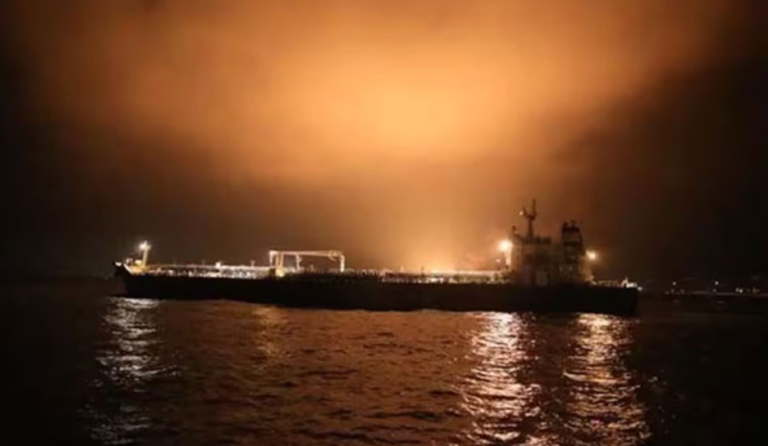
July 17, Colombo (LNW): Sixteen crew members, including three Sri Lankan nationals, are missing after their Comorian-flagged oil tanker capsized off the coast of Oman, the sultanate’s Maritime Security Centre (MSC) reported on Tuesday.
The MSC, which operates under the Omani Defence Ministry, announced on social media platform X that the “Comoros-flagged oil tanker capsized” southeast of Ras Madrakah in the country’s center.
Search and rescue operations are currently underway, though further details have not been provided.
The vessel, identified as the Prestige Falcon, had 16 crew members on board, including 13 Indian nationals and three Sri Lankans. The MSC confirmed, “The crew of the ship are still missing.”
The Prestige Falcon was en route to the Yemeni port city of Aden, according to the ship tracking service MarineTraffic. The tanker, built in 2007, sails under the flag of the Comoros.
Houthi militants, who have controlled parts of Yemen since 2014, have been targeting ships bound for Israeli ports or those owned by Israeli companies in the Red and Arabian seas and Indian Ocean for months, citing retaliation for Israeli attacks in the Gaza Strip.
As a result, major shipping companies have been avoiding this route and instead opting for the much longer journey around South Africa’s Cape of Good Hope.
Based on a concept of President Ranil Wickremesinghe, freehold land deeds were presented unconditionally and free to war heroes who sacrificed their lives and limbs during active service to protect the country’s sovereignty, as well as to their dependents, for lands currently occupied by them.This initiative, conceptualized by President Ranil Wickremesinghe, aims to affirm the right to a plot of land for these war heroes of the Tri-forces, Police and CSD, ensuring every inch of the country remains free from fear and doubt.
Samagi Jana Balawegaya (SJB) Chairman, Field Marshal Sarath Fonseka, says he is still on the fence on contesting the upcoming Presidential elections but is willing to take the challenge and put the country back on track. Asked how he intends to put the country back on the right track, Fonseka responded saying there is a need to fight corruption and also bring about discipline in the country.
The proposal on obtaining approval for the amendments proposed by the Sectoral Oversight Committee to the Animal Welfare Bill has received Cabinet approval. Cabinet approval was granted in January 2022 to submit the Animal Welfare Bill to the Parliament, after which it was presented to the Parliament. The Bill was then forwarded to the Food Safety and Agriculture Sectoral Oversight Committee for recommendations, where the committee had proposed several amendments.
The Minister of Power and Energy, Kanchana Wijesekera highlighted that following the revision of electricity tariffs, there is potential for a reduction of approximately 20% in the prices of goods and services in the market. The Minister further urged the business community to alleviate the burden on the public by lowering prices, starting from midnight on the day of the electricity tariff adjustment, coinciding with the reduction in electricity bills.
The Teacher-Principal Trade Union Alliance has decided to launch a work-to-rule campaign for two weeks starting from July 22. Accordingly, the trade unions have decided to withdraw from all activities outside the scope of their school-related duties.
The Cabinet of Ministers has approved the proposal to publish the draft bill prepared to increase the fines mentioned in the Criminal Procedure Code, in the government gazette notification and subsequently present it to the Parliament for approval.
Sixteen crew members including three Sri Lankan nationals were missing after their Comorian-flagged oil tanker capsized off the coast of Oman, the sultanate’s Maritime Security Centre (MSC) said. The MSC, which is run by the Omani Defence Ministry, said in a post on social media platform X that a “Comoros-flagged oil tanker capsized” south-east of Ras Madrakah in the country’s centre.
The All-Ceylon Restaurant Owners’ Association says that a decision has been taken to reduce the prices of multiple food items as a result of the reduction in electricity tariffs. President of the association Harshana Rukshan stated that accordingly the price of a normal rice parcel will go down by Rs. 25. Meanwhile, prices of ‘Fried Rice’ and ‘Kottu’ will also be reduced by Rs. 25, while the prices of ‘Parathas’, ‘Egg Rotis’ and short eats will be reduced by Rs. 10. The price of a Plain Tea is to be reduced by Rs.05.
Award winning celebrity baker Tharshan Selvarajah made history today as the first Sri Lankan to carry the Olympic Torch for the 2024 Paris Olympics. A number of French-Sri Lankans had lined the streets of Paris to cheer Tharshan as he carried the Olympic torch according to the Embassy of Sri Lanka in France.
Maheesh Theekshana of Galle Marvels has offered his Man-of-the-Match Award for the Indira Cancer Trust, an entity engaged in creating awareness about breast cancer. Theekshana donated the US$1,500 he won during the Lanka Premier League game between the Dambulla Sixers and the Galle Marvels on July 14, 2024.