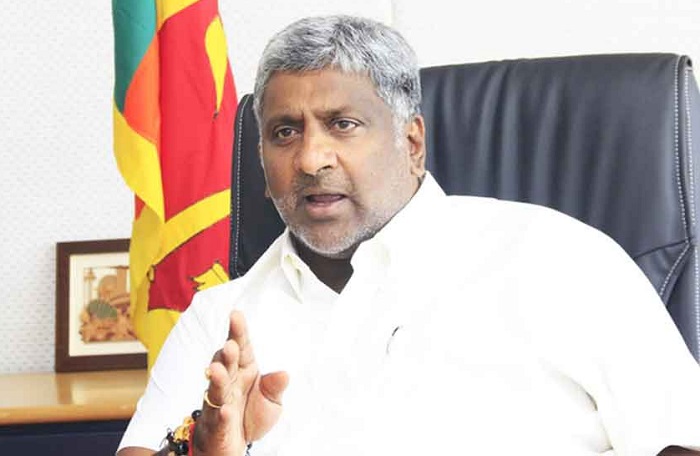
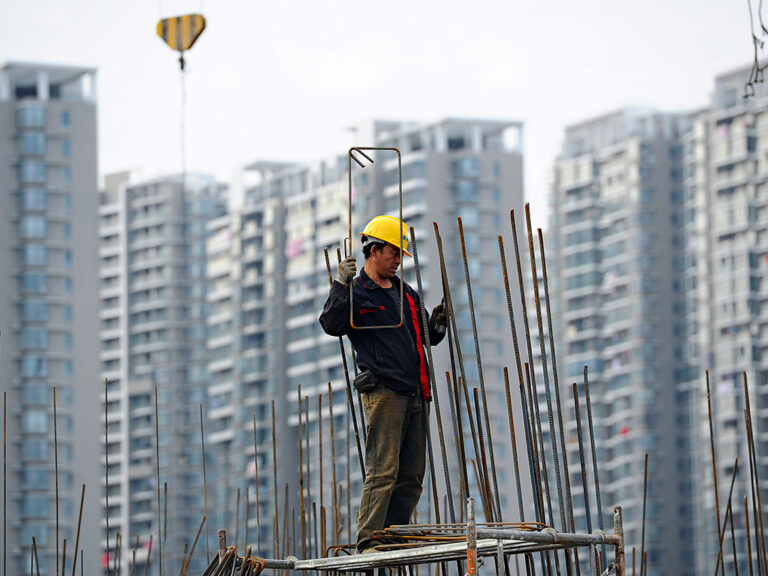
July 02, Colombo (LNW): The Government has successfully settled an outstanding debt of Rs. 200 billion owed to construction contractors, Urban Development and Housing Minister Prasanna Ranatunga announced yesterday (02).
This debt had accrued due to the Covid-19 pandemic and the ensuing economic crisis.
Ranatunga highlighted that the Government is now addressing unpaid bills for several contractors, which had previously been delayed due to technical issues.
The construction industry accounts for approximately 8 to 9 per cent of Sri Lanka’s Gross National Product, employing about 20 per cent of the population.
Following directives from the President, five committees comprising government officials, industry experts, and contractors were established to revitalise the construction sector, which had suffered greatly due to the pandemic and economic downturn.
These committees proposed around 50 measures to rebuild the construction industry.
The Government has prioritised 14 areas for immediate enhancement. Minister Ranatunga also stated that a new policy to promote the construction sector is being developed and has been presented to the Cabinet of Ministers.
Furthermore, registration for construction contractors has commenced without late fees.
In response to a request from the National Construction Association, small and medium contractors (C4-C9) who were unable to register before 2020 will now have the opportunity to re-register for three years.
The Construction Industry Development Authority (CIDA) has waived late fees for these contractors, simplifying the registration process.
In addition, CIDA has facilitated NVQ certification for approximately 7,000 construction workers in trades such as masonry, carpentry, plumbing, and tiling over the past five years, at a cost of Rs. 485 million.
The programme for issuing ID cards to skilled craftsmen with NVQ qualifications across 26 craft categories is ongoing, with around 300 ID cards issued so far.
CIDA also reported that 1,386 construction machine operators have been trained at the Anuradhapura, Galkulama Construction Machinery Operators’ Training College, and 814 at the Battaramulla, Pelawatta Construction Machinery Training Centre over the last five years.
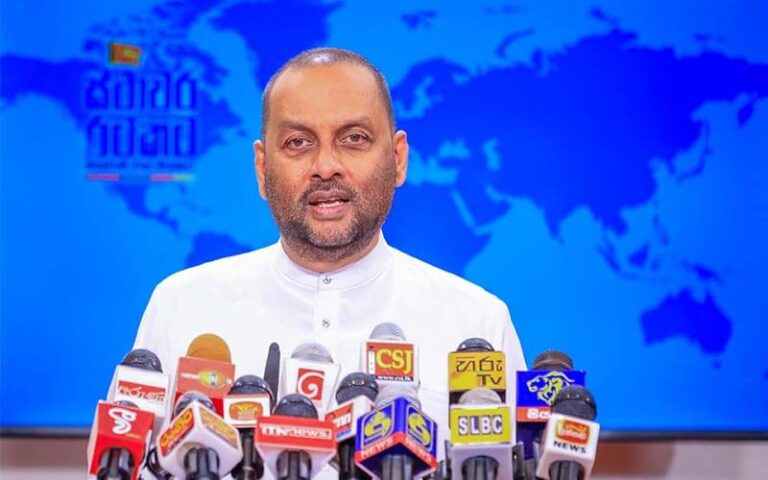
July 02, Colombo (LNW): Under the guidance of the United Nations Conference on Trade and Development (UNCTAD), the World Food Programme (WFP) will supply 55,000 metric tonnes of Muriate of Potash (MOP) fertiliser to Sri Lankan farmers at no cost, announced Agriculture and Plantation Industries Minister Mahinda Amaraweera.
This allocation of fertiliser is designated for paddy cultivation over the next two cropping seasons. The Government of Sri Lanka will receive this fertiliser through the WFP initiative.
Minister Amaraweera highlighted this development during a discussion on the National Fertiliser Programme held at the Agriculture and Plantation Industries Ministry on the 1st of July.
He noted that the absence of MOP fertiliser, crucial for paddy cultivation, leads to yellowing of crops and stunted growth of panicles.
It has been observed that many farmers do not utilise MOP fertiliser, with only 400 metric tonnes sold during the current Yala season.
Previously priced at Rs. 14,000, the cost of MOP fertiliser has been reduced to Rs. 9,000 by government-owned fertiliser companies since the last Maha season, following the Minister’s directive.
However, the distribution of this fertiliser is estimated to incur costs of Rs. 3.5 billion, covering VAT and operational expenses.
Specifically, Rs. 1.1 billion is allocated for utility costs and Rs. 2.4 billion for VAT.
Minister Amaraweera confirmed that Cabinet approval has been secured to cover these expenses.
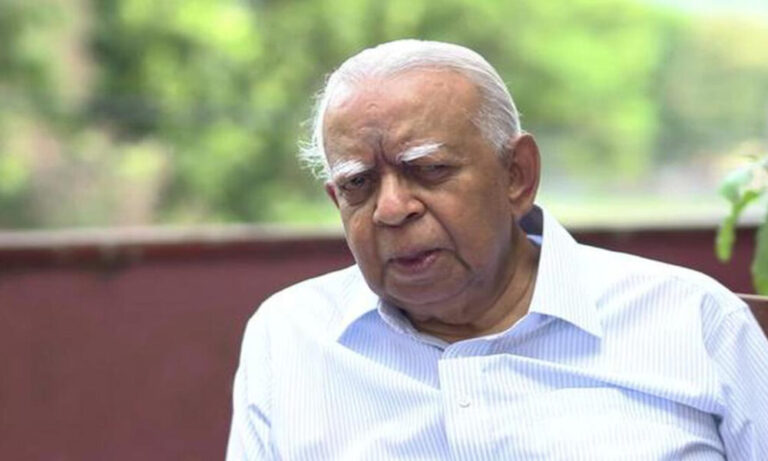
July 02, Colombo (LNW): The remains of distinguished politician and former Tamil National Alliance (TNA) Leader R. Sampanthan will be brought to Parliament tomorrow (03).
His body will lie in state in the Assembly Hall of Parliament from 2:00 pm to 4:00 pm on July 03, allowing members and staff to pay their respects.
The Committee on Parliamentary Business decided yesterday to bring R. Sampanthan’s remains to Parliament on July 03, Secretary General of Parliament Kushani Rohanadeera announced.
Consequently, Parliamentary sittings will not be held on that day, she added.
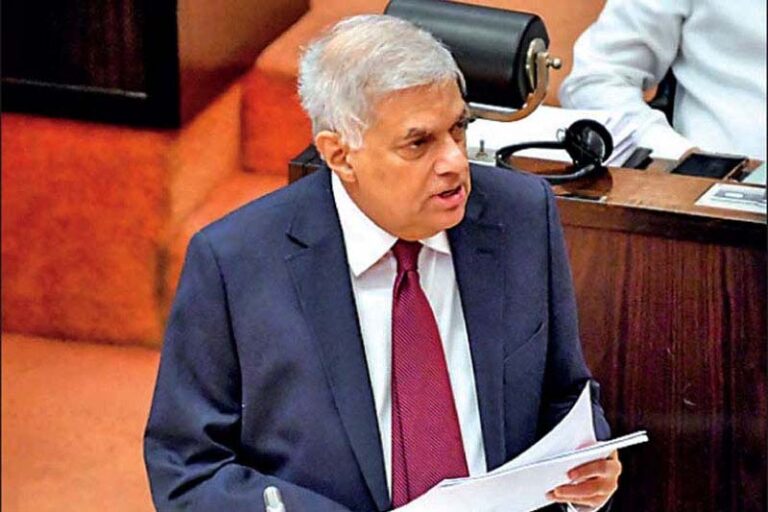
Additionally, the Secretary General stated that the Committee on Parliamentary Business has resolved to present only a special statement from the President regarding the Resolution for the Implementation of External Debt Restructuring Agreements.
The debate on the related resolution, initially scheduled for today, will not take place.
July 02, Colombo (LNW): Approximately four Sri Lankans die every three hours due to various accidents, with around 35 fatalities occurring daily, Dr. Samitha Siritunga, a Community Medicine Consultant from the Department of Non-Communicable Diseases, disclosed.
Annually, about one million individuals are hospitalised due to accidents, he noted speaking at a briefing organised by the Government Information Department.
Dr. Siritunga highlighted the Health Ministry’s initiatives planned for the week of July 1 to July 5.
He noted that accident victims often seek treatment from outpatient departments, private hospitals, as well as Ayurvedic and traditional medicine practitioners.
He mentioned that one in five people requires medical attention for an accident at some point in their life.
Two to three individuals die daily from drowning, with approximately 800 drowning deaths annually, Dr. Siritunga went on, adding that in addition to road accidents, a significant number of fatalities result from falls and drowning.
Dr. Siritunga stated that around 12,000 deaths occur each year due to accidents. He emphasised that those most affected by accidents are the key contributors to the economy, resulting in substantial economic losses and increased government expenditure on medical treatments.
Statistics show that roughly 50 percent of outpatient treatments are for domestic accidents, 25 percent for road accidents, and 10 percent for workplace injuries.
He concluded by asserting that experts believe all accidents are preventable and that changes in attitudes and behaviours can significantly reduce the incidence of accidents.
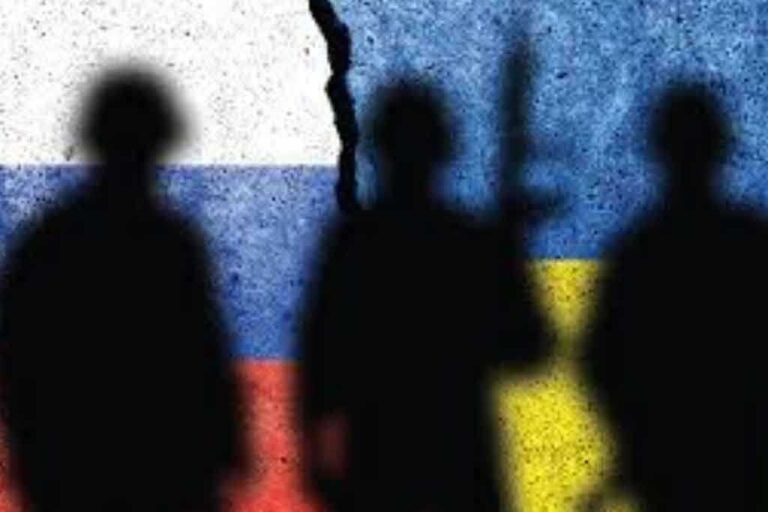
July 02, Colombo (LNW): The release of 465 Sri Lankan military personnel who enlisted in the Russian army has encountered legal complications, it was reported.
Russian authorities have indicated that Sri Lanka’s request for their release will be considered later, alongside requests from other foreign nationals serving in Russia, an official said yesterday.
Some of these Sri Lankans have obtained Russian citizenship, as revealed during discussions with Russian officials, a report by Daily Mirror citing comments from Dr. Saman Weerasinghe, former Sri Lankan Ambassador to Russia, who was part of the recent Sri Lankan delegation to Russia, disclosed.
“Under Russian law, dual citizenship is not permitted. Consequently, some of these individuals are now Russian nationals, which restricts our ability to request information about them,” he explained.
Russia has not disclosed the exact number of military personnel who have received Russian citizenship.
Additionally, Dr. Weerasinghe mentioned that others had signed a Memorandum of Understanding (MoU) when joining the military, which stipulates that withdrawal is only possible on medical grounds.
“A medical appeal must be reviewed by a panel, adding another layer of difficulty in securing their release,” he added.
Dr. Weerasinghe said Sri Lanka requested the repatriation of these individuals based on the bilateral goodwill between the two nations, noting that they had joined the Russian military due to economic hardships at home.
“With approximately 10,000 foreign nationals fighting in Russia, it is challenging for Russia to grant an exemption solely for Sri Lanka. They will consider Sri Lanka’s request in conjunction with those of other countries in the future,” he said.
Meanwhile, Russia has halted recruitment from Sri Lanka as of May. Russia has also agreed to pay compensation of 13 million Russian rubles (Rs. 45.5 million) for each of the 17 Sri Lankans killed in combat and 3 million rubles (Rs. 10.5 million) for the wounded. Additionally, family members will be allowed to travel to Russia for funerals.
The delegation, led by Foreign Affairs State Minister Tharaka Balasuriya, included MPs Dayasiri Jayasekera and Gamini Waleboda, Defence Ministry Secretary Gen. Kamal Gunaratne, Charge d’Affaires of Sri Lanka to Russia Ambassador P. M. Amza, Additional Solicitor General Harippriya Jayasundara, and Director General of Consular Affairs, Ministry of Foreign Affairs, Sisira Senavirathne. They held discussions with Deputy Minister of Foreign Affairs of the Russian Federation, Andrey Rudenko, and Deputy Minister of Defence of the Russian Federation, Colonel General A. V. Fomin.
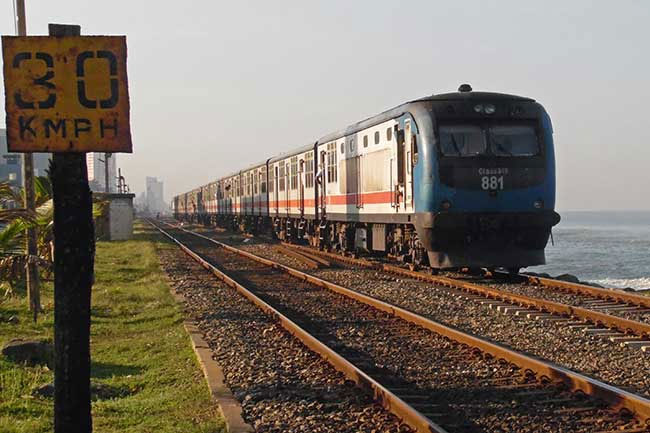
July 02, Colombo (LNW): The Railways Department has announced delays in train services on the coastal line due to damage between Bambalapitiya and Wellawatte.
As a result, train operations have been restricted to a single track, causing significant delays.
Deputy General Manager of the Railways Department, N.J. Indipolage, confirmed that measures are underway to begin repairs on the damaged track.
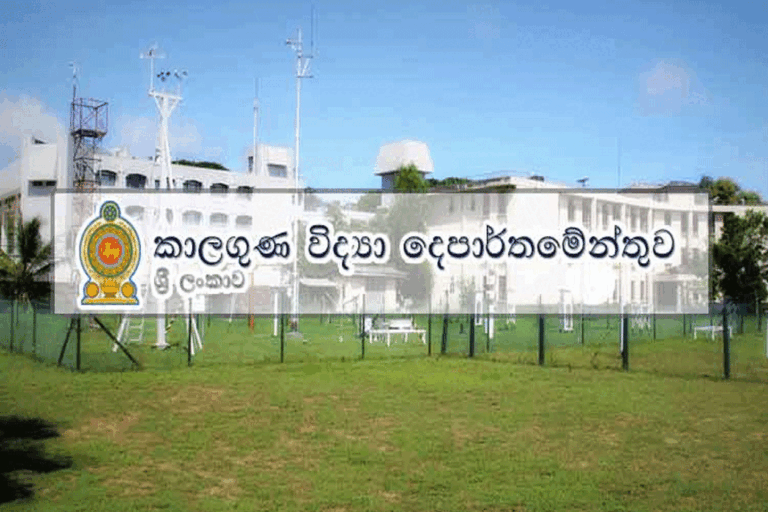
July 02, Colombo (LNW): Several spells of showers will occur in Western, Sabaragamuwa and North-western provinces and in Kandy, Nuwara-Eliya, Galle and Matara districts, with showers or thundershowers being expected to occur at several places in Uva province and in Ampara and Batticaloa districts in the evening or night, the Department of Meteorology said in its daily weather forecast today (02).
Strong winds of about (40-50) kmph can be expected at times over the Western slopes of the central hills, Northern, North-central and North-western provinces and in Trincomalee and Hambantota districts.
General public is kindly requested to take adequate precautions to minimise damages caused by temporary localised strong winds and lightning during thundershowers.
Marine Weather:
Condition of Rain:
Showers will occur at several places in the sea areas off the coast extending from Puttalam to Matara via Colombo and Galle.
Winds:
Winds will be south-westerly in the sea areas around the island. The wind speed will be (30-40) kmph and it can increase up to (50-55) kmph at times in the sea areas off the coasts extending from Trincomalee to Puttalam via Mullaittivu, Kankasanthurai and Mannar and from Hambantota to Pottuvil. The wind speed will be (25-35) kmph in the other sea areas around the island.
State of Sea:
The sea areas off the coasts extending from Trincomalee to Puttalam via Mullaittivu, Kankasanthurai and Mannar and from Hambantota to Pottuvil will be rough at times. The other sea areas around the island will be moderate.
July 01, Colombo (LNW): The Sri Lanka construction industry accounting for 7.1 percent of the GDP is now poised for recovery from the set back due to economic crisis.
The Government’s decision to continue investing in the development of national road network, completion of expressways, construction of bridges and flyovers, development of urban and rural housing, establishment of 1,000 national schools and rehabilitation of small tanks.
At the same time,the present administration has been able to promote foreign funded-projects (eg. by JICA, World Bank, ADB, etc.) to fill that gap.
Sri Lanka Purchasing Managers’ Index for Construction (PMI – Construction) recorded an index value of 54.5 in May 2024, indicating an improvement in construction activities, Central Bank announced.
Index compiler Central Bank said many construction projects were back on course in May after the extended holidays of the previous month. However, several respondents mentioned that the prevailed adverse weather conditions had dampened the expected improvement.
New Orders marginally increased in May compared to the previous month. As per the survey participants, road construction projects are the mostly available large-scale tenders at present. Many of them emphasised the necessity of more sizable infrastructure projects to stimulate the construction industry.
Employment continued to contract, yet at a slower pace in May, as the firms are still cautious in hiring. Further, Quantity of Purchases remained at the same level as in the previous month.
CBSL said many respondents mentioned that the price levels of construction-related materials continued to decline during the month, which is conducive to the industry.
Suppliers’ Delivery Time remained lengthened in May as well.“The outlook for construction activities over the next three months remains positive, mainly due to the expected increase in project availability,” CBSL added.
Many firms attributed the growth in construction activities to the current conducive environment and the resumption of several temporarily suspended projects.
New Orders continued to increase for the second consecutive month, reflecting the improved demand conditions in the industry. The respondents mentioned that large-scale infrastructure projects, particularly foreign-funded ones, are also among the available tender opportunities. However, Employment remained contracted in February, yet at a slower rate than the previous month. Several survey respondents cautioned about the shortage of skilled and experienced construction workers.
Further, Quantity of Purchases improved due to the increased pipeline projects. The price levels of construction materials denoted a downward adjustment during the month. Meanwhile, Suppliers’ Delivery Time further lengthened in February.Most of the firms are optimistic on the next three months mainly because of the increased availability of projects.
July 01, Colombo (LNW): The Stonewall Riots, which took place in the early hours of June 28, 1969, are widely recognised as a seminal moment in the fight for LGBTQIA+ rights.
The events that unfolded at the ‘Stonewall Inn’ in New York City’s ‘Greenwich Village’ not only sparked a wave of activism in the United States but also resonated globally, setting the stage for the modern LGBTQIA+ rights movement.
This spontaneous act of defiance against systemic oppression marked the beginning of what we now know as PRIDE. However, over the decades, the true meaning of PRIDE has been overshadowed by the commercialisation of rainbow-themed festivities, transforming a profound protest into a marketable event.
As we reflect on this historic event, it is crucial to appreciate its context, its impact, and the legacy it has left behind.
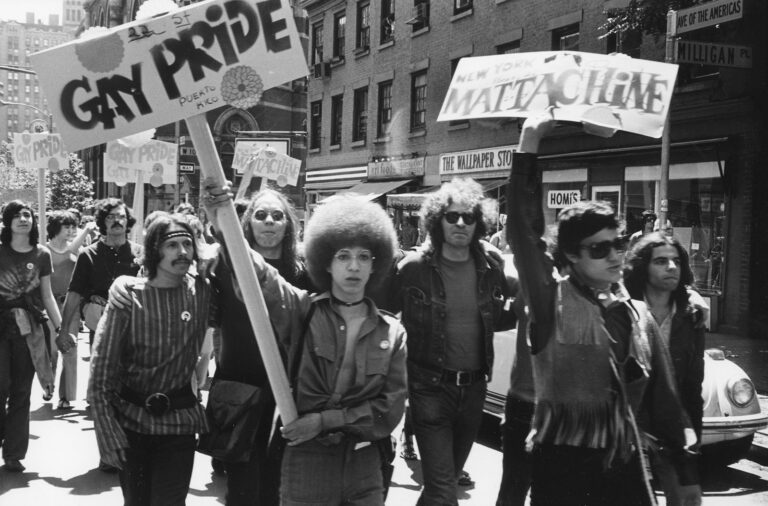
Photo: The New York Times
A Time of Persecution and Resilience
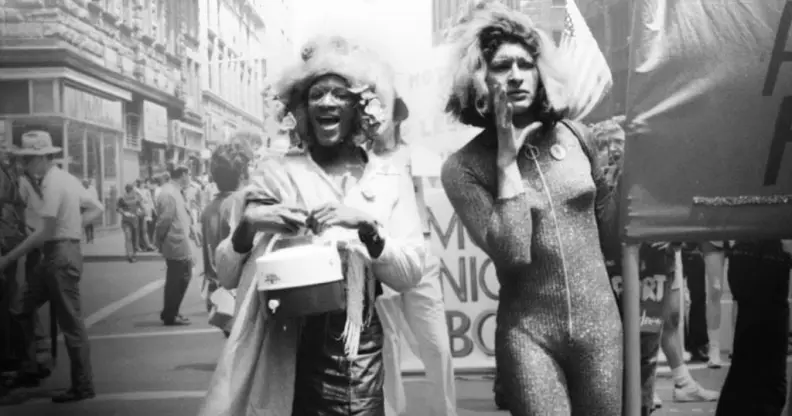
In the 1960s, queer individuals faced severe discrimination and legal challenges in the United States. Same-sex sexual acts were criminalised, and queer people were frequently harassed by law enforcement. Bars and clubs that catered to LGBTQIA+ clientele were often the targets of police raids, resulting in arrests and public shaming. The Stonewall Inn was one such establishment, a refuge for many in the queer community – many of whom were drag queens, gay men, transvestites and queer-identified sex-workers – who had nowhere else to go.
Despite these oppressive conditions, the community showed remarkable resilience. The Stonewall Inn, whilst not legally operating as a gay bar, provided a sanctuary where people could express themselves without fear. However, this sense of safety was shattered when police conducted a raid in the early hours of June 28, 1969.
Marsha P Johnson (left) and Sylvia Rivera (right) | Photo: Netflix
The Night of the Riots
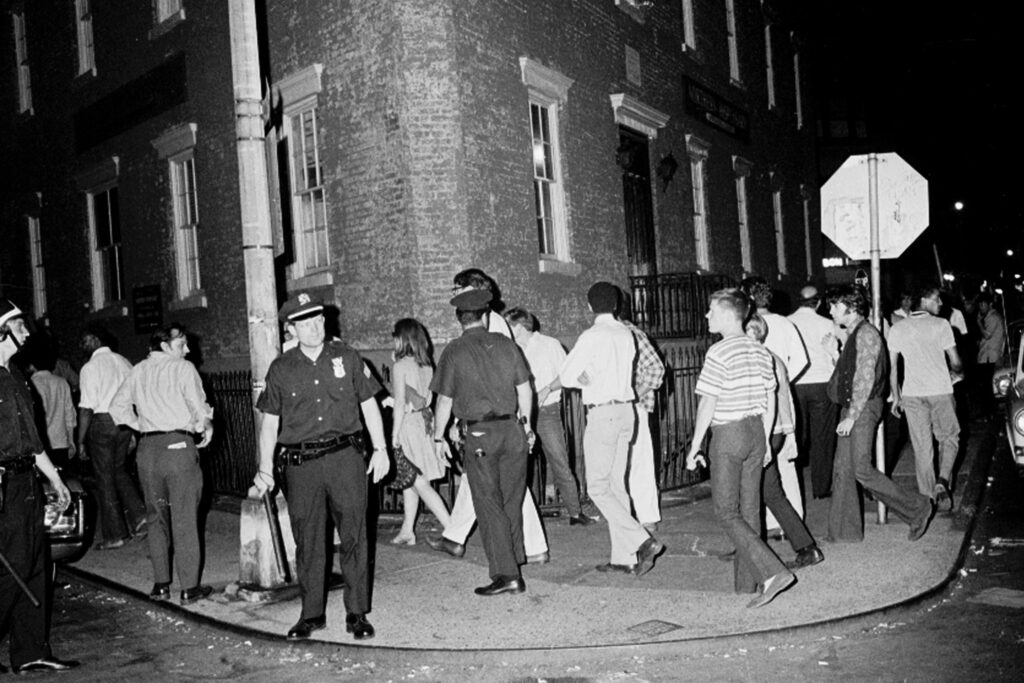
On that fateful night, the police raid on the Stonewall Inn was met with unexpected resistance. Patrons of the bar, fed up with the constant harassment and discrimination, fought back. As police attempted to arrest bar-goers, the crowd outside the bar grew larger and more defiant. What began as a routine raid quickly escalated into a full-scale riot.
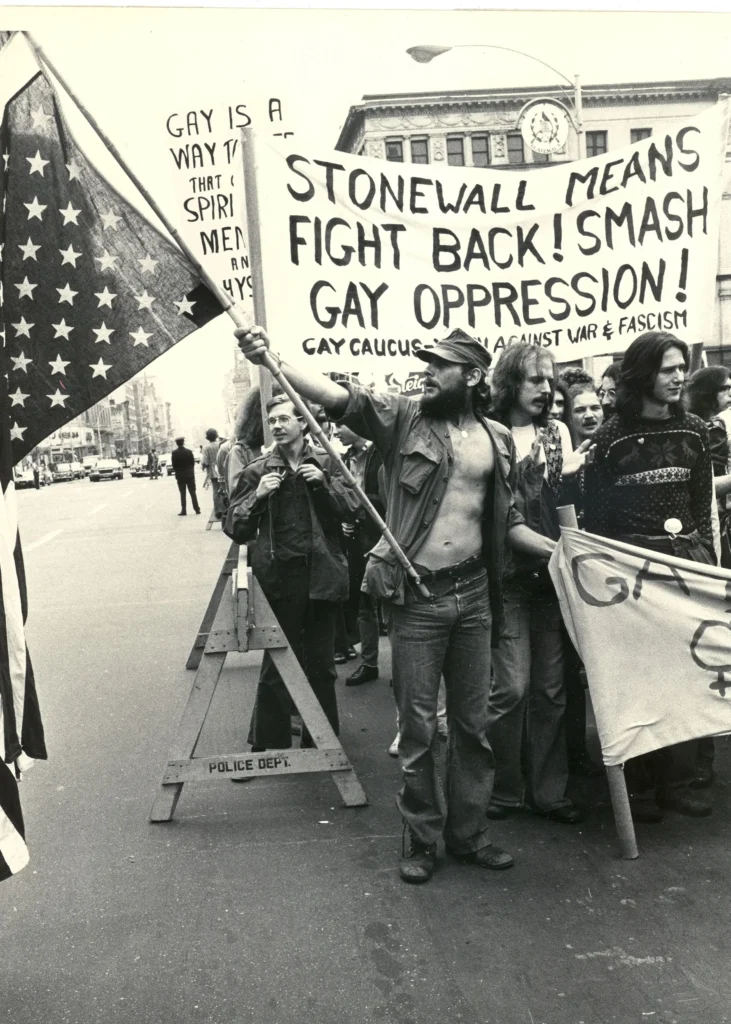
For solid six nights, protests and clashes with police continued in the streets of Greenwich Village. The riot was a spontaneous act of defiance against systemic oppression, a cry for dignity and equal rights. It marked a turning point, transforming the LGBTQIA+ community from passive victims of discrimination to active fighters for their own liberation.
Photo: American Experience
The Aftermath and Birth of a Movement
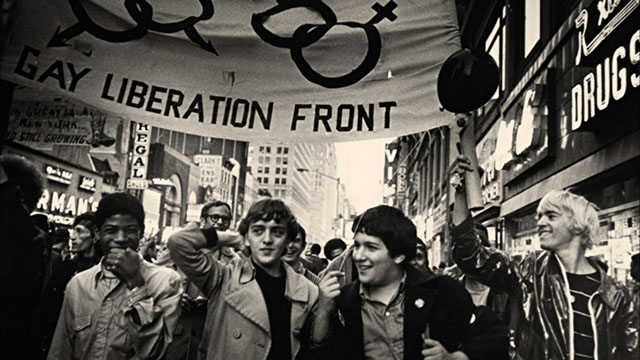
The Stonewall Riots served as a catalyst for the queer rights movement. In the wake of the riots, numerous LGBTQIA+ activist groups were formed, including the Gay Liberation Front and the Gay Activists Alliance. These organisations sought to harness the momentum from Stonewall to push for legislative and societal change.
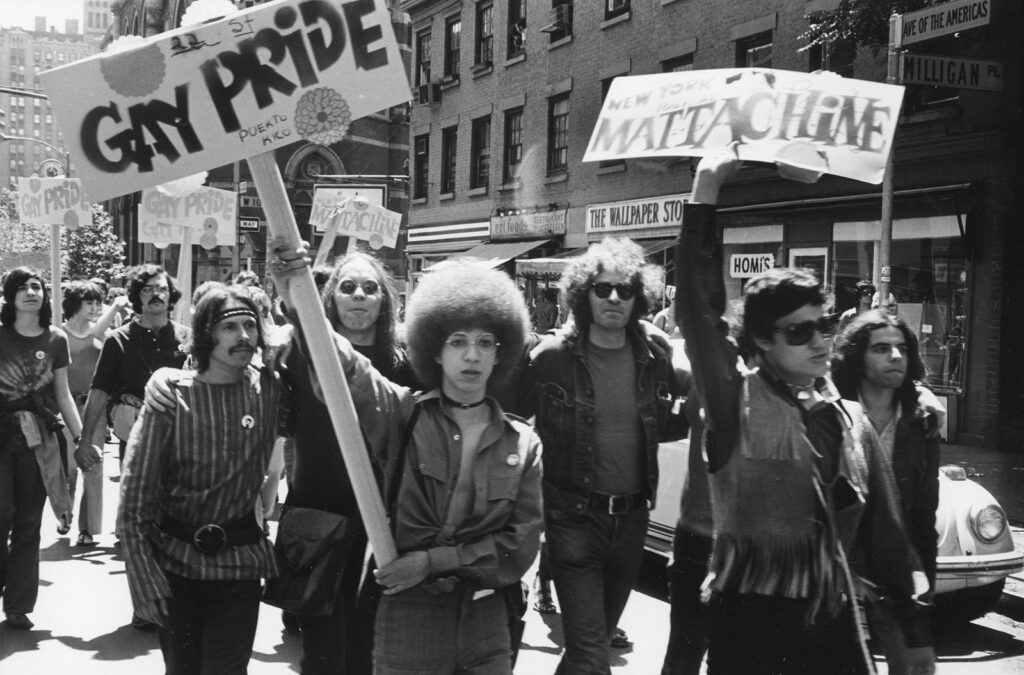
The first anniversary of the Stonewall Riots was marked by the inaugural Christopher Street Liberation Day march, held on 28th June 1970. This event is now recognised as the first Gay Pride parade. The march drew thousands of participants and signalled the beginning of annual Pride celebrations worldwide.
Photo: CNN
Legacy and Continued Relevance
The Stonewall Riots have left an indelible mark on the struggle for queer rights. They symbolise the fight against injustice and the power of collective action. Each year, Pride celebrations around the world commemorate the spirit of Stonewall, reminding us of the progress made and the challenges that remain.
In 2016, then US President Barack Obama designated the Stonewall Inn and surrounding areas as a National Monument, recognising their significance in American history. This designation underscored the importance of preserving and honouring the legacy of those who stood up against oppression.
However, the fight for equality is far from over. Whilst significant strides have been made in many countries, queer individuals still face discrimination and violence. The spirit of Stonewall continues to inspire activists to push for full equality and acceptance.
Photo: The Harvard Gazette
The Commercialisation of PRIDE
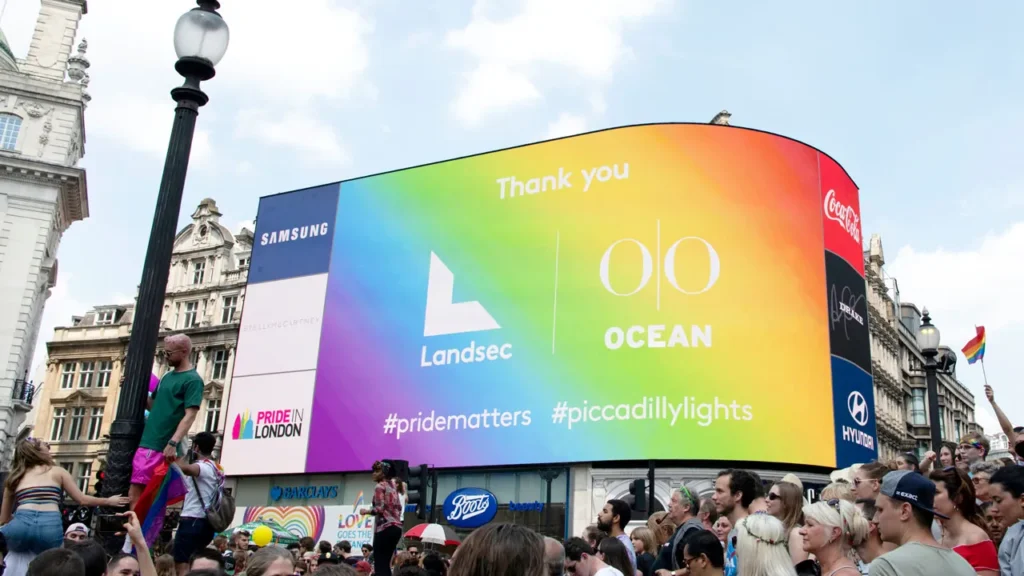
In recent years, PRIDE has evolved into a global celebration marked by parades, parties, and rainbow-themed merchandise. Whilst visibility and celebration are crucial, there is a growing concern that the essence of PRIDE is being diluted by commercial interests.
Corporations flood the market with rainbow-coloured products, and businesses vie to participate in PRIDE events, often without a genuine commitment to supporting LGBTQIA+ rights beyond the month of June.
This commercialisation can overshadow the original intent of PRIDE as a protest and a call for equality. When the focus shifts to marketing and profit, the important messages of activism and solidarity can become secondary.
The rainbow flag, once a symbol of struggle and unity designed by the brilliant vexillographer Gilbert Baker, risks becoming a tool for corporate branding rather than a representation of the fight for equal rights.
Photo: Getty Images
PRIDE as a Commercial Weapon?
The utilisation of PRIDE as a commercial weapon raises several issues. On one hand, it can increase visibility and normalise queer identities, contributing to greater acceptance in society, but on the other, it can lead to “pink-washing,” where companies [not to mention certain politicians] superficially support the LGBTQIA+ community during PRIDE month without enacting meaningful policies or practices that support queer rights year-round.
This selective engagement can be seen as exploitative, using PRIDE as a marketing strategy rather than a genuine effort to support the community.
It also risks alienating those who feel that the commercial aspects of PRIDE are overshadowing the real issues still facing the queer community, such as discrimination, violence, and inequality.
Photo: emtrain
Did ‘Aragalaya‘ hijack PRIDE, or is it the other way round?
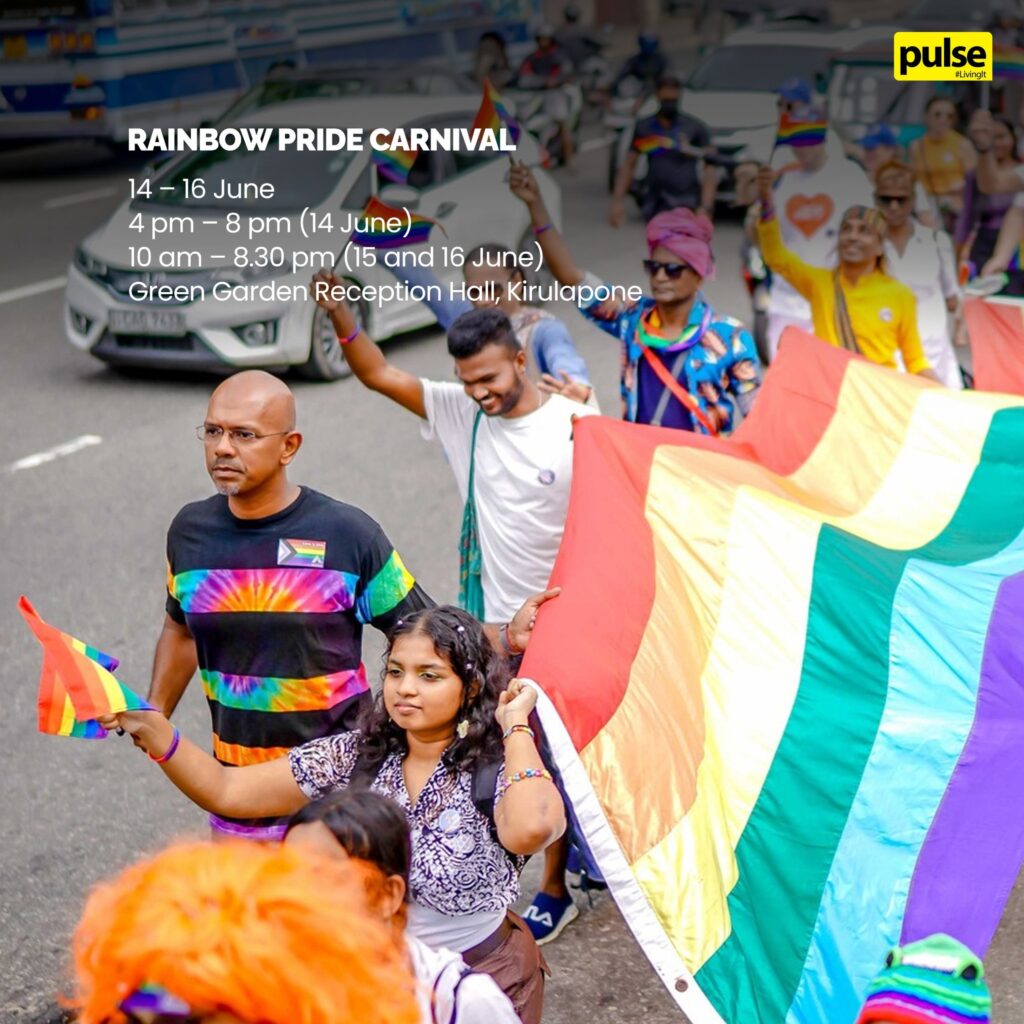
The controversy surrounding Sri Lanka being divided of opinions within the LGBTQIA+ community often leads to political influence, exhibiting PRIDE events being separately held by different local entities, having no corporation with each other. Despite the growing influence in the legislative framework positively contributing to the well-being of queer individuals, the Sri Lankan law is still being misinterpreted to having queer individuals persecuted under the abuse of sections 365, 365A and 399 of the Penal Code, and clauses evident in sections 2, 7, and 9 of the Vagrants Ordinance. In the event that the solemn truth of queers only being part of a much larger intersectional struggle of marginalised communities in Sri Lanka cannot be overlooked, PRIDE events, either stemmed from political influence or otherwise, should interact with each other, were they to regain liberation.
Reclaiming the True Meaning of PRIDE
To honour the true meaning of PRIDE, it is essential to remember its roots in the Stonewall Riots and the ongoing struggle for LGBTQIA+ rights. PRIDE should be a time to reflect on the progress made and the work still needed to achieve full equality. It should be a platform for activism, education, and solidarity, not just a commercial opportunity.
Individuals and organisations can contribute to reclaiming PRIDE by supporting LGBTQIA+ rights throughout the year, not just in June. This includes advocating for inclusive policies, supporting queer-based charities and organisations, and fostering environments where all individuals can live authentically and without fear.
As we remember the Stonewall Riots, it is essential to honour the bravery of those who resisted oppression and sparked a movement. Their actions on that night in June 1969 changed the course of history, paving the way for future generations to live more freely and openly.
The legacy of Stonewall is a reminder that the struggle for equality requires courage, solidarity, and persistence. It calls on us to continue the fight for a world where everyone, regardless of their sexual orientation, gender identity, gender expression, or sex characteristics (SOGIESC), can live with dignity and respect.