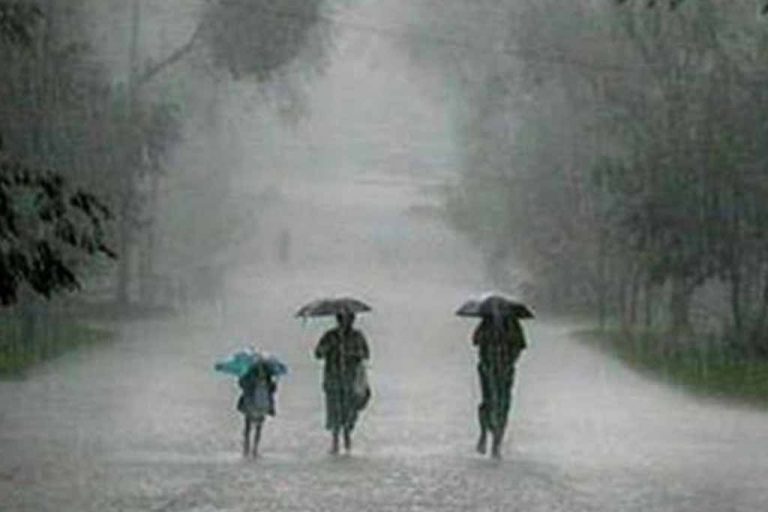
March 22, Colombo, LNW: Showers or thundershowers will occur at several places elsewhere in the island during the afternoon or night.
Fairly heavy showers above50mm are likely at some places in Western, Sabaragamuwa and North-western Provinces.
Misty conditions can be expected at some places in Central, Sabaragamuwa and Uva provinces and in Galle and Matara districts during the morning.
General public is kindly requested to take adequate precautions to minimize damages caused by temporary localized strong winds and lightning during thundershowers.
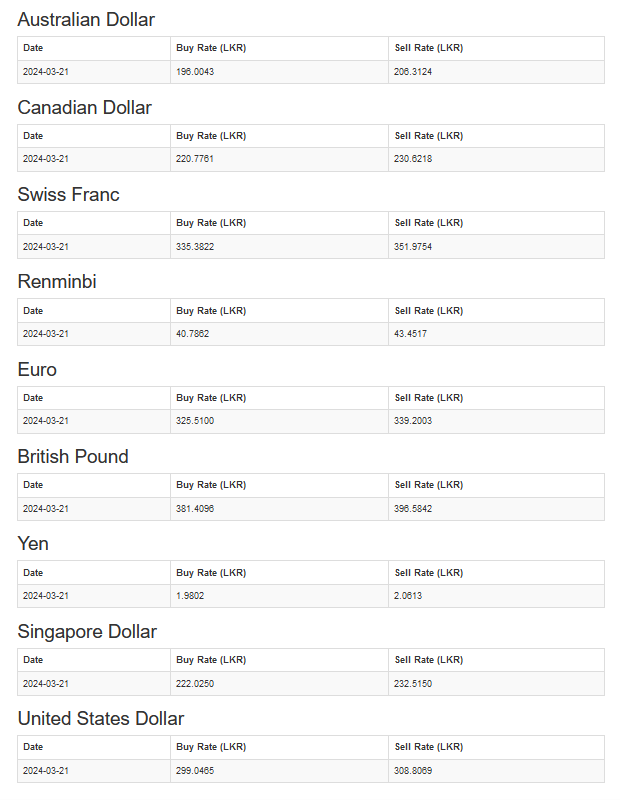
March 21, Colombo (LNW): For the third consecutive day this week, the buying price of the US Dollar remains below the Rs. 300 mark today (21), as per the official exchange rates issued by the Central Bank of Sri Lanka (CBSL).
Accordingly, the buying price of the US Dollar has dropped to Rs. 299.04 from Rs. 299.13. Meanwhile, the selling price of the US Dollar has increased to Rs. 308.80 from Rs. 308.72.
The Sri Lankan Rupee further indicates slights depreciation against several other foreign currencies, including Gulf currencies.
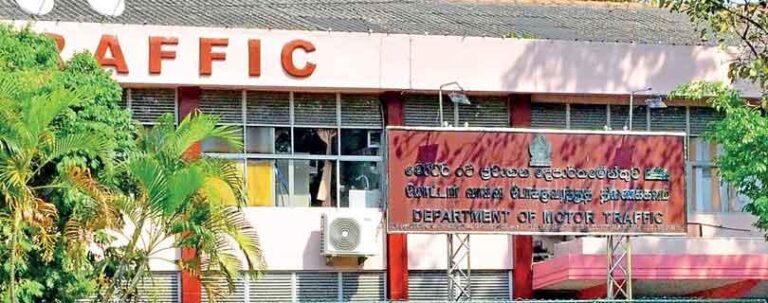
March 21, Colombo (LNW): The Motor Traffic Department (MTD) is gearing up to resume the much awaited e-Motoring project aimed at digitalizing and streamlining vehicle registration and allied services, Commissioner General of the Department Nishantha Anuruddha Weerasingha said.
It involves in developing, implementing and deploying a comprehensive ICT solution to provide effective and efficient delivery of selected citizen services of Department of Motor Traffic (DMT) and the Provincial Department of Motor Traffic (PDMT).
This Project was planned to update and replace the old Motor Vehicle Registration system that is now in operation, Introduce new practices and streamline the vehicle registration and Imports.
This was designed for Public Convenience and Stream line the process to provide faster and efficient service to public. Already Cabinet has approved a site for implementation and planning to implement it by July this year.
Metropolitan Advanced Technology has been awarded the contract and it has signed the agreement to implement the e Motoring system for MTD.
Senior official at Metropolitan Advanced Technology said that MTD with the Ministry of Transport invited International Competitive Bidding on EOI, followed by Stage Two Envelope Bidding in 2016 on Build Operate and Transfer {BOT} Basis, where the investment is by the contractor and MDT will pay a fee on number of transactions defined only as for new registrations and transfers.
He noted that that allegations of Rs 12.0 billion misappropriation with the implementation of this project were baseless as even calculating hypothetically Rs 1,000 per transaction, for minimum transactions of 60,000 per month, for 5 years the cost will be Rs 3.60 billion.
If transactions improves 2 times (100percent with Improvement in New Vehicles Imports) also will not reach Rs 12.0 billion.
According to official estimation if the e Motoring project is not implemented on time Government will lose Revenue more than Rs 15.0 Billion with malpractices happening in vehicle registration, he added.
After stringent, transparent tender evaluation process Metropolitan Advanced Technology was selected and contract was signed with them in July 2018.
Metropolitan Officials said that they were ready to implement the project since signing of the contract in 2018, in 2019 the software was developed but couldn’t implement it due to reasons beyond their control
Originally DMT was planning to host the e Motor facility at their Narhenpita Head office and Island Wide DMT District Offices from the beginning.
And also to establish two MDT Offices at Hambantota and Colombo Port to monitor the vehicles Imported and affix a sticker to the vehicle with an identification number.
Site visits were made with MDT senior officials made recommendations and process site plans. Since the government change at that time new Transport Minister and Commissioner General was appointed, they revisited the project and on the request of the then President ICTA looked at the Software that was already developed.
After the approvals, the new Ministry of Transport and MDT management was looking for a new place to implement the e Motoring Project at another site due to non-suitability of the MDT Head Office building condition.
March 21, Colombo (LNW): The Asian Development Bank (ADB) announced yesterday the launch of a new country partnership strategy (CPS) for Sri Lanka spanning 2024–2028.
The strategy aims to restore the country’s macroeconomic stability, revive growth, and lay the groundwork for sustainable recovery and resilience.
ADB Country Director for Sri Lanka Takafumi Kadono stated, “This new partnership strategy will build on ADB’s ongoing assistance to support the country’s efforts in restoring macroeconomic stability and achieving green and long-term sustainable growth.”
He added, “The CPS responds to Sri Lanka’s economic situation by tailoring ADB assistance to address the country’s long-standing macroeconomic imbalances and structural impediments through knowledge solutions, policy advisory support, and priority investments.”
Sri Lanka is displaying signs of stability and recovery from a severe economic crisis. Data indicates a significant decline in Sri Lanka’s inflation from 69.8% to 4.0% between September 2022 and December 2023.
Foreign exchange reserves have surged to $4.4 billion in 2023 from $1.9 billion in 2022. Economic growth in Sri Lanka returned to positive territory in the second half of 2023, with this momentum expected to persist.
ADB’s assistance under the new CPS for Sri Lanka will focus on three strategic objectives: strengthening public financial management and governance, fostering private sector development, promoting green growth, and improving access to climate-smart public services and deepening inclusion.
These objectives will incorporate three thematic priorities: climate action, disaster resilience, and environmental sustainability; gender equality and social inclusion; and governance, capacity development, and digitalization.
The new CPS will aid in addressing the key underlying causes of the crisis in Sri Lanka. ADB will concentrate on reforming the public financial management system, strengthening governance, accelerating domestic resource mobilization, enhancing fiscal and debt sustainability, and implementing measures to enhance the performance of state-owned enterprises.
Recognizing the crucial role of the private sector in the country’s recovery and long-term economic growth, the strategy aims to implement structural reforms to promote greater private sector participation in the economy and diversify the economy with an emphasis on green and sustainable growth.
ADB will continue to support financial inclusion and the development of small and medium-sized enterprises, particularly those led by women, and provide advisory and capacity-building support to encourage trade and investment.
The strategy also aims to enhance access to climate-smart public services and deepen inclusion by strengthening social protection and human capital development and fostering agricultural modernization.
As of the end of December 2023, ADB had committed over $3.7 billion in 45 public sector loans and grants in Sri Lanka, along with $25.6 million in private sector investments.
ADB remains committed to achieving a prosperous, inclusive, resilient, and sustainable Asia and the Pacific region, while continuing efforts to eradicate extreme poverty. Established in 1966, ADB is owned by 68 members, with 49 from the region.
March 21, Colombo (LNW): The United States Government has endorsed Sri Lanka’s request for an additional five-month extension of proceedings in the case filed by a bondholder after the South Asian nation defaulted on its debt for the first time in history while struggling to stop an economic meltdown.
Hamilton Reserve Bank Ltd., which holds more than $250 million of Sri Lanka’s 5.875% International Sovereign Bonds due July 25, filed the suit Tuesday in a New York federal court seeking full payment of principal and interest.
Applauding Sri Lanka’s efforts in its debt restructuring program and the strides made, the US views an extended stay as a reasonable measure aligned with US policy.
In a letter addressed to US District Judge Denise L. Cote, the Department of Justice affirmed Sri Lanka’s strategic importance as a key partner in the Indo-Pacific region where the US government wholeheartedly backs Sri Lanka’s endeavours toward economic recovery and its ongoing advancements within the IMF program.
This support also extends to Sri Lanka’s economic and governmental reforms initiatives, aimed at fostering sustainable economic growth and development.
Highlighting the adverse effects of failed debt restructuring, the Department of Justice said: “As the Court previously held, a breakdown in restructuring negotiations could threaten Sri Lanka’s progress towards International Monetary Fund (IMF) targets, its economic recovery, and the well-being of its citizenry.
By contrast, a stay significantly benefits the interest of Sri Lanka’s bilateral creditors and private commercial creditors who are actively involved in the debt restructuring negotiations. It also supports the public interest. Those same grounds for granting the first stay apply to Sri Lanka’s motion for a further stay.”
For decades, the US has been significantly interested in the orderly and cooperative resolution of sovereign debt defaults, which is crucial to the stability and future growth of the world and the US economy.
“In October, the United States assessed that a stay would facilitate an orderly and consensual sovereign debt restructuring process, as the expectation is that the Official Creditors Committee (OCC) and other bilateral creditors will reach consensus on debt treatment terms.
Sri Lanka is to seek comparable treatment from its commercial creditors and other official bilateral creditors—by the end of the year, with the process for implementing those terms via bilateral agreements between the respective creditor countries and Sri Lanka Underway.
It explained that a stay would also facilitate negotiations with private creditors, an estimated majority of which, through the Ad Hoc Bondholders Group, have conditioned their participation on the application of comparable treatment.
Since the Statement of Interest was filed and the Court granted the stay of proceedings, Sri Lanka has made demonstrable progress on its debt restructuring. Sri Lanka has been proceeding in negotiations with official creditors in good faith.
March 21, Colombo (LNW): Sri Lanka Airport infrastructure improvement initiatives, ranging from advanced communication infrastructure to modern cargo facilities, are integral components of a comprehensive strategy aimed at propelling the nation’s aviation capabilities to new heights.
Airport and Aviation Services (Sri Lanka) (Pvt) Ltd. (AASL) has generated Rs. 25.3 billion of revenue in the first eight months of 2023, compared to Rs. 16 billion in the same period of 2022, of which Rs. 20.2 billion
Total operational expenditure incurred during the period was Rs. 11 billion. Accordingly, AASL has reported operating profits of Rs. 14.2 billion for the first eight months of 2023.
After adjusting for net financial income and exchange gain, AASL recorded a PBT of Rs. 26.6 billion in the first eight months of 2023, compared to the loss before tax of Rs. 2.5 billion in the same period of 2022.
Due to the country’s interim debt policy, the development of BIA Terminal 2, which is expected to have significant economic benefits, has temporarily been put on hold.
The Chairman of Airport and Aviation Services (Sri Lanka) Ltd. (AASL) Athula Galketiya remarked that the arrival of foreign tourists has risen owing to President Ranil Wickremesinghe’s economic initiatives and the peaceful environment fostered within the country.
Consequently, Bandaranaike International Airport (BIA) in Katunayake has seen a notable increase in air passenger usage, he said.
The AASL Chairman reported that from January 1st to March 19th, 2024, the number of air passengers who utilized BIA services amounted to 850,000.
Mr. Galketiya noted that it is anticipated approximately 10 million passengers will utilize the airport by the end of this year.
He further highlighted that the total number of passengers using the Bandaranaike International Airport (BIA) in Katunayake in 2022 was 5 million, with a projected increase to 8 million in 2023
Several key projects have come to fruition, solidifying Sri Lanka’s position in the global aviation arena. Bandaranaike International Airport (BIA), the country’s primary international gateway, witnessed strategic enhancements, ensuring a seamless travel experience for passengers.
Construction of the Import Cargo Terminal Building at Bandaranaike International Airport, Katunayake – Stage I is now underway. This ambitious project is set to fortify the cargo-handling capabilities of the airport, ensuring efficient and secure import operations.
Bonded warehouse for electronic mall at Bandaranaike International Airport, Katunayake is to sset up soon. This forward-looking initiative catering to the growing demands of the electronic commerce sector, fostering a dynamic business environment at the airport.
Design, Supply, and Installation of Self-Supporting Communication Tower for Radar and Communication Engineering Centre at Pidurutalagala will be operative shortly. : A technological advancement aimed at enhancing radar and communication capabilities, ensuring seamless air traffic control.
March 21, Colombo (LNW): Sri Lanka has imposed restrictions on research operations for the German vessel ‘Sonne’ as part of a one-year moratorium on such activities involving foreign ships within its Exclusive Economic Zone (EEZ).
However, a report by Daily Mirror disclosed that the vessel will be permitted to undergo replenishment activities at the Colombo port.
The decision to implement a moratorium on foreign research vessels entering Sri Lankan waters for a duration of one year stems from concerns raised by neighbouring India regarding the presence of Chinese research vessels in the region.
This move follows China’s request for the deployment of another research vessel, prompting heightened vigilance in the Indian Ocean, according to report.
Notably, Chinese research ship Shi Yan 6 made port calls at the Colombo port for an extended period in October of the previous year.
Additionally, in 2022, the navy vessel Yuan Wang 5 was docked at Hambantota in southern Sri Lanka. Subsequently, China sought permission for its scientific research vessel Xiang Yang Hong 3 to conduct “deep water exploration” in the south Indian Ocean from January 5, 2024.
However, the Sri Lankan government declined the request in adherence to the newly established regulations, leading to expressions of discontent from China.
It is worth mentioning that Germany had sought permission for its vessel even before Sri Lanka announced the imposition of new regulations.
Nevertheless, with the moratorium now in effect, the Sri Lankan government has prohibited research activities for foreign vessels, including the German vessel ‘Sonne.’
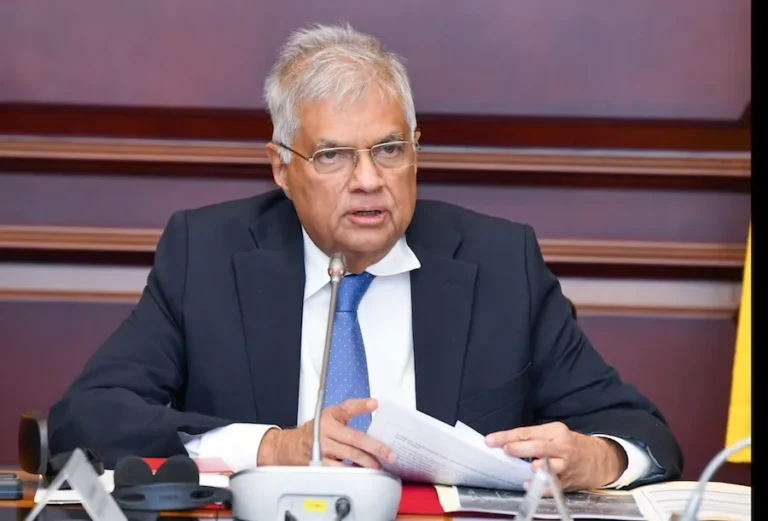
March 21, Colombo (LNW): President Ranil Wickremesinghe expressed optimism regarding the trajectory of the Dollar rate, anticipating a potential decline to Rs. 280 by June of the current year.
Highlighting the anticipated impact of this exchange rate adjustment, President Wickremesinghe underscored the potential for reduced commodity prices as a result of the Dollar rate decrease.
Moreover, the President conveyed his expectation for the continued strengthening of the Sri Lankan rupee into the following year, indicating a positive outlook for the country’s currency stability.
Addressing Sri Lanka’s recent economic challenges, President Wickremesinghe acknowledged the arduous path traversed by the nation, emphasising the necessity of making difficult decisions to navigate through the crisis.
Nevertheless, he expressed confidence that Sri Lanka has now reached a pivotal juncture where measures can be implemented to provide alleviation from the prevailing economic strains.
These remarks were made by President Ranil Wickremesinghe during the inauguration ceremony of the Bodhigara and Golden Fence, erected near the revered Mangedara Tempita Viharaya in Kegalle, held yesterday (20).
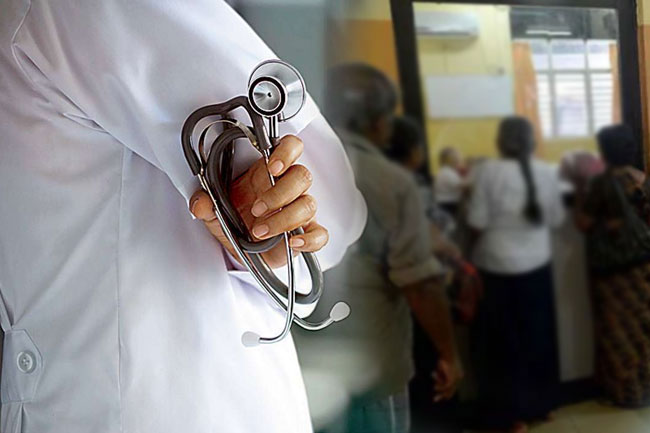
March 21, Colombo (LNW): Contrary to assertions made by the Health Ministry regarding the repatriation of migrated doctors to Sri Lanka, recent statistical data presents a starkly different reality, revealing a minimal influx of only five specialists returning to the country this year.
The initial claim, put forth by Deputy Director General (Medical Services) Dr. G. Wijesuriya, lacked substantiation with concrete statistics, thereby inviting skepticism, particularly in light of the discrepancy evident in the data.
Dr. Wijesuriya, amidst scrutiny, maintained a stance suggesting a reversal in the trend of doctors, especially those pursuing postgraduate training abroad, opting to return to Sri Lanka.
He remarked, “Though not in significant numbers, we are witnessing a gradual return of migrated doctors to the country.”
However, the factual representation stands in contrast to this assertion. Merely a handful of specialists, including a Gynaecologist (VOG), Surgeon, Anaesthetist, Pediatrician, and Ophthalmologist, have indeed returned, indicating a marginal shift rather than a substantial repatriation.
In response to this situation, Dr. Ananda Wijewickrama, President of the Sri Lanka Medical Association (SLMA), expressed skepticism, contending that the return of five specialists cannot be construed as a significant improvement, particularly considering the substantial exodus of doctors witnessed last year.
According to available statistics, nearly 450 specialists have migrated since the latter part of 2022, with an additional 785 specialists slated to depart overseas for further training.
Meanwhile, Dr. Ashoka Gunaratne, media spokesperson for the Association of Medical Specialists (AMS), voiced apprehension regarding the escalating trend of medical professionals migrating abroad.
He emphasised that the AMS had not observed any notable influx of specialists returning to the country.
Dr. Gunaratne further criticised the Health Ministry for making generalised statements on such a crucial issue without providing transparent and substantiated data to support their claims.
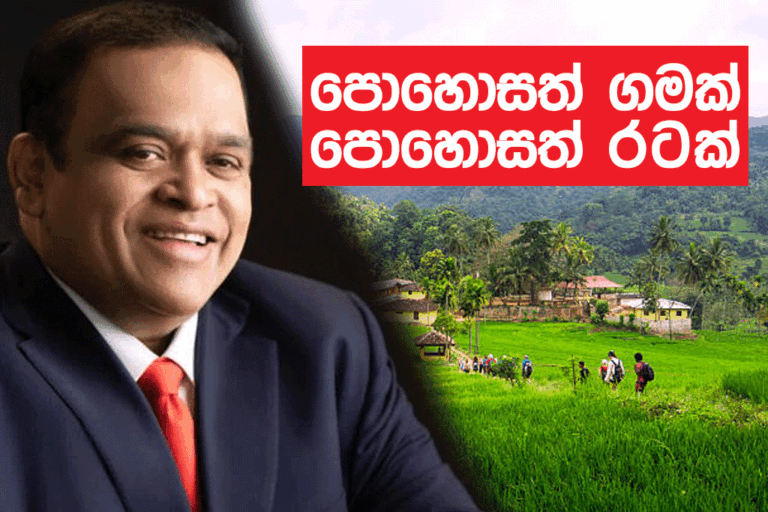
March 21, Colombo (LNW): Two inaugural model villages, marking the commencement of the Action Plan “Pohosath Gamak – Pohosath Ratak” (A Rich Village – A Rich Country), spearheaded by Sri Lanka Podujana Peramuna (SLPP) MP Dhammika Perera, are set to be unveiled next month.
The initiative aims to fortify the rural economy, thereby propelling the nation towards economic recovery amidst prevailing challenges.
The first two model villages will be strategically located in the Alavathugoda area of the Kandy district and the Bibila area of the Monaragala district.
These pilot projects serve as tangible manifestations of Mr. Perera’s comprehensive action plan, meticulously crafted to encompass 20 pivotal steps.
These steps span across various domains including education, healthcare, agriculture, industry, information technology, transportation, and foreign employment.
With a vision to cultivate prosperity at the grassroots level, the Action Plan “Pohosath Gamak – Pohosath Ratak” aims to foster holistic development within rural communities.
These model villages are poised to serve as catalysts for socio-economic upliftment, fostering sustainable growth and resilience within these regions.
The Action Plan of “Pohosath Gamak – Pohosath Ratak” (A Rich Village – A Rich Country):
Establishment of Community Kitchens: To address food insecurity among vulnerable households, the government will initiate the establishment of community kitchens in every village. These kitchens, strategically located in public spaces such as temples, churches, or kovils, will provide meals to impoverished families who struggle to afford basic sustenance. The government will allocate 50 per cent of the operational costs, with the remaining funds sourced from village philanthropists, societies, and corporate entities. This collaborative effort aims to ensure no family goes hungry within the community.
Enhancement of Village Pre-schools: In alignment with global standards of early childhood education, village pre-schools will undergo a transformation to provide children with an enriching learning environment. Equipped with modern amenities including tables, chairs, and educational toys, these pre-schools will mirror the educational infrastructure seen in developed countries like the United States. Furthermore, the introduction of smart classrooms featuring digital screens will facilitate interactive learning experiences for children, fostering their cognitive development during the critical early years. Because 90 per cent of children’s brain development concludes between birth and 5 years of age, it is very important to provide such education. Recognising the pivotal role of educators, teachers overseeing these pre-schools will receive a stipend of Rs. 1,500 per child enrolled, incentivising the delivery of high-quality education.
Implementation of Smart Classrooms in Village Schools: To bridge the education gap between rural and urban areas, village schools will be outfitted with state-of-the-art smart classrooms, mirroring the educational standards observed in prestigious urban institutions. Through this initiative, students in rural villages will have access to the same caliber of education imparted to their urban counterparts. Leveraging technology, these smart classrooms will enable students to learn from top-tier educators across Sri Lanka, fostering academic excellence and equitable access to quality education.
Promotion of One Village One Product Concept: Under the “One Village One Product” initiative, each village will be empowered to specialise in the production of a distinct commodity, ranging from ornamental fish to coconut-based products. By equipping women and youth with the necessary knowledge and resources, this initiative aims to generate sustainable livelihoods within rural communities. The standardised production of a single product streamlines marketing efforts, facilitating bulk sales and ensuring fair prices for both producers and buyers.
Adoption of One Crop per Village Concept (Colonial Crops): In alignment with local climate and soil conditions, each village will cultivate a designated crop, fostering agricultural sustainability and economic resilience. This “One Crop per Village” aka Colonial Crops concept enables families to earn supplemental income through the cultivation of long-term harvest crops such as coffee, mangoes, and coconuts. By collectively cultivating a single crop, villages streamline production and enhance marketability, ensuring a steady income source for residents.
Establishment of Economic Centres in Samurdhi Bank Areas: To empower local entrepreneurs and promote economic self-sufficiency, small-scale economic centers will be established within Samurdhi Bank areas. These centres will serve as retail hubs, enabling residents to sell locally produced goods such as vegetables, fruits, dried fish and arecanuts. By providing a platform for direct sales, these centres empower residents to leverage their entrepreneurial skills and contribute to local economic growth.
Implementation of Free Wifi Zones: To bridge the digital divide and promote digital inclusivity, free Wifi zones will be established in every village. These Wifi zones, located in religious or public spaces, will provide villagers with access to free internet facilities, facilitating online communication, education, and commerce. By democratising access to digital resources, these Wifi zones empower villagers to harness the transformative power of technology for personal and economic development.
Establishment of Youth Leadership Clubs: To nurture future leaders and foster personal development among youth, youth leadership clubs will be established in each Grama Niladhari division. These clubs will provide leadership training, career guidance, and mentorship opportunities to young individuals, equipping them with the skills and confidence needed to pursue higher-paying jobs and fulfill their potential.
Creation of IT Jobs and Language Schools: To address youth unemployment and enhance employability, IT jobs will be decentralised from urban centres to rural villages. Each village will be given 50 IT-related jobs and will host an IT office equipped with computers and internet facilities, creating employment opportunities for local youth. Additionally, language schools will be established to provide language proficiency training in English, Japanese, Korean, Chinese, and Italian. Leveraging smart classroom technology, these schools will offer specialised training in high-demand professions, empowering youth to secure lucrative employment opportunities both locally and internationally. These courses can be completed within six-to-nine months, thereby permanently eradicating youth unemployment.
Implementation of Digital Agricultural Systems: To modernise agriculture and enhance farmer livelihoods, digital agricultural systems will be implemented in villages. These systems will provide farmers with access to essential resources such as fertilisers, seeds, and agricultural knowledge, while also facilitating the sale of their crops through digital platforms. Additionally, mobile applications will provide farmers with real-time weather forecasts, enabling them to predetermine weather-changes ten days ahead, optimise crop cultivation, resist price fluctuations and minimise crop damage and losses. Fishermen living in coastal villages will be provided with modern technology to easily predetermine fishing areas in the sea, thereby enabling them to slash their fuel costs by 50 per cent. By embracing technology, these initiatives aim to revolutionise agriculture, increase farmer incomes, and promote sustainable agricultural practices.
Enhancement of Transportation Accessibility: To address transportation challenges faced by school students and parents in areas lacking Sri Lanka Transport Board (SLTB) bus services, the government will introduce season tickets for private buses operating on these routes. Additionally, parents accompanying young children to primary schools will also be eligible for season tickets at subsidised rates. For routes less than 5 kilometres without SLTB bus services, communal three-wheelers will be provided, while mini buses will serve routes exceeding 5 kilometres. Furthermore, to promote gender equality and accessibility, women will benefit from a 50 per cent fare reduction on SLTB buses during specified off-peak hours. To streamline transportation services, a dedicated smart app for rental three-wheelers will be deployed in every village, allowing users to efficiently book rides without queuing.
Implementation of Elephant Fences: In regions prone to human-elephant conflict, the government will install elephant fences, utilising electric fencing technology to mitigate encounters between wild elephants and village communities. These fences will safeguard agricultural lands and residential areas, providing peace of mind to villagers and protecting both human and elephant populations from potential harm.
Provision of Potable Water: To address water scarcity in rural villages, the government will undertake the construction of deep wells, ensuring access to clean and safe drinking water for residents. By implementing sustainable water infrastructure projects, the government aims to enhance public health outcomes and improve the quality of life for villagers.
Promotion of Rural Tourism: In areas with tourist potential, the government will support the development of infrastructure to facilitate home stays for foreign tourists. This initiative includes the construction of attached bathrooms and other amenities to accommodate travellers within village households. Moreover, online training programmes will be offered to homeowners, imparting knowledge on maintaining hospitality standards and marketing their accommodations effectively. By promoting rural tourism, the government aims to boost local economies and create income-generating opportunities for villagers.
Empowerment of Small-Scale Businesses: Through a series of targeted interventions, the government seeks to stimulate economic growth within villages and support budding entrepreneurs. The introduction of a reality TV programme titled “Startup Sri Lanka” will provide aspiring business owners with access to initial capital and mentorship opportunities. By showcasing innovative business ideas and fostering entrepreneurship, this initiative aims to catalyse economic development and create sustainable livelihoods in rural communities.
Support for Religious Leaders and Pirivens: To support the religious activities of Buddhist monks and other spiritual leaders, the government will offer further education in religious doctrines and foreign languages such as English, Japanese, Korean, Chinese and Italian. Additionally, parents of monks and religious priests will receive VIP cards to expedite administrative processes. Smart classrooms will also be established in Pirivens to enhance educational outcomes and modernise religious education.
Conservation and Cultivation of Endangered Species: In a bid to preserve biodiversity and promote sustainable agriculture, the government will initiate tree planting programs featuring endangered species native to Sri Lanka. Currently, there are 1496 species of endangered trees in the island. Villagers will also receive support to cultivate medicinal herbs and plants used in Ayurvedic medicine, creating additional sources of income and fostering environmental stewardship.
Promotion of Dairy Farming: To support dairy farmers, the government will allocate government lands alongside village roads and river streams for grass cultivation. Furthermore, technical officers will be deployed to Samurdhi Bank zones to facilitate artificial insemination programmes, improving livestock productivity and enhancing dairy farming practices.
Establishment of Telemedicine Centres: To enhance healthcare accessibility, telemedicine centres will be established in every fifth village, allowing residents to consult with healthcare professionals remotely. Additionally, health monitoring programmes will be implemented to assess the health status of elderly individuals, contributing to increased life expectancy and improved overall health outcomes.
Development of Sports Infrastructure and Training Facilities: To nurture athletic talent and promote a healthy lifestyle, the government will provide access to professional sports training through video technology for players of volleyball, cricket, 100 metres, 200 metres, 400 metres, high jump and long jump. Expert coaches will offer specialised training in various sports disciplines, empowering athletes to excel at national and international levels. Additionally, the establishment of sports complexes in select provinces will provide residential training facilities for elite athletes, fostering a culture of sports excellence and contributing to national pride.
These 20 steps have been meticulously crafted to align with the needs of the entire country and the specific requirements of the two chosen areas. Necessary measures are underway to establish the first two model villages, facilitated by the personal contribution of Mr. Dhammika Perera.
The inauguration of the initial model village will take place on April 17 during a New Year festival in the Bibila Wegama area. Subsequently, the second model village will be unveiled on April 18 during a New Year celebration in Alavathugoda, Konakalagala area.
This marks a significant departure from traditional political practices in the 76-year history of independent Sri Lanka. Mr. Perera’s initiative represents a practical commitment, bypassing mere promises, to guide an entire village towards a specific path of economic development. It is part of a comprehensive programme integrated into an action plan aimed at revitalising the country’s economy.