January 05, Colombo (LNW): Several spells of showers will occur in Northern, North-central and Eastern provinces.
Showers or thundershowers will occur at several places elsewhere after 2.00 p.m.
Misty conditions can be expected at some places in Western, Sabaragamuwa and Central provinces during the morning.
The public is kindly requested to take adequate precautions to minimize damages caused by temporary localized strong winds and lightning during thundershowers.
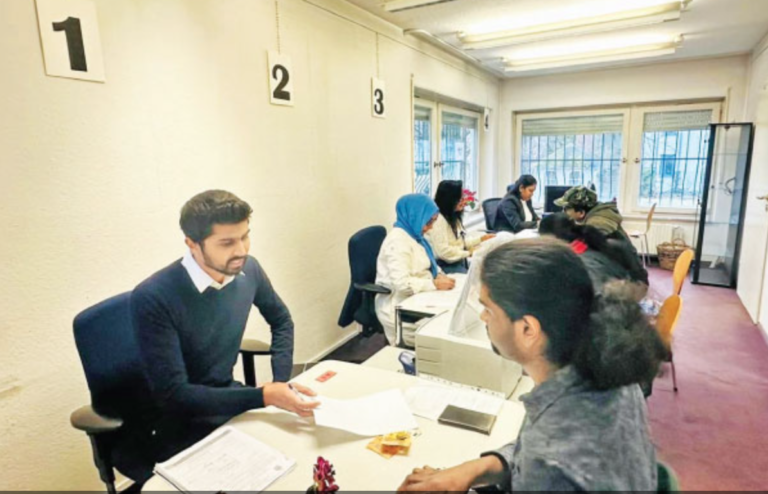
January 04, Colombo (LNW): The Sri Lankan Embassy in Germany marked the beginning of 2024 by unveiling its new online consular appointment system, aimed at enhancing services for the Sri Lankan community across 16 federal states of Germany.
This initiative caters to various consular functions, including passport renewals, birth registrations, marriages, deaths, and document attestations.
The introduction of this system is poised to optimize consular services by offering applicants the flexibility to choose convenient dates while reducing waiting times. With the implementation of this new system, the Embassy anticipates catering to a larger number of applicants efficiently.
Applicants can now schedule appointments through the Embassy’s official website (https://www.srilanka-botschaft.de/) and will receive a confirmation email upon submitting the necessary documents. Additionally, a new electronic queuing system has been integrated into the Consular Section of the Mission.
The inaugural ceremony featured the hoisting of the national flag by Sri Lanka’s Ambassador to Germany, Varuni Muthukumarana. The event included the singing of the national anthem, a two-minute silence honoring war heroes and those who sacrificed for the country, and the administration of the oath of public service.
January 04, Colombo (LNW): Minister Mahinda Amaraweera, overseeing Agriculture and Plantation Industries, directed the Agriculture Department to furnish a comprehensive technical report on the impending paddy harvest for the current season. This directive came during discussions held recently regarding the harvesting and procurement of paddy.
The primary aim behind soliciting this technical report is to assess any potential damage incurred by the paddy crops slated for harvest.
In response, Agriculture Department Director General Malathi Parasuraman pledged efforts to swiftly compile and provide the necessary technical report. The objective is to facilitate the sale of paddy held in warehouses owned by the Paddy Marketing Board (PMB) to small-scale rice mill owners ahead of the main harvest season.
Minister Amaraweera further urged PMB Chairman Buddhika Iddamalgoda to expedite ongoing investigations into allegations of fraud and corruption leveled against certain officials. He emphasized the immediate need for disciplinary actions against those implicated in such activities.
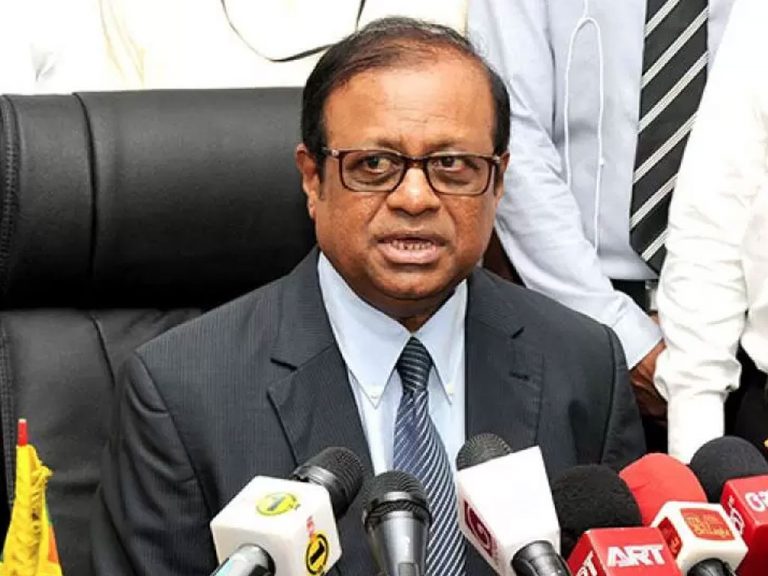
During a recent event commemorating Child Abuse Prevention Day, Education Minister Dr. Susil Premajayantha underscored the pressing need to regulate children’s internet usage, drawing parallels to measures taken in developed nations to address the adverse impacts of digital technology.
Highlighting the global prevalence of internet regulation in developed countries due to the social challenges stemming from digital misuse, including instances of child abuse, the Minister emphasized the necessity of implementing similar measures.
Amidst societal competition and escalating social and economic issues, the Minister noted a resultant rise in mental depression and stress among the younger generation. He stressed the importance of integrating psychiatry into future training programs to address these burgeoning challenges.
Identifying familial issues as a key catalyst for problems like child abuse and youth substance addiction, the Minister cited factors such as child isolation, parental disputes, lack of parental attention, and inadequate education as contributing factors. He urged for comprehensive surveys to better understand and tackle these issues.
Addressing the debate surrounding sex education in schools, the Minister advocated for a more suitable integration of this crucial aspect into the curriculum. He affirmed that upcoming education reforms would prioritize this matter, aiming for a balanced and effective approach.
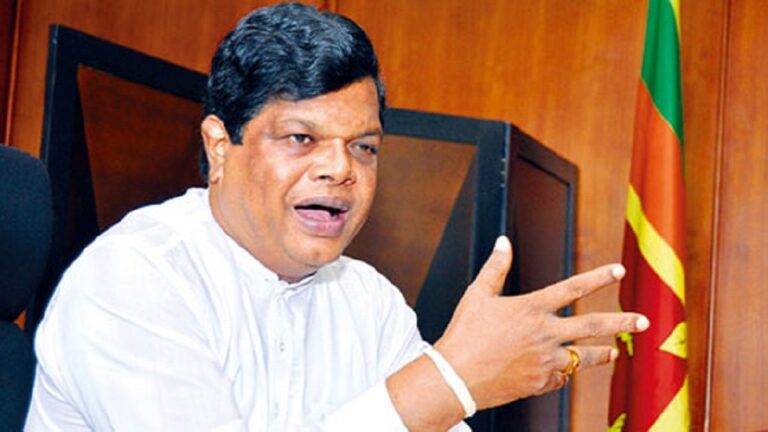
January 04, Colombo (LNW): During the inauguration of a new three-story restroom for train drivers at Maradana Railway Station, Transport, Highways, and Mass Media Minister Dr. Bandula Gunawardhana emphasized the crucial need for a shift in attitude to rebuild investor trust in the country.
Reflecting on the Railways Department’s dire state upon assuming office, the Minister highlighted the initial perception of its irrecoverability and potential privatization. However, through collaborative agreements with all trade unions, he initiated a process to address these challenges.
Acknowledging the economic strain faced by major construction companies, he underscored the exhaustive expenditure on materials, infrastructure, and machinery, predominantly funded by domestic and foreign loans. Notably, current circumstances pose hurdles in obtaining further foreign financial support.
Highlighting the halted reform of the North railway line, originally slated under the 2019 Indian Credit Scheme, he outlined the need to pivot toward private sector investment in managing existing assets to generate revenue. The proposed Station Plaza concept, featured in the Budget, aims to leverage private investment opportunities in projects like tourist hotels, supermarkets, and railway towns while maintaining Railways Department ownership over stations.
While similar proposals for stations like Colombo Fort and Maradana have previously lacked investor interest, the Minister called for collective efforts to transform the Railway Department into an efficient and effective organization for future generations.
The event saw participation from Railways General Manager H.M.K.W. Bandara, Deputy General Managers, representatives from trade unions, and various stakeholders.
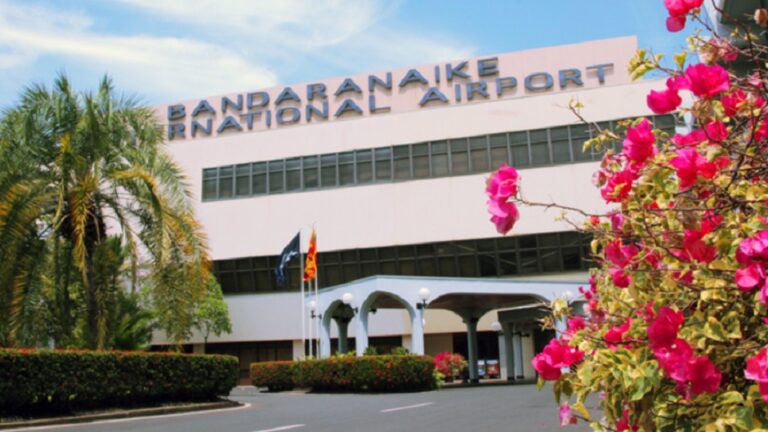
January 04, Colombo (LNW): Amidst escalating tensions, Athula Galkatiya, Chairman of Airport and Aviation Services Limited (AASL), took decisive action yesterday, interdicting 28 prominent leaders associated with the Joint Trade Union Alliance at Katunayake Airport.
Notably, among those interdicted is the President of the Trade Union Alliance.
Dhammika Fernando, President of the Joint Trade Union of Airports, declared unified support from employees across international airports, domestic terminals, and the Piduruthalagala Radar station.
According to the AASL Chairman, the union’s secretary orchestrated attempts to obstruct air services linked with Sri Lanka, prompting immediate action. The Chairman condemned this action as lacking both legal standing and moral justification, necessitating an immediate investigation.
In response, the interdicted union leaders are mandated to surrender their airport entry permits and all relevant equipment to their respective department heads.
Furthermore, until the completion of the investigation, these leaders are barred from accessing any premises under the Airport and Aviation Services Company Limited’s jurisdiction.
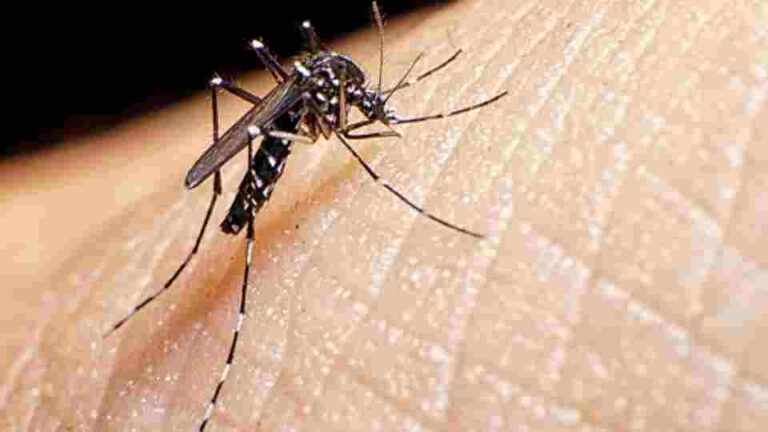
January 04, Colombo (LNW): President Ranil Wickremesinghe chaired a recent progress review meeting where positive news emerged regarding the containment of dengue in the Western and Central Provinces. The meeting, held at the Presidential Secretariat, aimed to evaluate the effectiveness of dengue control programs in these regions.
Collaborative efforts directed by the President’s Office, in line with health protocols, involving the armed forces and police, have successfully reined in the spread of dengue. Various control and awareness initiatives, especially within Medical Officer of Health (MoH) divisions, were credited for effectively managing the situation.
While acknowledging the containment in the Western and Central Provinces, the meeting highlighted the need to shift focus to districts like Jaffna, Trincomalee, and Batticaloa. Targeted interventions are slated for areas with high dengue incidence, including government institutions, schools, religious sites, public spaces, and private establishments.
President Wickremesinghe praised the ongoing nationwide efforts to combat dengue, emphasizing diverse program implementations.
To further combat the spread, a decision was made to establish an operational unit supervised by the Ministry of Health. A special meeting, chaired by the Health Ministry Secretary and attended by heads of the armed forces and the Acting Police Inspector on January 3, outlined plans for a reporting system to monitor daily progress, focusing on the province and future strategies for dengue control.
January 04, Colombo (LNW): Sri Lanka banking sector, which was adversely affected by the spillover effects of the recent economic crisis, continued to operate amidst challenging conditions while some signs of improvement were observed during the year ending Q3 of 2023, Central Bank report revealed. .
Credit granted by the banking sector contracted during the period albeit some recovery was observed within Q3 of 2023. Credit risk of the banking sector as indicated by the Stage 3 Loans Ratio remained elevated, reflecting deteriorated debt servicing capacities of economic agents due to shrinking balance sheets amidst adverse economic conditions.
However, stabilisation of credit risk was witnessed during Q3 of 2023 as indicated by the slowdown in the increase of Stage 3 Loans.
Meanwhile, credit concentration risks persisted within the banking sector with some high credit concentration on certain sectors, namely, construction and agriculture, posing higher vulnerabilities due to economic and climate related issues.
In addition, the high exposure of the banking sector to the sovereign posed concerns for the sector, which necessitated the exclusion of banking sector investments in Treasury bonds from the restructuring perimeter. CB report disclosed.
Increased investments in Rupee-denominated Government securities resulted in a significant increase in liquidity ratios of the banking sector while overall utilization of Standing Lending Facility by the banking sector reduced significantly.
FC operations of banks also witnessed a contraction during the period under review, particularly due to the significant decline in core FC assets despite the banking sector accumulating substantial amount of FC resources in the form of balances with financial institutions abroad.
Meanwhile, profitability of the sector improved with reduced new impairment charges compared to the previous year though comparatively lower impairment may have negative consequences for future profitability of the sector.
Furthermore, several banks including two Domestic Systemically Important Banks (D-SIBs) reported a decline in profits during the period.
Capital adequacy of the banking sector improved as a result of the decline in risk weighted assets, primarily due to the decline in exposures to corporate and retail loans and receivables, although a significant decrease in the Capital Adequacy Ratio (CAR) was observed in D-SIBs during Q3 of 2023
Going forward, banks are required to focus on strengthening their capital buffers supported by profit generation, considering the potential losses due to debt restructuring, results of the bank diagnostic exercise, and realisation of forward-looking impact assessment, which would raise recapitalisation requirements within the banking sector.
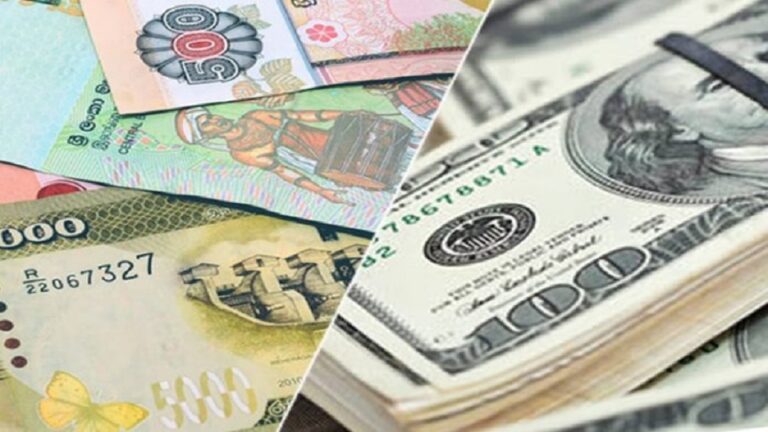
January 04, Colombo (LNW): Today (Jan 04), the Sri Lankan Rupee has witnessed a continued depreciation against the US Dollar at commercial banks compared to Wednesday’s rates.
Peoples Bank recorded an uptick in the buying and selling rates of the US Dollar, rising from Rs. 316.28 to Rs. 316.77 for buying and from Rs. 327.30 to Rs. 327.81 for selling.
Meanwhile, Commercial Bank reported a surge in the buying rate of the US Dollar from Rs. 315.42 to Rs. 316.41, with the selling rate climbing from Rs. 325.50 to Rs. 326.50.
At Sampath Bank, the buying rate of the US Dollar rose from Rs. 317 to Rs. 318, while the selling rate escalated from Rs. 326 to Rs. 327. This trend indicates a further weakening of the Sri Lankan Rupee against the US Dollar across multiple banking institutions.
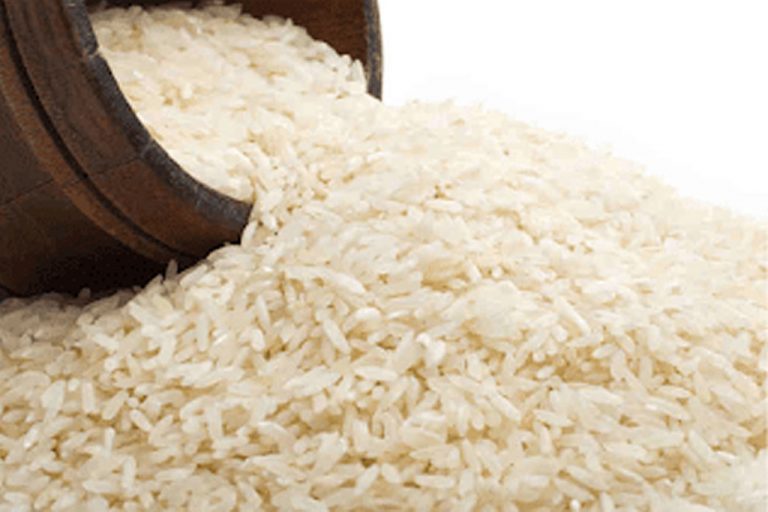
January 04, Colombo (LNW): To address the pressing scarcity of Keeri Samba rice, the Sri Lankan government has taken a significant step by slashing the import tax on a similar rice variety. President Ranil Wickramasinghe, acting as the Finance Minister, announced this move through an extraordinary gazette.
The reduction specifically targets the Special Commodity Levy on rice imported under HS Code 1006.30.29, dropping the tax from a substantial Rs. 65/- per kilogram to a mere Rs. 1/-.
This temporary tax relief, effective from January 2nd to January 21st, 2024, is intended to stimulate increased imports of the alternative rice type, offering a potential solution to the current shortage of Keeri Samba rice.