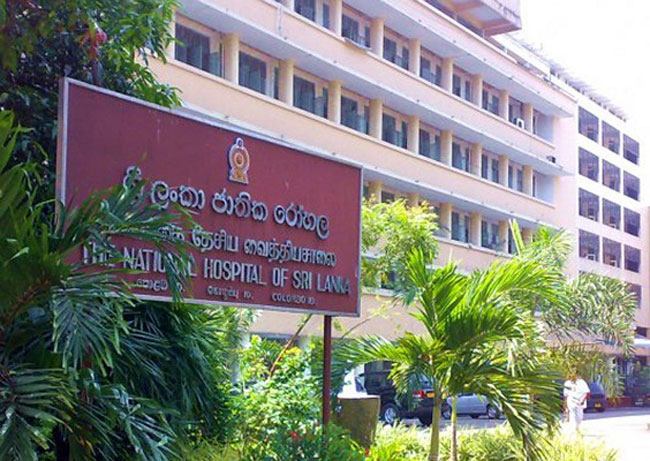
Colombo (LNW): A sudden and unfortunate incident occurred involving the unexpected death of a patient at the Colombo National Hospital. The incident was linked to the inadvertent ingestion of carbon dioxide during the post-surgical recovery care provided.
Following a thorough post-mortem examination, the cause of death was determined to be respiratory hypoxia. However, there was no explicit mention in the report of any unexpected or unusual events at the hospital contributing to the case.
The deceased was identified as a 61-year-old unmarried woman from Nugegoda, who had undergone breast surgery. Notably, she held the position of an executive director at Verité Research.
The mortal remains of the deceased have been respectfully placed at the Borella Remand Flower Hall, with the final rites scheduled for today, the 31st.
Colombo (LNW): SLT-Mobitel, the National ICT Solutions Provider, is spreading festive cheer with a range of exciting seasonal offers for both new and existing customers.
The promotions include extra data benefits, special deals on new products, services, and devices, delighting broadband, PEOTV and smartphone users with amazing surprises.
Offering a joyful December, customers who activate a new Call-A-Tune service stand a chance to win an amazing gift voucher worth Rs. 25,000.
The promotion runs from 20 December 2023 to 20 January 2024. Multiple activations are permitted, increasing the chances of winning.
For all new PEOTV connections, throughout December 2023, SLT-Mobitel offers a free preview of CinemaWorld.
A special movie promotion has also been introduced on PEOTV and customers who enjoy two or more movies during the month of December will stand a chance to win valuable gift vouchers for shopping.
Customers who register for the Duthaya service from 18 to 31 December, enjoy a 10% discount on all services until 31 March 2024, using a unique promo code.
New customers in January 2024 who subscribe to Kaspersky are eligible for a raffle draw. However, the subscription must remain active until 30 April 2024.
Moreover, users who subscribe to Hitflix will receive the first month free, and the offer is valid from 1 to 31 December.
Seasonal delights also include an Eazy Storage Deal where new credit card customers who register from 24 November to 31 December can enjoy 60 days of free Eazy Storage services.
SLT-Mobitel seasonal bonanzas for existing customers include a 50GB FREE 7xFun data bundle valid for 14 days that can be claimed via the MySLT App or MySLT Portal till 31 December 2023 which can be activated from the Data Add-on page.
All Voice customers can enjoy free calls to any network on 24 and 25 December. In addition, based on the Double Play to Triple Play promotion, existing fibre customers can upgrade to Triple Play with a PEOTV connection for Rs. 4,990 + taxes throughout December 2023.
Extending the festive spirit, SLT-Mobitel has introduced an unbeatable range of discounts, up to 52%, on various devices and services purchased from eTeleshop and SLT sales outlets between 15 and 31 December 2023.
Some notable discounts include Mylion Mini UPS up to 52% off, DCP DC UPS with 50% off, Prolink Xtend PRO Wi-Fi Mesh at 43% off, and Kaspersky Standard 3 Devices 1 Year offered at 14% off.
SLT-Mobitel is committed to delivering world-class services and products. Making this festive season even more special, SLT-Mobitel has carefully curated a mix of offers catering to the digital lifestyle requirements of diverse customer segments.
The incredible offers aim to enhance the digital experience for SLT-Mobitel customers, ringing in a wonderful New Year.
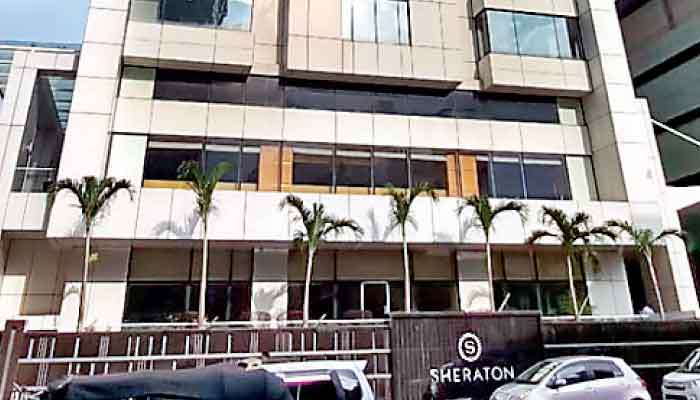
Colombo (LNW): Lanka Hotels and Residencies Ltd. (LHR) Chairman Don Gamini Gunaratne revealed that following years of delay owing to the COVID-19 pandemic and Sri Lanka’s economic woes, the Sheraton Colombo Hotel, which was developed by LHR, was officially launched on 30 December.
He stated that LHR had invested nearly $ 100 million in the development of the Colombo Sheraton Hotel.
He further revealed that LHR had entered into a 30-year management contract with Marriott International for the hotel.
“We have entered into a management contract with them. It is the same principle that has been adopted in Courtyard by Marriott Colombo, which was done by Abans and managed by Marriott,” he stated.
In May 2012, LHR and its promoters – Green Water Resorts Ltd. India and Eurocon Building Industries FZC of the UAE – entered into a management agreement in Colombo with the US-based Starwood Hotels and Resorts Worldwide Inc., owners of the Sheraton brand, to operate and manage the Sheraton Colombo Hotel.
The 320-room Sheraton Colombo Hotel located in Colombo 3, complete with a Presidential Suite and other themed luxury suites along with a collection of four restaurant outlets, was originally scheduled to be launched in 2020.
However, the COVID-19 pandemic and the subsequent economic crisis proved to be a damper on such plans.
The architectural contract for Sheraton Colombo Hotel had been awarded to leading global architectural design consultancy firm WS Atkins, which is also the designer and engineer for Burj Al Arab, the Address Downtown, Dubai Metro, and the 2012 Olympic Games in London.
The interior design contract was awarded to Catallo Associates of Singapore. International hotel brand Sheraton is coming to Sri Lanka with a $80 million investment through a new Sri Lanka partner, contrary to earlier reports that India-based ITC Ltd was bringing the brand here.
ITC Ltd is a franchisee for the US-based Sheraton leisure group and it was earlier announced that this entity was bringing the Sheraton brand in a $75 million investment.
However, Lanka Hotels & Residencies Pvt Ltd and its promoters, Greenwater Resorts Pvt Ltd India and Eurocon Building Industries FZC of the UAE signed an agreement in Colombo with US-based Starwood Hotels & Resorts Worldwide Inc, owners of the Sheraton brand to operate and manage the ‘Sheraton Colombo’ hotel.
The agreement was signed by Lanka Hotels Chairman K.D. Gamini Gunaratne, Nandkishor Chaturvedi and Ravindra Lad (Lanka Hotels’ directors) and Nikhil Manchharam, Starwood Group Vice President .
The architect of the project is W.S. Atkins, designers and engineers of Dubai’s landmark Burj Al Arab hotel and the Olympic Games in London. “Lanka Hotels and the Starwood Group are looking forward to other development opportunities in Sri Lanka,” the statement said.
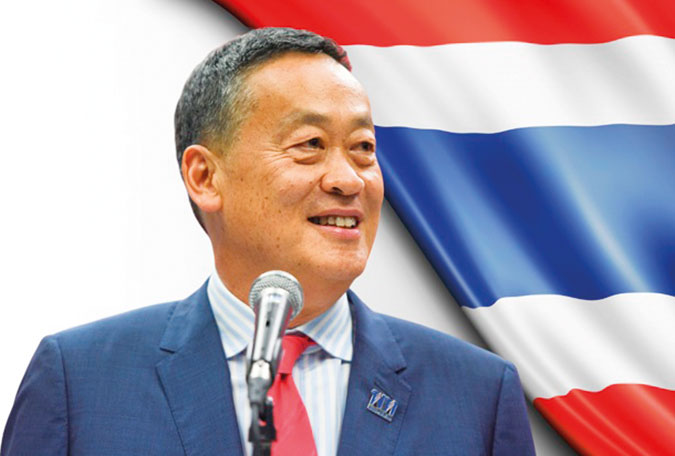
Colombo (LNW): Sri Lanka is set to sign a free trade agreement (FTA) with Thailand during Thai Prime Minister Srettha Thavisin visit to Sri Lanka in February 2024.
Thailand free trade agreement (FTA) wukk be finalized in February 2024 following the latest round of talks between the two countries, according to the Thailand Commerce Ministry.
Tariff cuts under FTAs come as an outcome of negotiation between the two countries, unlike in the case of multilateral liberalisation under the World Trade Organization.
Tariff cuts may not take place instantaneously according to tariff concessions offered under a number of FTAs recently signed by Thailand.
In all cases, the actual tariff cuts have fallen well short of initial expectations. Domestic protectionist lobby plays an important role in determining the actual outcome of FTAs.
Chotima Iemsawasdikul, director-general of the ministry’s Department of Trade Negotiations, told the media that Sri Lanka hosted the ninth round of FTA negotiations with Thailand on Dec 18–20, which was attended by Auramon Supthaweethum, director-general of the Department of Business Development and adviser to the FTA negotiation team.
FTA negotiations between the countries resumed in November after they were put on hold for four years due to the Covid-19 pandemic and ongoing restructuring of Sri Lanka’s government agencies.
Ms Chotima said the latest round of talks agreed on rules on trade, services, investments and economic cooperation.
The Commerce Ministry will submit the results to the cabinet for approval before the premier travels to Sri Lanka to sign the agreement in February, as per an invitation by Sri Lankan President Ranil Wickremesinghe, she said.
Despite being a small country of 22 million people, Sri Lanka plays a significant role in maritime freight in the Indian Ocean, and it is home to abundant natural resources, such as gemstones, graphite and aquatic animals, she said.
Many industries in Thailand will benefit from the FTA, including those in automotive, fashion, gems, metal, electronic goods, machinery, rubber gloves, pet food and corn, she said, adding the FTA will also benefit service firms, including those in finance, insurance, tourism and research and development.
From January to October this year, the value of two-way trade between Thailand and Sri Lanka was worth US$320.37 million (about 10.9 billion baht).
Thailand exported goods worth $213.49 million, while it imported goods worth $106.88 million from Sri Lanka.
The much-anticipated Sheraton Colombo Hotel, part of the world’s largest hotel chain Marriott International, is expected to be officially opened today.
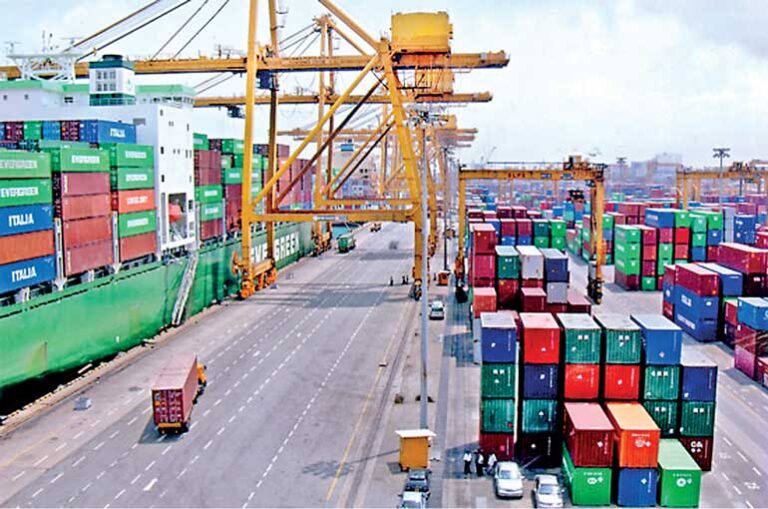
Colombo (LNW): Sri Lankan importers are proactively increasing container imports, placing orders hurriedly and deliberately exploiting January VAT surge with a sole purpose of earning profits by selling their commodity stocks at high prices, the finance ministry disclosed.
Importers are exceeding their daily imports of containers to capitalize from VAT hike in January, Finance State Minister Ranjith Siyambalapitiya claimed.
Addressing the media, he said the daily container imports, which were 700, had suddenly increased to beyond 1,000, causing huge congestion at the port to release them.
“The trick of these importers is to sell these goods at a higher price with the VAT by completing the clearance process before January 1, when the VAT will be increased to 18%,” the Minister said.
He mentioned that it is also the responsibility of the media to intervene to stop such actions.
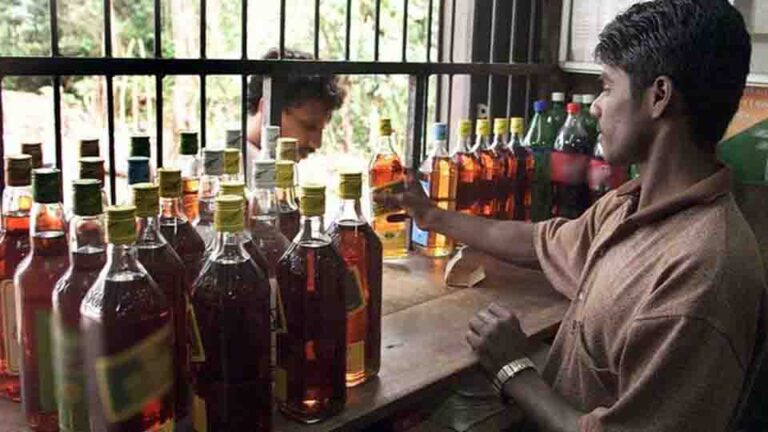
Meanwhile, the minister also commented on the need to raise the price of alcohol again due to the increase in VAT.
He said that although goods like fuel, gas, and chemical fertilisers are subject to VAT, the price of non-essential goods like alcohol will increase due to the decision to exempt ports and airports fees.
The deficit in the merchandise trade account narrowed to US dollars 390 million in November 2023, compared to the deficit of US dollars 449 million recorded in November 2022 as well as US dollars 683 million recorded in October 2023.
In the meantime, the cumulative deficit in the trade account during January to November 2023 narrowed to US dollars 4,414 million from US dollars 4,827 million recorded over the same period in 2022.
Due to the inaction of the Customs officials, a large number of containers, including essential food, are caught in heavy traffic in the port, the All Island United Container Transport Owners’ Association (AIUCTOA) said.
AIUCTOA president Sanath Manjula told Ports, Shipping, and Aviation Minister Nimal Siripala de Silva during his official visit to the Ports Authority that the traffic situation has been created artificially by the wharf clerks.
Many containers, including potatoes and onions, are stuck at the port.The wharf clerks take money underhand to release container lorries, Manjula said, adding that there was a system to release container trucks by the drivers themselves. But the wharf clerks interfere and create this artificial traffic.
He complained to Minister Silva to introduce a new system to clear the issues and also told the Minister to take this issue to the President for a new system.
“If these containers are not released soon, the congestion will increase. This situation will also affect the country’s economy,” the association president said.
Colombo (LNW): In light of the recent Value Added Tax (VAT) increase, the Excise Department is intensifying its efforts to curb illegal liquor activities, articulating a commitment to rigorous enforcement of pertinent laws.
Kapila Kumarasinghe, the Excise Commissioner and Spokesperson, has officially acknowledged that directives have been issued to officials to escalate the frequency and intensity of targeted raids.
This strategic response by the Excise Department underscores the recognition of potential challenges arising from the VAT hike and the necessity to address unlawful practices related to liquor collection.
The move indicates a proactive stance in upholding regulatory frameworks and deterring illicit activities within the liquor industry.
Colombo (LNW): The Sri Lankan government has decided to defer the compulsory initiation of tax file openings from January 1st to February 1st, providing citizens with an extended timeframe to comply with the new requirement, Finance State Minister Ranjith Siyambalapitiya disclosed.
He explained that individuals can easily register through the online system on the Inland Revenue Department (IRD) website.
The process only requires a National Identification Card for account creation, he emphasised.
Siyambalapitiya clarified the mandatory registration with the department, adding that tax payments are applicable only if an individual’s monthly income exceeds Rs. 100,000.
In alignment with Budget 2024, the Tax Identification Number will become obligatory for various transactions, including opening a bank current account, obtaining approval for a building plan, registering or renewing a motor vehicle license, and registering a land or title transfer.
This move aims to streamline financial processes and enhance tax compliance within the country.
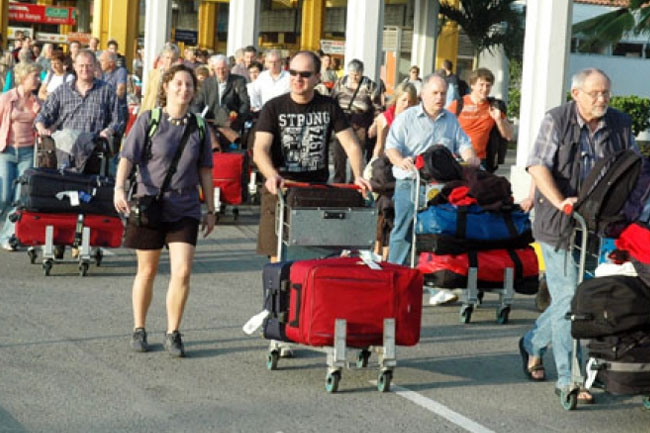
Colombo (LNW):Tourist arrivals in Sri Lanka in December 2023 exceeded the 200,000 mark, reaching the highest level in the past four years.
Tourism Minister Harin Fernando reported that the total foreign tourist arrivals for the year have nearly reached 1.5 million, suggesting a positive trend in Sri Lanka’s tourism industry.
This surge in tourist numbers is a notable development, reflecting an increased interest in Sri Lanka as a travel destination.
The industry’s performance, as indicated by these figures, may be attributed to various factors, such as promotional efforts, easing travel restrictions, or global trends favouring certain destinations.
While the rise in tourist arrivals can be seen as a positive sign for the country’s economy, it is essential to scrutinise the factors contributing to this increase.
Examining the quality of the tourist experience, the distribution of benefits across the local communities, and the sustainability of tourism practices are critical aspects that warrant attention.
The government’s role in ensuring responsible tourism management, infrastructure development, and the protection of cultural and natural resources becomes crucial in the context of such significant growth in tourist numbers.
As the tourism industry plays a vital role in the country’s economy, it is essential to approach its growth with a comprehensive and sustainable strategy. Assessing the long-term implications of increased tourist arrivals and implementing measures to address potential challenges will be instrumental in fostering a resilient and responsible tourism sector in Sri Lanka.
Colombo (LNW): Governor of the Central Bank of Sri Lanka (CBSL) Dr. Nandalal Weerasinghe highlighted the government’s flexibility to renegotiate the International Monetary Fund (IMF) programme but underscored the critical condition of adhering to the current path for international support.
This nuance raises concerns about the government’s commitment to necessary reforms and its potential impact on global assistance.
In a press conference, Weerasinghe emphasised that deviating from the established path would result in a lack of international support.
The ongoing renegotiation process within the IMF programme, initiated in September of the previous year, is crucial for determining commitments before disbursing subsequent tranches.
While Weerasinghe mentioned the absence of restrictions for policy changes over the next four years, the overarching imperative is to advance with the current programme to secure international backing.
The CB Chief specifically noted that foreign governments and commercial entities are offering debt relief with the understanding that the programme is progressing.
However, the implication that any alteration to this trajectory could lead to a reevaluation of debt relief decisions raises questions about the government’s commitment to consistent policies.
The backdrop of certain political leaders, including Opposition Leader Sajith Premadasa, expressing intentions to renegotiate the IMF agreement if they come to power adds complexity to the situation.
This dynamic suggests potential shifts in the government’s approach to economic reforms and raises concerns about the stability of the current economic trajectory.
Colombo (LNW): A total of 44 Sri Lankan detainees held in various prisons across the United Arab Emirates (UAE) have been granted clemency through a Royal order, in commemoration of the 52nd National Day of the United Arab Emirates (UAE) on December 2.
These 44 individuals, beneficiaries of the clemency, are slated for repatriation to Sri Lanka under the coordination of the UAE government.
The Ministry of Foreign Affairs of the UAE officially conveyed this decision to the Sri Lankan Embassy in Abu Dhabi.
This significant gesture follows President Ranil Wickremesinghe’s recent visit to the UAE for COP28, indicative of the positive trajectory in diplomatic relations between the two nations.
The Sri Lankan Embassy in Abu Dhabi expressed optimism that this act of clemency will contribute to the strengthening of friendly relations between Sri Lanka and the UAE.