By: Isuru Parakrama
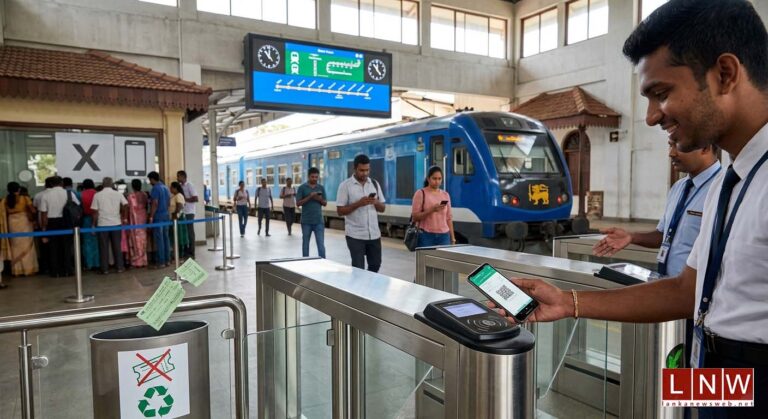
March 29, Colombo (LNW): Sri Lanka is preparing to phase out traditional paper train tickets as part of an ambitious plan to modernise its railway network with a fully digital ticketing system.
Deputy Minister of Transport and Highways, Prasanna Gunasena, announced that new electronic ticket validation devices have already begun appearing at selected stations, signalling the start of a broader technological upgrade. The initiative is intended to simplify travel for passengers while improving efficiency across the network.
According to officials, the new system will build upon existing online reservation services, allowing commuters to book, store, and present tickets digitally via mobile devices or smart cards. Authorities believe this shift will not only reduce queues at ticket counters but also curb ticket fraud and revenue leakages.
A pilot programme is set to commence in April along the Kelani Valley line, with initial implementation at stations including Narahenpita, Nugegoda, Makumbura, Homagama, and Padukka. During this phase, passengers will be able to test the new system while staff gather feedback to refine operations.
The government aims to complete the island-wide rollout before the end of the year, provided the pilot proves successful. Officials added that future enhancements could include real-time seat availability, integrated transport payments, and improved scheduling information, offering commuters a more seamless and modern travel experience.
Sri Lanka Railways Moves Towards Fully Digital Ticketing System
Sri Lanka Introduces Digital Asset Declaration Platform to Strengthen Transparency
By: Isuru Parakrama
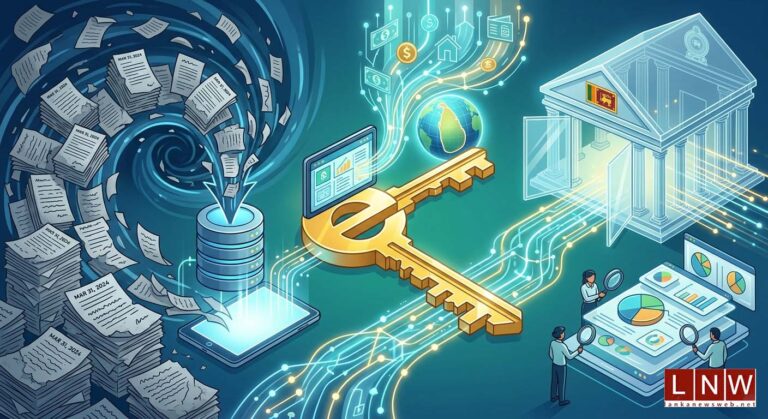
March 29, Colombo (LNW): Sri Lanka is set to roll out a centralised electronic platform for the declaration of assets and liabilities from March 31, marking a significant shift towards digital governance.
The new system is designed to replace the largely paper-based process currently in use, enabling public officials and relevant individuals to submit their financial disclosures through a streamlined online interface. Authorities believe this transition will reduce delays, minimise errors, and improve overall accountability.
Officials noted that the platform will incorporate advanced verification tools capable of flagging inconsistencies in declarations, as well as identifying patterns that may suggest unexplained wealth accumulation. This is expected to enhance the ability of regulators to detect and investigate potential misconduct more effectively.
The Commission to Investigate Allegations of Bribery or Corruption (CIABOC) has described the initiative as a key milestone in modernising Sri Lanka’s anti-corruption framework. By leveraging technology, the commission aims to reinforce institutional independence while ensuring greater transparency in public service.
In addition, the system is expected to improve data accessibility for oversight bodies and could pave the way for closer coordination with other regulatory agencies, further tightening scrutiny over financial disclosures in the country.
Legal Action Launched Against Traders Amid Crackdown on Rice Hoarding
By: Isuru Parakrama
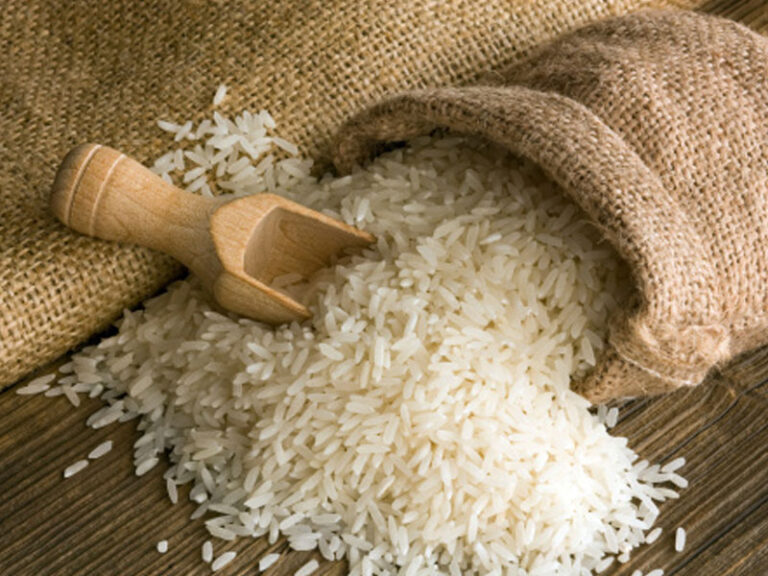
March 29, Colombo (LNW): Sri Lankan authorities have initiated legal proceedings against a number of traders accused of stockpiling rice and withholding supplies from ordinary consumers.
The cases are being filed before the Maligakanda Magistrate’s Court following a series of enforcement நடவடitions carried out by the Consumer Affairs Authority (CAA), acting on public complaints about irregular trading practices.
One such operation took place earlier today at the Kirulapone Public Market, where officials uncovered alleged attempts to manipulate supply. Investigators reported that certain vendors were deliberately restricting access to rice stocks, choosing instead to channel supplies to bulk buyers.
In one instance, a trader holding a valid retail licence was found to be diverting rice exclusively to hotels, bypassing regular retail customers altogether. Authorities view this as a serious breach of trading regulations, particularly at a time when demand for staple foods remains high.
The inspection reportedly led to a tense confrontation between enforcement officers and a shop owner, highlighting the growing friction between regulators and some segments of the trading community.
The CAA has intensified its island-wide inspections in the run-up to the festive season, with a particular focus on essential commodities such as rice, sugar, and flour. Officials warn that those found hoarding goods, refusing to sell, or inflating prices unfairly will face strict legal consequences.
Consumers have also been encouraged to report suspicious market behaviour, as the government steps up efforts to stabilise food distribution and protect household budgets during a period of economic pressure.
Emergency Regulations Prolonged as Sri Lanka Responds to Cyclone Aftermath
By: Isuru Parakrama
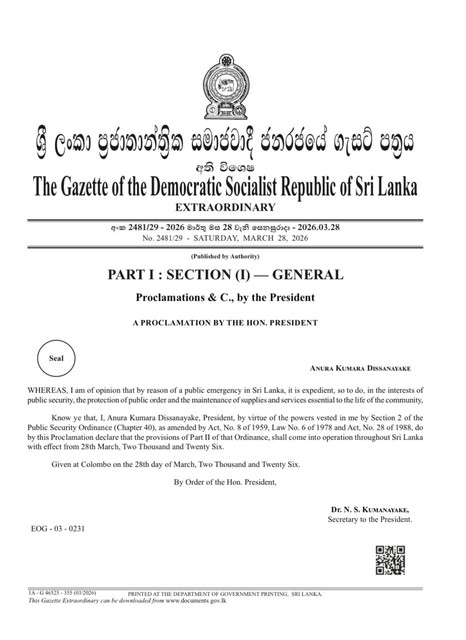
March 29, Colombo (LNW): Sri Lanka’s nationwide State of Public Emergency has been extended for a further month, following a directive issued under the authority of President Anura Kumara Dissanayake.
The formal notification, released by Presidential Secretary Dr N. S. Kumanayake, confirms that the extension is intended to support ongoing recovery efforts after the severe impact of Cyclone Ditwah, which has disrupted several parts of the island in recent weeks.
Authorities indicated that the continuation of emergency provisions will enable the government to act swiftly in safeguarding communities, restoring stability, and preventing further deterioration of living conditions in affected regions. The move is also aimed at ensuring that relief operations and reconstruction work proceed without administrative delays.
In tandem with the extension, the government has renewed regulations designating a broad range of public sector functions as essential services. This includes operations carried out by state institutions, local authorities, and cooperative bodies, all of which are considered critical to maintaining day-to-day life.
Key sectors such as electricity generation and distribution, fuel and gas supply, healthcare delivery, and public transport will remain under essential service status. Officials say this measure is necessary to guarantee uninterrupted access to vital services while the country continues to recover from the cyclone’s aftermath.
India Steps In as Sri Lanka Secures Emergency Fuel Lifeline
By: Isuru Parakrama
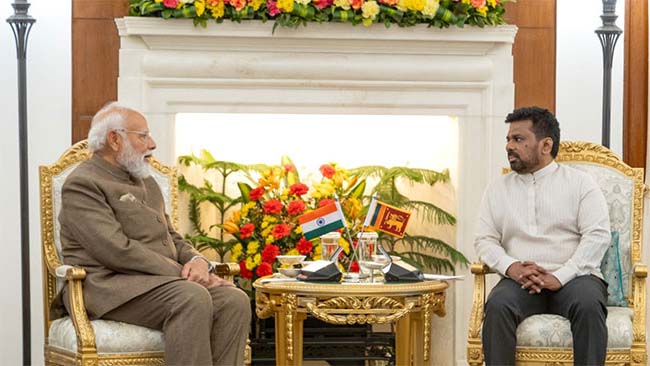
March 29, Colombo (LNW): President Anura Kumara Dissanayake has conveyed his appreciation to Indian Prime Minister Narendra Modi and the Government of India for their timely assistance in helping Sri Lanka navigate its ongoing energy shortfall.
The President revealed that he had recently held discussions with Prime Minister Modi regarding the disruption to fuel imports, which has been triggered by escalating tensions in the Middle East. These developments have significantly strained Sri Lanka’s already fragile energy supply chain.
In a message shared on social media, President Dissanayake acknowledged India’s rapid response, noting that a substantial fuel consignment had reached Colombo. He also extended thanks to India’s External Affairs Minister for maintaining close coordination throughout the process.
The shipment, comprising approximately 38,000 metric tonnes of diesel and petrol, docked at Colombo Harbour on 28 March. Officials confirmed that the delivery followed high-level diplomatic engagement between the two nations earlier in the week, underscoring the importance of regional cooperation during times of crisis.
Further discussions between senior foreign affairs representatives from both countries also contributed to expediting the arrangement, ensuring that the supply reached Sri Lanka without further delay.
Prior to this development, Lanka IOC had arranged fuel imports from suppliers in the Middle East and Singapore. However, those deliveries were cancelled after suppliers declared force majeure, citing logistical challenges and instability in the region that rendered transport unfeasible.
Faced with the risk of severe shortages, Sri Lanka turned to India for urgent assistance. The latest shipment forms part of these emergency measures, facilitated through Indian Oil Corporation.
Authorities in Colombo have indicated that this support will play a crucial role in maintaining uninterrupted fuel distribution across the country, easing pressure on both consumers and essential services.
Sajith Premadasa Thanks India for Timely Fuel Support to Sri Lanka
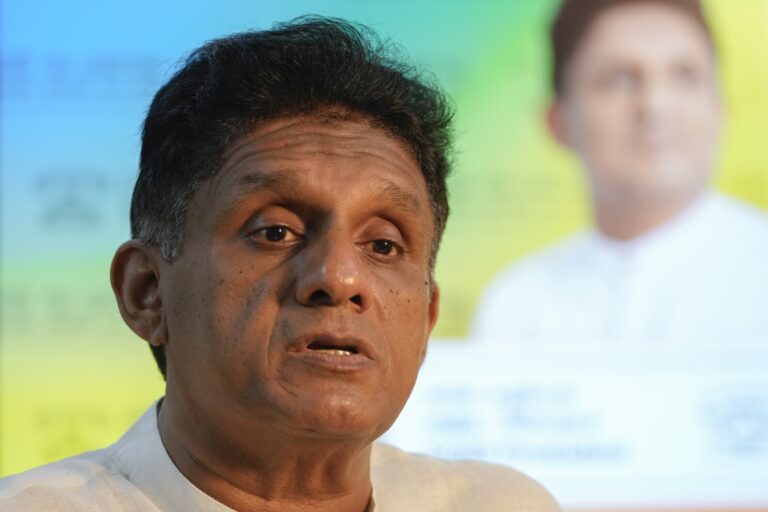
March 29, LNW (Colombo): Opposition Leader Sajith Premadasa has expressed his appreciation to India for its decision to provide fuel assistance to Sri Lanka during a critical period.
In a message shared on X, Premadasa thanked India for its emergency support, highlighting the importance of strong international partnerships in times of crisis.
“We thank India for the emergency fuel support, a reminder that relationships are tested in crisis, not comfort. Let us not forget those who stood by us when it mattered,” he stated.
The gesture from India comes as Sri Lanka continues to navigate economic challenges, with fuel shortages having previously caused significant disruptions across the country. The assistance is seen as a reflection of the longstanding ties between the two nations and their continued cooperation during difficult times.
“NO KINGS” Protests Sweep Across U.S. as Demonstrators Rally Against Trump Policies
By: Puli
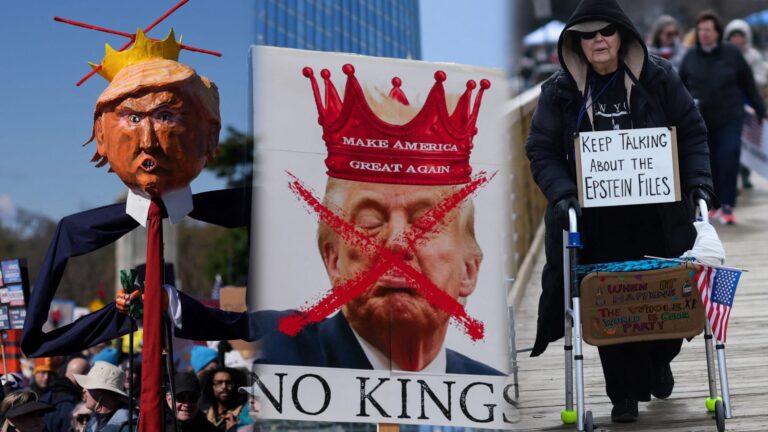
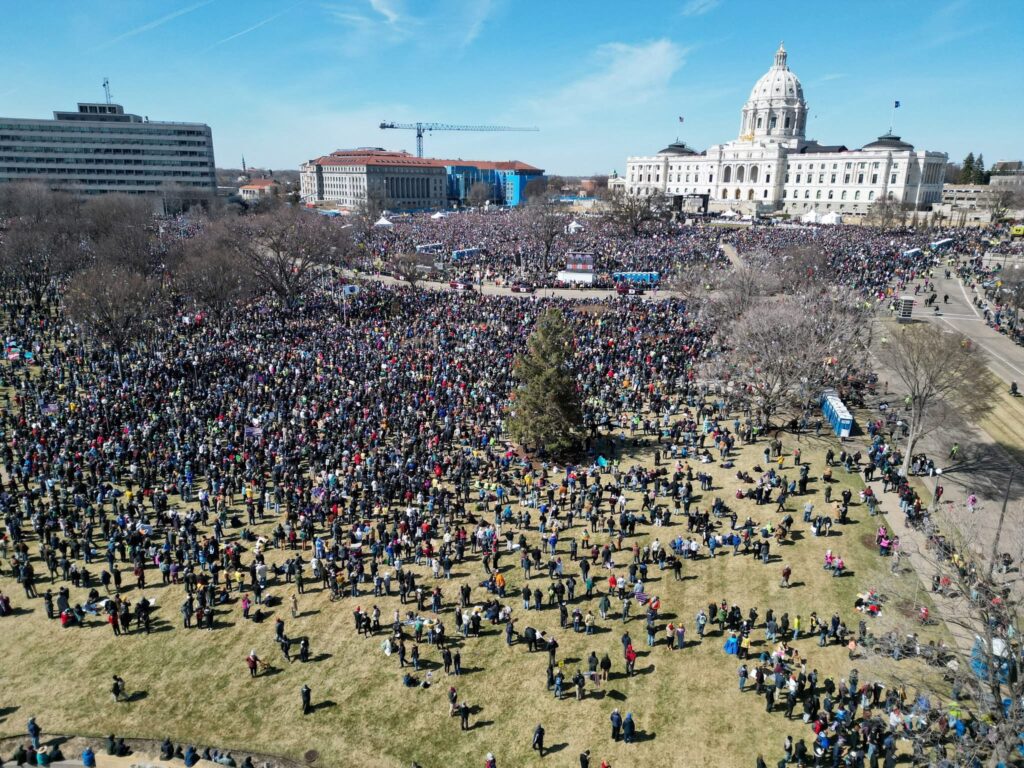
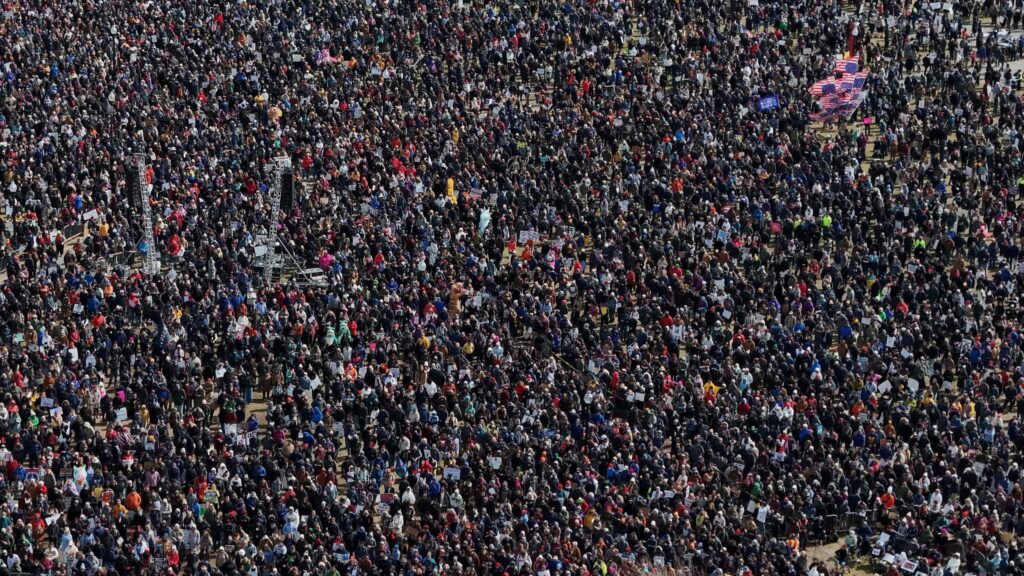
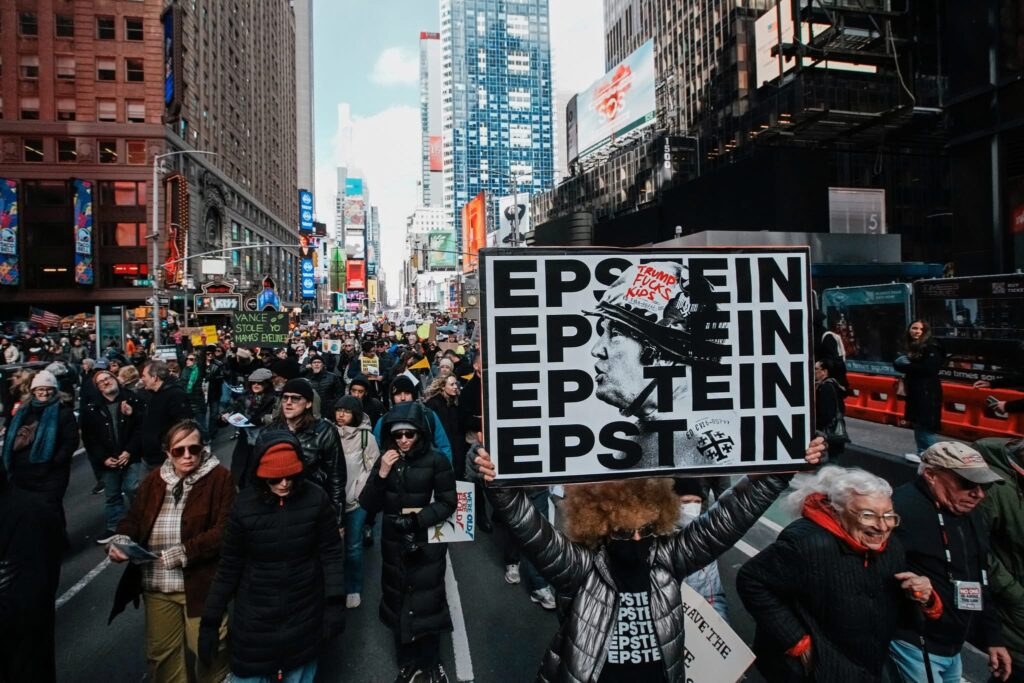
March 29, LNW (Colombo): Widespread protests under the banner of “NO KINGS” have erupted across major cities in the United States, marking the third wave of demonstrations that organizers say have previously drawn millions of participants. The rallies reflect growing public dissent against the administration of Donald Trump.
Organizers state that the protests are driven by opposition to several key policies, including the ongoing conflict involving Iran, intensified federal immigration enforcement measures, and the rising cost of living affecting many Americans. Demonstrators argue that these issues are placing increasing pressure on ordinary citizens while benefiting a select few.
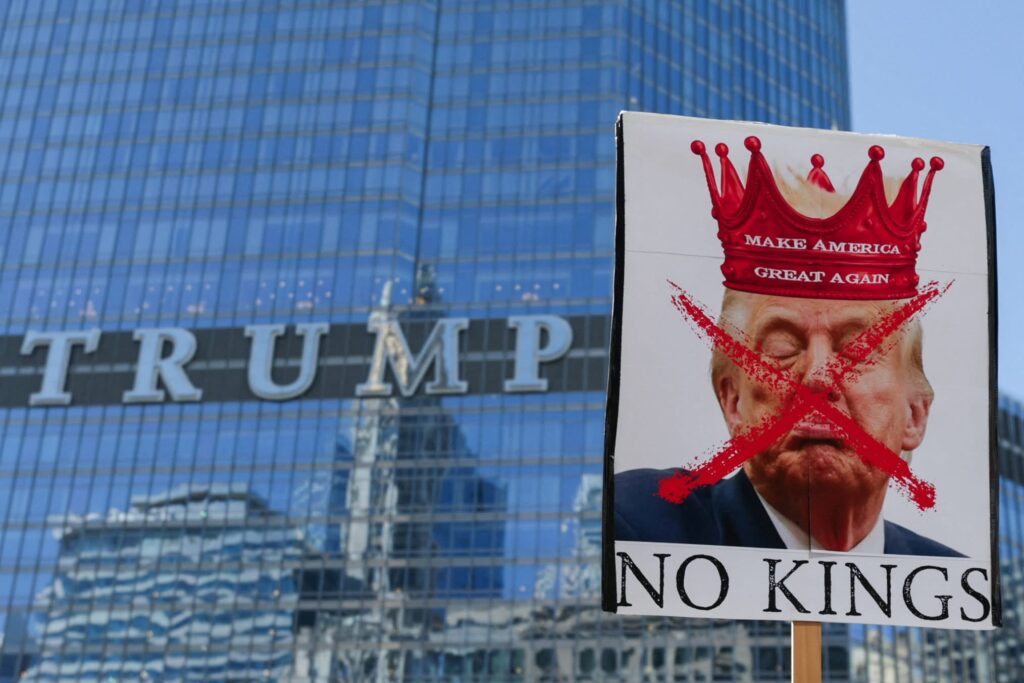
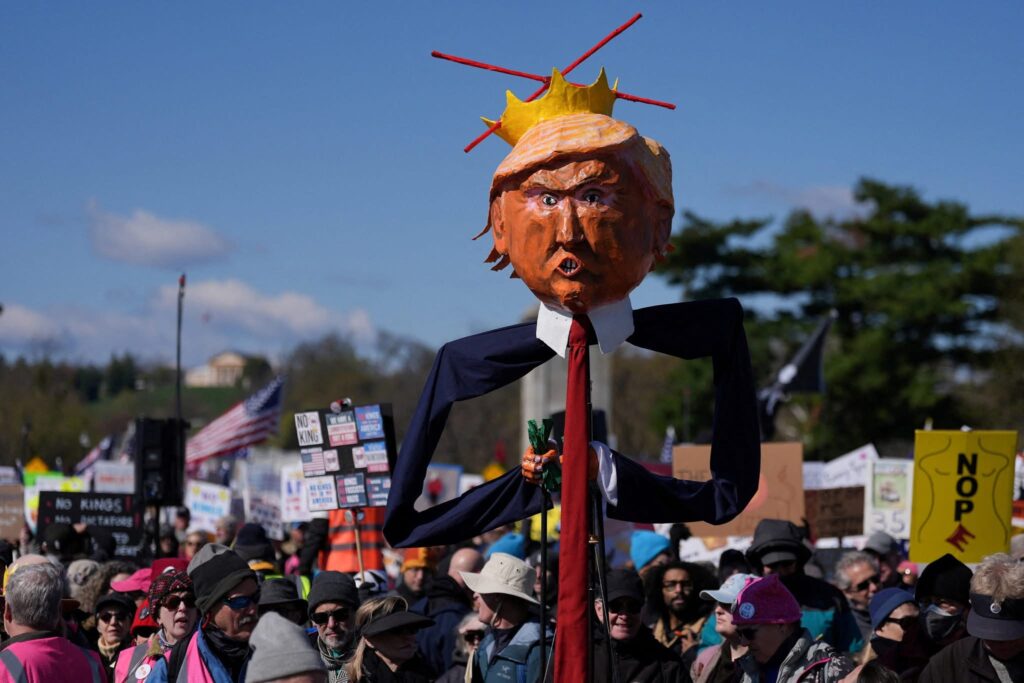
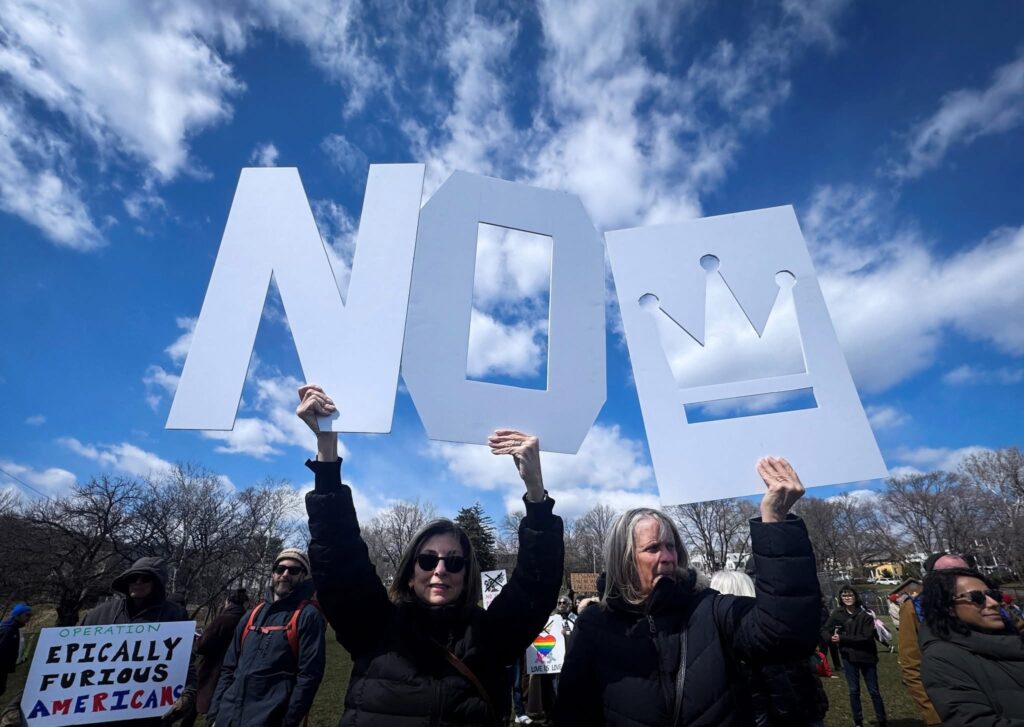
In a strongly worded message, protest leaders declared that the movement stands against what they describe as authoritarian tendencies. They emphasized that democratic power lies with the people, rejecting any form of leadership they perceive as resembling monarchy or rule by elites.
The demonstrations, held in cities such as New York, Los Angeles, and Chicago, have seen large crowds gathering peacefully, with participants carrying signs and chanting slogans centered on democracy, accountability, and economic fairness. Authorities have maintained a visible presence to ensure public safety, though no major incidents have been widely reported.
Meanwhile, the White House dismissed the protests, with a spokesperson describing them as “Trump Derangement Therapy Sessions,” claiming they are largely amplified by media coverage rather than widespread public concern.
Despite the criticism, organizers have pledged to continue the “NO KINGS” movement, signaling that further nationwide rallies could take place in the coming months as political tensions remain high.
Russian Deputy Foreign Minister Rudenko to Visit Sri Lanka for Key Bilateral Talks
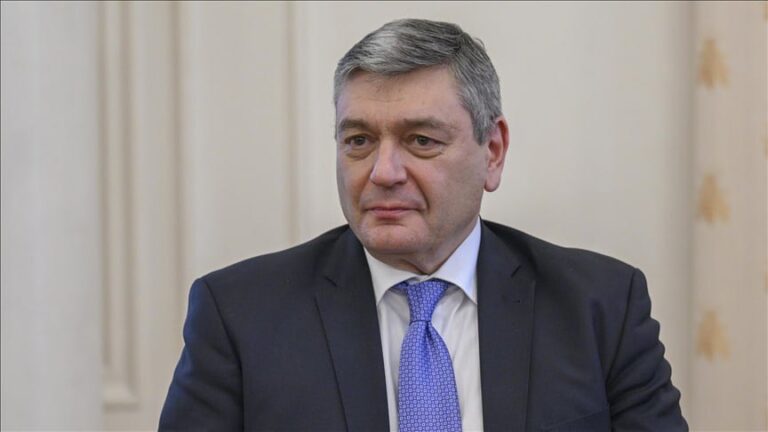
March 29, LNW (Colombo):Russia’s Deputy Foreign Minister Andrey Rudenko is set to visit Sri Lanka on March 31, 2026, to take part in the 11th round of bilateral political consultations between the two nations.
According to the Ministry of Foreign Affairs Sri Lanka, the visit is expected to further enhance the long-standing diplomatic relationship and promote broader cooperation across various sectors between Sri Lanka and Russia.
Afternoon Thundershowers Expected in Western and Southern Regions; Dry, Warm Weather Elsewhere
LNW (Colombo): Showers or thundershowers will occur at a few places in Sabaragamuwa province and in Colombo, Kaluthara, Galle, and Matara districts after 2.00 pm.
Mainly dry and warm weather will prevail over the other parts of the island.
Misty conditions can be expected at some places in Western, Central, Sabaragamuwa and Uva provinces and in Galle and Matara districts during the early hours of the morning.
The general public is kindly requested to take adequate precautions to minimize damages caused by temporary localized strong winds and lightning during thundershowers.
The Vellālar Paradox: How a Dominant Elite Forged Power—and Gradually Lost Its Grip
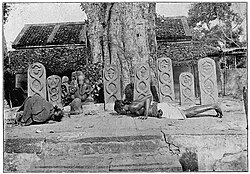
From agrarian authority to intellectual ascendancy—the forces that reshaped a once-dominant order.
By Roger Srivasan
The history of the Sri Lankan Tamil Vellālar community is, in many respects, the history of continuity through adaptation. From the irrigated fields of the Jaffna Peninsula to the debating chambers of modern politics, their journey reflects a rare ability to transform power without relinquishing it.
During the era of the Jaffna Kingdom, agrarian order was the bedrock of statecraft. Land was not merely an economic asset; it was the axis upon which authority revolved. Within this structure, the Vellālars emerged as indispensable intermediaries—custodians of cultivation, arbiters of local governance, and quiet architects of rural stability. Their influence was reinforced through temple institutions such as Nallur Kandaswamy Temple, where ritual authority fused seamlessly with social hierarchy.
In theory, ritual precedence rested with the Brahmin priesthood; in practice, however, the axis of influence lay elsewhere. The Brahmins, custodians of ritual and guardians of sacred tradition, remained largely within the precincts of temple life. The Vellālars, however, stepped beyond those confines—embracing education, entering the professions, and engaging with the machinery of governance. In that quiet yet consequential divergence, the balance of influence was reshaped: one preserved continuity, while the other forged ascendancy.
The collapse of the Jaffna Kingdom did not extinguish this influence; it merely altered its expression. Under colonial rule, particularly during British administration, the Vellālar elite executed a strategic pivot. They exchanged the plough for the pen, embracing English education and entering the corridors of bureaucracy. In doing so, they reconstituted themselves as an intellectual and administrative class, retaining their leadership while adapting to a radically altered political landscape.
This transformation found its fullest expression in the political sphere of the twentieth century. Figures such as G. G. Ponnambalam and S. J. V. Chelvanayakam embodied this evolution—men who combined inherited social capital with modern political articulation. Their leadership signalled a transition from inherited dominance to ideological stewardship, from hierarchy to advocacy.
The persistence of Vellālar leadership was underpinned by a convergence of structural advantages: early access to education, dense social networks, cultural authority, and a continuity of elite formation that stretched from temple trusteeship to colonial administration and into modern politics. For a considerable period, this alignment proved remarkably resilient.
Yet, this continuity was not immune to disruption. From the latter half of the twentieth century onward, the forces of social change, political upheaval, and conflict began to erode the foundations of traditional hierarchy. New actors emerged, new forms of mobilisation took shape, and authority—once concentrated—became increasingly diffused. The very adaptability that had sustained Vellālar dominance now encountered limits in a rapidly transforming landscape.
In the final reckoning, the story of the Vellālar elite is neither one of abrupt decline nor quiet irrelevance, but of a gradual loosening of a once-assured grip on the levers of society. The forces that reshaped Sri Lanka—education beyond traditional confines, the rise of new social actors, and the disruptive currents of conflict and modernity—did not so much displace this order as diffuse it. What was once concentrated became dispersed; what was once inherited became contested. Yet the imprint remains unmistakable. The institutions they shaped, the intellectual traditions they fostered, and the political pathways they forged continue to endure, even as the certainties that once underpinned their dominance have gently, but irrevocably, slipped from their grasp.
Power, after all, is rarely lost in a moment—it is relinquished, almost imperceptibly, in the passage of time.