President Ranil Wickremesinghe says salaries of State Sector employees will be increased via the Budget 2024 and that the Private Sector too will be requested to do the same.
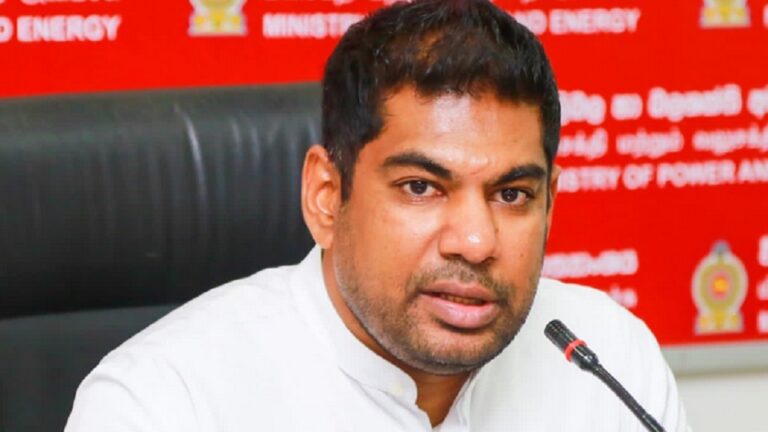
Minister of Power & Energy Kanchana Wijesekera says the proposed Electricity sector Reforms Bill was submitted for Cabinet approval.
State Minister of Finance Shehan Semasinghe says “Aswesuma” applicants who were not selected for the benefit due to technical & management issues will be screened again during “Aswesuma Week” from November 6 – 12 & eligible persons will receive the benefits, effective from July’23: also says “Aswesuma” payments for August’23 will be credited to the beneficiary accounts on November 1 & the allowance for September’23 will also be credited during November’23.
Former CB Deputy Governor W A Wijewardene points out to analyst Dhananath Fernando’s view that SL still does not have sufficient forex to meet its requirements and that when it starts to repay debt after re-structuring, the forex outflow will be more than the limited availability of inflows: explains the implication of that situation is that the exchange rate might start crashing at any time.
Maligakanda Magistrate imposes a foreign travel ban on the owner of the company which has been accused of importing 22,500 substandard immunoglobulin vials: also imposes a travel ban on the 2 top Govt employees who approved the importation.
Sri Lanka’s debt office rejects all bids at an auction for the sale of Rs.45 bn Treasury Bonds comprising of Rs.22.5 bn of 2028 maturity & Rs.22.5 bn of 2031 maturity: market participants say the sentiment is negative.
Jaffna’s Blood Bank informs that it is facing a severe shortage of all blood types & that the shortage is significantly affecting the hospital’s ability to conduct scheduled surgeries.
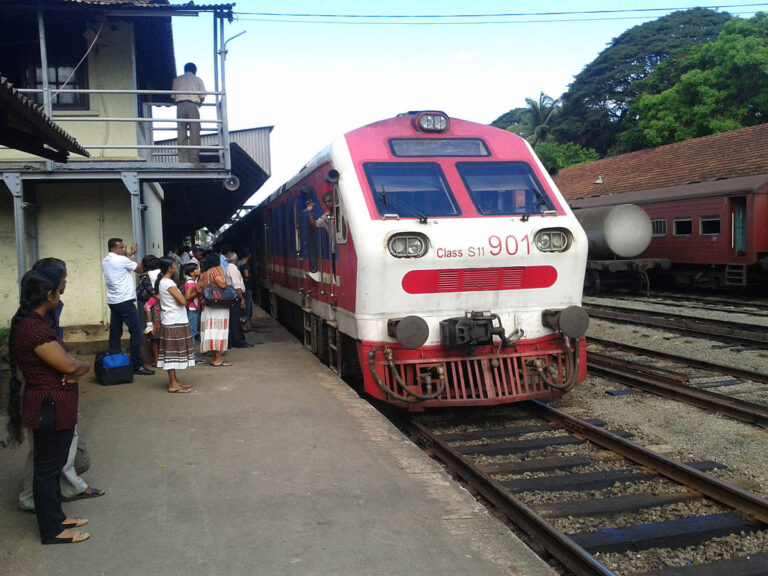
SL Railways says several office trains which were scheduled for the evening of 30 October were cancelled due to the shortage of railway guards.
Sri Lanka loses to Afghanistan by 7 wickets in the ICC World Cup 2023 group level match: SL – 241 (49.3 overs): Pathum Nissanka 46, Kusal Mendis 39, Sadeera Samarawickrama 36; AFG – 242/3 (45.2 overs): Dilshan Madushanka 48/2).
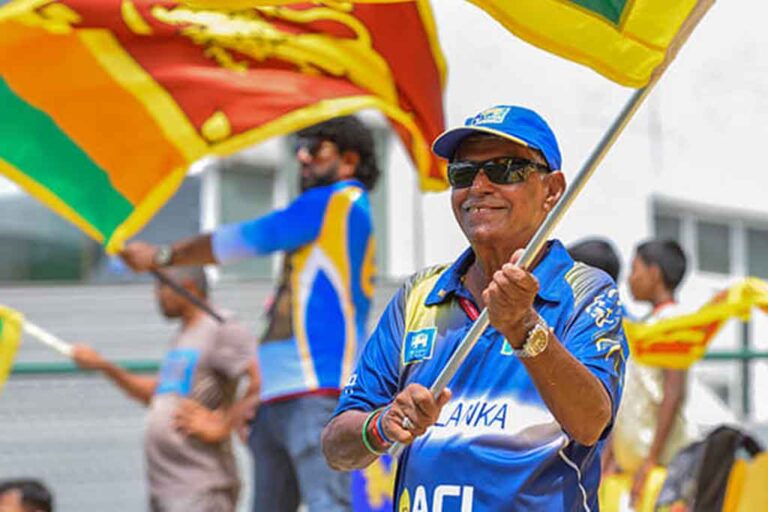
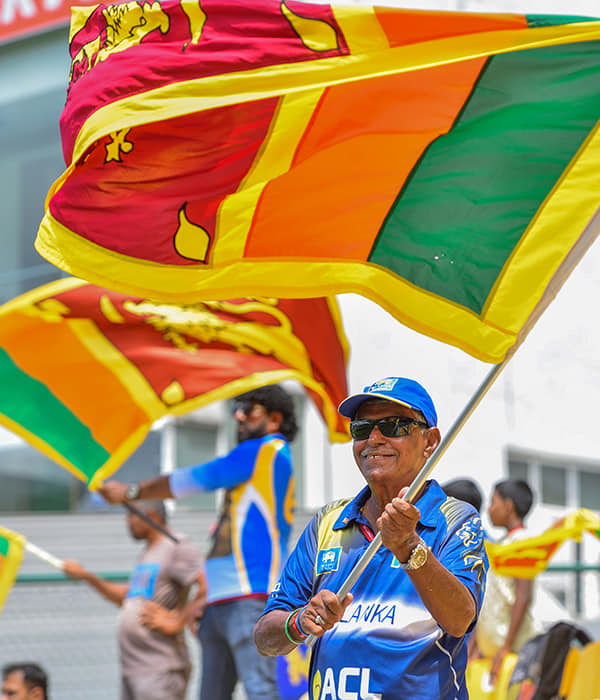
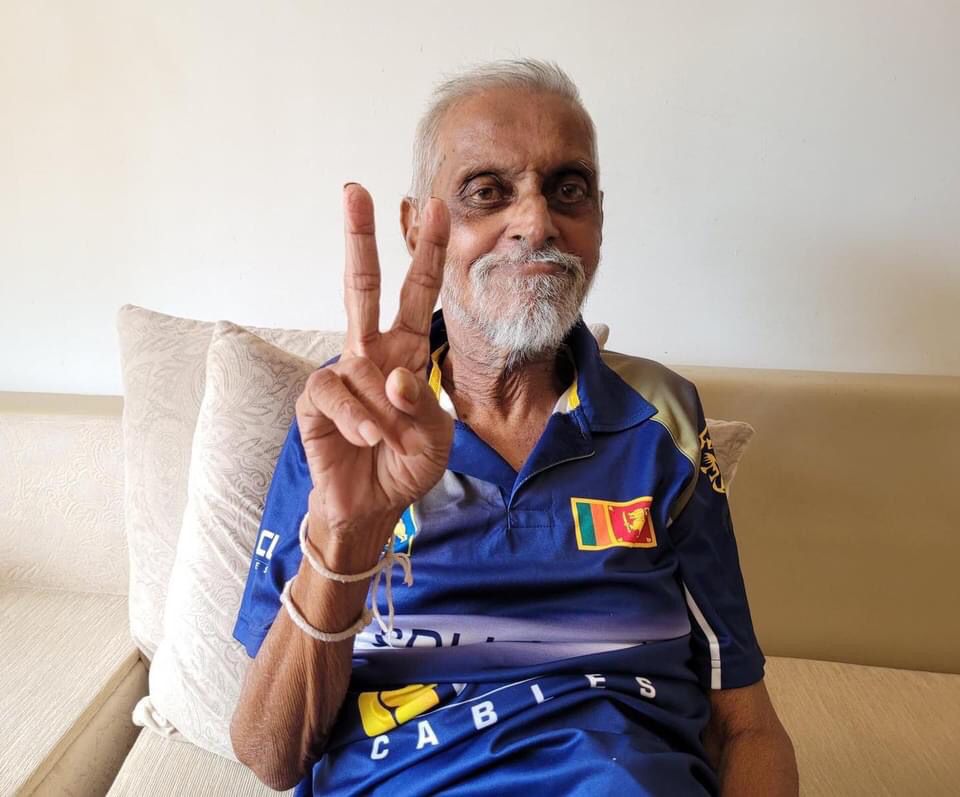
Percy Abeysekera 87, who led the cheers for the Sri Lanka cricket team for many years, passes away.
Colombo (LNW): The proposed Electricity Sector Reforms Bill was submitted to the Cabinet today (30) for its observations and approval, Power and Energy Minister Kanchana Wijesekara said.
The proposed reforms will unbundle the services of the Ceylon Electricity Board (CEB), improve efficiency, transparency, competition and allow private sector participation in the electricity industry, the Minister wrote on his official X account.
“The Bill was prepared over the last 10 months with the assistance of energy and legal experts from development agencies and industry stakeholders. The Bill received the certification of the Attorney General last week after the proposed amendments by the AGs Dept was incorporated by the Legal Draftsman’s,” he wrote.
Wijesekara added that once the Cabinet approves the Bill, it will be gazetted and tabled in the Parliament for approval.
Today, I tabled the proposed Electricity sector Reforms Bill for the observations & approval of the Cabinet of Ministers.
The proposed reforms will unbundle the services of CEB, improve efficiency, transparency, competition & allow private sector participation in the…
Colombo (LNW): Two officials from the Paddy Marketing Board (PMB) have been suspended following the vanishing of nearly 700,000 kilograms of paddy stocks valued between Rs. 65 – 70 million.
Media outlets have reported that these paddy stocks went missing from two state-owned storage facilities in Kurunegala.
The Chairman of the Paddy Marketing Board has confirmed the suspension of these two officials linked to the disappearance.
Last week, Agriculture Minister Mahinda Amaraweera requested a report in response to claims of paddy stocks missing from five state storage facilities in the Kurunegala District.
Numerous grievances were lodged by PMB staff, suggesting that officials from both the central and regional PMB offices were implicated in the missing stocks.
Colombo (LNW): The heart of Sri Lankan cricket fandom, Mr. Percy Abeysekera, has passed away.
Known affectionately as “Uncle Percy”, he was the unwavering cheerer for the Sri Lankan National Cricket Team for countless years, bringing joy, passion, and fervour to every match.
At the age of 87, after bravely battling his ailments at Ragama Hospital, he drew his final breath.
Born on July 30, 1936, in Galle Bussa, he wasn’t just a fan; Mr. Abeysekara was an emblem of dedication and spirit for the sport.
His family, enveloped in grief, will announce funeral arrangements in due course. Today, the world of cricket mourns an irreplaceable loss.
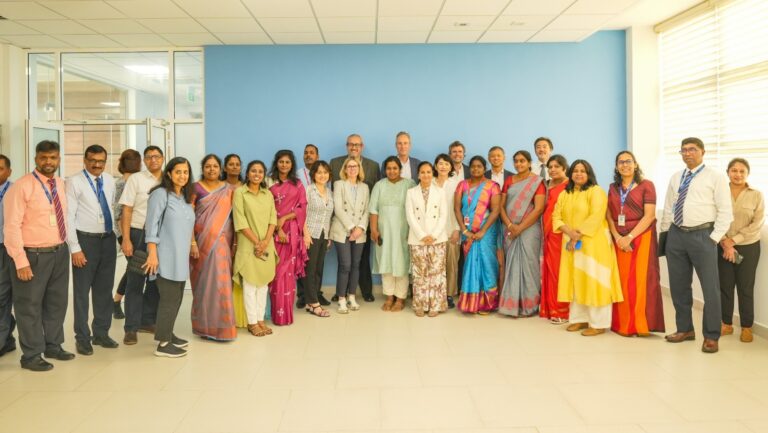
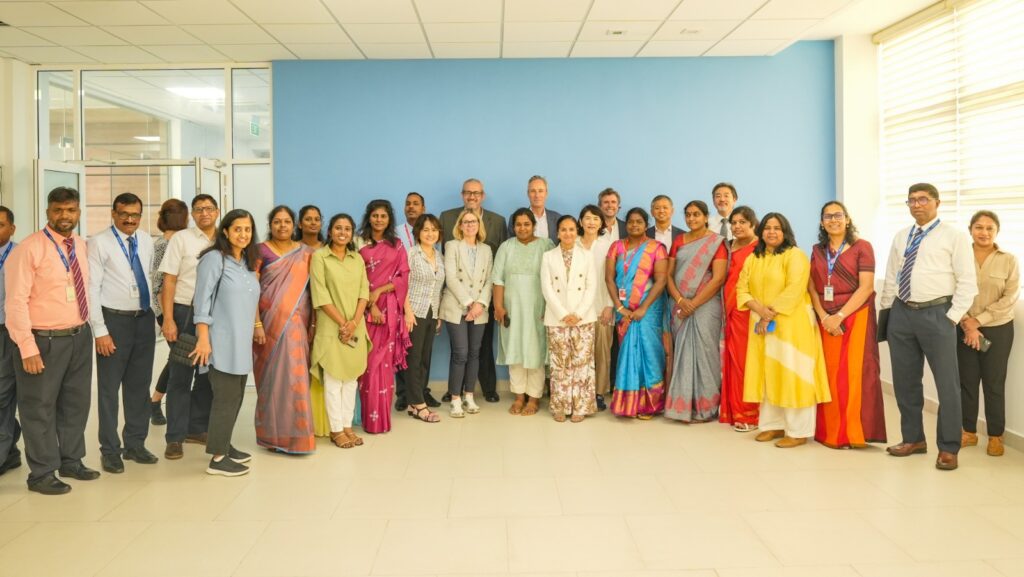
Colombo (LNW): A senior World Bank (WB) delegation, led by Anna Bjerde, Managing Director for Operations, visited Kopay Hospital in Jaffna today (30) to oversee projects under the Primary Healthcare System Strengthening Project, which the World Bank funds.
The delegation, which arrived in Sri Lanka yesterday (29), also met with bankers in the Jaffna District.
A roundtable discussion will be held between them, the President and multilateral financial institutions tomorrow (31).
Anna Bjerde praised women entrepreneurs in Sri Lanka for their passion and determination on the World Bank Sri Lanka Facebook page.
“Everywhere I go, I find inspiration from women entrepreneurs. In Jaffna, I met some incredible women supported by IFC – International Finance Corporation and Commercial Bank of Ceylon PLC. From the Zumba teacher to the trailblazer breaking barriers in the construction sector, I was energised by their passion & determination,” Bjerde wrote on Facebook.
The same page highlighted Kopay’s divisional hospital’s crucial role during Sri Lanka’s crisis, serving over 16,000 people.
For the past five years, the World Bank has collaborated with the Sri Lankan government to enhance primary healthcare in over half of the country’s facilities.
Colombo (LNW): Sri Lanka Railways announced the cancellation of multiple commuter trains set for this (30) evening due to a shortage of engine drivers.
Consequently, several commuter trains across all routes will not operate as scheduled.
However, train services on the Up Country Railway Line, which were previously disrupted due to a derailment, have now resumed.
The derailment occurred on Monday (30) afternoon at Kinigama, Bandarawela.
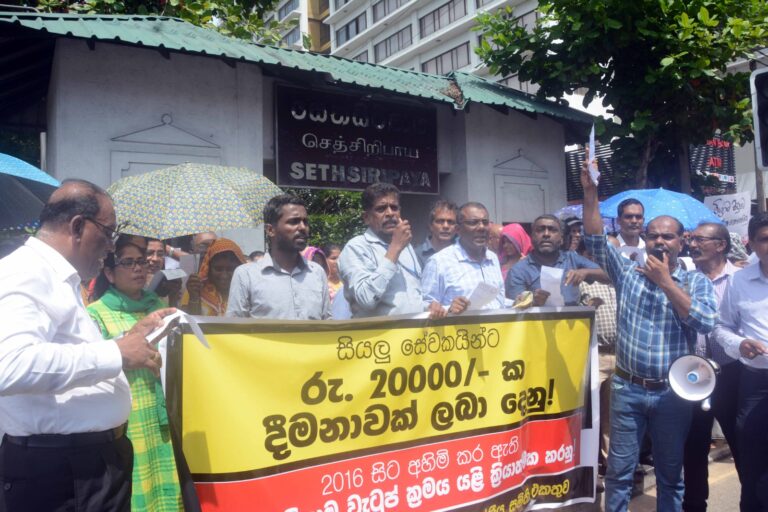
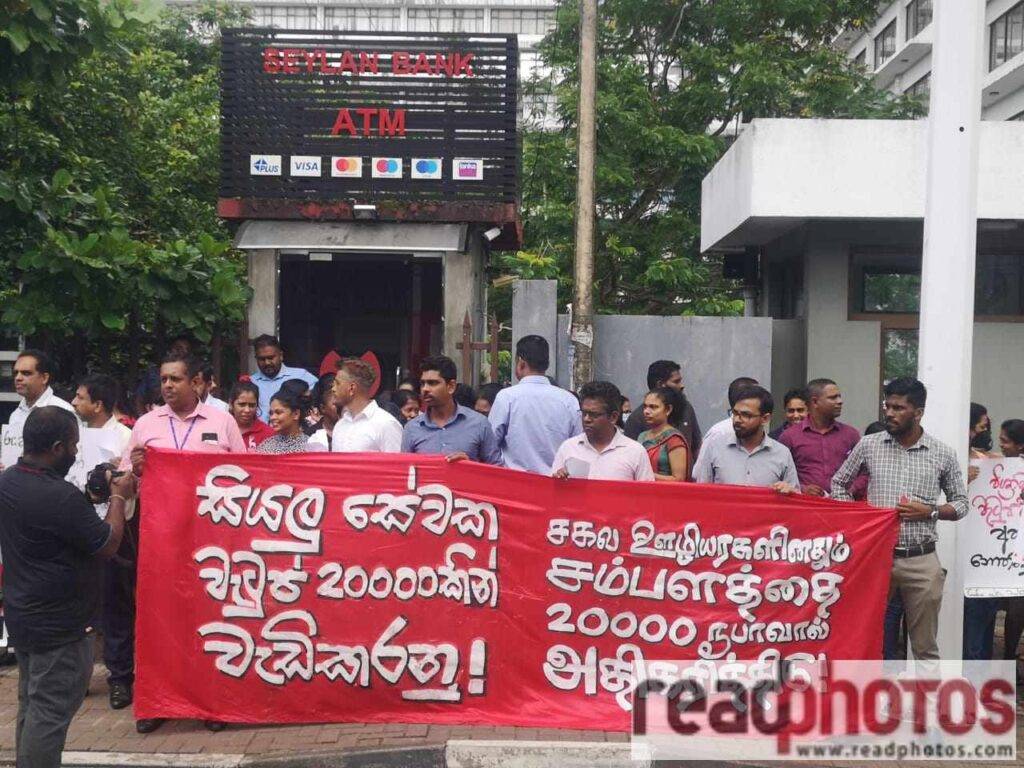
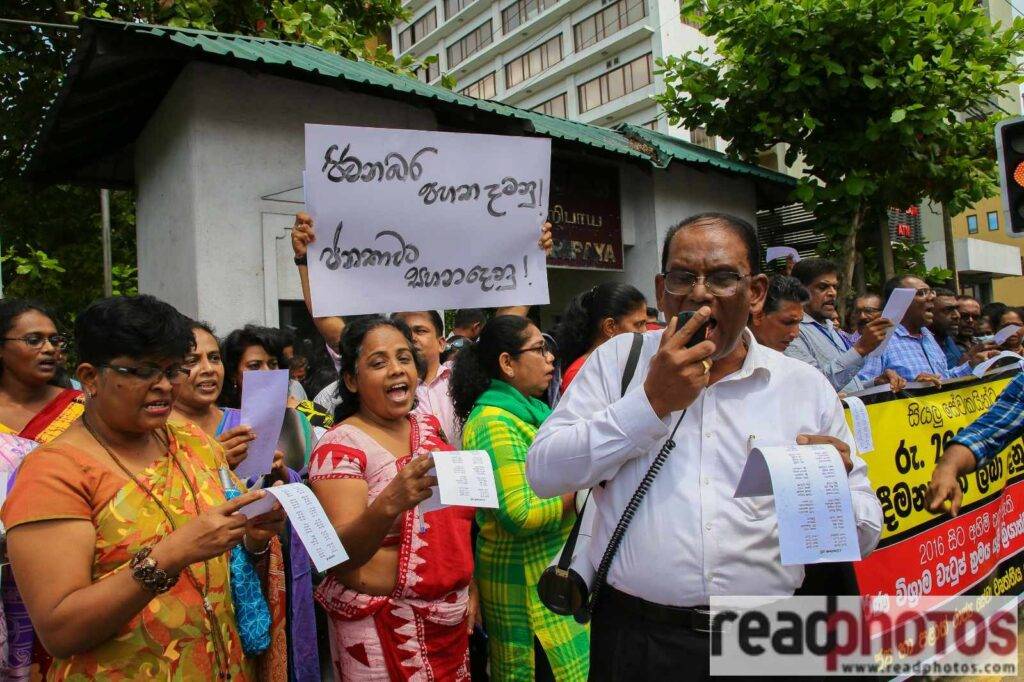
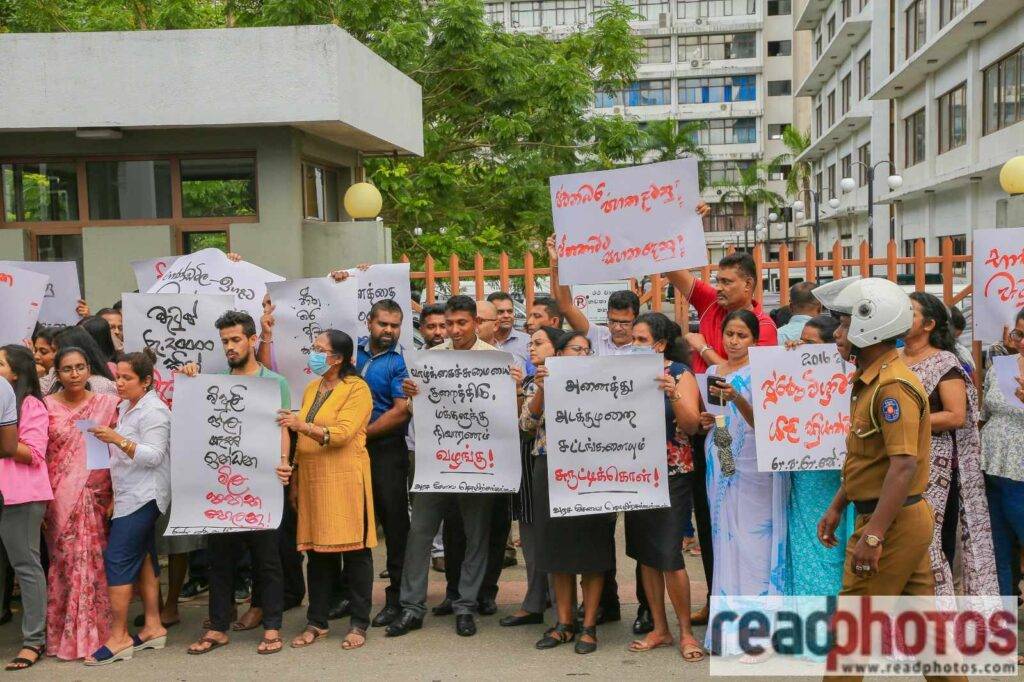
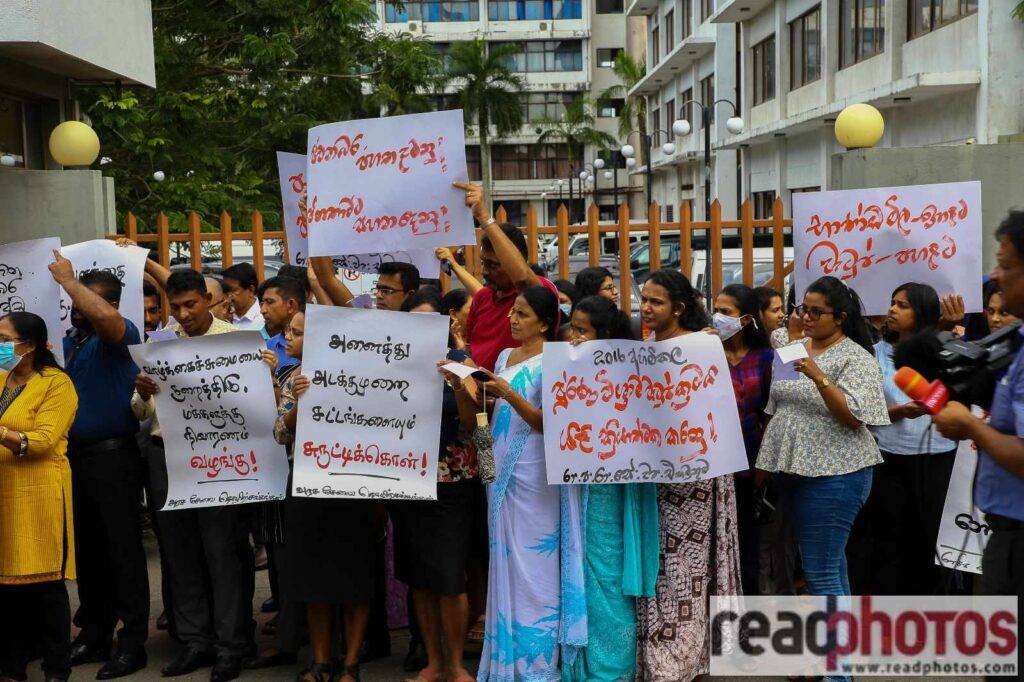
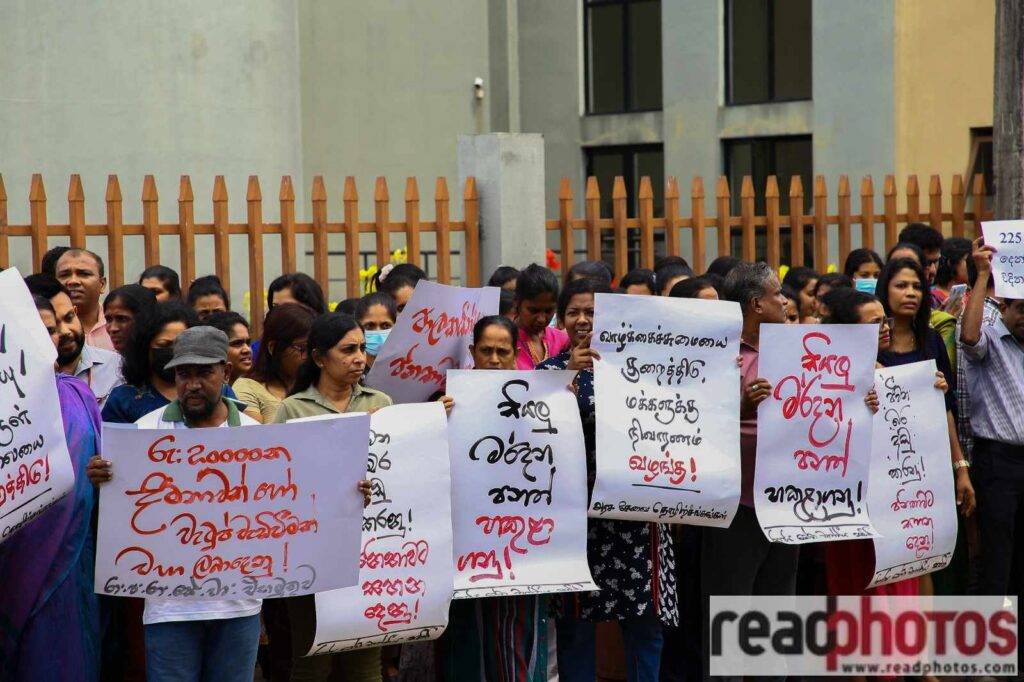
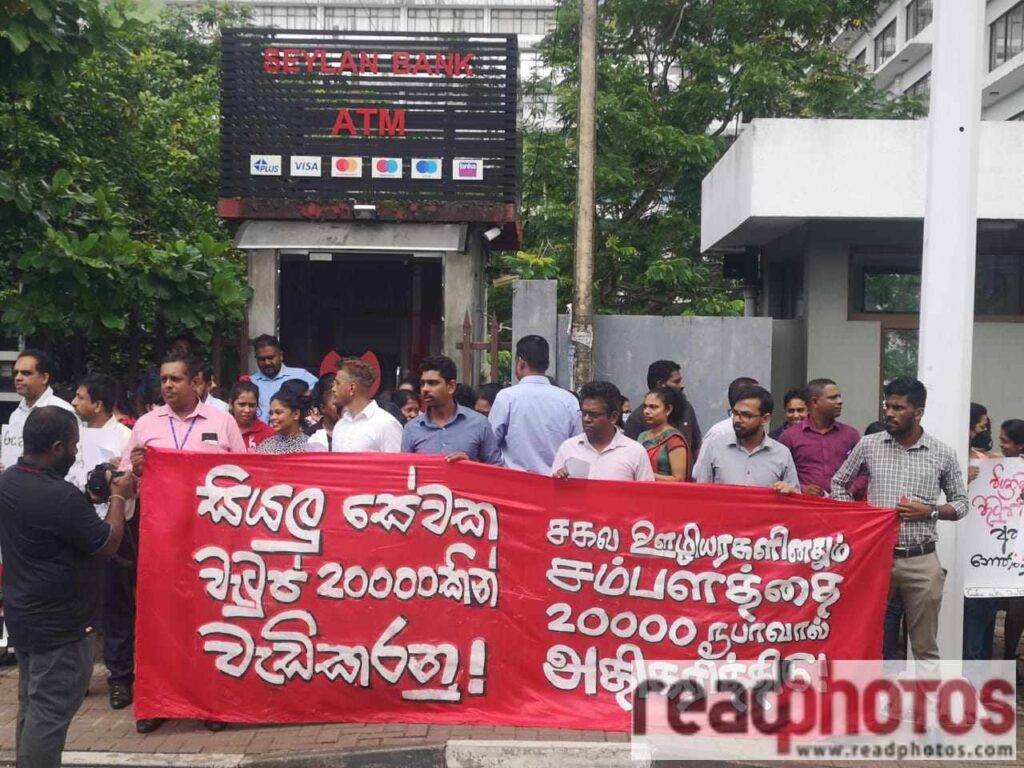
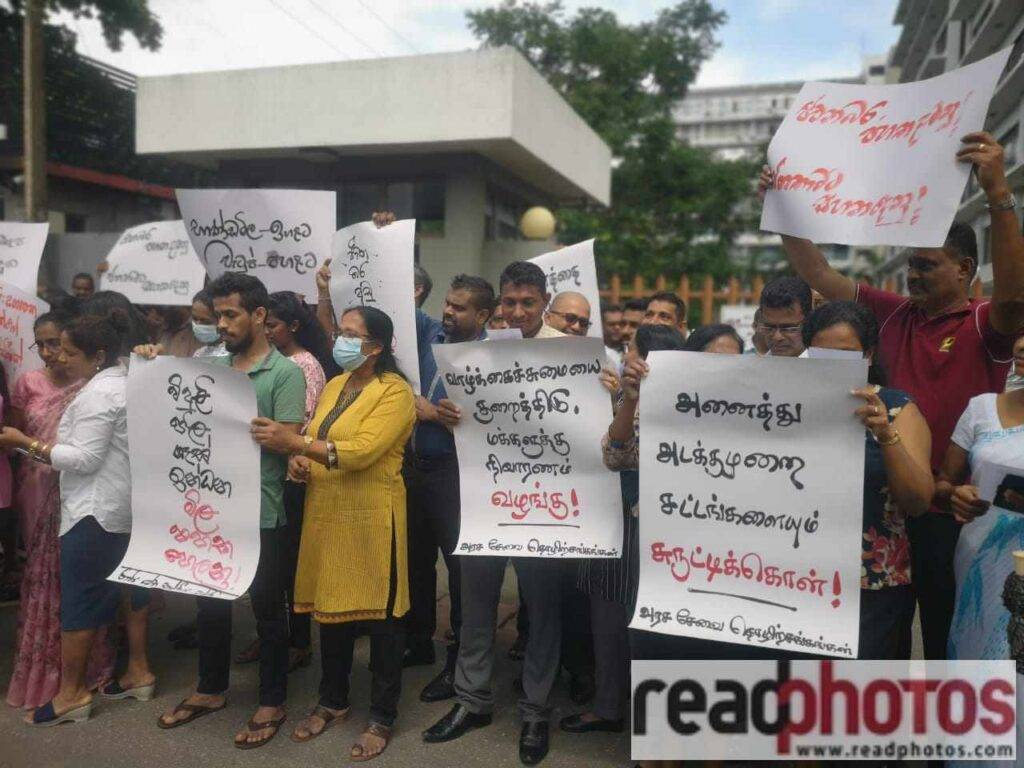
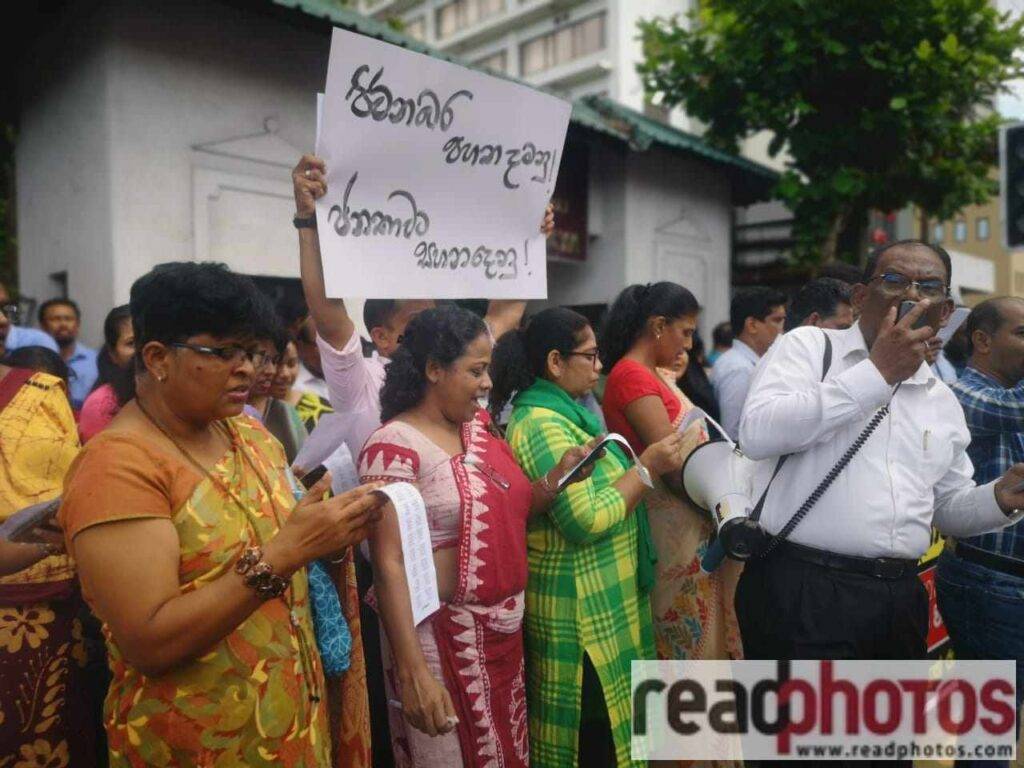
Colombo (LNW): Government employees today (30) staged a protest at midday, calling for an allowance of twenty thousand Rupees or a pay rise in this year’s budget.
The demonstration, coordinated by the Union of State and Provincial Public Service Trade Unions, saw participation from various professionals, including officials, management services, Grama Niladharis, Samurdhi, and provincial public services.
These protests were witnessed across the island, with images captured from the demonstration held outside Sethsiripaya, Battaramulla.
In conjunction with this demonstration, the trade unions have highlighted that if this year’s budget does not address their demands, they will consider more intensified strike actions in the future.
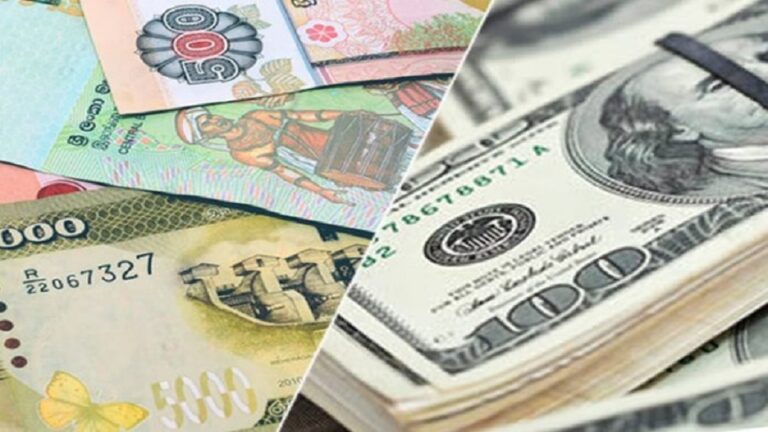
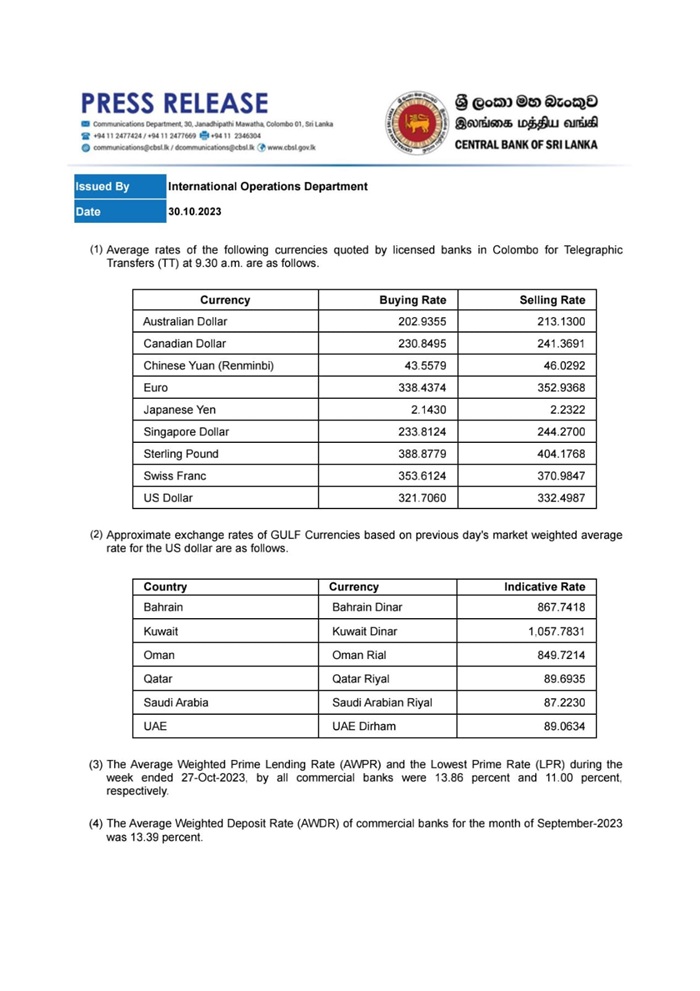
Colombo (LNW): The Sri Lankan Rupee (LKR) indicates a slight depreciation against the US Dollar today (30) in comparison to last week’s Friday, as per the official exchange rates list issued by the Central Bank of Sri Lanka.
Accordingly, the buying price of the US Dollar has increased to Rs. 321.70 from Rs. 321.54, and the selling price to Rs. 332.49 from Rs. 332.01.
The Sri Lankan Rupee, meanwhile, has also depreciated against several other foreign currencies, including Gulf currencies.
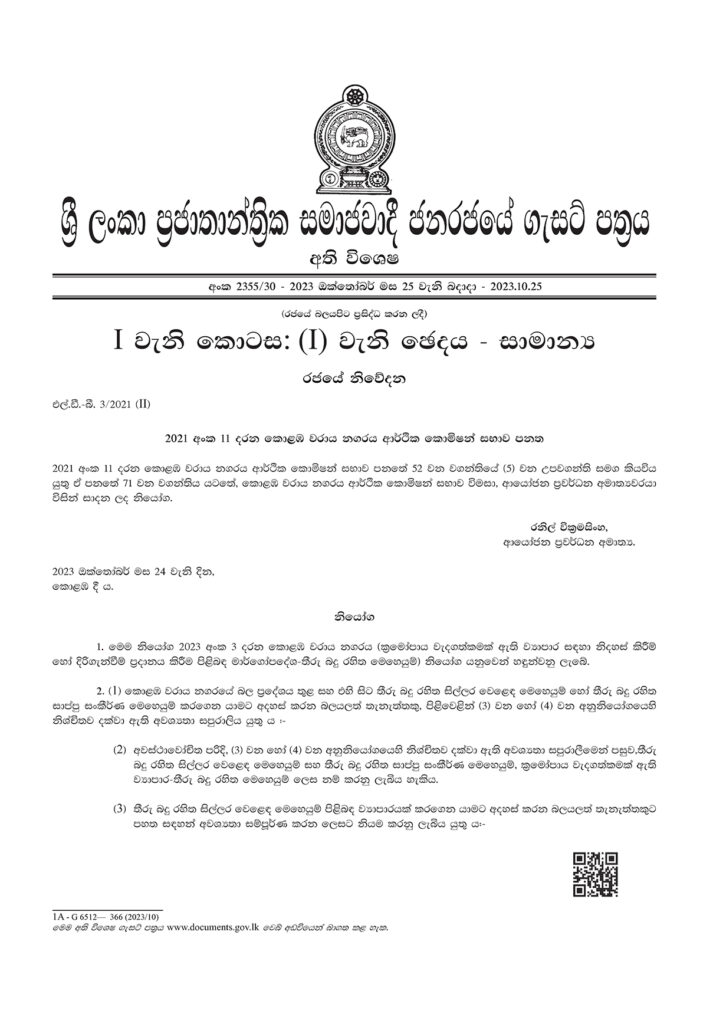
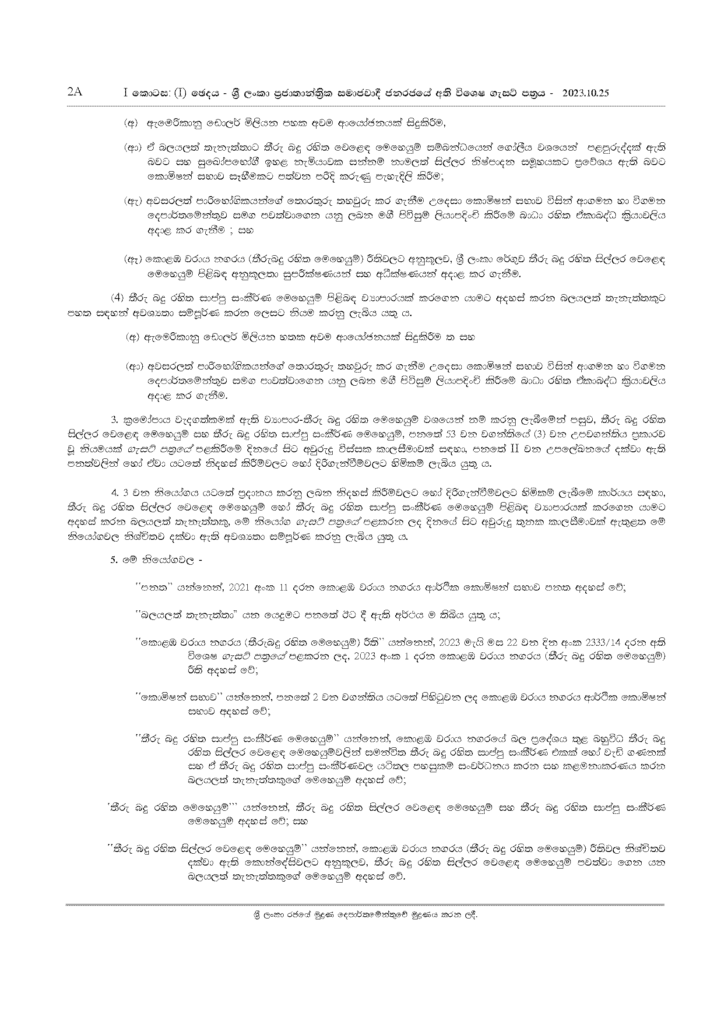
Colombo (LNW): A Gazette notification has been released outlining the requirements for investors keen on operating duty-free retail or shopping mall ventures in the Colombo Port City.
Issued on October 25, 2023, by President Ranil Wickremesinghe, in his role as the Minister of Investment Promotion, the Gazette states that to manage a duty-free retail business, an investor must invest a minimum of USD 5 million and possess international experience in duty-free trading.
Meanwhile, a minimum investment of USD 7 million is mandated for those looking to operate a duty-free shopping mall within the Colombo Port City.
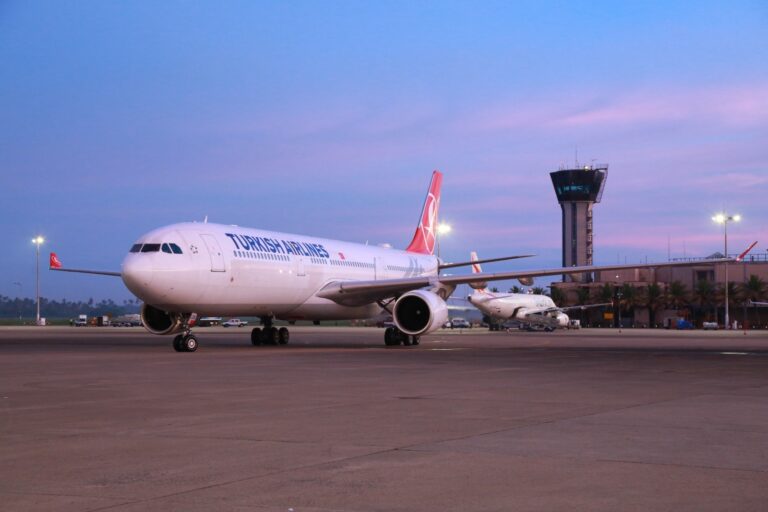
Colombo (LNW): Direct flights between Turkey and Sri Lanka started on Monday (Oct 30).
The inaugural direct Turkish Airlines flight from Istanbul to Colombo transported 261 passengers, landing at Bandaranaike International Airport on Monday (30) morning.
Upon arrival, the passengers were greeted with a traditional Kandyan dance performance and gifted Ceylon tea packs by the Sri Lanka Tea Board.
For nearly ten years, Turkish Airlines had routed its flights to Katunayake via Male, Maldives.
Now, the direct journey from Istanbul to Colombo takes just eight hours, with flights scheduled for Monday, Tuesday, Thursday, and Saturday.
Each flight is set to depart Istanbul at 5:40 AM local time and leave Sri Lanka at 7:40 AM local time.