February 01, Colombo (LNW): Former First Lady Shiranthi Rajapaksa is scheduled to appear before the Financial Crimes Investigation Division (FCID) on February 03, according to reports.
She is expected to attend at 9.30 a.m. to provide a statement regarding ongoing inquiries.
Shiranthi Rajapaksa, spouse of former President Mahinda Rajapaksa, had originally been asked to appear on January 27. However, her legal team informed authorities that she could not attend on that date and requested a postponement of two weeks.
Police sources indicated that no medical documentation was provided to justify the delay, prompting the FCID to issue a renewed summons for February 03.
On the same day, Namal Rajapaksa, National Organiser of the Sri Lanka Podujana Peramuna and Member of Parliament, has also been called to appear before the Criminal Investigation Department (CID). He had previously sought a change of date, citing overseas commitments, and the new summons aligns with his return to the country.
Shiranthi and Namal Rajapaksa Summoned to Give Statements to Investigators

Traders Push Back Against State Takeover of Economic Centres
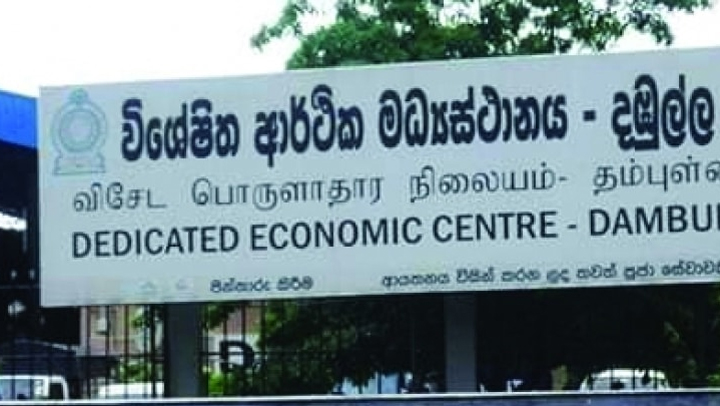
February 01, Colombo (LNW): Merchants operating at key wholesale hubs have voiced firm resistance to a government proposal to place their centres under the control of a newly created state-owned enterprise, according to reports from a meeting held yesterday (31) at the Dambulla Economic Centre.
The discussion brought together Trade, Commerce, Food Security and Cooperative Development Minister Wasantha Samarasinghe, several deputy ministers, local Members of Parliament, senior public officials, and delegates from the Dambulla Economic Centre Traders’ Association.
Business owners argued that the centres, which have been run by private traders for over three decades, were set to be transferred without meaningful dialogue, formal contracts, or written notice. They made it clear that they were unwilling to relinquish day-to-day management to a government-appointed body, describing the process as abrupt and dismissive of those who built and sustained the markets.
Concerns were also raised over suggestions by certain officials to redraw the operational limits of the centres, a move traders fear could tilt control in favour of the state while marginalising existing enterprises. Representatives warned that such changes could undermine incomes and destabilise long-established trading networks. Accounts from the meeting suggest exchanges between officials and traders became tense at several points.
Meanwhile, a government spokesperson defended the plan, stating that management would be transferred to National Agri Market Services Ltd, a state-owned firm overseen by a seven-member board. The spokesperson said the initiative is aimed at bringing greater structure, transparency, and modern management practices to the country’s economic centres.
Night-Time Employment Opened to Adult Women in Hospitality Sector Under New Rules

February 01, Colombo (LNW): Women aged 18 and above will now be allowed to work night shifts in hospitality and food-related industries following the issuance of a special gazette introducing revised labour regulations.
The changes, formalised through an extraordinary gazette dated January 30, update existing provisions under employment laws governing shops and offices. The revised rules widen the categories of workplaces where women may be engaged during night hours, reflecting the round-the-clock nature of modern service industries.
Under the new framework, eligible female employees may work between 6.00 p.m. and 6.00 a.m. in establishments such as hotels, restaurants, food and beverage outlets and similar businesses. However, the permission comes with firm conditions designed to protect workers from potential risks associated with night-time employment.
Employers are placed under full responsibility for the health, safety and general welfare of women working these hours. This includes providing suitable accommodation until 6.00 a.m. after a shift ends, or ensuring secure transport to the employee’s home when duties conclude during the night.
The regulations also stress the need for a safe and secure working environment, with particular attention to protection during late hours. Authorities say the amendments are intended to balance the evolving needs of the hospitality sector with strong safeguards for female workers.
The revised provisions were introduced under powers granted by the relevant labour legislation and were issued by the Minister of Labour, Dr Anil Jayantha Fernando.
Revised Speed Limits Expected to Roll Out Before End of March

February 01, Colombo (LNW): Sri Lanka’s National Council for Road Safety is aiming to introduce a revised set of speed limits ahead of the end of March, as preparations near completion.
According to the Council’s Chairman, Manjula Kularatne, the review process has reached its final phase, with authorities now fine-tuning the last technical and administrative details. He said the changes are being designed to better reflect actual road conditions rather than relying on outdated, one-size-fits-all limits.
The updated framework will identify specific road stretches where lower speeds are necessary to improve safety, as well as areas where limits can be safely adjusted upwards to ease traffic flow. Officials say the revisions are intended to strike a balance between reducing accidents and ensuring smoother travel for motorists once implemented.
President Extends Essential Status of Power and Fuel Services
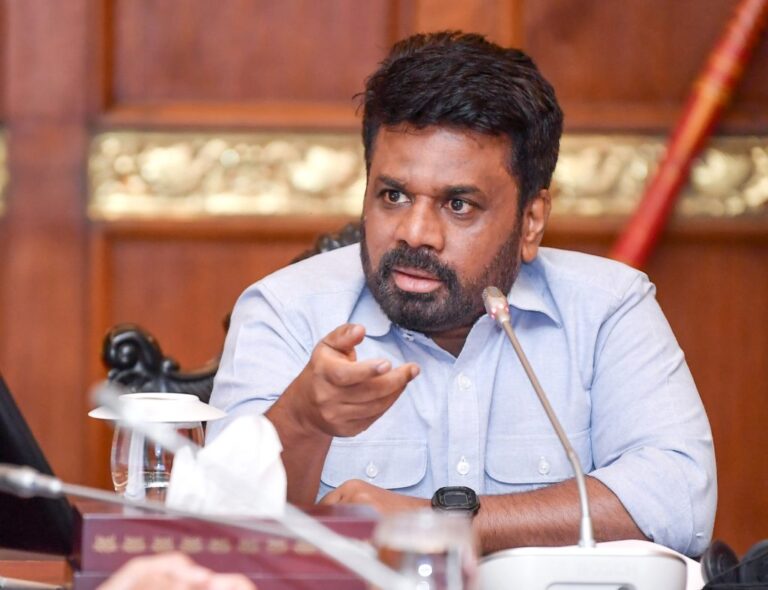
February 01, Colombo (LNW): President Anura Kumara Dissanayake has moved to keep key sectors under special protection by issuing an extraordinary gazette that continues the classification of several critical services as essential, including electricity generation and fuel supply.
The order, made under powers granted by the Essential Public Services Act of 1979, is intended to ensure uninterrupted operations in areas vital to daily life and economic stability.
Officials say the measure is aimed at preventing disruptions, safeguarding public welfare and maintaining smooth functioning across the country at a time of ongoing pressures on infrastructure and resources.
By reaffirming the essential status of these services, the government retains the authority to take swift action to guarantee continuity and address any threats that could affect supply or public access.
Bus Fare Hike Likely Before Mid-Year as Congestion Drives Up Costs
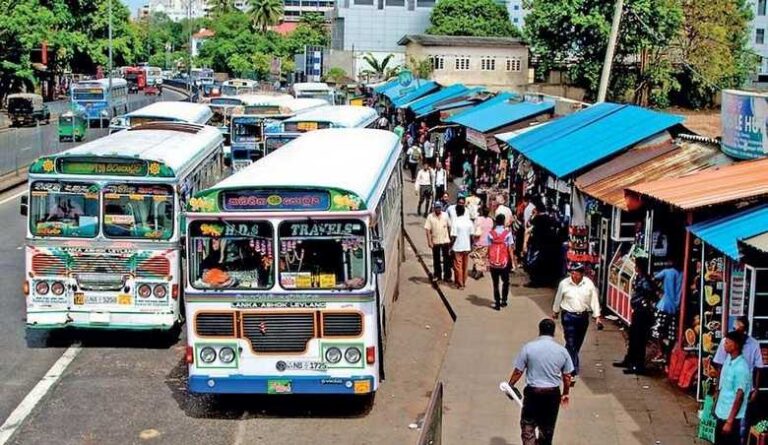
February 01, Colombo (LNW): Commuters should brace for higher bus fares in the months ahead, even after the recent, modest dip in fuel prices, according to the Lanka Private Bus Owners’ Association.
Its President, Gemunu Wijeratne, said operators are facing mounting financial pressure and warned that a revision of fares would be unavoidable before July, particularly for services operating in Colombo and the surrounding urban belt. He pointed to worsening traffic congestion as the chief culprit eroding efficiency and driving up operating costs.
Under the existing fare formula, buses in and around the capital were once able to cover roughly three kilometres on a litre of diesel. That figure has now fallen sharply, with many vehicles struggling to manage even two kilometres per litre amid near-constant traffic delays. As a result, Wijeratne said the current pricing structure no longer reflects real-world conditions.
He indicated that short-distance fares, which account for the bulk of daily passenger journeys, would likely need to rise by about Rs. 5 to Rs. 6 at the minimum level. With an estimated 13,000 to 14,000 private buses running islandwide, these services form the backbone of public transport, yet operators say they are being pushed to breaking point in heavily congested areas.
Wijeratne was also critical of the government’s handling of the transport sector, arguing that little tangible improvement has been delivered since the present administration took office. He alleged mismanagement and corruption within parts of the system and called for meaningful reform rather than temporary fixes.
While stressing that the association does not control private bus operations, he said it had a responsibility to highlight the realities faced by operators. If conditions do not improve, he warned, fare increases would be the only viable option to keep buses running.
India Earmarks Rs. 4 Billion for Sri Lanka as Budget Pivots Towards Manufacturing Push
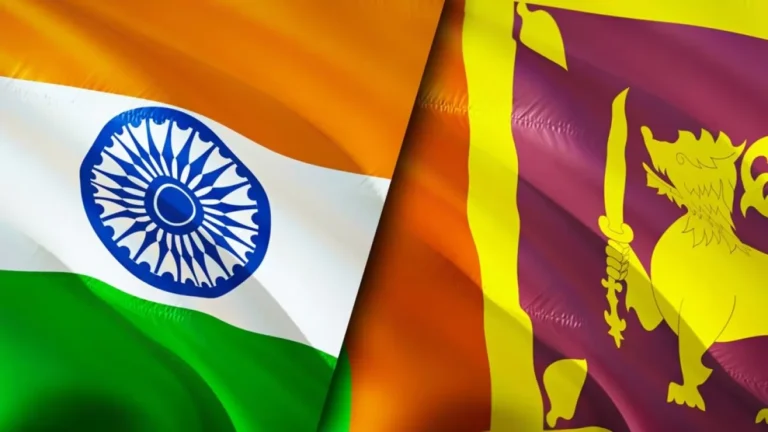
February 01, Colombo (LNW): India has set aside financial assistance amounting to 4 billion Indian rupees for Sri Lanka in its 2026 national budget, signalling continued regional support even as New Delhi sharpens its focus on domestic economic priorities.
Presenting the annual budget, Finance Minister Nirmala Sitharaman outlined an agenda aimed at strengthening India’s economic foundations amid uncertain global conditions.
Central to the plan is a renewed drive to expand the manufacturing base, supported by reforms designed to modernise industry, deepen financial markets and attract long-term investment.
The government also intends to channel increased funding into advanced and emerging technologies, with artificial intelligence and digital innovation highlighted as key growth drivers for the coming years. Sitharaman said these measures were essential to sustaining momentum in Asia’s third-largest economy while navigating external pressures.
Boosting manufacturing remains a critical challenge for the Modi administration. Despite years of policy initiatives, the sector still contributes less than a fifth of national output, falling short of the government’s long-standing ambition to raise the share to 25 per cent and create sufficient employment for India’s rapidly expanding workforce.
Economic projections included in the budget point to growth of around 7.4 per cent in the current financial year, with inflation expected to remain subdued at close to 2 per cent. The fiscal deficit is forecast at approximately 4.4 per cent of gross domestic product, reflecting a balance between development spending and fiscal restraint.
Sri Lanka Keeps Emergency Powers in Force as Recovery Efforts Continue

February 01, Colombo (LNW): Sri Lanka will remain under emergency rule following a fresh extension approved by the President, reinforcing extraordinary powers first imposed after last year’s severe weather crisis.
The continuation of the State of Public Emergency takes effect from January 28, 2026 and has been formalised through an extraordinary gazette released this week. The notification bears the authorisation of the Secretary to the President, Dr Nandika Sanath Kumanayake, and gives legal effect to the President’s latest decision.
President Anura Kumara Dissanayake acted under the Public Security Ordinance to keep special provisions operational across the entire island. The move allows the Government to maintain enhanced controls aimed at preserving public order, supporting essential services and preventing disruptions to daily life at a time when several regions are still stabilising.
Emergency powers were first activated on November 29, 2025, shortly after Cyclone Ditwah swept across the country, leaving widespread damage to infrastructure, housing and supply chains. Officials say the extended measures are intended to ensure continuity in areas such as food distribution, transport and public utilities, while also enabling authorities to respond swiftly to any renewed risks.
Alongside the extension, the President has also introduced revisions to existing emergency regulations. These updated rules, issued under the same legal framework, will be formally known as the Emergency (Miscellaneous Provisions and Powers) Regulations, No. 1 of 2026, and are expected to guide enforcement during the current period of emergency governance.
Lord Marland Visits Sri Lanka Amid Economic Transition
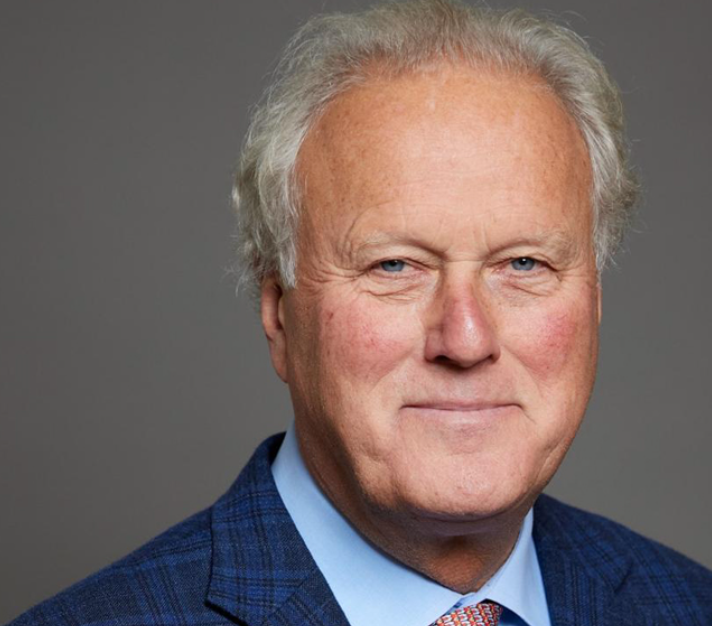
The arrival of Lord Marland of Odstock in Colombo this February is more than a routine diplomatic courtesy it is a carefully timed intervention by the Commonwealth’s business establishment at a moment of political and ideological transition in Sri Lanka.
Lord Marland, Chairman of the Commonwealth Enterprise and Investment Council (CWEIC), represents the commercial arm of the 56-nation Commonwealth, mandated directly by Heads of Government to promote trade, investment, and capital flows across member states. A former British Minister for Energy and Climate Change and a long-standing Conservative Party figure, Marland has built a reputation as a dealmaker linking governments with global investors, particularly in frontier and post-crisis economies.
His visit comes at a sensitive juncture. Sri Lanka is now governed by a Marxist-rooted JVP-led National People’s Power (NPP) administration, whose rise was fuelled by public anger over corruption, austerity, and elite-driven economic governance. While the new Government has pledged transparency and social justice, it also faces the inescapable reality of a fragile post-bankruptcy economy still dependent on foreign capital, debt restructuring, and export-led recovery.
Against this backdrop, Lord Marland’s scheduled meeting with President Anura Kumara Dissanayake is politically symbolic. It signals that despite ideological differences, the NPP Government is engaging with established global economic networks rather than retreating into isolation. For the Commonwealth, the objective appears equally pragmatic: ensuring Sri Lanka remains open to private investment and aligned with global trade norms during a period of policy recalibration.
CWEIC’s recent decision to establish a hub in Sri Lanka further underscores this intent. The hub positions Colombo as a regional gateway for Commonwealth-linked investment, particularly in infrastructure, energy transition, logistics, and services. For local private-sector partners, it offers access to international capital and political risk mitigation through Commonwealth backing.
However, critics within progressive circles argue that CWEIC represents the very model of elite-driven capitalism that the NPP rose to challenge. They question whether engagement with Commonwealth business institutions could dilute promises of economic sovereignty and worker-centred reform.
Supporters counter that Lord Marland’s visit reflects a recognition that ideological purity cannot substitute for capital, technology, and market access. They argue that engagement does not equal submission, and that Sri Lanka’s challenge lies in renegotiating its place within global systems on fairer terms.
Ultimately, Lord Marland’s presence in Colombo is a test case—for both sides. For the Commonwealth, it is about maintaining relevance in a country experimenting with left-led governance. For the NPP Government, it is about proving it can balance ideological commitments with the hard arithmetic of economic recovery.
Unanswered Story behind AASL’s Leadership Change amidst Restructuring

The removal of the Chairman of Airport and Aviation Services (Sri Lanka) (Private) Limited has been officially framed as a routine administrative restructuring. Yet, the absence of any visible restructuring blueprint has transformed what should have been a procedural decision into a public controversy.
Minister Anura Karunathilaka has been categorical in dismissing claims that Harsha Abeywickrama was removed over a disagreement concerning a special airport terminal access permit for a religious leader. The Ministry has confirmed that the former Chairman complied with ministerial instructions, issued the authorization letter with conditions, and that no dispute followed.
However, the government’s response appears focused on refuting one narrative while leaving the core issue unexplained: what exactly is being restructured at AASL?
Restructuring, by definition, implies planned reform whether financial, managerial, or operational. In state-owned or state-linked enterprises, such processes are usually accompanied by cabinet papers, policy statements, or at minimum, internal circulars defining goals and expected outcomes. In the case of AASL, no such framework has been made public.
Minister Karunathilaka stated that by January 21, it had become apparent that a change in administration was required. Yet there has been no disclosure of performance audits, governance failures, or structural weaknesses necessitating this change. Without such context, the term “administrative restructuring” risks becoming a catch-all justification rather than a meaningful policy action.
The aviation sector is particularly sensitive to leadership instability. International aviation bodies, airlines, and investors place a premium on continuity, regulatory clarity, and institutional credibility. Abrupt leadership changes, unaccompanied by clear reform agendas, can send mixed signals about governance stability.
Furthermore, the Ministry’s insistence that social media reports are false underscores a broader issue: the lack of proactive communication. When official explanations lag behind public speculation, governments lose control of the narrative. Transparency is not merely about denial—it requires disclosure.
The central concern is not whether the Minister had the authority to remove the Chairman, but whether the removal aligns with a coherent reform strategy. If AASL is undergoing restructuring, stakeholders deserve to know its scope: Does it involve cost rationalization? Management overhaul? Policy realignment with national aviation goals?
Until these questions are answered, the restructuring claim remains unsubstantiated. In the absence of a published plan, the leadership change appears isolated rather than systemic.
Ultimately, the controversy surrounding Abeywickrama’s removal reflects a deeper governance challenge how public institutions justify power decisions in an era where accountability demands more than assurances. Without clarity, restructuring risks being perceived not as reform, but as uncertainty.