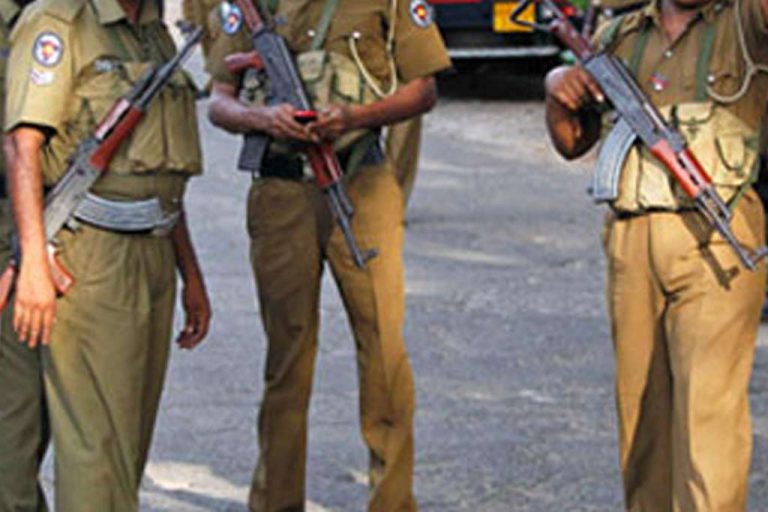
The Ministry of Public Security has introduced a dedicated hotline for the public to report complaints against police officers regarding their alleged misconduct.
The Police Media Unit, in an official statement, revealed that the newly established 118 Emergency Hotline Unit operates under the purview of the Ministry of Public Security. This specialized unit not only welcomes information related to various crimes, including narcotics, but also encourages individuals to report instances of police officer misconduct through the same hotline.
The announcement emphasizes that individuals have the option to provide information either openly, disclosing their identity, or anonymously, assuring flexibility and security to the informants. The hotline is available 24 hours a day, with a commitment to preserving the confidentiality of all information shared.
The Ceylon Electricity Board’s 22 percent tariff hike is facing delays due to inaccurate data submitted to the Public Utilities Commission of Sri Lanka (PUCSL), which has requested a revised submission by Wednesday. The CEB’s forecasted power demand for September and the following months has raised concerns about the accuracy of their assumptions.
Sri Lanka is urging China to share the terms of its recent $4.2 billion bilateral debt deal with other creditors to promote transparency and facilitate its financial recovery efforts, over a year after it defaulted. This request is part of Sri Lanka’s broader efforts to finalize agreements with its official creditor committee, which includes Japan, India, and the Paris Club, as it grapples with a substantial overseas debt of over $12 billion following its default in May 2022.
Twenty-seven Indian fishermen, arrested for allegedly poaching in Sri Lanka’s territorial waters, received material and legal assistance from the Indian mission in Jaffna after the Sri Lankan Navy detained them in separate incidents.
In September 2023, Sri Lanka experienced a decline in manufacturing activities, with a Manufacturing PMI of 45.7, attributed to decreased consumer demand, heightened competition from imported goods, and reduced global demand, particularly in sectors like food, beverages, textiles, and apparel. Nevertheless, there is optimism for the manufacturing sector in the near future, driven by expected increased demand during the upcoming festive season. In contrast, service activities exhibited growth during the same period.
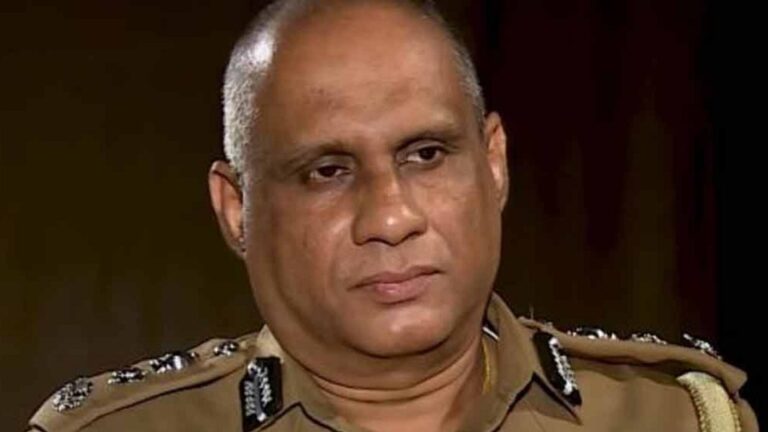
President Ranil Wickremesinghe reappoints current police chief C.D. Wickramaratne despite the Constitutional Council unanimously vetoing the service extension given last week.
The Speaker endorses the certificate on the Bills Civil Procedure Code (Amendment), Elections (Special Provisions), National Eye Bank Trust of Sri Lanka, Sri Lanka Ports Authority (Amendment) and Civil Aviation (Amendment).
State Minister of Social Empowerment Anupa Pasqual said that steps are being taken to introduce a pension scheme for those who are self-employed. The proposal was submitted to the Ministry of Finance.
The Ministry of Public Security opens a hotline for the public to file complaints (118) against police officers in connection with their misconduct.
President Ranil Wickremesinghe underscores the need to enhance the political, economic and cultural ties between Sri Lanka and Indonesia by reinforcing the Indian Ocean’s identity, during an official meeting with Indonesian President Joko Widodo in Beijing.
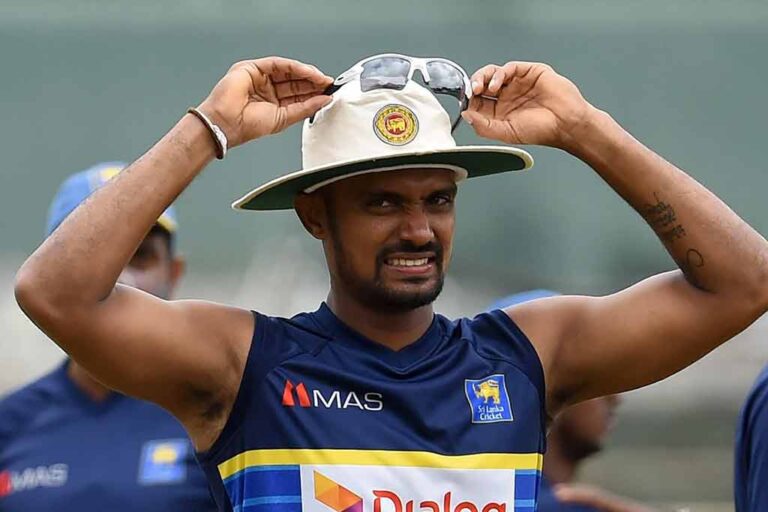
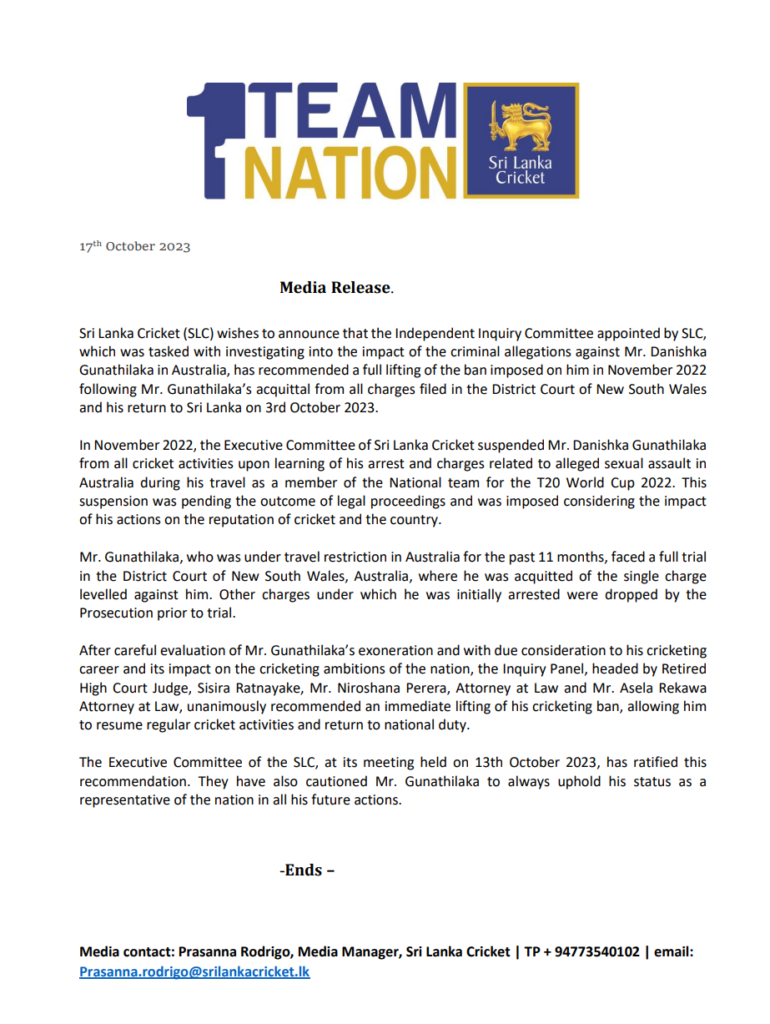
Sri Lanka Cricket’s Independent Inquiry Committee has recommended lifting the ban on Cricketer Danushka Gunathilaka, who was suspended in November 2022 following criminal allegations related to alleged sexual assault in Australia during his travel as a member of the National team for the T20 World Cup 2022.
In a recent announcement, State Minister of Social Empowerment, Anupa Pasqual, unveiled plans to establish a pension scheme catered to self-employed individuals. Pasqual expressed that significant strides are already underway to bring this initiative to life.
According to Pasqual, a formal proposal has been submitted to the Ministry of Finance for review. The proposal aims to amend the Sri Lanka Social Security Board Act to accommodate the new pension scheme and provide financial security for the self-employed workforce.
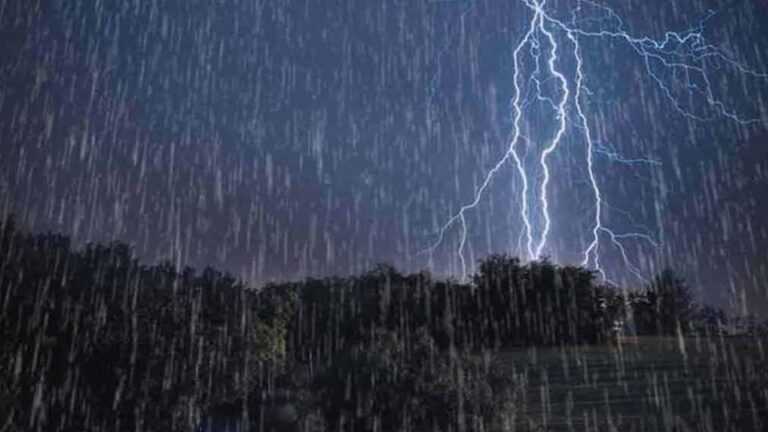
The prevailing rainy condition of the island is expected to continue further, due to the influence of the Intertropical Convergence Zone (where winds from the Northern Hemisphere and Southern Hemisphere converge).
Showers or thundershowers will occur at times over most parts of the island.
Heavy showers above 100 mm can be expected at some places in Western, Sabaragamuwa, Southern, Central and Uva provinces.
The general public is kindly requested to take adequate precautions to minimize damages caused by temporary localized strong winds and lightning during thundershowers.
It is reported that yesterday (17) President Ranil Wickramasinghe reversed the decision of the Constitutional Council to remove the Inspector General of Police from his position when President Ranil Wickramasinghe as the Defense Minister and the Public Security Minister Tiran Alas who is in charge of the Police are not in the island.
The Inspector General of Police was re-appointed less than an hour after the Constitutional Council removed him from his position yesterday.
President Ranil Wickramasinghe has immediately given all the necessary orders from Beijing, China to implement the arrangements related to the re-appointment of the Inspector General of Police.
A senior government minister stated that it is a serious mistake for the Constitutional Council to remove the Inspector General of Police when President Ranil Wickramasinghe as the Minister of Defense and Tiran Alas as the Minister in Charge of Police are not in the island.
The senior minister added that there is a strong suspicion that the removal of the Inspector General of Police is the result of a conspiracy against the backdrop of the arrival of President Ranil Wickramasinghe who has left the island in two days.
The Minister also mentioned that the removal of the Inspector General of Police when the President and the Minister in Charge of Police are not in the country is equivalent to shutting down the entire police force in the country.
Steps had been taken earlier to extend the service of CD Wickramaratne, whose term of office had expired, for another three weeks. However, the Constituent Assembly had ruled yesterday (17) afternoon that according to the policy decision taken by the government not to extend service to government officials over sixty years of age, the extension of service to Inspector General of Police CD Wickramaratne cannot be approved.
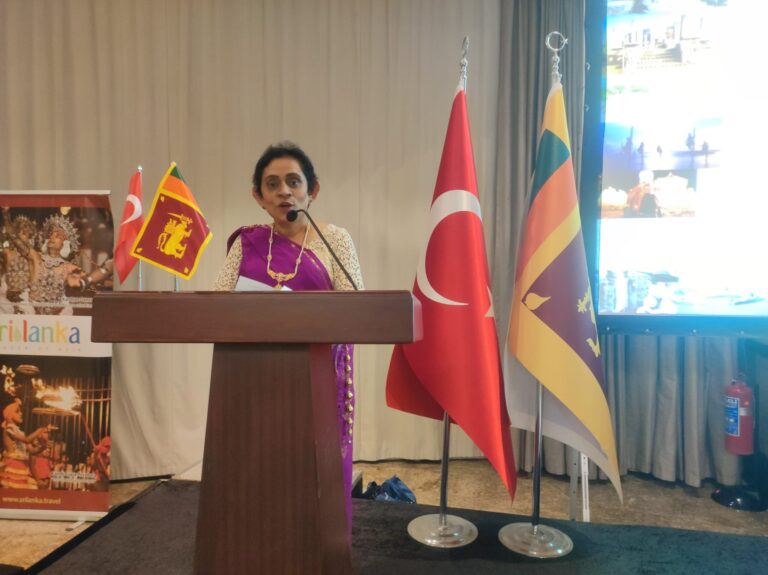
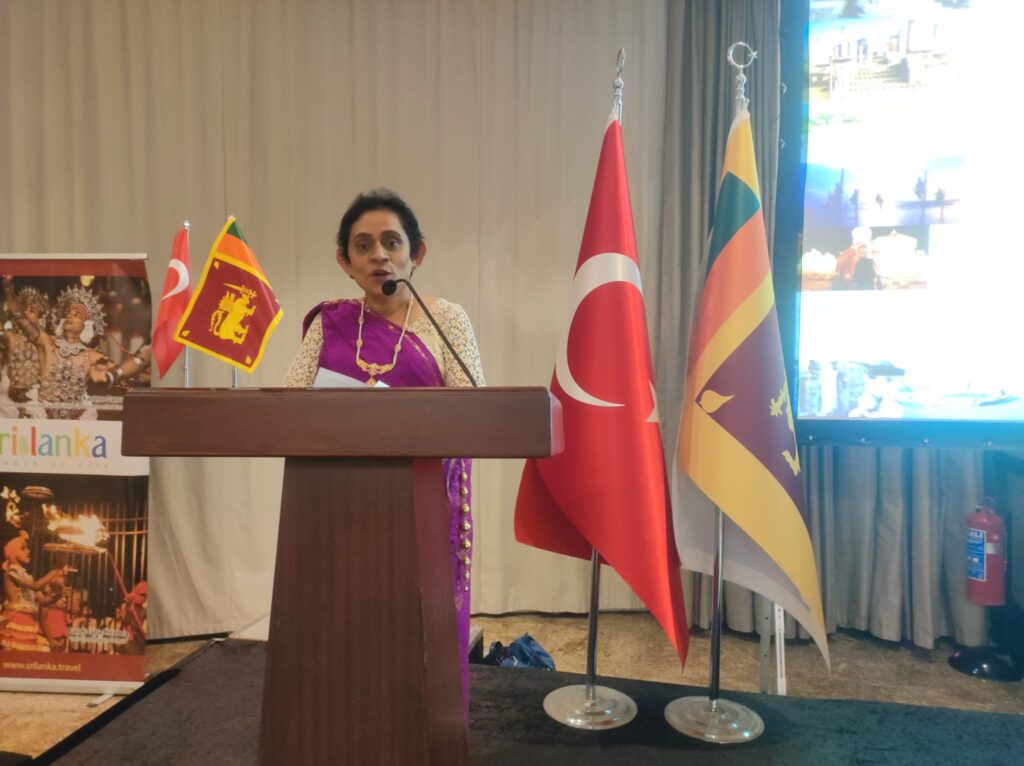
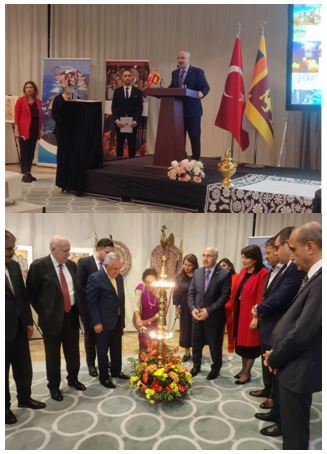
The Embassy of Sri Lanka in Türkiye organized a Sri Lanka tourism and cultural promotional event in Adana commemorating Sri Lanka’s 75th anniversary of Independence celebrated on 04 February 2023, the anniversary of establishing the Republic of Türkiye on 29 October 2023 and the 75th Anniversary of diplomatic relations between Sri Lanka and Türkiye in 2023.
The Embassy of Sri Lanka in Türkiye decided to organize the celebration of the 75th Anniversary of the Independence Day of Sri Lanka under the theme “At 75: Sri Lanka Moving Forward with Nature-based Solutions for Global Climate Change. Although a series of Sri Lanka tourism and cultural promotional events were originally scheduled to be held in February 2023, in solidarity with the Turkish people affected by the devastating earthquake in southeastern Türkiye on 06 February 2023, the Embassy postponed all the promotional events.
Eight months after the earthquake, the first such event was arranged by the embassy together with the Honorary Consul for Sri Lanka in Adana on 13 October 2023 at Adana HiltonSA. Similar events are being organized in the cities of Antalya and Bursa as well.
While welcoming the guests, Hony. Consul of Sri Lanka in the Mediterranean Region, Adana Beşir Uğur shared his experiences about Sri Lanka as a business and tourist destination as Mr. Uğur started his business relations with Sri Lanka in the tea sector in the early 1980s as the owner of BETA Tea in Türkiye.
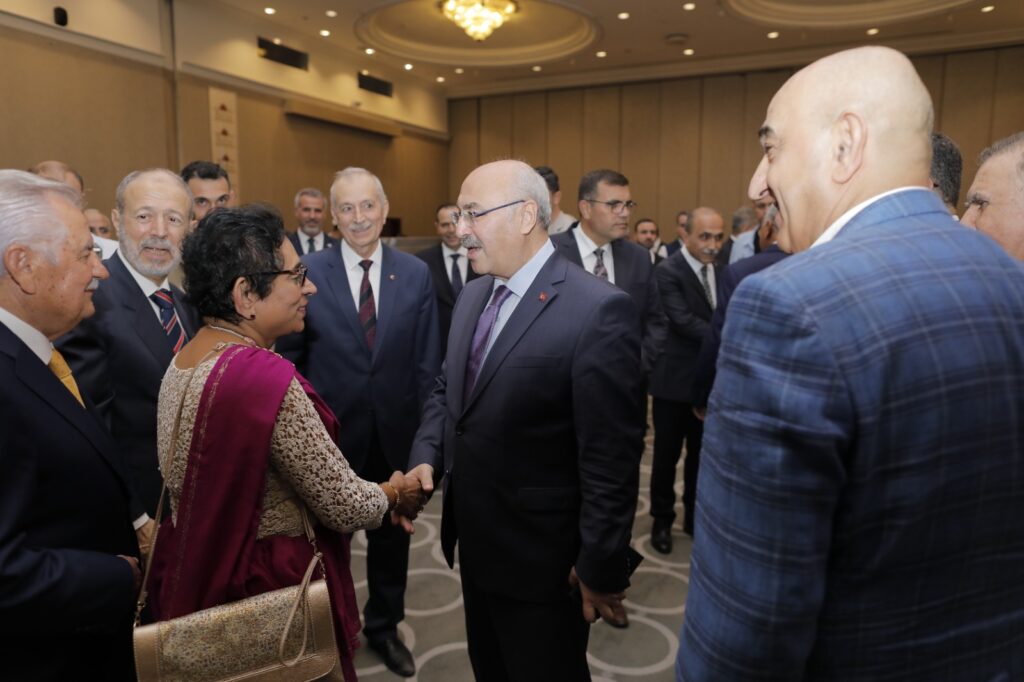
The Governor of Adana Yavuz Selim Köşger delivered remarks, as the chief guest. He highlighted the importance of arranging such an event in Adana to cherish the similarities, and understand and embrace the differences between cultures that enrich our lives. He also emphasized that it is important to promote tourism and culture as a means of bridging gaps, promoting understanding and peace among people.
Prior to the event, Ambassador Hasanthi Urugodawatte Dissanayake called on the Governor Köşger and discussed on areas for collaboration such as trade, and investment including garment, IT, renewable energy, and agricultural sectors. The governor noted a Turkish idiom “one knows who real friends are at times of peril and disasters” noting how Sri Lanka helped Türkiye in the aftermath of the earthquake and how Türkiye helped Sri Lanka in the aftermath of the tsunami.
Governor Köşger, an ardent diver expressed his interest in exploring the under sea around Sri Lanka.
Ambassador Dissanayake delivered the keynote address by introducing Sri Lanka as a country that is well known for its Ceylon tea, gems, and true cinnamon, and a land with infinite experiences for Turkish tourists. She noted that the direct flights to operate between the two countries by Turkish Airlines would increase connectivity and contribute towards closer interactions between the two peoples, which would also enhance bilateral economic cooperation.
The Ambassador also mentioned that Sri Lanka is globally recognized for its commitment to contributing to mitigating climate change impacts and the efforts to sustainably manage its unparalleled ecosystems, diversity, and high endemism. She added that Sri Lanka is ready to share its expertise with Türkiye too.
The event was attended by over 150 invitees, comprising officials from the public sector, including members of parliament from the National Assembly and local government, heads of chambers and leading private sector organizations in Adana, representatives from the tourism sector in Adana and media.
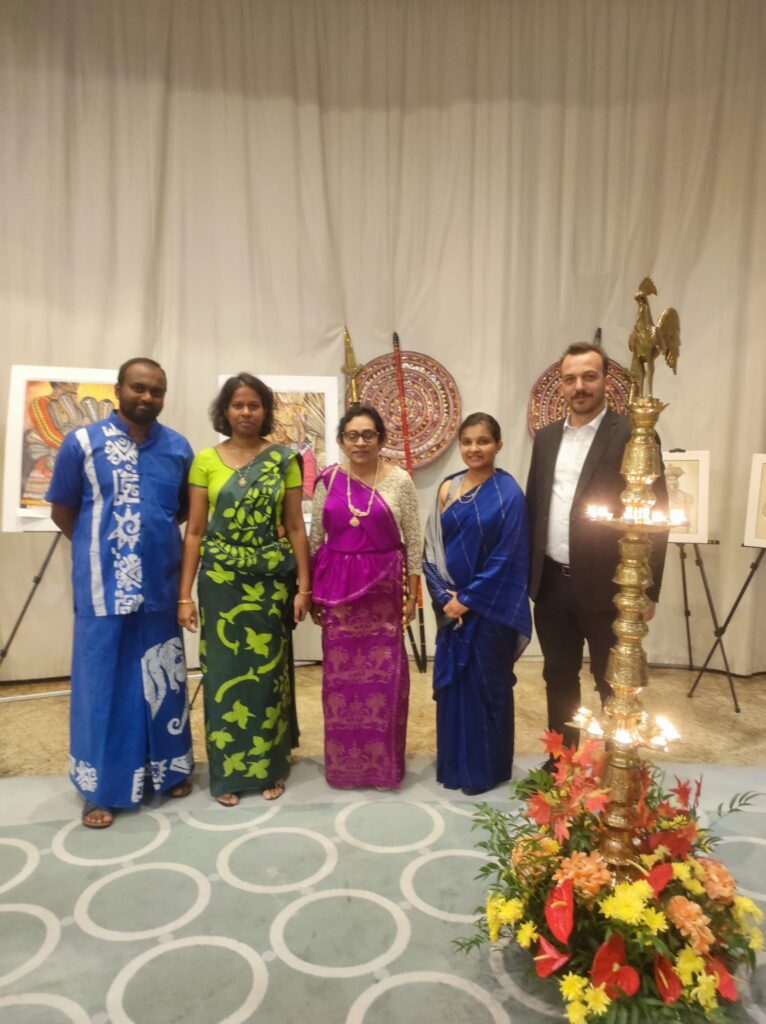
Tourism presentations, videos, Sri Lankan music, batik décor, and banners all provided a beautiful Sri Lankan ambiance to the event.
In addition, a Sri Lankan photo exhibition depicting nature and climate change impact, and culture by professional award-winning photographers, Ravi Ranasinghe & Dr. Umberto Binetti and a selection of paintings by renowned Sri Lankan artist Vasantha Perera were displayed at the venue, together with Sri Lankan gem-studded jewellery.
As the sponsor of the event, BETA Tea Company in Türkiye, served Ceylon tea at the event and showed a video clip introducing BETA tea.
Guests were also treated to sumptuous Sri Lankan delicacies together with Turkish food during the networking session while enjoying traditional and modern Sri Lankan music.
It was an event to expose the people of Adana to a wide range of experiences and insights into the Sri Lankan culture and a glimpse of what Sri Lanka offers to the world, particularly to the people of Adana in Türkiye as a promising future tourist destination.
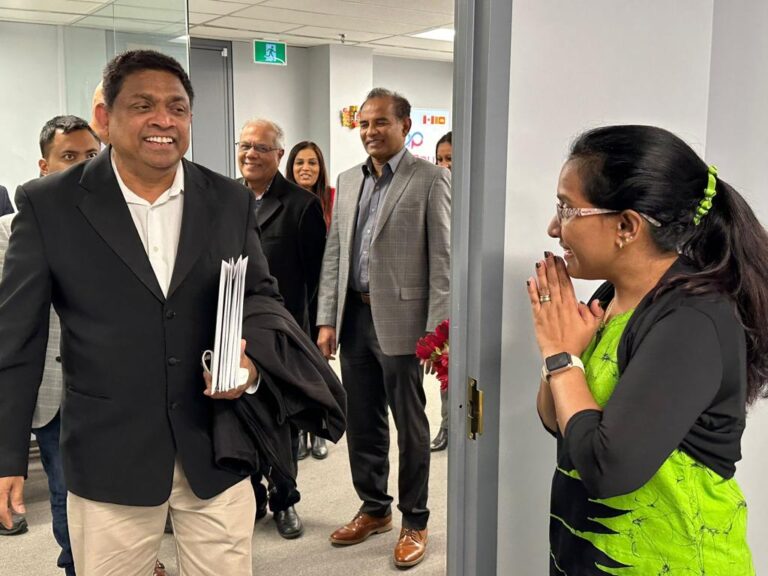
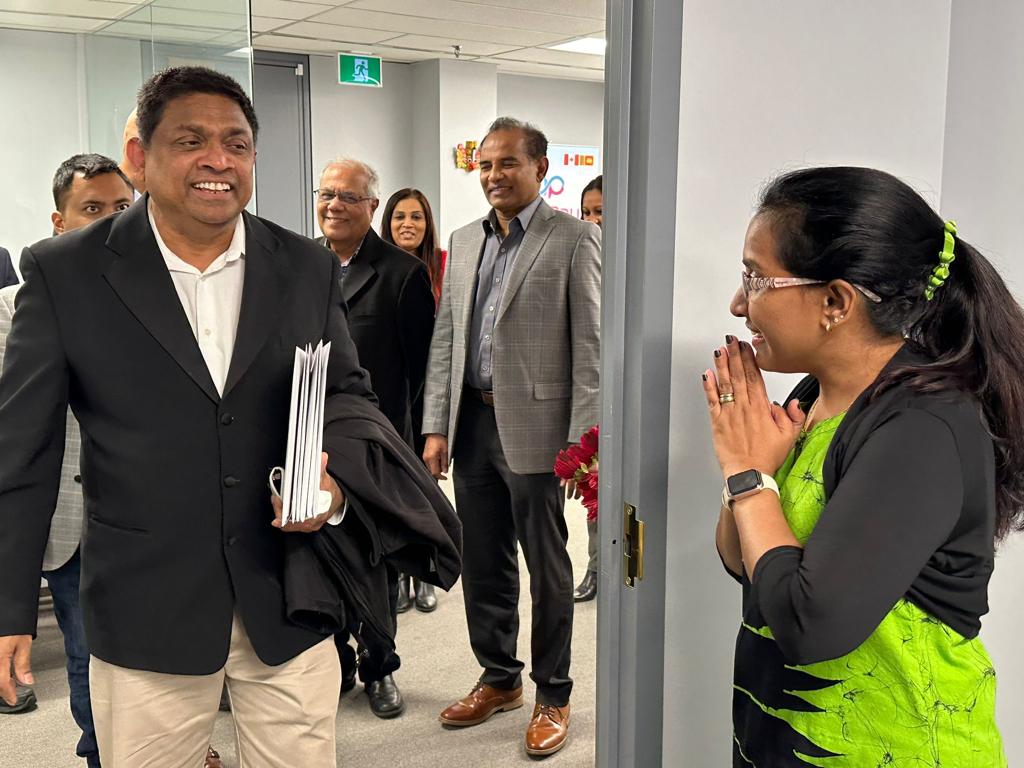
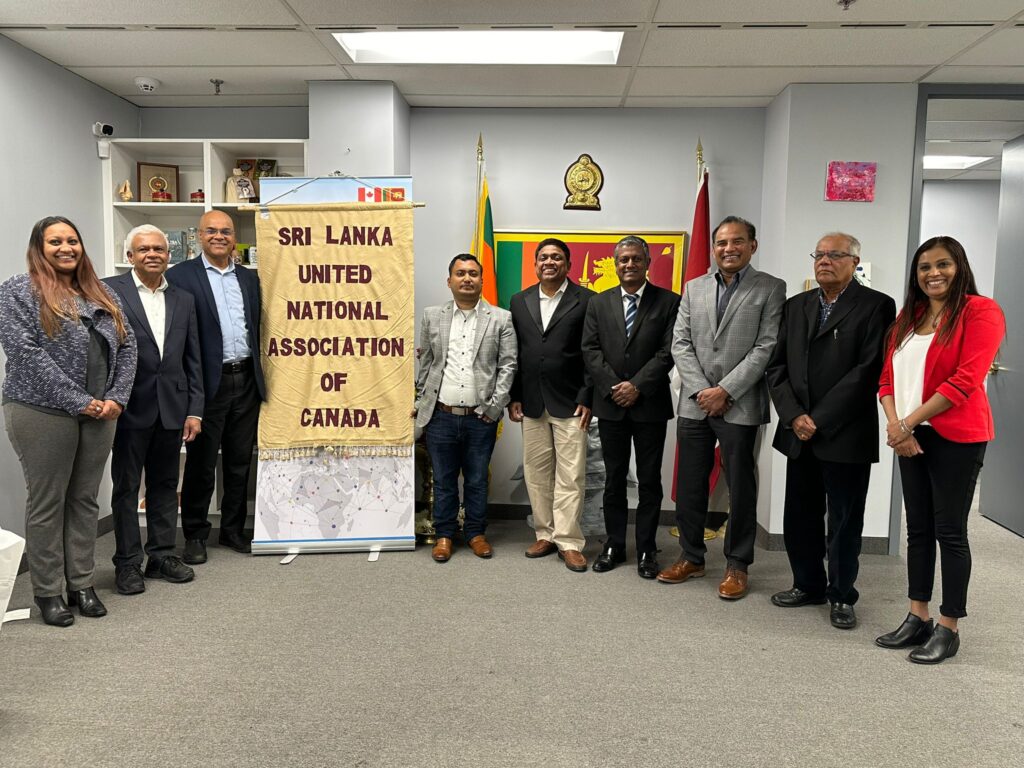
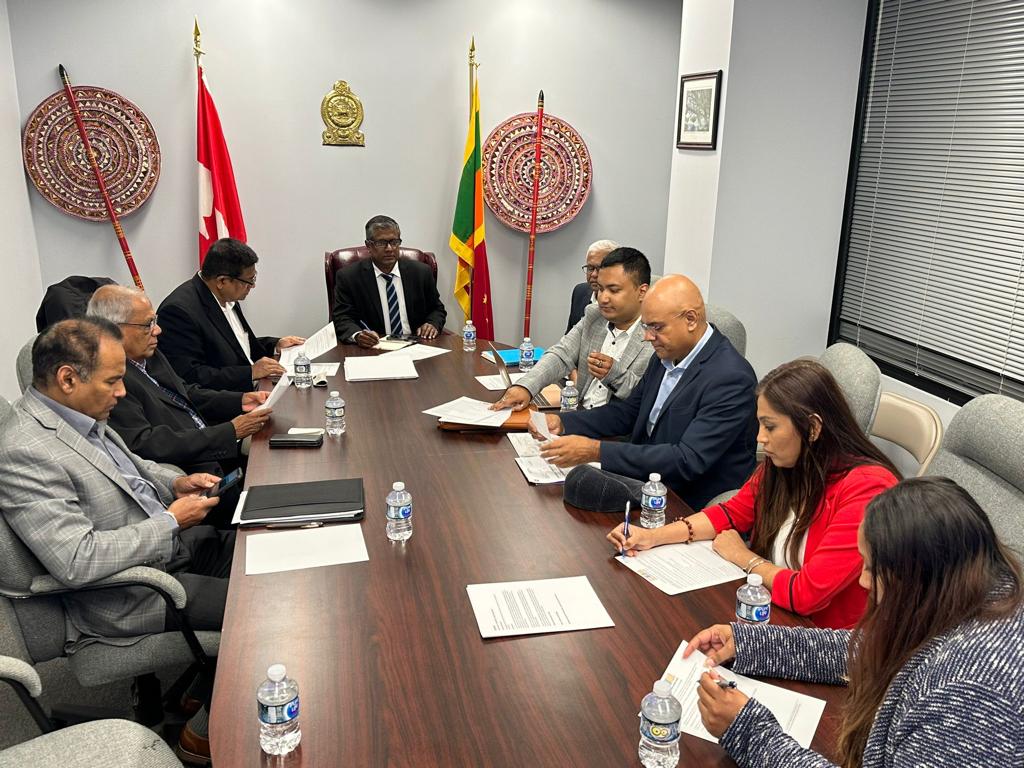
The new board members of Sri Lanka United National Association of Canada (SLUNA) met with the Consul General of Sri Lanka Thushara Rodrigo at the Consulate General in Toronto on 15 October 2023.
The consul general welcomed the new board members and appreciated SLUNA’s constructive engagements with the Sri Lankan Canadian community. He commended SLUNA for its longstanding and pivotal role in the community for over 40 years and extended best wishes for the new board members for a successful tenure.
While appreciating the assistance of Sri Lankan Canadians so far extended to Sri Lanka, the consul general emphasized the importance of supporting the motherland in reconciliation and economic recovery efforts irrespective of ethnic, religious, or political differences. He encouraged the new board members to explore the potential to broaden community engagements to further strengthen the multicultural values in the Sri Lankan Canadian community.
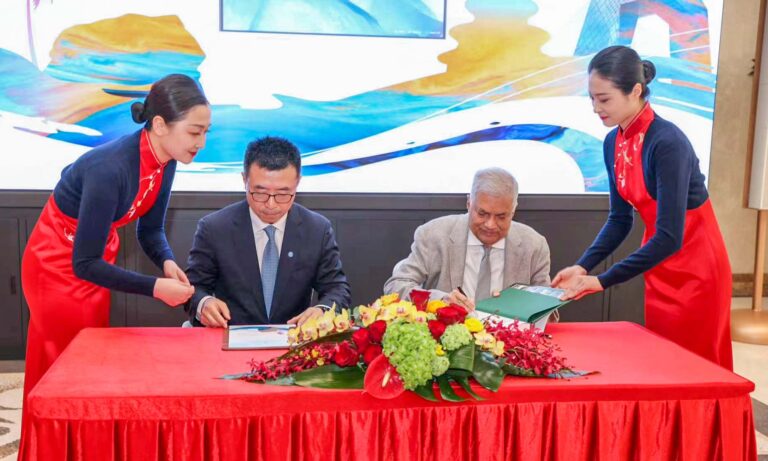
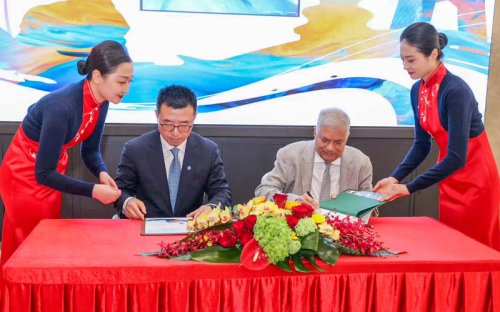
Colombo (LNW): During President Ranil Wickremesinghe’s visit to Huawei today, Simon Lin, the Senior Vice President of Huawei Technologies and President of Huawei Asia Pacific, expressed the company’s commitment to sponsor an annual programme to cultivate software and hardware engineering talent in Sri Lanka.
Lin highlighted Huawei’s ongoing partnerships with multiple Sri Lankan universities, encompassing academic support and technological infrastructure provisions.
As part of his four-day official visit to China, President Wickremesinghe, along with the Sri Lankan delegation, toured Huawei’s R&D centre in Beijing today (17).
Throughout his visit, Wickremesinghe articulated his vision for Sri Lanka’s future and acknowledged the pivotal role the Chinese Government and Huawei play in bolstering Sri Lanka’s digital education and green energy initiatives.
To navigate future challenges, the Sri Lankan President underscored the importance of fostering a robust digital and eco-friendly economy in the island nation, mentioning that preliminary efforts in this direction are already in progress.
The conversations also delved into how equipping the Sri Lankan populace with digital know-how can spur national economic growth.
The delegation was introduced to Huawei’s global offerings and their cutting-edge tech innovations.
Moreover, a pact affirming Huawei’s dedication to digitalising Sri Lankan educational institutions was inked during the visit.
Dignitaries such as the Foreign Affairs Minister Ali Sabry, Transport and Mass Media Minister Bandula Gunawardena, and Senior Presidential Adviser on National Security Sagala Ratnayaka were in attendance.
Colombo (LNW): Sri Lanka Cricket’s Independent Inquiry Committee has recommended the full removal of the ban on Cricketer Danushka Gunathilaka, following an investigation into criminal allegations made against the player in Australia.
Gunathilaka was suspended from all cricket-related activities in November 2022 by the Executive Committee of Sri Lanka Cricket after he was arrested and charged with alleged sexual assault during the T20 World Cup 2022 in Australia.
The suspension aimed to protect the reputation of both cricket and Sri Lanka.
The Inquiry Panel, chaired by Retired High Court Judge Sisira Ratnayake and accompanied by Attorneys Niroshana Perera and Asela Rekawa, unanimously advised that Gunathilaka’s suspension be lifted.
They suggested Gunathilaka return to regular cricket activities and national duty, with a caution to act responsibly as a national representative in the future.
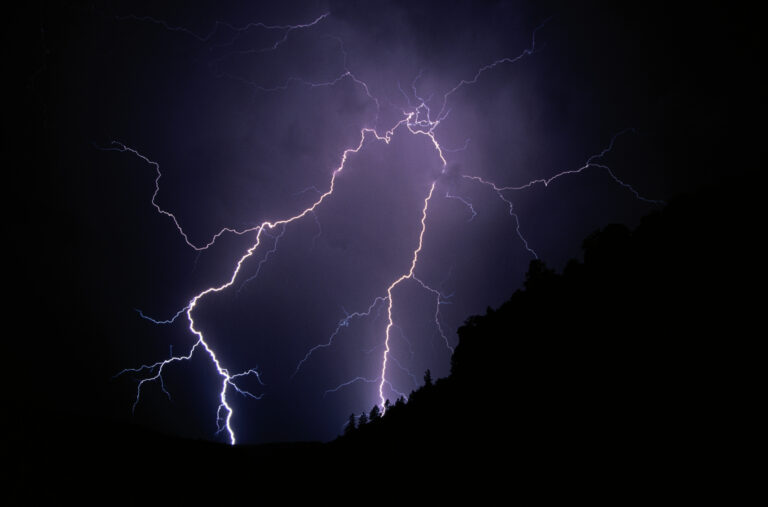
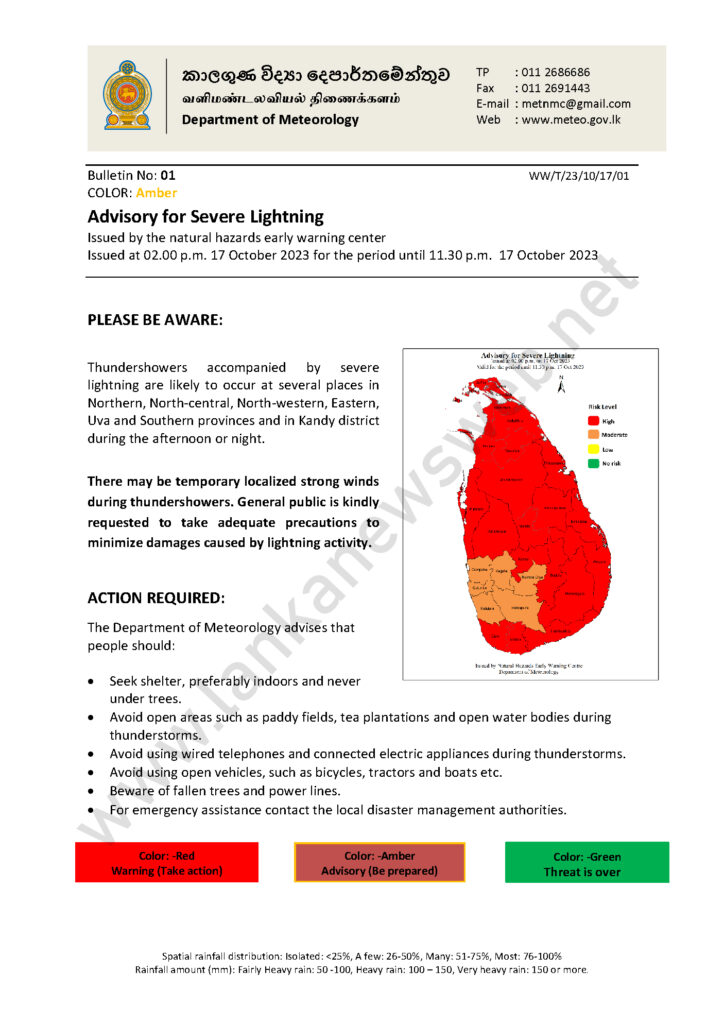
Colombo (LNW): Thundershowers accompanied by severe lightning activity are likely to occur at several places in Northern, North-Central, North-Western, Eastern, Uva and Southern Provinces and in Kandy District during the afternoon or night, the Natural Hazards Early Warning Centre of the Department of Meteorology said in an advisory statement today (17).
Temporary localised strong winds may appear during thundershowers.
The general public, therefore, is kindly urged to take adequate precautions to minimise damages caused by lightning activity.
The Department further urges the public to, seek shelter, preferably indoors and never under trees, avoid open areas such as paddy fields, tea plantations and open water bodies during thunderstorms, avoid using wired telephones and connected electric appliances during thunderstorms, avoid using open vehicles, such as bicycles, tractors and boats etc. and beware of fallen trees and power lines.