Home Blog Page 1652

Sri Lanka Aims To Reach 500,000 Electric Tuk-Tuks

0

By Zachary Shahan

There’s something lovable and adorable about tuk-tuks. But my goodness, they sure can be dirty vehicles — in terms of the pollution they emit. The great thing they have going for them is that they’re small and should be easy to electrify.

Naturally, most of us don’t see tuk-tuks in our everyday life. However, there are millions upon millions on the roads of some countries, and all of those tuk-tuks make their own notable impact on the climate and air pollution where they operate.

Sri Lanka is one of those countries, and it is now looking to do something about this problem. Within the next 5 years, Sri Lanka plans to convert half a million fossil-fueled tuk-tuks to electric tuk-tuks. The island country hovering just south of India currently has about 1.2 million tuk-tuks on the road.

Sri Lanka’s Ministry of Transport and Motorways, its Ministry of Electricity and Energy, and the United Nations Development Program (UNDP) are the bodies behind this electrification plan. The transition will occur in three stages: an incubation phase, a demonstration phase, and an acceleration phase.

The incubation phase involves converting 200 tuk-tuks to electric powertrains in Pettah and Makumbura, suburbs of the capital city of Colombo. As far as what and who can qualify for inclusion in this phase, a Sri Lanka newspaper, Sakshi Post, writes: “For the incubation phase, a number of criteria have been introduced for selection vehicles and owners. These criteria include: the age of tuk-tuk should not be greater than 10 years from date of manufacture, only petrol 4-stroke three-wheelers are eligible, priority would be given to applicants whose livelihood is dependent on a single three-wheeler, and preferential selections are to be given to women owners, operators and persons with disabilities.”

Part of the inspiration for this electric tuk-tuk program was a fuel crisis in the country and the growing cost of fossil fuels. “Unable to import necessary fuel, nearly 500, 000 tuk-tuk drivers who were solely dependent on hires became jobless with weeks long queues in last year,” Sakshi Post writes.

“With the prevailing socio-economic crisis in the island, a shift towards adopting sustainable mobility approaches has been identified as a necessity for a green recovery process,” the UNDP stated in May. “This pilot project is a part of UNDP’s Green Development Portfolio, which is currently being developed. This portfolio aims to build solutions and support Sri Lanka’s development in catalysing low-carbon, green, and inclusive development within which sustainable transportation and e-mobility play a key role,” UNDP’s Resident Representative in Sri Lanka, Azusa Kubota, added.

“Electric three-wheelers will not only benefit individual operators but also contribute to spring boarding the country’s economic recovery process,” Transport and Highways Minister Bandula Gunawardena said.

We’ll see how this electrification plan goes and keep CleanTechnica readers updated and educated. Perhaps the guys at RACEnergy can also help Sri Lanka to electrify tuk-tuks at some point too, including the convenient use of its battery swapping technology

cleantechnica.com

Katana Police Sergeant Dismissed for Negligence During Easter Attack Investigation

0

In the aftermath of the tragic Easter attack in April 2019, a police sergeant stationed at the Katana Police Station has been relieved of his duties due to his failure to fulfill his assigned responsibilities.

An initial investigation conducted by the police scrutinized the actions of the sergeant during the critical period. The findings of this preliminary inquiry revealed significant shortcomings in the performance of his duties, leading to disciplinary charges being filed against him. The sergeant faced a total of 12 counts of violations related to his conduct during the incident.

During the initial hearing, the sergeant pleaded guilty to all charges, prompting the Inspector General of Police (IGP) to take decisive action. Considering the gravity of the sergeant’s negligence and his admission of guilt, the IGP made the decision to terminate his employment, effectively removing him from his position within the police force.

The dismissal of the sergeant serves as a reminder of the importance of upholding duty and responsibility during times of crisis. The authorities remain committed to ensuring that all individuals entrusted with maintaining public safety are held accountable for their actions, particularly in the face of such devastating events.

Sri Lanka Original Narrative Summary: 16/06

0
  1. LKR plummets further: crashes by a massive Rs.30.99 or 10.4% in just 8 days from Rs.297.94 on 06.06.2023 to Rs.328.93 by 15.06.2023: State Finance Minister Siyambalapitiya asserts the authorities are “managing well” and there is no need to worry, since the price of the dollar is decided by supply and demand: Forex market participants in a major panic.
  2. Department of Census and Statistics reports the economy contracted by a staggering 11.5% in the 1st Quarter 2023: Agriculture grew by 0.8%: Industries shrank by 23.4%: Services contracted by 5%: under CBSL Governor Weerasinghe, Sri Lanka’s last 4 quarter growth has been as follows: 2Q2022: -8.4%, 3Q2022: -11.8%, 4Q2022: -12.4%, and 1Q2023: -11.5%.
  3. Transport Minister Dr. Bandula Gunawardena laments no one gives loans now to Sri Lanka because of the non-payment of its loans: further laments that as the Transport Minister, he can’t lay asphalt on roads or make an anicut or repair a broken culvert or repair a collapsed bridge: complains that neither the ADB nor the World Bank gives even 5 cents.
  4. President Ranil Wickremesinghe & Public Security Minister Tiran Alles participate at the inaugural event at the Homagama Divisional Secretariat to accept online applications for passports at 51 Divisional Secretariats islandwide.
  5. Latest report issued by FAO/WFP Crop and Food Security Assessment Mission states that at least 3.9 million people or 17% of the population in SL is in moderate acute food insecurity.
  6. Attorney General informs Appeal Court that the CID is conducting investigations against Pastor Jerome Fernando under the Money Laundering Act.
  7. Supreme Court refuses to grant “Leave to Proceed” in 2 Fundamental Rights petitions filed against the restructuring of Sri Lanka Telecom.
  8. Secretary to the President Saman Ekanayake informs archaeological expert Ven. Dr. Ellawala Medhananda Thera that the land belonging to the historical Kurundi Viharaya in Mullaitivu is a Govt land and that no decision has been taken to distribute it to anyone: President Ranil Wickremesinghe refutes media reports claiming that he is going to settle a group of Tamil people within the land belonging to the Kurundi Viharaya in Mullaitivu.
  9. Sri Lankan Ambassador in Russia Janitha Liyanage says Sri Lanka has reached a deal with Russian Nuclear Giant Rosatom to build a nuclear power plant that may run two reactors and generate 300 megawatts of energy.
  10. Asian Cricket Council announces that the Asia Cup-2023 will be held from August 31 to September 17 & hosted in a hybrid model with 4 matches being held in Pakistan and the remaining 9 matches being played in Sri Lanka.

Allegations of Chinese connections over probable candidate for VC of Jaffna University

0

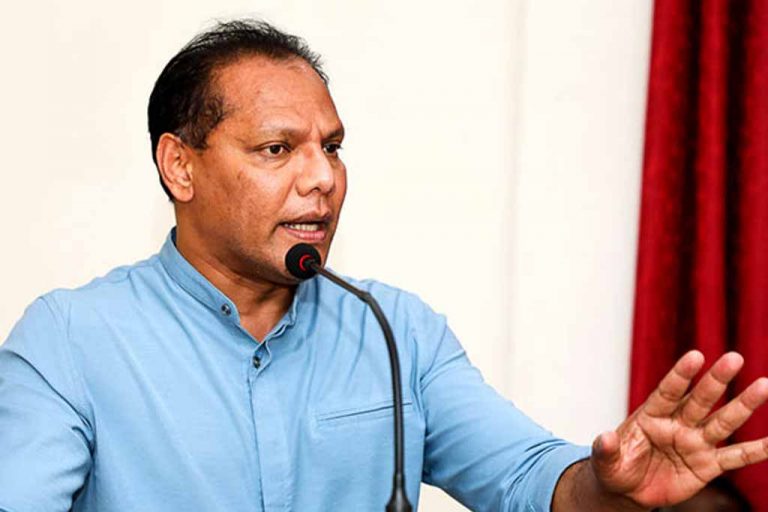
It is learnt that Dr.Vinoba, Senior lecturer of the Department of Zoology, Eastern University, who had applied for the post of Vice Chancellor of University of Jaffna has been appointed as a member of the Board of Directors of National Aquatic Resources Research and Development Agency (NARA) on 12.06.23, by Douglas Devananda, Minister of Fisheries. Reports of the Dr. Vinoba’s appointment as NARA member has raised eyebrows as he was the main person on behalf of the Eastern University mediating the terms and conditions of the MoU signed between Eastern University and Chinese University in April this year.

Speculations are rife that appointment of such an individual will definitely strain the bilateral relations between India and Sri Lanka as he was spearheading the MoU between Eastern and Chinese University. NARA is reportedly involved in making various environmental reports and there are all possibilities that he may tweak the reports in favour of Chinese companies due to his association with China. This entire issue has caused lot of apprehensions among the public, parties and students.

It is also reported that Fisheries Minister held a discussion with NARA officials on 13th June and asked to give reports if sea cucumber farms can be set up in Mullaitivu, where there is none till now. NARA officials have also reported in affirmative that sea cucumber farms can be established. While there are already 268 sea cucumber farms in Jaffna, 277 farms in Kilonochchi and 123 farms in Mannar, now Mullaitivu is also being eyed. Despite scientifically proven that these marine farms cause irreparable damage to the environment sea cucumber farms continue to be set up causing a major problem in the north.

The sea cucumbers grow in these sea cucumber farms, are for exports. Seaweeds also fetch good prices in the international market. None of the local fishermen have benefited from it.

At the administrative level, the Chinese government is making all efforts to make inroads into the Jaffna University. Chinese Yunnan University sent an invitation to the Vice Chancellor of Jaffna University on the 9th of May seeking participation from Vice Chancellor, University of Jaffna for the yoga day to be held in China on the 21st. It sought a confirmation before 29th May. When the Vice-Chancellor did not respond till 22nd of May, on 23rd the Fisheries Minister’s personal secretary intervened and urged the Vice Chancellor to respond to the Chinese request for his participation. Defying all this, the Vice Chancellor went to Japan.

There are concerns that the appointment of a senior professor who is considered pro-Chinese as a member of NARA could lead to a conflict between India and China.

President Launches Online Passport Issuance, Emphasizes Freedom of Expression Protection

0

During a ceremony held at the Homagama Divisional Secretariat, President Ranil Wickremesinghe launched the online issuance of passports and reaffirmed his commitment to safeguarding freedom of expression. Notably, he highlighted the repeal of the criminal defamation law, a progressive step that sets Sri Lanka apart from other countries in the region.

President Wickremesinghe underscored the importance of the proposed Electronic Broadcasting Regulatory Commission Act, which aims to provide recourse to individuals who have suffered harm due to electronic media. He emphasized that this approach is employed worldwide and has instructed the inclusion of guidelines from the United Kingdom’s electronic media regulations in Sri Lanka’s implementation.

Furthermore, the President announced an ambitious digitization initiative to be implemented across all government sectors. The objective is to establish comprehensive facilities where the public can conveniently access all essential documents, ranging from birth to death, in a single location. As part of this initiative, passport applicants will benefit from a simplified online application process available through 51 Divisional Secretariat offices spanning all 25 districts of the island.

Expressing his vision at the event, President Wickremesinghe stated, “Today, we embark on the process of issuing passports through an online system. Concurrently, our nation’s digitalization efforts are rapidly advancing. Our goal is to implement digitization in all sectors of the country in the coming years.”

The President further addressed concerns and assured the public that freedom of expression would not be compromised. He highlighted the need for mechanisms to address harm caused by the media and emphasized the importance of providing relief to affected parties. President Wickremesinghe instructed the Attorney General to align the proposed regulations with UK standards to benefit from precedents and ensure fair decision-making.

Minister of Public Security Tiran Alles, who oversees the Immigration Department among other institutions, spoke about the progress made in streamlining public services. He emphasized the successful elimination of lengthy queues at the Immigration Department through the implementation of digitization. Minister Alles also unveiled a new fee structure for passports, offering expedited processing options to enhance convenience for applicants.

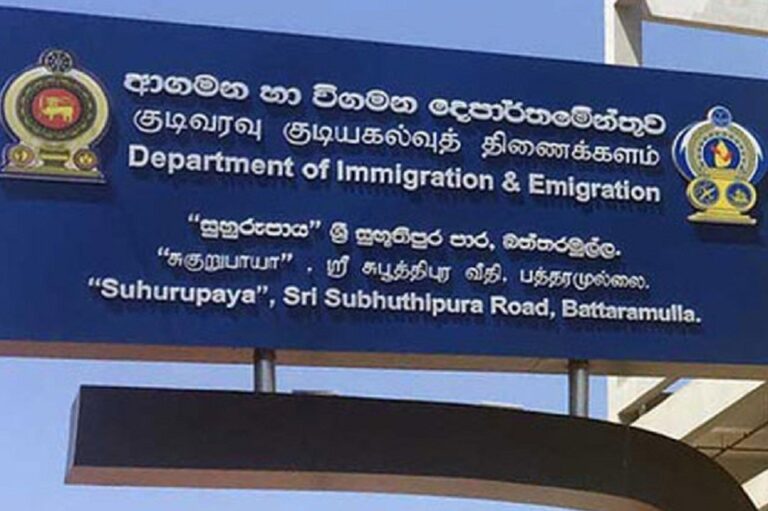
In the future, plans are underway to establish a comprehensive service center at the Suhurupaya building, providing individuals with a centralized location for obtaining all necessary documents, from birth certificates to death certificates.

Spells of showers expected in multiple provinces

0

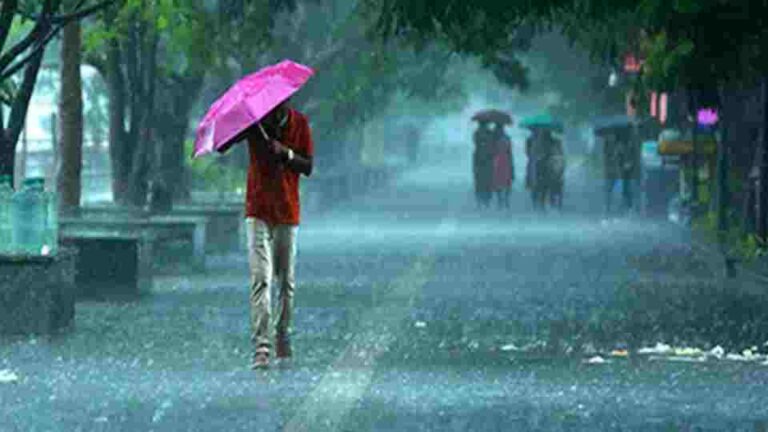
Several spells of showers will occur in Western, Sabaragamuwa and North-Western provinces and in Galle, Matara, Kandy and Nuwara-Eliya districts.

Showers or thundershowers may occur at a few places in Uva and Eastern provinces during the evening or night.

Strong winds about (40-45) kmph can be expected at times in Northern, North-Central and North-Western provinces and in Hambantota and Trincomalee districts.

General public is kindly requested to take adequate precautions to minimize damages caused by temporary localized strong winds and lightning during thundershower.

Vigilant measures to combat Dengue outbreak

0

PMD: During a meeting held yesterday (14) at the main auditorium of the Western Province Chief Secretariat, State Minister Dr. Seetha Arambepola, Chairperson of the Dengue Control Expert Committee, stressed the urgency of spreading the message on safeguarding fever patients from mosquitoes. The Minister highlighted that dengue, a disease transmitted through mosquitoes, can be passed from one infected person to another.

Addressing the Western Province sub-committee, responsible for curbing the dengue outbreak, State Minister Arambepola emphasized the need to raise awareness among the public regarding the protection of both dengue-infected patients and individuals with fever until a confirmed diagnosis is obtained.

In response to the escalating dengue crisis, President Ranil Wickremesinghe recently appointed a ministerial committee and an expert committee dedicated to dengue control. The expert committee promptly established nine provincial sub-committees, one of which is chaired by State Minister Dr. Seetha Arambepola.

The primary focus of the Western Province sub-committee’s meeting revolved around taking immediate measures to effectively control the dengue outbreak within a few days. State Minister Arambepola led discussions on the urgency of implementing necessary steps to combat the disease and minimize its transmission.

Furthermore, the State Minister emphasized that the current situation presents an opportunity to promptly address the carriers and levels of the virus through immediate measures.

Instructing the National Dengue Control Unit, guidelines were issued to control dengue in the vicinity of hospitals. The Unit was directed to create designated areas exclusively for fever patients (Fever Corners) as well as for patients diagnosed with dengue, with the aim of preventing the spread of the disease within hospitals. Additionally, steps were advised to disseminate information regarding the risk of dengue transmission, through text messages.

Accordingly, the State Minister has announced a comprehensive plan to allocate five days a week for inspecting schools, places of worship, government and private institutions, commercial premises, and abandoned plots, which are notorious breeding grounds for dengue mosquitoes. To facilitate this effort, the State Minister has enlisted the support of the police and armed forces for spot checks. She has advised the relevant departments to coordinate these inspections effectively.

In an endeavour to control the spread of dengue among school students, particular attention has been given to advising the provision of suitable clothing that covers the limbs. It was emphasized that this should be implemented without imposing any additional costs on parents. The Ministry of Education will play an active role in informing schools about this recommendation.

Furthermore, raising awareness about the use of mosquito repellents has been proposed as an effective measure.

State Minister Seetha Arambepola acknowledged the valuable contribution of the “dengue groups” in the fight against COVID-19. She expressed her commitment to addressing any challenges faced by these groups and emphasized the need to strengthen their efforts to combat dengue. Their support will be crucial in the on-going dengue control measures.

Recognizing the significance of the situation, the State Minister advised local government commissioners to address the issues faced by Medical officers of Health (MoH) and provide them with the necessary facilities. Additionally, it was suggested that regional health directors actively participate in the weekly meetings of the sub-committee, allowing them to remain updated through discussions with Medical officers of Health and Public Health Inspectors (PHI).

The discussion was attended by Western Province Chief Secretary Pradeep Yasaratne, Western Province Provincial Health Services Director Dr. Dhammika Jayalath, Provincial Health Ministry Secretary Gamini Dharmasena, Local Government Secretary A. D. S. Sadika, President’s Senior Assistant Secretary Budhika S. Gamage, Presidential Media Director Mr. Shanuka Karunaratne, members of the Western Province Dengue Control Sub-Committee, and officials from the National Dengue Control Unit.

President questions the necessity of OLs, Year Five Scholarship exam

0

PMD: During the first discussion of the expert committee appointed to support the ministerial committee for the national education policy framework, President Ranil Wickremesinghe emphasized the crucial role of human resources in the development of any country. Drawing inspiration from the progress achieved by developed nations, the President stressed the importance of establishing a robust education system and cultivating a skilled workforce to accomplish the objectives of becoming a developed country by 2048.

During the discussion held at the Presidential Secretariat yesterday (14) the President acknowledged the significance of aligning the country’s human resources, enhancing the education system, and transforming the nation into a regional education hub. To facilitate this, the ‘Education Ministerial Committee’ was formed, chaired by President Ranil Wickremesinghe and comprised of ten members. Additionally, a sub-committee was appointed to support the reforms in five key areas, including early childhood education, primary and secondary education, higher education, vocational training, and information technology.

Amidst the discussions, urgent amendments to the education system were extensively deliberated upon, with a focus on equipping the future generation to overcome upcoming challenges and build a skilled workforce. President Ranil Wickremesinghe emphasized the need for fixed examination periods and announced his intention to legally establish a specific month for the GCE Advanced level examination. Any changes to the fixed schedule would require submission to Parliament for approval, except in cases of extreme emergencies such as pandemics or Tsunami. The President also highlighted the preparation of corresponding laws.

Furthermore, President Ranil Wickremesinghe emphasized the importance of retaining children in school education for thirteen years and called for a decision regarding the necessity of the GCE Ordinary Level Examination and the Year Five Scholarship examination.

In addition, the President emphasized the imperative of advancing education and technology while maintaining the standard of the school system. Special attention was given to the measures required to enhance the English skills of school children.

Recognizing the significance of the quality of education, the President stressed the need for established standards in both government and private schools. To achieve this, the operation of inspectorates was deemed necessary.

Furthermore, President Ranil Wickremesinghe highlighted the urgency for immediate changes in the vocational training sector. Acknowledging that a trained workforce is essential for a country’s development, he underscored the importance of rapid transformations in Sri Lanka’s vocational training sector to meet the demands of the upcoming labour market.

President Wickremesinghe further stated that a comprehensive long-term economic philosophy should precede discussions on education. Emphasizing the interdependence of education and economic growth, he outlined the aim to overcome short-term debt and achieve a sustained economic growth rate of 8% to 9% within three years, maintained for at least a decade. Such progress is pivotal for propelling the country forward.

The President highlighted several factors influencing the rate of economic growth, emphasizing the importance of scaling up products and drawing inspiration from successful examples such as Malaysia, China, and Singapore. However, he emphasized the need for a phased approach, recognizing that immediate transformation on par with Singapore’s development is not feasible.

However, the President said that Sri Lanka needs to look at automation to meet the labour shortage within the next ten years’, so that Sri Lanka would have a highly automated labour force and become the automated manufacturing hub in this region.

Highlighting human resources as the primary resource for this journey, the President referred to the examples of South Korea, Singapore, Japan, and India, who have achieved development through the effective utilization of human capital. The path to such goals needs to be carefully planned and determined.

Therefore, the convergence of education, economic framework, and climate change was identified as crucial. Only through competitiveness can the country progress towards a highly competitive economy, which remains the ultimate objective.

The discussion was attended by President’s Secretary Mr Saman Ekanayake, Prime Minister’s Secretary Mr Anura Dissanayake, and members of the Education Expert Committee.

Unions lament Kahawatta Brandix factory shut down: Company says merger, not shutdown

0

By: Isuru Parakrama

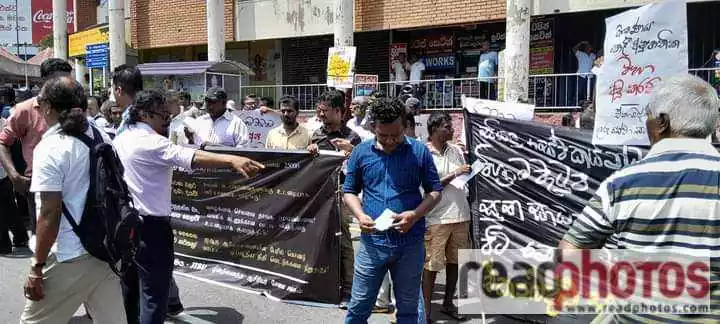
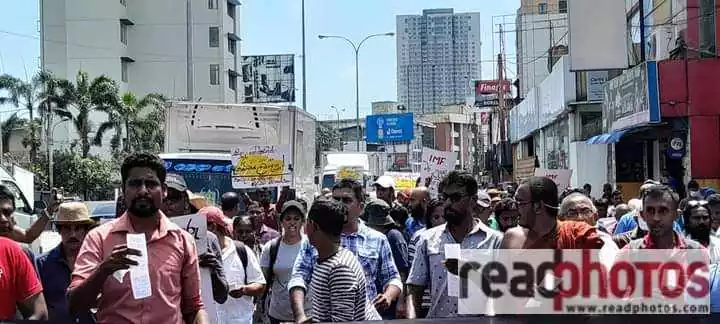
Colombo (LNW): Contradictory reports emerge with regard to a certain garment factory run by the apparel giant Brandix, where the workers’ unions lament that the Kahawatta Brandix factory has been shut down, but the Company denies the allegation, stating that merely ‘a merger’ has taken place.

Over 2,000 employees are working at the Brandix factory in Kahawatta.

The reports surface in the backdrop where many previous claims had been made that a number of factories owned by the apparel giant were shut down, whilst workers’ unions allege that the employees attached to the Kahawatta factory have been reassigned to the factory in Nivithigala, in what they described as ‘a cover-up’ to the shutting down.

There is a tendency of continuous closure of garment factories amidst the declining of orders stemmed by the global economic situation, and in the next five years there is a probability that Brandix may leave Sri Lanka, leaving thousands of employees jobless, unions added.

However, the apparel giant upon a query told LNW that the Kahawatta factory has been merged with the Nivithigala factory in view of providing “a more efficient service to the global customers” as per a pre-determined plan, hence no such shutdown ever being taken place.

A voluntary retirement scheme has also been implemented for the employees who wish to retire voluntarily and this scheme is being implemented solely based on the employees’ wishes, a spokesperson for Brandix said.

The company denied the rumours that Brandix Group has opened new factories in Bangladesh, stressing that they are false and emphasised that the factory overseas was built thirteen years ago.

Commenting on the reports that the company had closed five garment factories across the country, the spokesperson asserted that such an event did not happen at all and only the Welisara factory was shut down based on the company’s desire.

Official exchange rates reveal significant depreciation of LKR

0

By: Isuru Parakrama

Colombo (LNW): The Sri Lankan Rupee has drastically depreciated against the US Dollar today (15) as revealed by the official exchange rates issued by the Central Bank of Sri Lanka (CBSL).

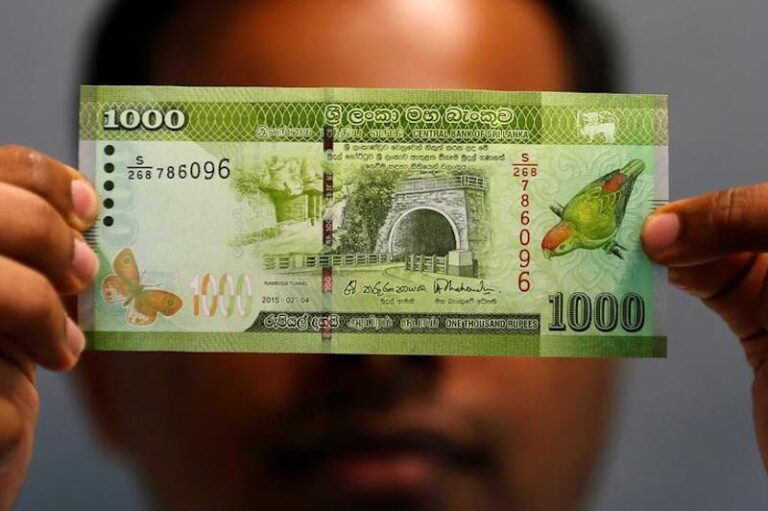
Accordingly, the buying price of the US Dollar has increased to Rs. 311.60 from Rs. 303.19, and the selling price to Rs. 328.92 from Rs. 318.99.

The Sri Lankan Rupee has also dropped against other currencies as well, including Gulf currencies.