Sri Lanka’s ambitious target of US $1 billion monthly foreign inflow from worker remittance by end-2023 is set to become reality amidst signs of sending more money by expatriates via banking channels.
This target could be achieved with more people leaving the country for offshore jobs after an unprecedented economic crisis, Foreign Employment and Labour Minister Manusha Nanayakkara said.
Worker’s remittances have fallen 40.2 percent to $2.9 billion in the first 10 months of this year mainly as most Sri Lankan expatriate workers sought informal methods like Undiyal or Hawala to send the money due to higher exchange rate than that offered by the formal banking system in Sri Lanka.
Nanayakkara has introduced several incentives to encourage Sri Lankan workers in foreign countries to send their money through the formal system and the island nation has witnessed a reversal in year-on-year fall in monthly remittances for the first time in September 16 months.
In a sign of increasing foreign exchange inflows in the New Year workers’ remittances had peaked to a new high of $ 384 million in November but given losses earlier, the year-to-date figure remains down by 36 percent.
The November 2022 figure is the highest since August last year when $ 447 million was achieved. It also reflects an increase in inflows despite a slight drop in October compared to September.
Workers’ remittances in the first 11 months of 2022 were down by 36 percent to $ 3.3 billion. As a result of rebound in inflow, the year-on-year deficit in the first 11 months had been reduced in comparison to 51.6 percent in the first half of 2022 and 44 percent in the first nine months.
Labour Minister Manusha Nanayakkara recently revealed that a record 300,000 people had migrated for overseas jobs.
Central Bank of Sri Lanka citing data up to October disclosed that total departures for foreign employment during January-October 2022 were recorded at 251,151 which has exceeded the annual departures in pre-pandemic period.
In October, departures for foreign employment were recorded at 28,473 with unskilled being (11,399), skilled (7,887) and domestic aid (6,165).
Sri Lanka recorded a high foreign remittances of $7.4 billion in 2020 and analysts believe the minister’s $1 billion monthly target is “highly ambitious” unless the central bank creates confidence among foreign expatriates on formal banking system.
The government has taken some steps to encourage foreign employees send money via proper banking channels by promising high duty-free allowance, pension benefits, and vehicle imports to boost foreign remittances.
The government has also focused on sending skilled labourers for foreign employment, instead of unskilled, the minister said.
A record 273,988 Sri Lankans have left the country for foreign jobs as of November 14 this year, compared to 203,087 outward labour migrations in 2019.
SL remittances record 14-month high in Nov 22 aiming the US$1 billion target in 2023
Sri Lanka 2022 tea exports to gain US$ 1.2 b in value; 250 m kgs in volume
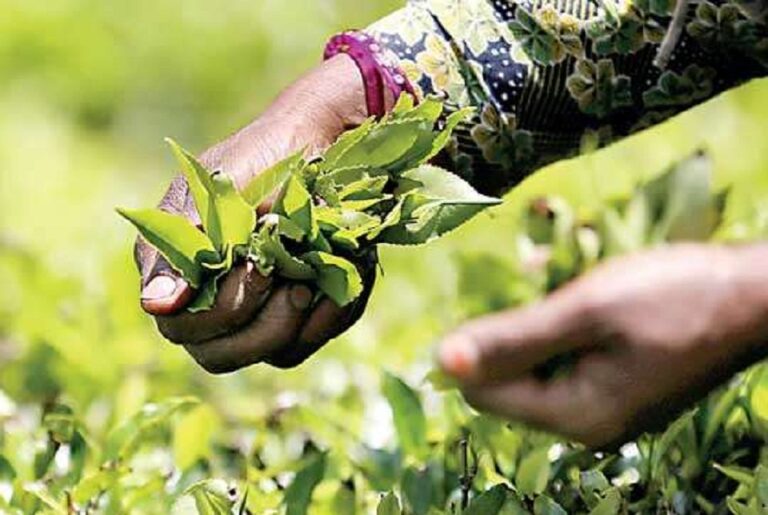
Sri Lanka expects tea production to recover in 2023 to 300 million kilograms after output fell to 250 million kilograms in 2022 with the banning of fertilizer and agro-chemicals.
With the current conditions and the crop lost due to fertilizer issue and everything the Sri Lanka Tea Board (SLTB) expects around 250 million kilograms of tea by the end of 2022
This forecast released via a statement by SLTB is based on the performance of the tea industry up to the first 11 months of this year.
In its statement, SLTB said the year 2022 began with a lot of optimism. Monthly auction average prices continuously increased and more sharply from April.
However, as anticipated, the crop shortfall was inevitable due to the fertilizer crisis. As the year progressed, the Sri Lankan tea industry faced numerous challenges.
Subsequent to the banning of chemical fertilizer by the Government of Sri Lanka in 2021, tea growers and large plantations, in particular, were forced to only use organic fertilizer which too was not adequately available resulting in a negative impact on the Tea production.
A drop of 17% compared to the previous year has been recorded up to end-November 2022.
With the Government’s decision to allow a more generous policy on fertilizer, all expectations are that the country’s tea production in 2023 would improve to at least 290 -300 million kgs.
Expectation of an increase in production next year is however subject to the weather conditions remaining conducive for growth throughout the year 2023. Ageing tea bushes and low productivity levels could also act as a downside.
Made tea production for the year up to end-November was 231.87 million kgs. This is significantly lower compared to 278.96 million kgs recorded for the same period in 2021. It is also lower than 250.19 million kgs produced during the corresponding period in 2020.
Out of the total production for 2022, the Smallholder sector output was 174.71 million kgs (75%) while the RPC sector accounted for 75.8 million kgs (33%). Both sectors recorded decreased outputs with the greatest decline of 20% being registered from the RPC sector. The production shortfall in the small holding sector was 16%.
During the period under review, a total of 5.57 million kgs of tea was imported which account for 2.4% of the production and export volumes.
Senior Journalist Ratnapala Withana passes away
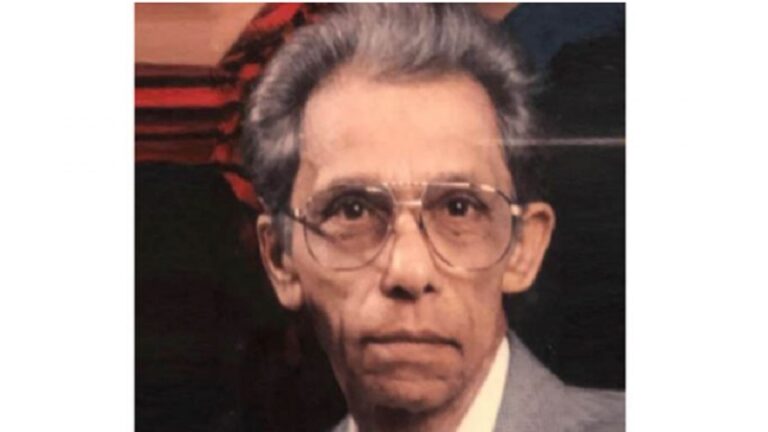
Veteran Journalist Ratnapala Withana passed away yesterday (29) aged 94.
Father to two children, Withana was living in Canada at the time of his demise.
Withana began his career in the 1950s as a journalist at ‘Sinhala Jathiya’ newspaper founded by Sir Anagarika Dharmapala and later contributed to many internationally recognised media platforms.
He was also one of the founding journalists of ‘Lankadeepa’ newspaper.
In compliance with a request made by Withana himself that his rites be performed as quickly as possible following his demise, the last rites will be performed in Canada today (30).
Brazilian football icon Pele has died at the age of 82

His daughter Kely Nascimento paid tribute to her father: “We are thanks to you. We love you infinitely. Rest in peace.”
Brazilian football star Pele has died at the age of 82, his agent has confirmed.
The former Santos FC star, widely regarded as one of the greatest footballers of all time, had been at the Albert Einstein Israelite Hospital in Sao Paulo since 29 November.
A medical report just before Christmas showed that he needed care for cardiac and renal dysfunction, having been battling colon cancer since September 2021.
His daughter Kely Nascimento paid tribute to her father on Instagram: “We are thanks to you. We love you infinitely. Rest in peace.”
Pele – originally named Edson Arantes do Nascimento – began playing for Santos at the age of 15 and the Brazilian national team a year later, bursting onto the world football scene as a 17-year-old in the 1958 World Cup.
During his international career, he won three World Cups – in 1958, 1962 and 1970 – the only player to achieve this.
He died on Thursday at 3.27pm Brazilian time due to multiple organ failure resulting from his colon cancer, the hospital said in a statement.

Gary Lineker was among those hailing Pele’s legacy following the news of his death.
He said on Twitter: “The most divine of footballers and joyous of men.
“He played a game only a few chosen ones have come close to.”
England World Cup winner Sir Geoff Hurst said Pele “remains the greatest of all time”.
He said: “I have so many memories of Pele, without doubt the best footballer I ever played against (with Bobby Moore being the best footballer I ever played alongside).
“For me Pele remains the greatest of all time and I was proud to be on the the pitch with him. RIP Pele and thank you.”
Lionel Messi, another footballer widely considered to be one of the greatest of all time, shared his own simple reflection: “Rest in peace”.
Pele’s role in Brazil’s third victory, in Mexico in 1970, has gone down in football folklore, as he played a key role in arguably the sport’s greatest ever international team.
His glittering 20-year career from 1957 to 1977 saw him score 757 goals in 831 games, although Santos claim his tally was closer to 1,000.
A post on Pele’s official Instagram account following his death said the icon “enchanted the world”.
“Inspiration and love marked the journey of King Pelé, who peacefully passed away today.
“On his journey, Edson enchanted the world with his genius in sport, stopped a war, carried out social works all over the world and spread what he most believed to be the cure for all our problems: love.
“His message today becomes a legacy for future generations.
“Love, love and love, forever.”
Navy takes hold of smuggled stock of Kendu leaves in Kalpitiya

Sri Lanka Navy took hold of a smuggled consignment of Kendu leaves weighing about 150 kg (wet weight), during a patrol carried out in Lunuwila sea area of Kalpitiya on 28th December 2022. The consignment was adrift in the sea area when it was spotted by the Navy.
The recovery of the stock was made by SLNS Suranimila, attached to the Western Naval Command, patrolling in the sea area of Lunuwila on the morning of 28th December. Accordingly, the Navy retrieved 03 suspicious packages adrift at sea and found that the packages were stuffed with Kendu leaves weighing about 150kg (wet weight).
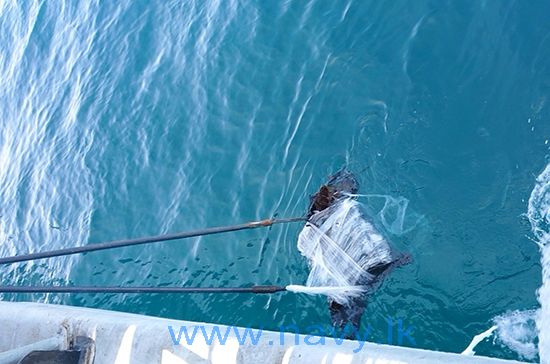
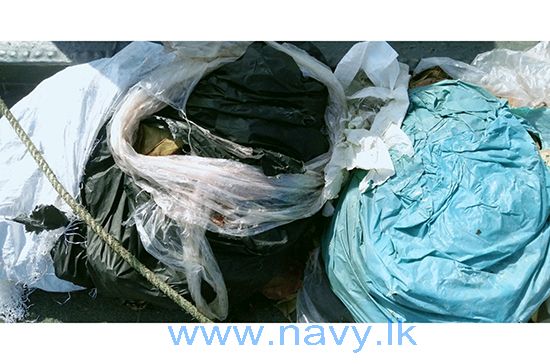
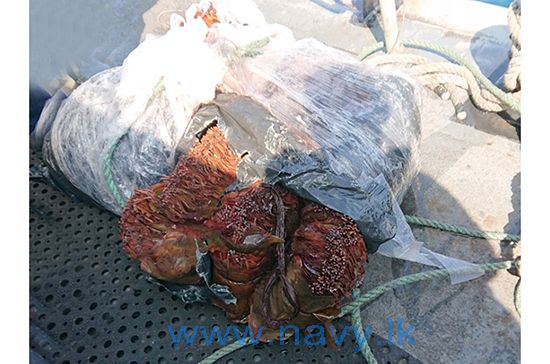
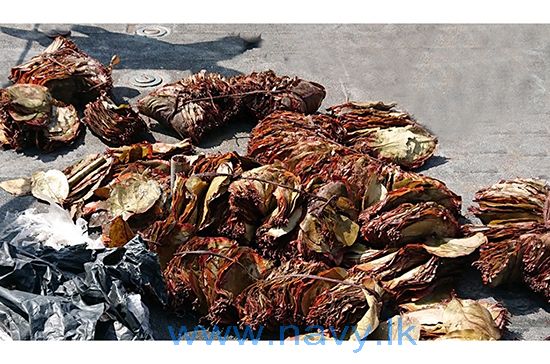
It is believed that the smugglers may have left this stock of Kendu leaves in the sea area due to constant naval operations. Meanwhile, the contraband item has been kept in the naval custody until it is produced for onward legal proceedings.
The Navy has seized about 15133 kg of Kendu leaves attempted to be smuggled thus far in the year 2022. Meanwhile, 19 suspects held in those separate naval operations have been produced for onward legal proceedings.
SLnavy
Misty conditions expected in some places, fair weather to prevail over island

Mainly fair weather will prevail over the island, and misty conditions can be expected at some places in Central, Sabaragamuwa, Uva and Western provinces and in Galle and Matara districts during the morning, said the Department of Meteorology in a statement today (30).
Marine Weather:
| Condition of Rain: |
| Mainly fair weather will prevail over the sea areas around the Island. |
| Winds: |
| Winds will be north-easterly and wind speed will be (20-30) kmph. It may increase up to (40-50) kmph at times over the sea areas off the coast extending from Mannar to Chilaw via Puttalam and from Matara to Pottuvil via Hambantota. |
| State of Sea: |
| Sea areas off the coast extending Mannar to Chilaw via Puttalam and from Matara to Pottuvil via Hambanthota will fairly rough at times. The other sea areas around the island will be slight. |
MIAP
Sri Lanka Original Narrative Summary: 30/12
- Sri Jayawardenepura University Immunology and Molecular Medicine Dengue Research Centre Director Professor Neelika Malavige says dengue cases are at an all-time high after two years.
- Sri Lankan-born Galleon Fund founder Raj Rajaratnam, allegedly the mastermind of the largest hedge-fund insider-trading ring in US history, due to meet some Sri Lankan politicians in the coming days: former CB Governor and present Debt Advisor to the President Dr Indrajith Coomaraswamy was also a Director of Rajaratnam’s Galleon Group.
- Excise Commissioner General M.J.Gunasiri says the Excise Department has recorded an annual income of Rs.170 bn, it’s highest in 110 years: previous incomes were Rs.121 bn in 2020 and Rs.140 bn in 2021: also says this was achieved in the background of alcohol price increase and decrease in demand during the last 6 months of 2022.
- Energy Minister Kanchana Wijesekera says over Rs.3.5 bn per month was paid as allowances and salaries for employees of the CEB: also says CEB’s revenue was Rs.33.6 bn for Oct’22 and Rs.35.6 bn for Nov’22.
- Dominant party of the Tamil National Alliance (TNA), Ilankai Tamil Arashu Katchchi (ITAK) declines the request to accommodate other Tamil parties except its traditional allies to form a broad political alliance.
- American national Pritchett Jermaine Adriun, 38, identified as a taxi driver in the USA, arrested by Police at the Katunayake International Airport with 10.9 mm live bullets: suspect said to have come to Sri Lanka with his Japanese girlfriend to attend the wedding ceremony of a friend.
- Agriculture Ministry begins to deposit money in the bank accounts of the paddy farmers utilizing Rs.8 bn grant of the ADB: small-scale farmers cultivating paddy to receive financial support of Rs.10,000 for a hectare, upto a maximum of 2 hectares, under the scheme.
- Tens of thousands of Sri Lankan individuals and corporates to cut spending and investment from Jan’23 as steep income tax rates come into force: over 65% inflation, tripled interest rates, high energy prices and the massive tax hike to sharply affect spending on consumption of wage earners: many Sri Lankans scrambling to migrate.
- State Finance Minister Shehan Semasinghe says approval of IMF will be received in Q1 of 2023: points out that USD 2,900mn in 4 years (in 8 tranches of USD 362 mn once every 6 months) is not a “meagre aid”: also says the arrangement “builds trust in the country” beyond financial value: in the 6 months prior to seeking IMF assistance, the Sri Lankan authorities secured Forex inflows of USD 4,000 mn.
- Government Information Department says all inbound travelers and outbound Sri Lankans could fill “Arrival and Departure Cards” online from 1st January 2023 onwards.
Sri Lankan Ambassador calls on the Kuwait Parliament Speaker
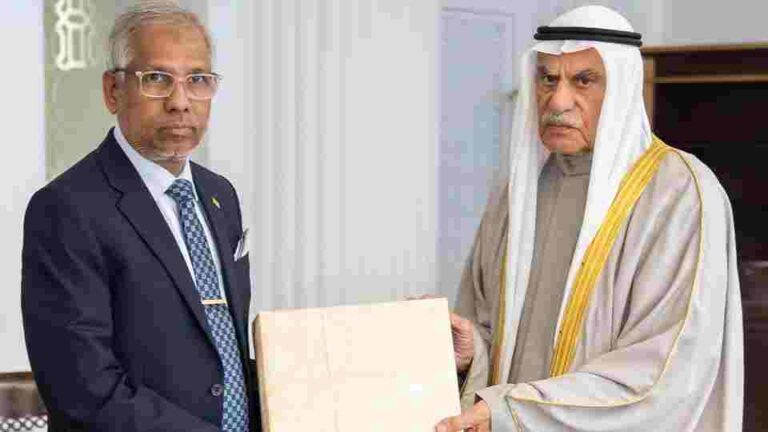
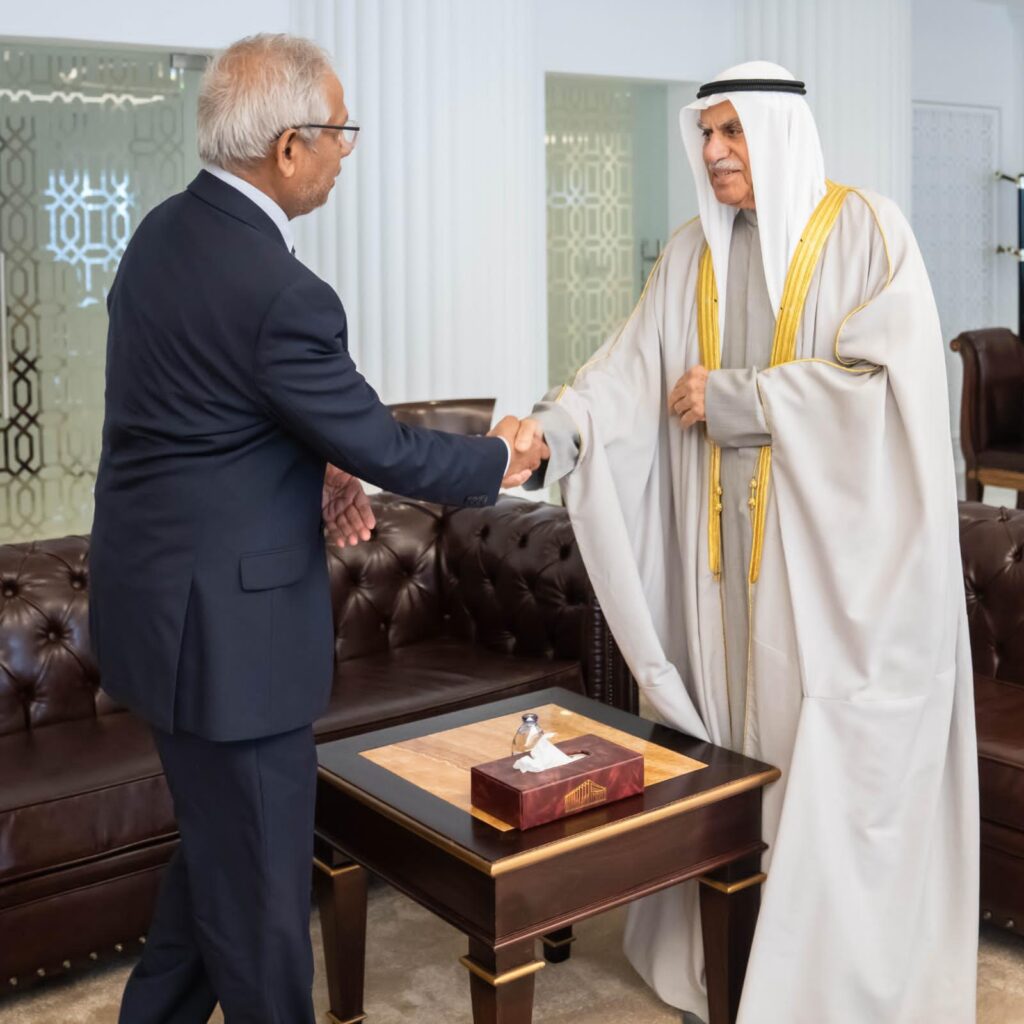
Sri Lanka’s Ambassador to the State of Kuwait U. L. Mohammed Jauhar paid a courtesy call on the Speaker of the National Assembly Ahmad Abdulaziz Al-Saadoun, who was chosen to the position for the fourth time following the general elections held in September this year.
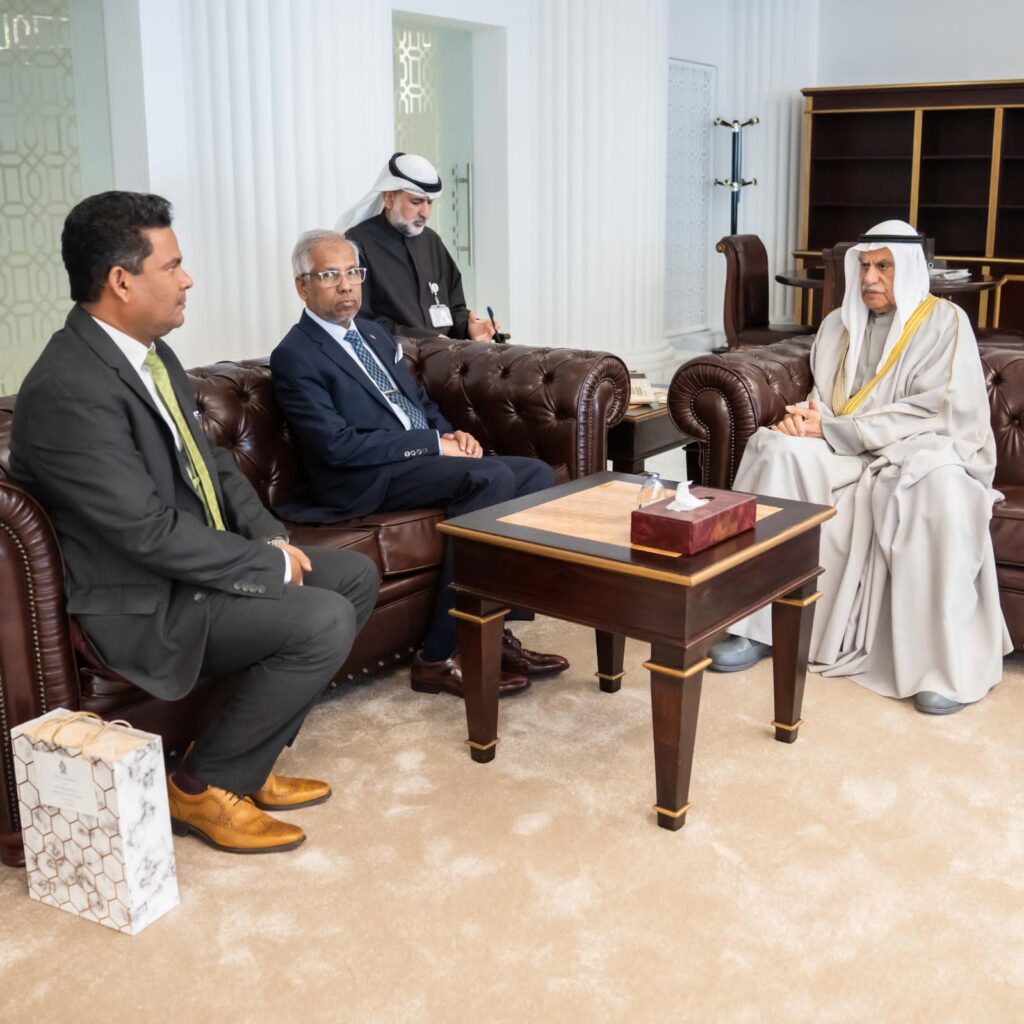
During the meeting, the Ambassador sought the assistance of the Speaker to further strengthen the relations between the Kuwait National Assembly and the Parliament of Sri Lanka. While extending congratulations to the Speaker on his election, the Ambassador gave a brief account of the legislatures of Sri Lanka, prior to and post independence. He recalled the visits of the Members of Kuwait National Assembly to Sri Lanka.
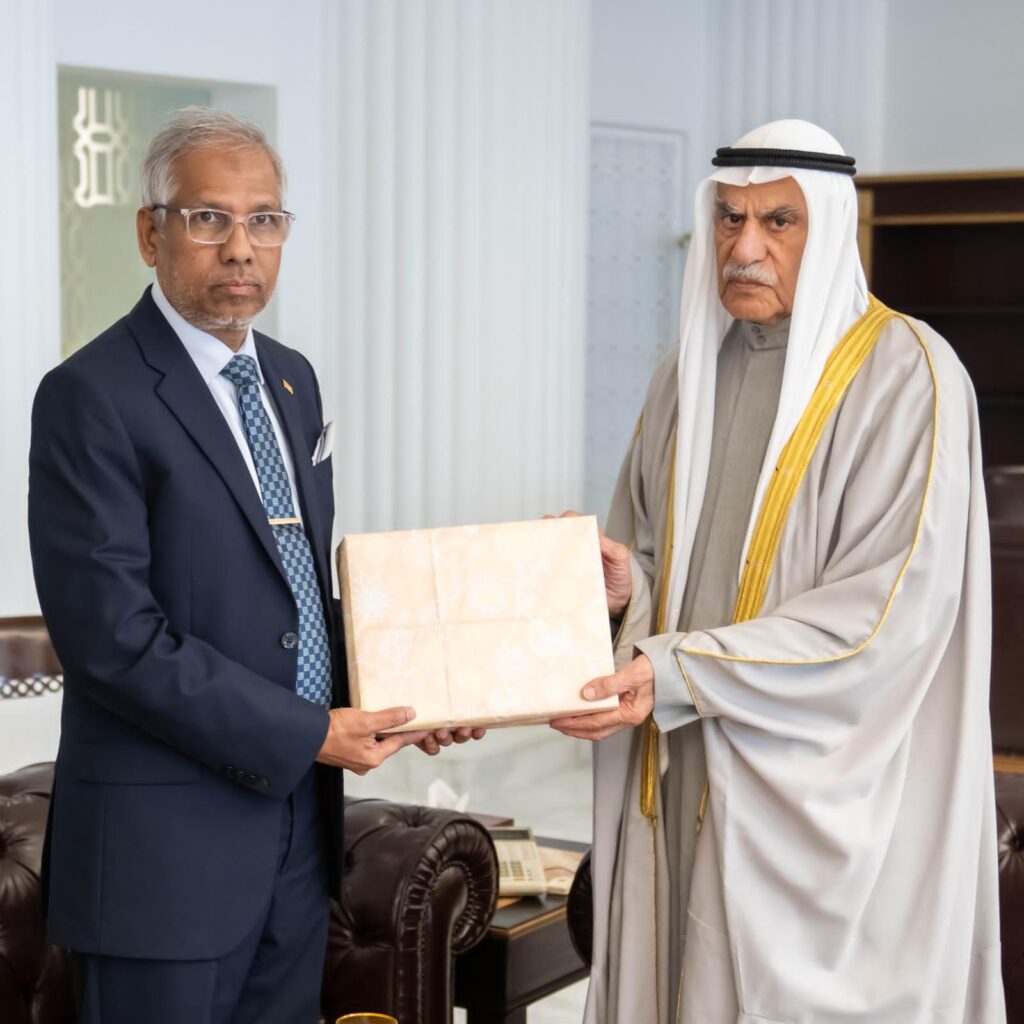
Speaker Al-Saadoun thanked the Ambassador and stated that a Kuwait Parliamentary Friendship Group on Sri Lanka would be formed shortly. He also stated that he believes that the formation of such a group and exchange of visits by legislators of both countries in future would further enhance the bilateral cooperation. The Speaker appreciated the contribution of the Sri Lankan migrant workers to the economy of the State of Kuwait. He fondly recalled his meeting with former Prime Minister Sirimavo Bandaranaike during his visit to Sri Lanka in 1975.
Embassy of Sri Lanka
Kuwait
Ambassador of Sri Lanka to Türkiye Hasanthi Dissanayake, Presents Credentials in Ankara
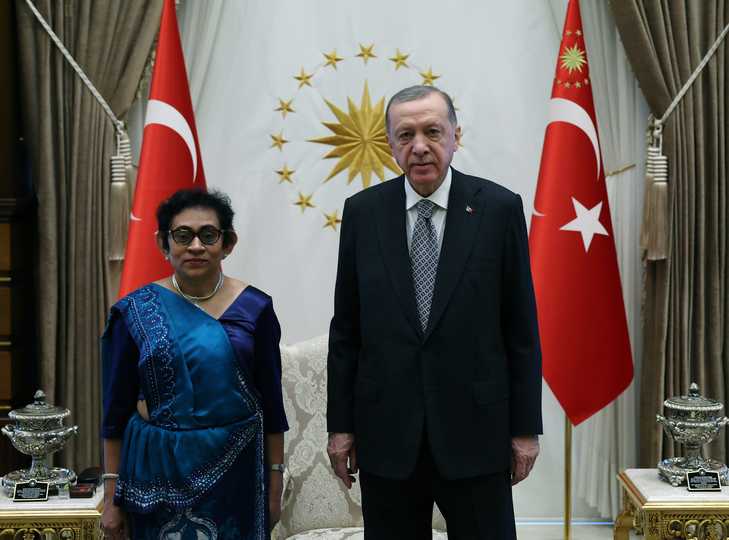
The newly appointed Ambassador of Sri Lanka to the Republic of Türkiye, Saranya Hasanthi Urugodawatte Dissanayake, presented credentials to President of the Republic of Türkiye Recep Tayyip Erdoğan on 27 December 2022 at the Presidential Complex in Ankara, accrediting her as the Ambassador Extraordinary and Plenipotentiary of the Democratic Socialist Republic of Sri Lanka to the Republic of Türkiye.
During the meeting, President Erdoğan extended his greetings to President of the Democratic Socialist Republic of Sri Lanka Ranil Wickremasinghe. He further recalled Sri Lanka’s long standing bilateral relations with Türkiye with connections dating back to around 09th Century during the Ottoman Empire. He noted that first formal relations began with the Ottoman Empire appointing an Honorary Consul to Sri Lanka in 1864 with residence in Galle.
President Erdoğan also recalled his visit to Sri Lanka in 2005 as the then Prime Minister of Türkiye and noted the humanitarian assistance extended by the Government of Türkiye to Sri Lanka as well as the donation of medical supply to Sri Lanka in August 2022. He expressed his pleasure on the continuous support for the operation of Turkish Airlines in Sri Lanka stating that during the COVID-19 pandemic, Turkish Airlines was one of the few airlines that continued its services between Istanbul and Colombo.
Ambassador Dissanayake thanked President Erdoğan for his remarks and stated that as a senior career diplomat, and being mandated by the President of Sri Lanka, she remains firmly committed to further strengthen the longstanding and cordial bilateral relations between the two countries. She also thanked the President and the Government of Türkiye for supporting Sri Lanka at the UNHRC, Geneva.
The Ambassador also briefed President Erdoğan on Sri Lanka’s current economic and political situation and assured that to her utmost ability, she remains committed to promote historical relations for the mutual benefit of both countries.
Ambassador Dissanayake expressed inspirations she has drawn from the visionary founding father of the Republic of Türkiye, Mustafa Kemal Ataturk who modernized the nation with secular, pluralist democratic features, which is a part of the “Kemalist” ideology, that led to the empowerment of women as a pre-requisite for development.
Considering the visionary leadership of Veteran Mustafa Kemal Ataturk in transforming the country in to a modern state with emancipation of all its citizenry including women, revamping the justice and legal system to bring fairness to all, which is indeed a global inspiration. Ambassador Dissanayake further stated that this has also been the commonality of the shared vision of the two countries during its longstanding friendship. She specified that 2023 is a very significant year for both countries individually and for the bilateral relations of the two countries with Türkiye celebrating its 100th Anniversary of Independence and Sri Lanka celebrating its 75th Anniversary of Independence. Sri Lanka and Türkiye will be celebrating the 75th Anniversary of established Diplomatic relations.
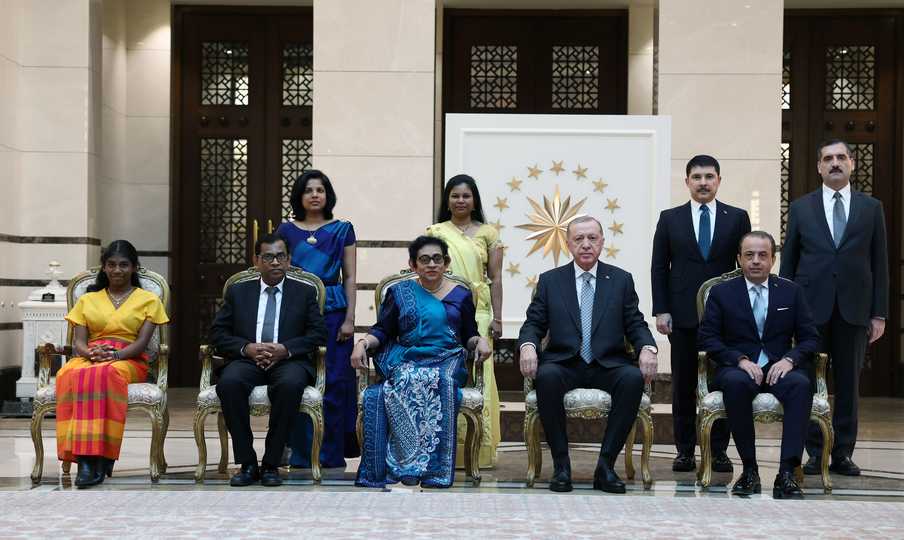
The Ambassador congratulated President Erdoğan on his initiatives on climate and environment, including the commitment to host the 16th Conference of Parties of the UN Convention on Biological Diversity in 2023, global Zero Waste initiative and the announcement of the world’s largest wave energy project. Türkiye’s soft diplomacy skills in facilitating the Black Sea Grain Deal and the fact that the country is hosting 3.6 million Syrian refugees and 400,000 other refugees were much appreciated.
The need to conclude bilateral agreements on investment promotion and protection, avoidance of double taxation and customs matters were noted as key areas of collaboration for enhancing bilateral investment and trade. Increasing cooperation in education, culture, technology, energy and tourism sectors were also discussed.
In the sphere of cultural exchange it was also noted that the 02 novels of Nobel Literature Laureate OrhanPamuk, the Turkish Novelist, screenwriter, academic, has been translated to Sinhalese by a fellow Sri Lanka Foreign Service Officer, Niluka Kadurugamuwa, currently serving as the Deputy High Commissioner at the Sri Lanka High Commission in New Delhi, India.
Ambassador Dissanayake also stated that she is closely collaborating with the Turkish Ambassador in Colombo and Turkish Airlines on a range of economic cooperation activities and that she is looking forward to holding the 3rd Session of the bilateral Economic and Technical Cooperation in Ankara.
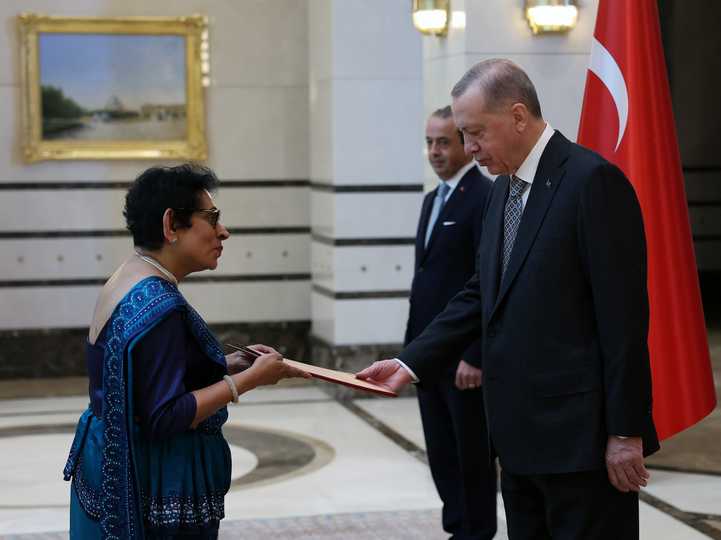
Ambassador Saranya Hasanthi Urugodawatte Dissanayake joined the Sri Lanka Foreign Service in 1996 and has previously served as the Ambassador of Sri Lanka in Viet Nam, Consul General in Shanghai, and other diplomatic postings in Japan, Sweden and Italy.
Prior to her appointment as the Ambassador of Sri Lanka to the Republic of Türkiye, she was the Additional Secretary for Ocean Affairs, Climate Change and Environment at the Ministry of Foreign Affairs, Sri Lanka.
She is married and has one daughter.
Embassy of Sri Lanka
Ankara
29 December 2022
BASL silent over notarial malpractice?
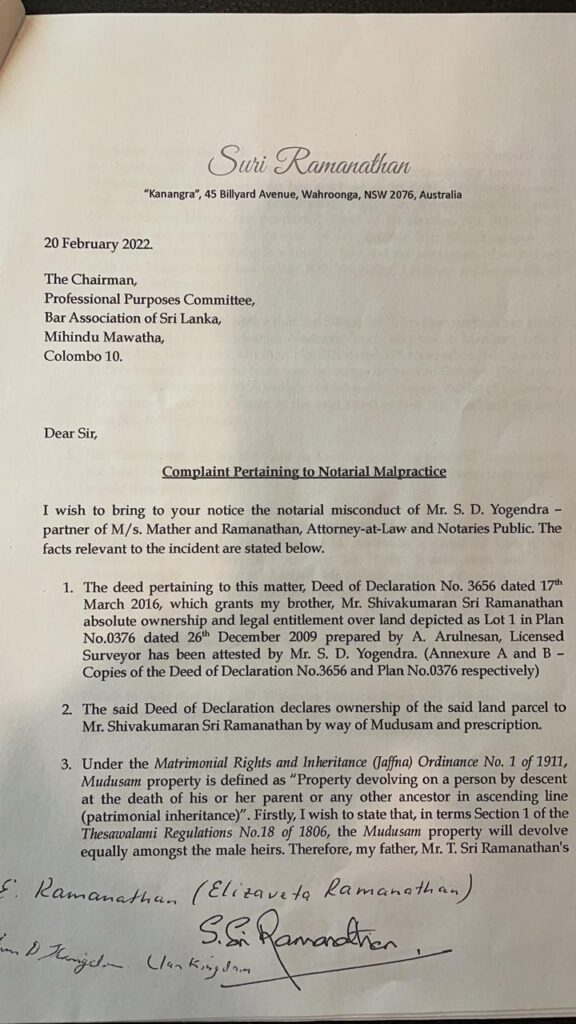
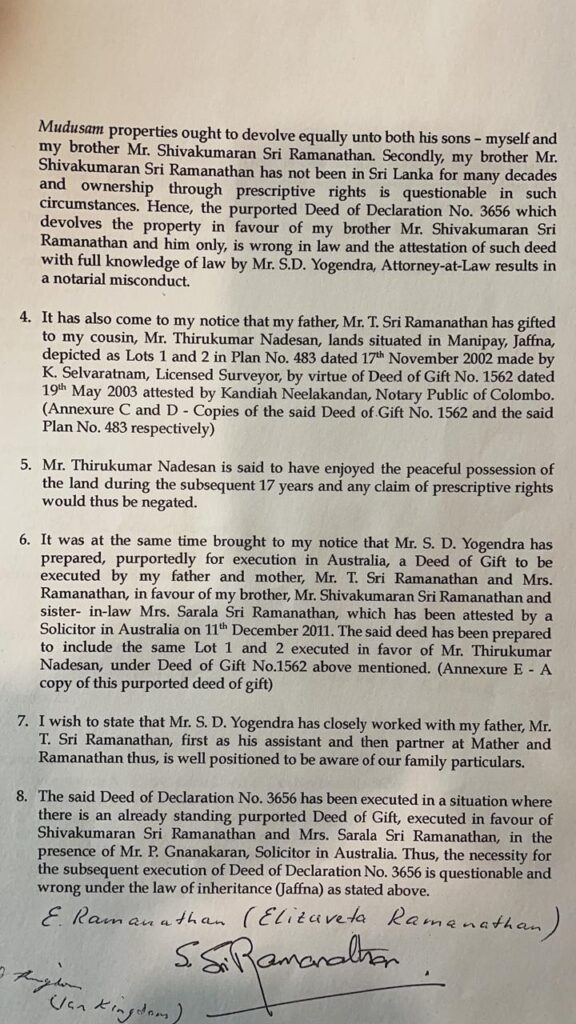
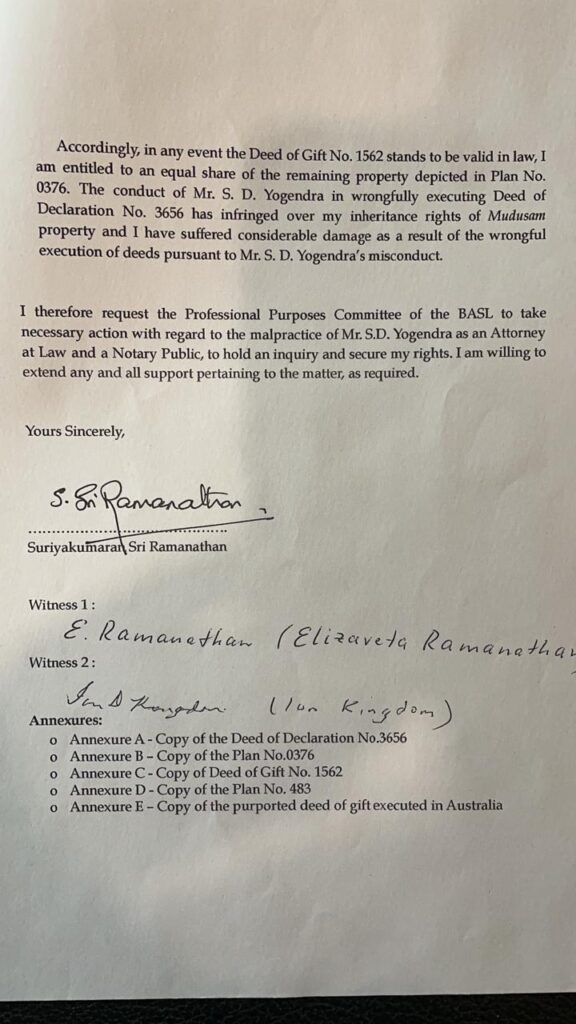
Suri Ramanathan, a Sri Lankan citizen, raised strong concerns over the silence of the Bar Association of Sri Lanka (BASL) pertaining to a complaint he had lodged about six months ago accusing Attorney-at-Law S.D. Yogendra of notarial misconduct.
In a letter addressed to the President of the BASL, Mr. Ramanathan stressed that in BASL’s stance to root out members who are wrong doers, he observes poor governance regarding the matter of his complaint, urging the body to pay immediate attention.
The Letter:
Mr. S. Pieris
President
Bar Association of Sri Lanka
Dear Mr. Pieris,
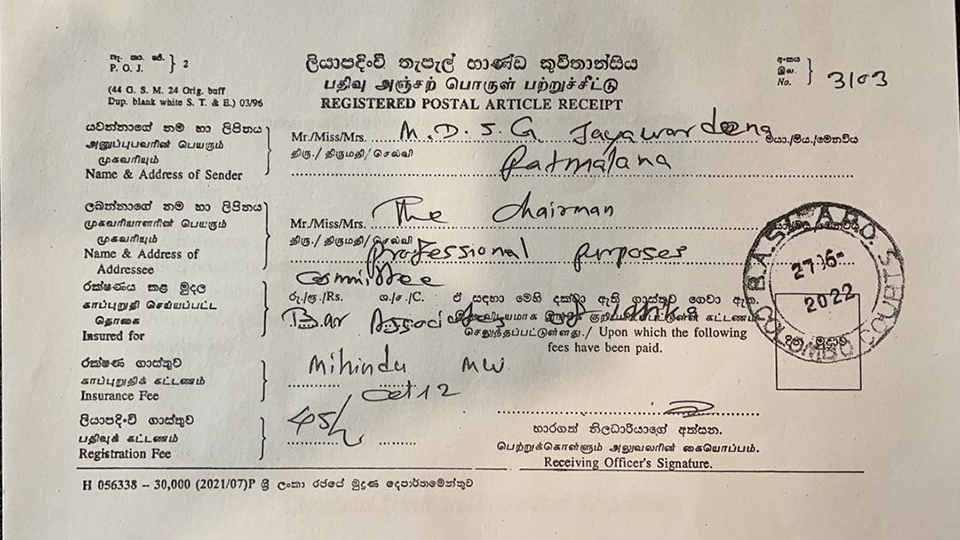
Six months had passed since BASL accepted my submission (BASL receipt number 3103, dated 27 June 2022, duly attached) sent by registered post by a member of my legal team Mr. Sapumal Bandara. It took me a decade to send this complaint as it became clear to me the extent of the malpractice not only did not recede but continues to get worse. I was hoping my complaint will be addressed with due process and relatively quickly as is the global norm. Whilst I am aware of the recent politico-economic challenges in Sri Lanka, I am not aware that it is any different to other countries in the world, I am also not aware that a National Professional Body loses its direction granted to self regulate itself by events external to its purpose.
With due humility to your office as President, I write to you to seek immediate attention to the poor governance regarding the matter of my complaint. I also attach a copy of the document lodged for your ease. If you require any further information, I am happy to instruct Mr. Bandra to assist.
Being elected by the legal profession in Sri Lanka, I take it for granted that you will not need me to say much about the essence of a strong legal profession, as a foundation for a society, a country to operate and indeed build its hopes on. Suffice to say that Justice is a process of bringing private and public interests together in a pragmatic way. The essence of this process of justice, the best in class and espoused by many jurisdictions, is timeliness. As Justice delayed is Justice denied.
In my wider case, I will be pursuing them relying on the due processes of established laws in Sri Lanka, but you and your organisation are the only one that can investigate my complaint of the long shadow over time of unbelievably poor ethics, where justice has been continually denied to me by a member of your profession. Given my experience, I fear and speculate that my “missing file” may also be part of the long list of strangulation of the oath of truth that this attorney undertakes as the nub of the way he practices the license granted to him to operate.
I am also relying that BASL stands to root out members who are wrong doers, who bring disrepute to its membership by a process that delivers more than a minor slap but dis-enrolling permanently or even for a very very long period, sending a message to its members who celebrate their oath daily and professionally who deserve not to be sullied by scum. If found guilty of severe malpractice, a mere slap will be mockery of justice. In most professions globally, they counsel their errant members to seek another profession or , if older, to retire to save face thereby withdrawing the license to commit further larceny. I am assuming that you and your committee may have pragmatic measures already in place.
Will you help bring justice to me, by investigating my complaint against S.D. Yogendra, at the Bar Council’s earliest possible date ?
Kind Regards,
Suri Ramanathan