Muditha Peiris is to be appointed as the new Chairman of the LITRO Gas Company.
Peiris also served as the Managing Director of the state-run gas company during the previous regime.
MIAP
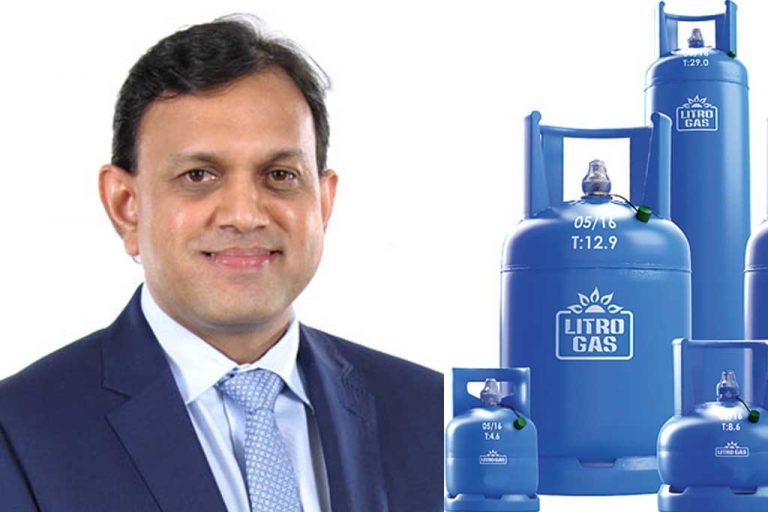
Muditha Peiris is to be appointed as the new Chairman of the LITRO Gas Company.
Peiris also served as the Managing Director of the state-run gas company during the previous regime.
MIAP
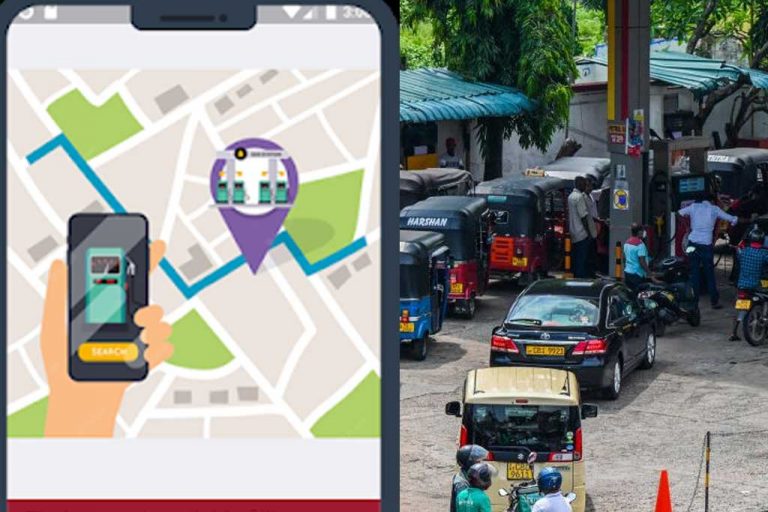
The government has opened a website for the public to check the availability and the issuance of fuel in the nearest fuel station islandwide.
The website can be accessed at https://fuel.gov.lk/, but it is still in development.
The website is introduced at a joint effort by the Ceylon Petroleum Stock Terminal Limited (CPSTL) and the Sri Lanka Information and Communication Technology Agency (ICTA) and is expected to be expanded as a mobile app soon.
MIAP
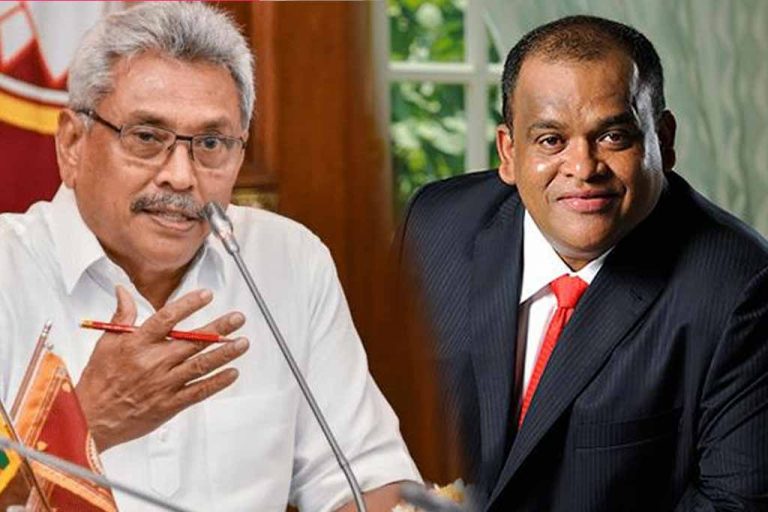
Business Magnate Dhammika Perera who was entered as a National List MP of the Sri Lanka Podujana Peramuna (SLPP) yesterday is set to be sworn in as the Minister of Technology and Investment Promotion today (11).
Accordingly, Perera will be sworn in before President Gotabaya Rajapaksa today.
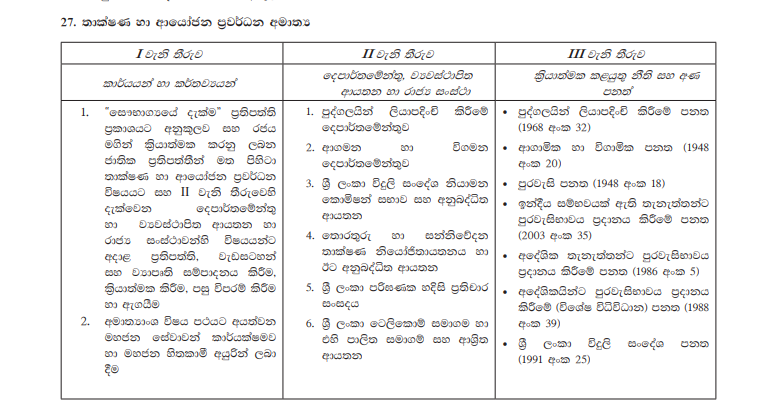
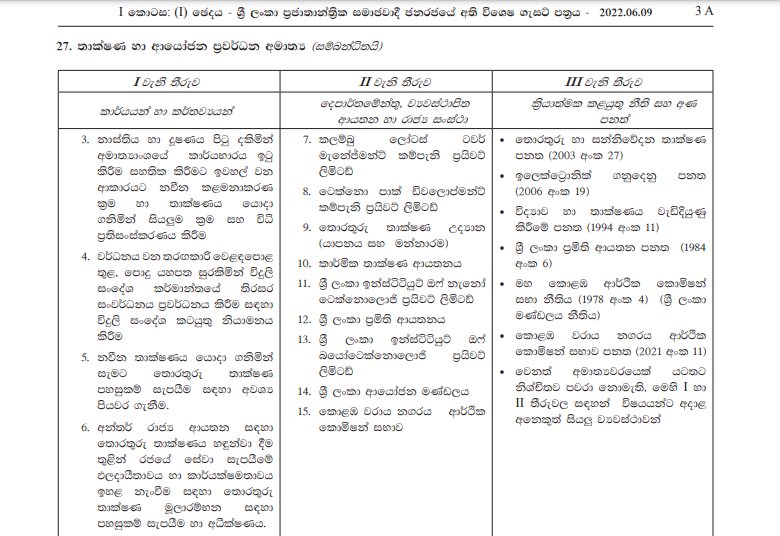
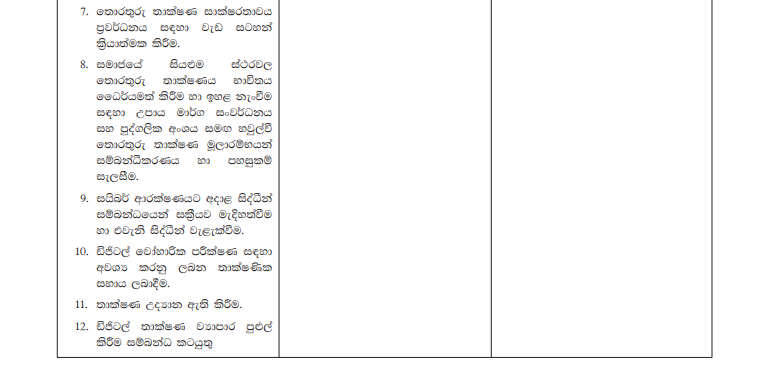
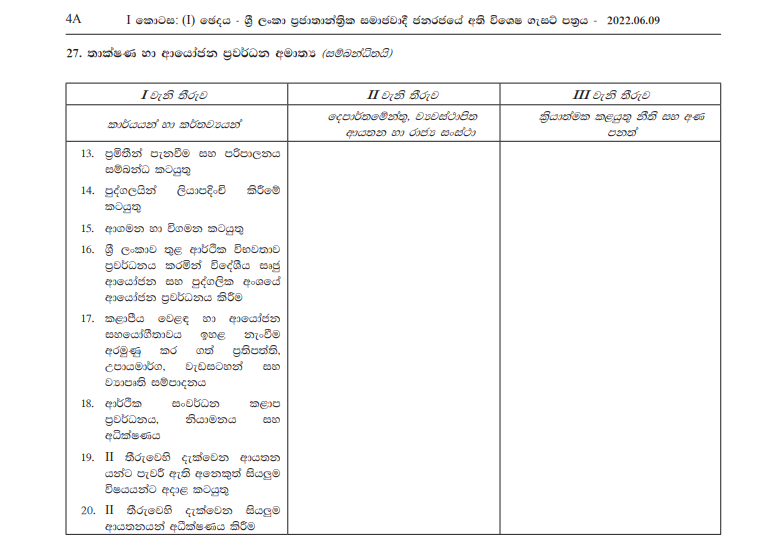
The Ministry of Technology and Investment Promotion has been formulated as a special ministry under which the following responsibilities and state institutes are listed.
MIAP
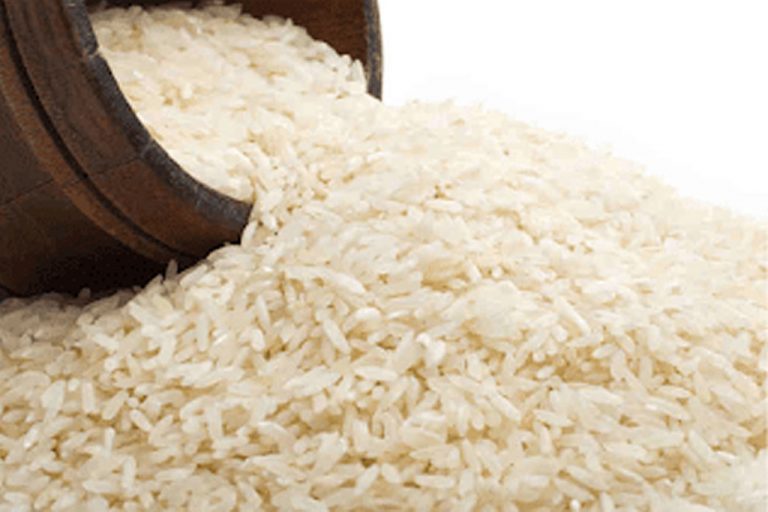
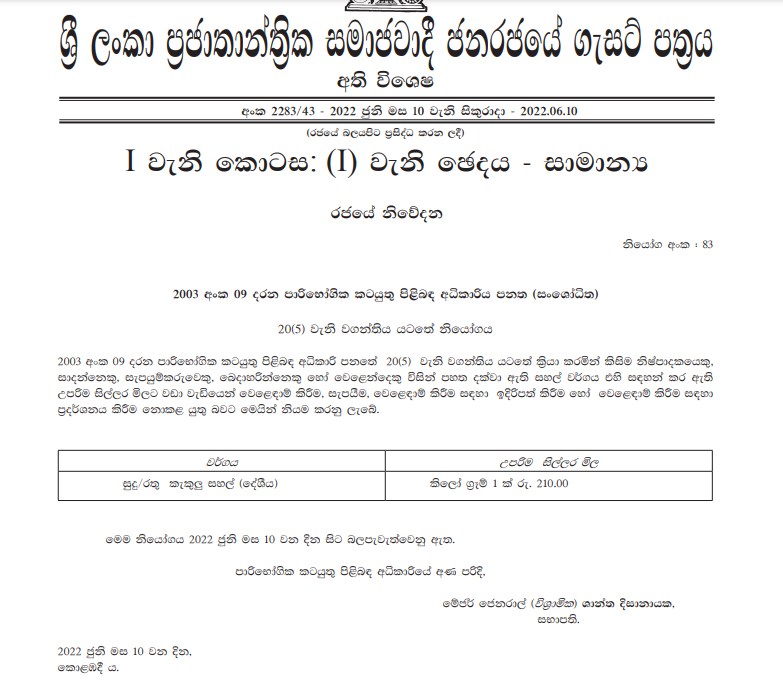
Chairman of the Consumer Affairs Authority (CAA) Maj. Gen. (Retd.) Shantha Dissanayake issued another extraordinary gazette on the prices of rice.
Accordingly, the maximum retail price of a kilogram of Rathu / Sudu Kekulu rice has been declared as Rs. 210.
MIAP
The Central Bank (CB) this week issued fresh direction to banks, completely rescinding all previous instructions hitherto been in effect since December last year, imposing caps on foreign currency deposits and swap transactions..
These caps have become futile in the current environment, amid the domestic interest rates going through a massive correction since April 8.
Earlier in March, the Central Bank issued a fresh order to banks removing maximum interest rates limits imposed on foreign currency deposits of licensed commercial banks and the National Savings Bank, but kept the benchmark interest rate between the US dollar and the LKR until further notice of their revocation.
Under the December 30, 2021 order, the foreign currency deposit rates were capped at the higher of 5 percent or four weeks average of 1-year Treasury bill yield, minus 150 basis points.
Meanwhile, banks were also instructed to execute the US dollar and the LKR swap transactions, subject to a maximum US dollar interest rate of 10 percent per annum.
But this week, in another fresh Monetary Law Act Order, the Governor Dr. Nandalal Weerasinghe rescinded the entirety of the previous order issued on December 30, 2021, which stipulated the above caps on foreign currency deposits and swaps.
This action has been taken as these ceiling rates were rendered meaningless after the bill yields and the LKR deposit rates skyrocketed in the weeks following April 8 jumbo rate hike by the Central Bank.
Mirror Business early this week showed that the finance companies were offering rates for their deposits comparable with the bill yields while banks raised their deposit rates at the highest pace in their entire history.
When the rules of capping foreign currency deposits were brought in, in August last year, the idea was to close any room for interest rate arbitrage.
Sri Lanka began feeling the signs and effects of foreign currency shortage in the domestic foreign currency markets from June last year as people and businesses held their foreign currency in foreign currency accounts without converting them into LKR whilst borrowing LKR when rates were at their lowest.
After raising the key rates on August 19, 2021 for the first time in nearly three years, the Central Bank capped the dollar deposit rates at 5 percent, expecting that dollar income earners would convert their dollars into rupees.
But it never happened and instead they started hoarding more dollars while others increasingly repatriated their earnings through grey market channels which offered them hefty premiums over the Rs.199 offered by banks.
This made a toxic cocktail of developments, which finally exhausted the country’s thin reserves, forcing the then authorities to let go of the rupee, resulting in a complete economic implosion.
The effects of it are still reverberating through every aspect of the society after the currency, interest rates and inflation broke all their previous records.
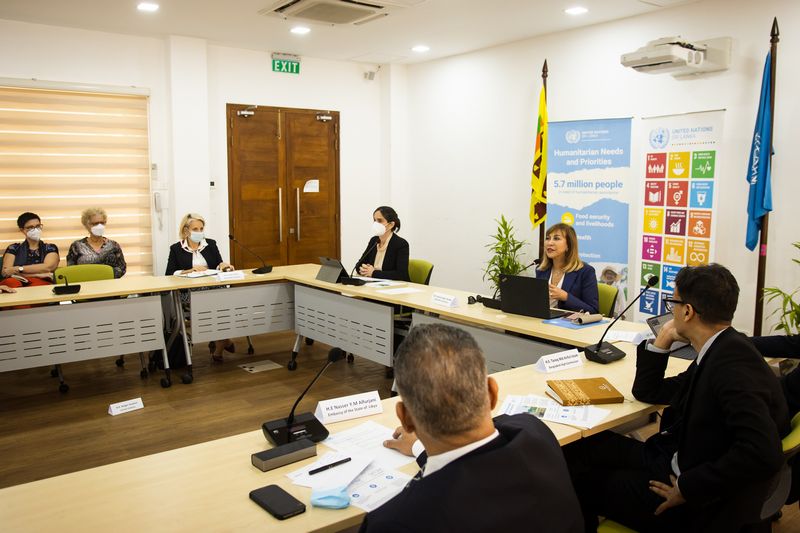
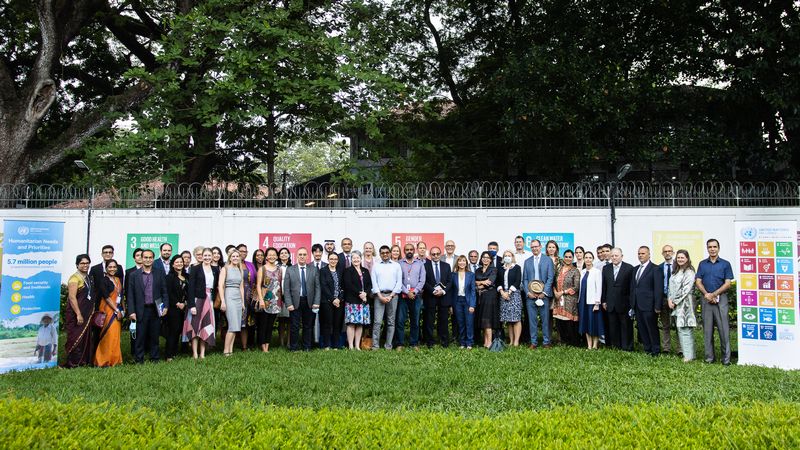
This directly responds to the Government of Sri Lanka’s request for a United Nations-backed multi-sector international assistance to respond to the most urgent needs arising from the recent crisis, particularly focusing on health care and essential medicines, food and agriculture—including targeted nutrition services— safe drinking water, emergency livelihoods and protection.
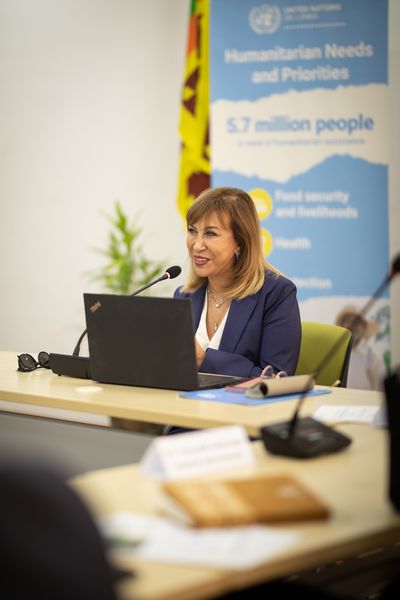
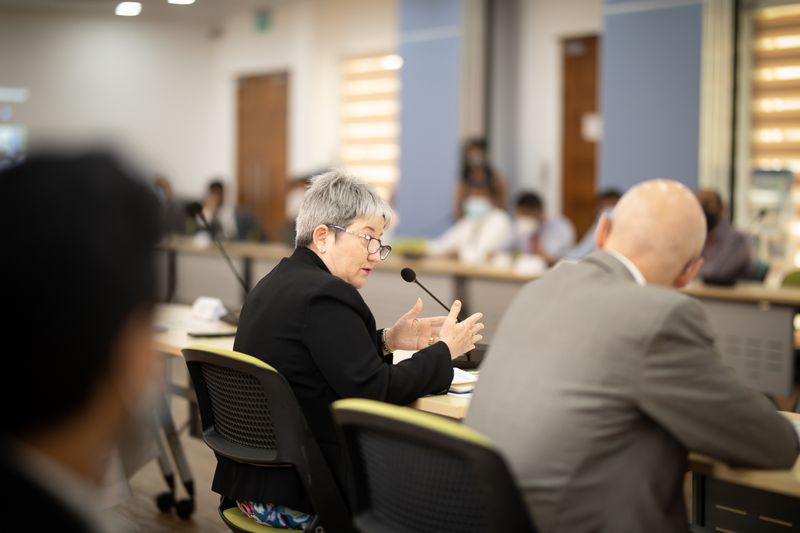
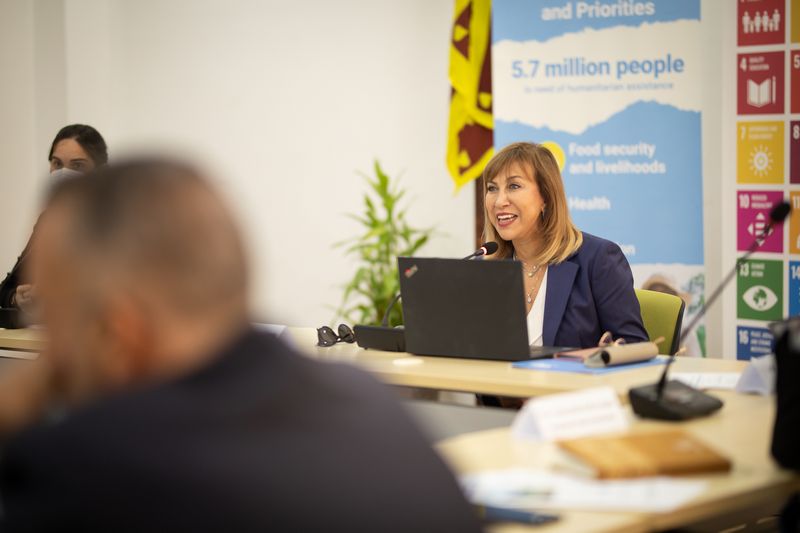
Development and humanitarian partners in Sri Lanka estimate that nearly 5.7 million women, children and men are in need of immediate life-saving assistance. The 1.7 million people targeted under the HNP are among those whose livelihoods, food security and access to health services are most at risk and need immediate support.
“Multiple factors are impacting Sri Lanka’s food security situation; if we don’t act now, many families will be unable to meet their basic food needs,” UN Resident Coordinator in Sri Lanka Hanaa Singer-Hamdy said, stressing the urgent need to prevent a humanitarian crisis later in the year, while bridging efforts towards development and socio-economic interventions.
“Sri Lanka’s once-strong healthcare system is now in jeopardy, livelihoods are suffering and the most vulnerable are facing the greatest impact. Now is the time for the international community to show solidarity with the people of Sri Lanka. The UN and humanitarian partners are calling on donors, the private sector and individuals to urgently support this plan to provide life-saving assistance to the women, men, and children most affected by the crisis and thus prevent a deterioration of humanitarian needs in the country,” she added.
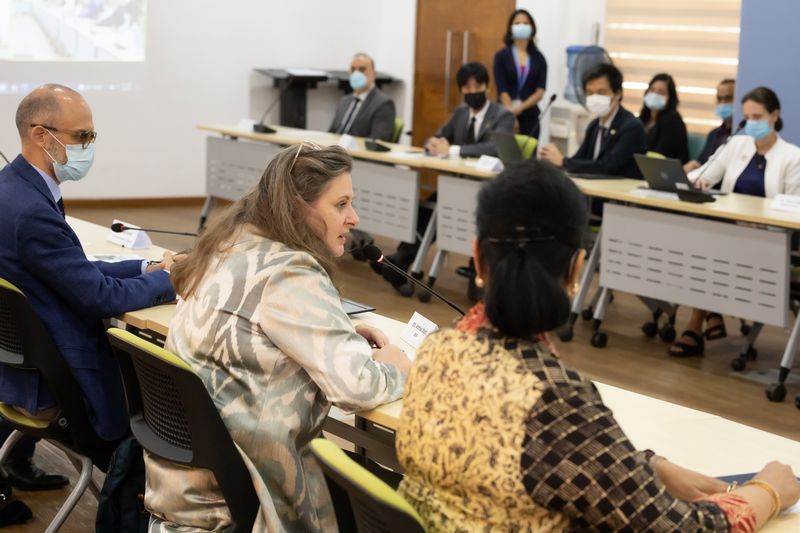
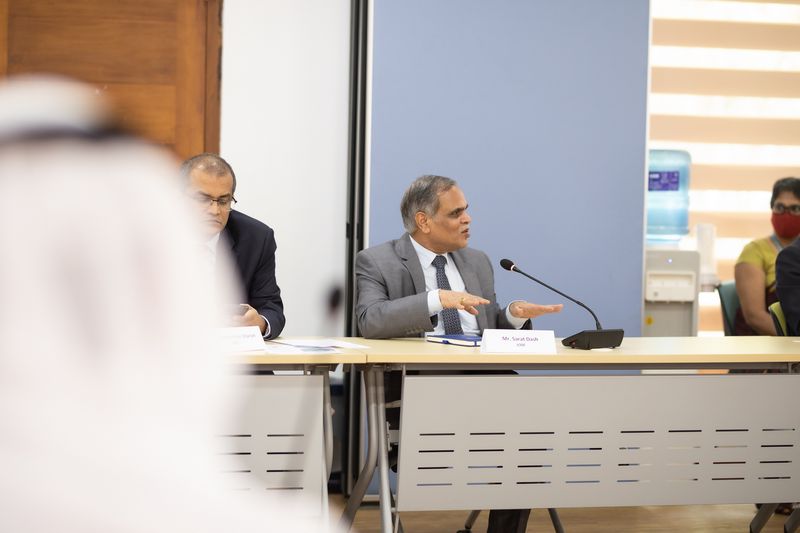
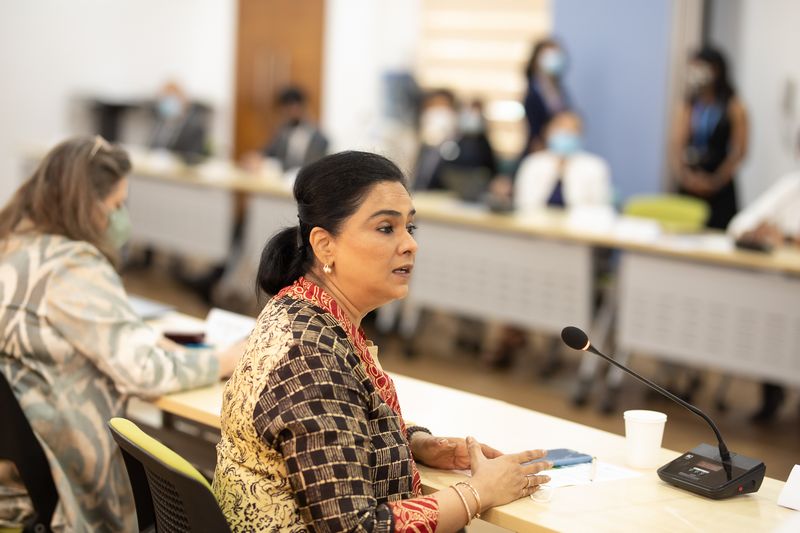
Sri Lanka, formerly an upper-middle income country, is facing its worst economic crisis since independence. In May, food inflation stood at 57.4 per cent, while shortages of key food items, as well as fuel for cooking, transport, and industry, remain widespread, with ongoing daily power outages. The economy is bracing for a sharp contraction due to the unavailability of basic inputs to production, an 80 per cent depreciation of the currency (since March 2022), coupled with a lack of foreign reserves and the country’s failure to meet its international debt obligations.
The economic crisis has particularly impacted food security, agriculture, livelihoods, and access to health services. Food production in the last harvest season was 40 – 50 per cent lower than last year, and the current agricultural season is at risk, with seeds, fertilizers, fuel and credit shortages.
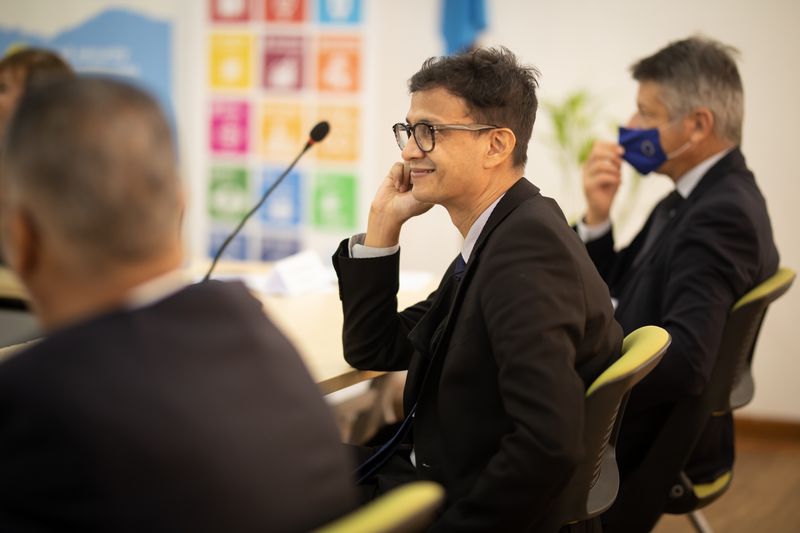
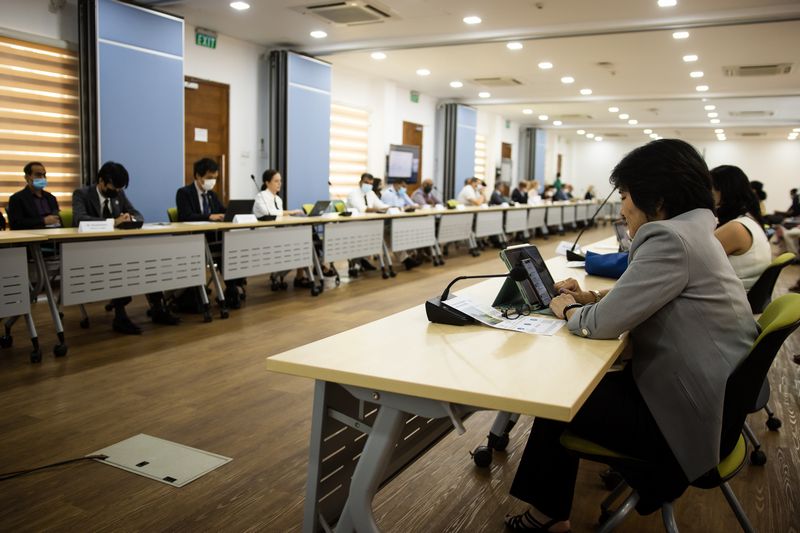
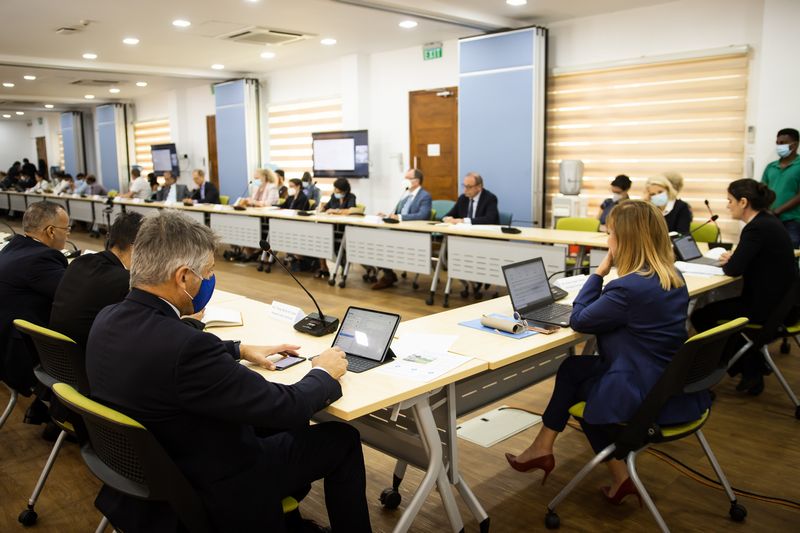
Nearly 5 million people (22 per cent of the population) are currently in need of food assistance. Latest surveys reveal that 86 percent of households are using at least one coping mechanism such as reducing food intake, including skipping meals.
Currently close to 200 essential medicines are now out of stock, with a predicted shortage of another 163 critical over the next two to three months. Additionally, over 2,700 essential surgical and more than 250 regular laboratory items are also out of stock. Due to power cuts and the lack of fuel to operate generators, many hospitals have had no choice but to postpone routine and non-urgent surgeries and procedures.
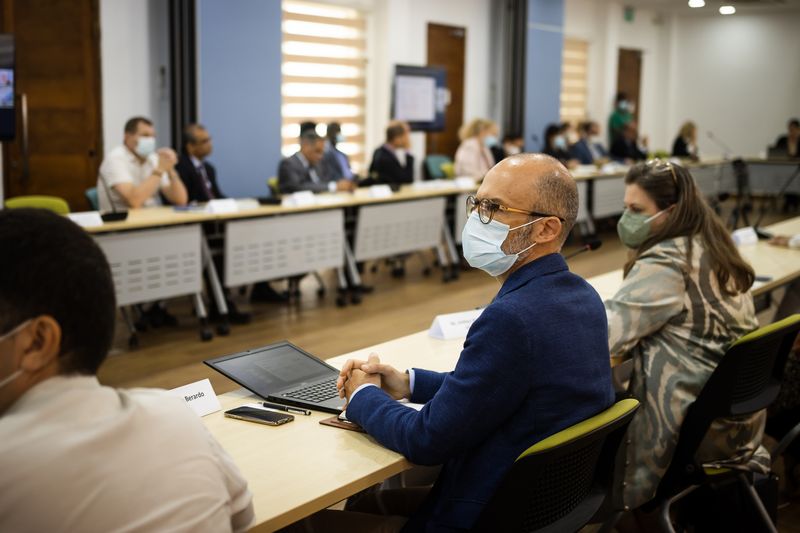
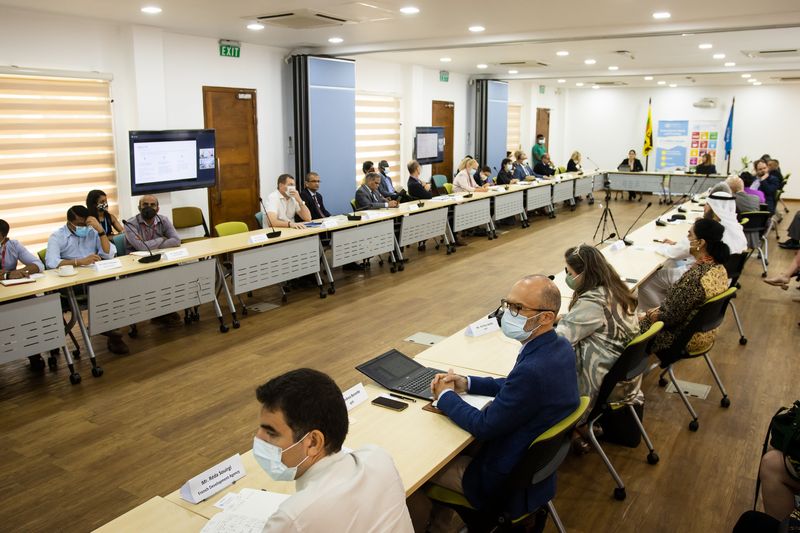
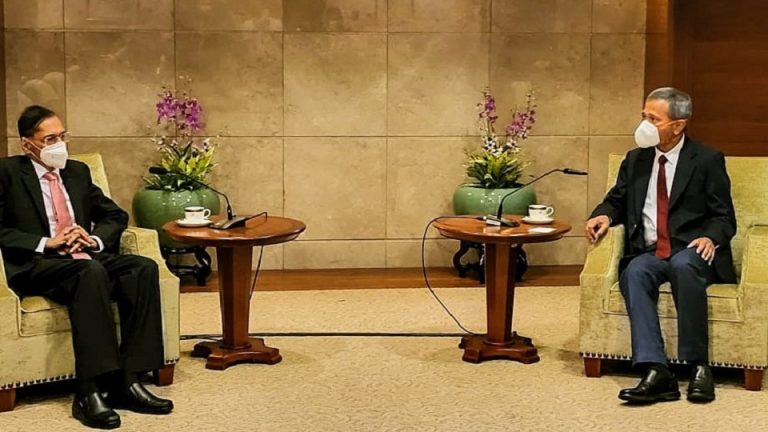
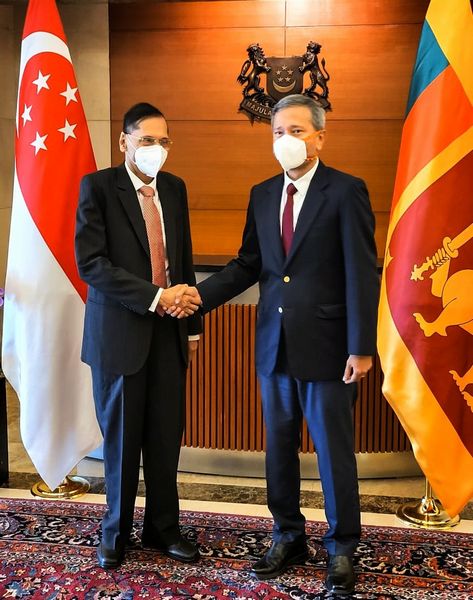
At the invitation of the Minister for Foreign Affairs of Singapore, Dr. Vivian Balakrishnan, Minister Foreign Affairs Prof. G. L. Peiris undertook an official visit to Singapore from 8-9 June, 2022. An official visit of a Foreign Minister of Sri Lanka to Singapore is taking place after four years.
During the visit, a bilateral meeting was held with the Minister for Foreign Affairs of Singapore, following which Minister Peiris was hosted to an official lunch. Minister Peiris also met with Singapore’s Minister of Finance Lawrence Wong, who is due to assume the post of Deputy Prime Minister of Singapore on 13 June, 2022. Minister for Law and Home Affairs K Shanmugam hosted the Sri Lankan Foreign Minister for lunch on 8 June with the participation of the Minister for Trade and Industry of Singapore S. Iswaran with many other dignitaries.
The discussions with the Singapore side centred on the current economic crisis in Sri Lanka. Minister Peiris sought assistance from the Government of Singapore for Sri Lanka to secure bridging financing, increase foreign direct investments and increase opportunities for Sri Lankan exports to Singapore. The Minister also sought the support of the Government of Singapore to obtain more employment opportunities for Sri Lankans in Singapore. At present, the two countries are closely working on deploying healthcare workers, in particular, nurses to Singapore.
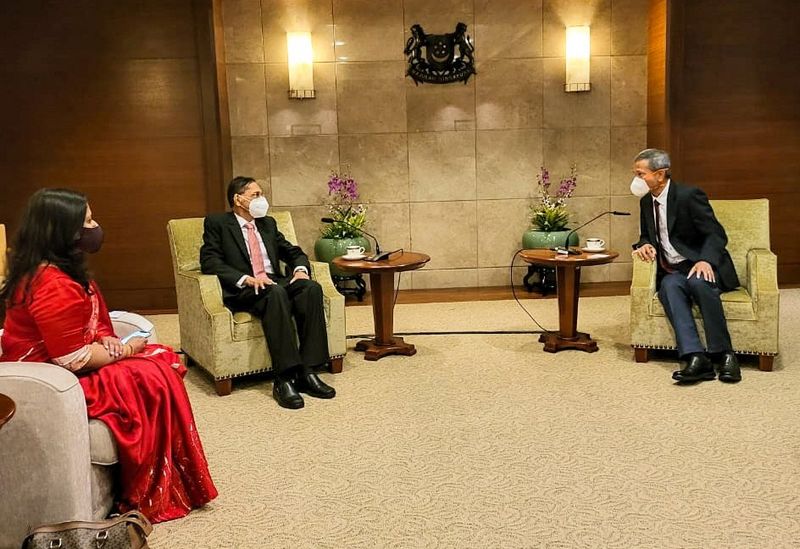
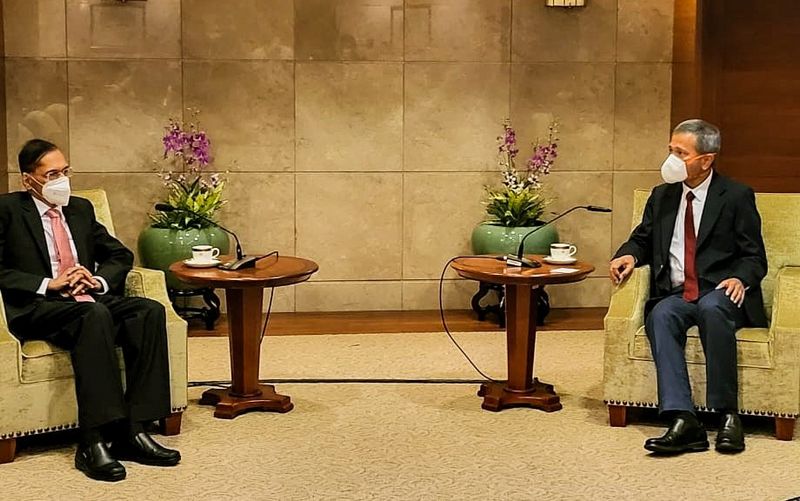
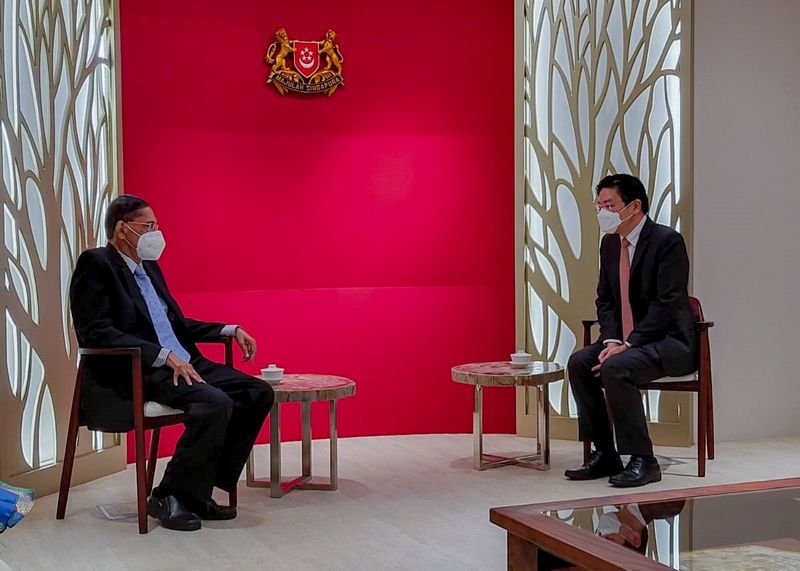
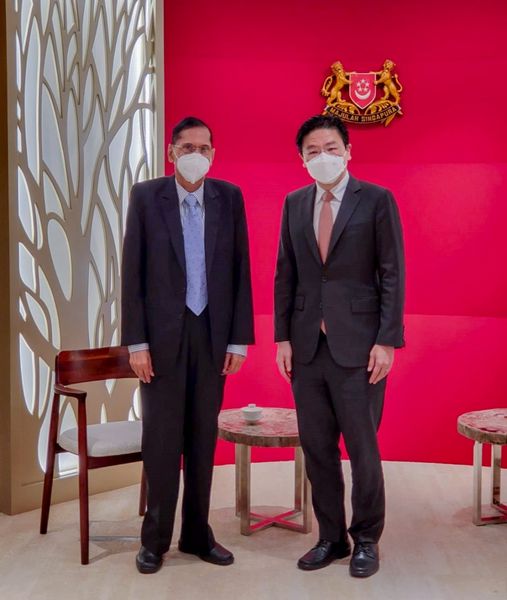
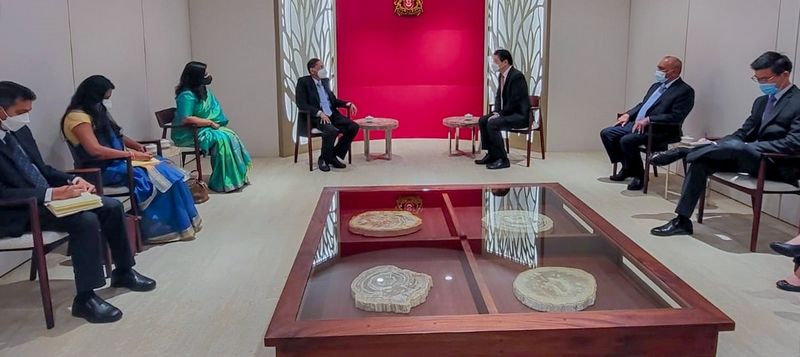
Minister Peiris also met with Senior Minister and Coordinating Minister for Social Policies of Singapore, Tharman Shanmugaratnam and also had interactions with Senior Minister of State for Healthcare and Manpower of Singapore Dr Koh Poh Koon, Non- Resident High Commissioner of Singapore to Sri Lanka Chandra Das, Benedict Cheong, CEO of Temasek Foundation International, Vice Chairman (Asia) of the Temasek Group, and senior representatives of the Ministry for Foreign Affairs of Singapore.
During these interactions, the Foreign Minister thanked the Government of Singapore and Temasek Foundation International for the extensive assistance extended throughout the COVID-19 pandemic to support Sri Lanka’s healthcare response by providing much needed medical supplies and equipment and also collaborating on overcoming supply chain disruptions by producing facemasks in Sri Lanka for distribution by Temasek in Singapore and overseas. The Minister also expressed appreciation for the recent appeal by the Singapore Red Cross for humanitarian assistance for which the Government of Singapore pledged USD 100,000. The first consignment of medical supplies from the Red Cross appeal has already reached Sri Lanka.
The delegation of the Foreign Minister’s official visit included High Commissioner Sashikala Premawardhane, senior officials of the High Commission of Sri Lanka in Singapore, and Private Secretary to the Minister T.N. Gamlath and Chairman of the National Apprentice and Industrial Training Authority (NAITA) of Sri Lanka.
Following the official visit, Foreign Minister Peiris is scheduled to attend the IISS-Shangri-La Dialogue 2022 to be held from 10-11 June, 2022. The Official visit was coordinated by the High Commission of Sri Lanka in Singapore.
Ministry of Foreign Affairs
Colombo
10 June, 2022
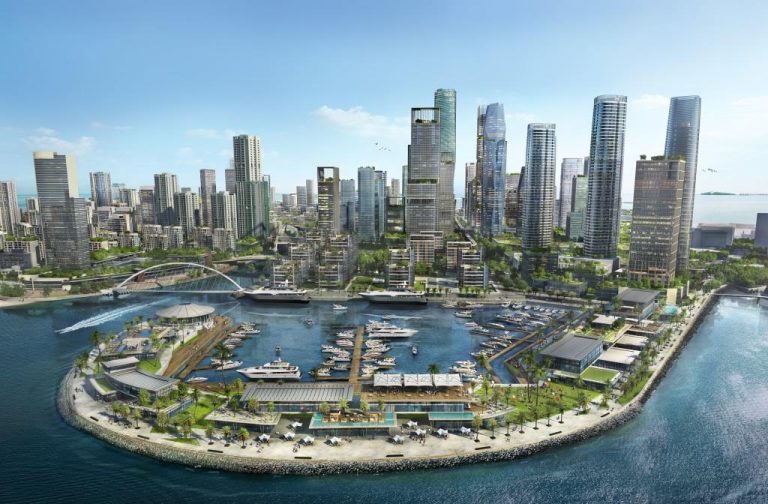
Dr. Wickrama explained the role and respo o. nsibility of other Government stakeholder agencies in implementing the DCR within Port City Colombo
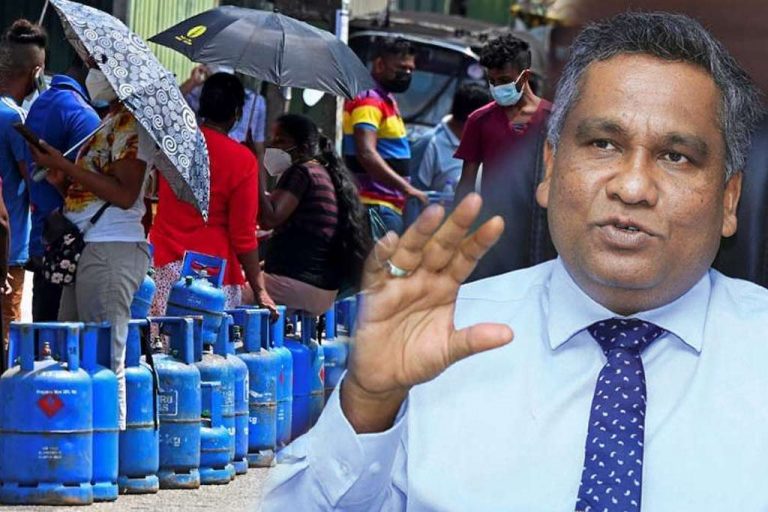
Engineer Vijitha Herath has reportedly resigned from his post as the Chairman of LITRO Gas Company.
Accordingly, Herath has tendered his letter of resignation today (10).
Herath who also serves as the Chairman of Sri Lanka Insurance was appointed as the Chairman of the state-run gas company on April 21, 2022.
MIAP
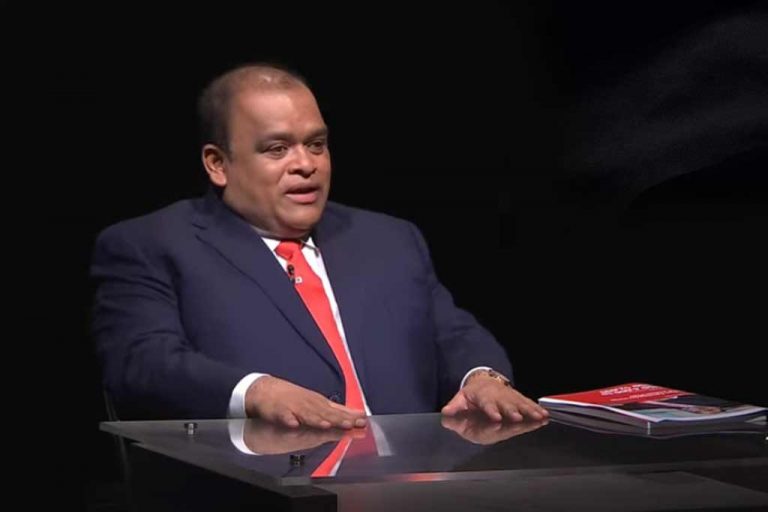
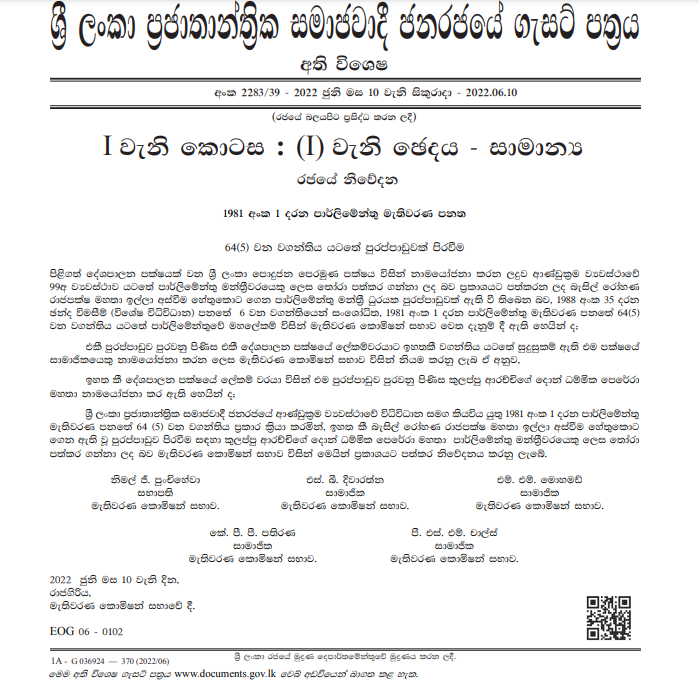
The Election Commission has issued an extraordinary gazette declaring Business Magnate Dhammika Perera as a National List MP of the Sri Lanka Podujana Peramuna (SLPP).
LNW earlier exclusively disclosed that Perera was to be appointed as a MP upon the departure of Basil Rajapaksa.
MIAP