Home Blog Page 232

Apparel Industry Warns of Cost Hike amid Renewed Threat of Hidden Port Charges

0

By: Staff Writer

July 14, Colombo (LNW): Exporters urge Government to uphold transparency in freight tariffs to protect Sri Lanka’s global standing

Amid a backdrop of declining orders, rising production costs, and mounting international competition, Sri Lanka’s apparel industry—one of the nation’s largest foreign exchange earners—is facing yet another potential blow. The re-emergence of unofficial port fees threatens to further strain exporters already grappling with fragile post-pandemic recovery and ongoing global economic challenges.

The Sri Lanka Apparel Exporters’ Association (SLAEA), representing the country’s top industrial export sector, has sounded the alarm over recent moves by certain intermediaries to reintroduce Terminal Handling Charges (THC) that are not sanctioned under the Sri Lanka Ports Authority’s approved tariff structure.

SLAEA Chairperson Rajitha Jayasuriya expressed deep concern, stating that such actions risk undermining years of hard-won regulatory reforms aimed at ensuring fairness and transparency in the nation’s freight and logistics framework. She warned that these hidden charges could inflate logistics costs, damage exporters’ competitiveness, and threaten Sri Lanka’s credibility in international trade.

She recalled that the problem of unregulated shipping charges stretches back decades, with the Fair Trading Commission ruling as far back as 1997 against arbitrary fees imposed by shipping agents. Following persistent advocacy by the private sector, the Government implemented key reforms via Gazette No. 1842 in 2013 and Gazette No. 2041/10 in 2017. These mandated that freight costs be presented as a single, all-inclusive figure—ensuring accountability and protecting local businesses.

However, in 2022, the cancellation of these gazettes created fresh uncertainty. The matter escalated to the Supreme Court, which ruled that any such reversal required proper legislative procedures, including a two-thirds majority in Parliament. In response, President Ranil Wickremesinghe re-established regulatory stability through Gazette No. 2334/26 in May 2023, reinstating bundled freight charges.

Despite fears that tighter regulation might deter shipping traffic, Jayasuriya noted that the Port of Colombo’s global ranking rose from 30th in 2014 to 22nd in 2024, with steady growth in import, export, and transshipment volumes.

The SLAEA is now calling on the Government to protect the integrity of the existing regulatory framework and prevent attempts by a few indirect service providers to destabilize it. Jayasuriya emphasized that the apparel industry remains committed to transparent, ethical practices in line with ICC INCO 2020 terms, and is prepared to work with authorities to maintain a fair and globally competitive trade environment.

Sri Lanka Rises in Global Investor Rankings as FDI Momentum Builds in 2025

0

By: Staff Writer

July 14, Colombo (LNW): Sri Lanka has made remarkable strides in strengthening investor confidence and transparency in 2025, with notable progress in both investor relations practices and foreign direct investment (FDI) inflows. According to the Institute of International Finance (IIF), Sri Lanka is now among the top five countries showing the most significant improvements in investor relations globally.

In its July 9, 2025 Investor Relations and Debt Transparency Report, the IIF ranked Sri Lanka 5th out of 54 emerging and developing economies for score improvements. The country’s investor relations score surged by +9.1 points, reaching 37.33 out of 50, up from 28.21 in 2024 and 25.2 in 2023. This improvement reflects the government’s ongoing efforts to enhance fiscal transparency and communication with global investors.

A key development was the establishment of a dedicated Investor Relations Unit (IRU) within the newly formed Public Debt Management Office (PDMO) under the Ministry of Finance, Planning, and Economic Development. This move marked Sri Lanka’s first official engagement with the IIF and enabled the country to respond more effectively to international investor surveys. The IIF praised Sri Lanka’s initiatives, including improved accessibility of senior policymakers to investors and increased transparency in debt data.

The enhanced investor relations framework is expected to improve perceptions of Sri Lanka’s economic policy direction, restore trust, lower sovereign borrowing costs, and eventually support better credit ratings.

Complementing these institutional reforms is a noticeable uptick in Sri Lanka’s actual FDI performance in 2025. According to the Board of Investment (BOI), Sri Lanka has attracted over USD 750 million in FDI during the first half of 2025, marking a 28% increase compared to the same period last year. The BOI attributes this growth to renewed interest in logistics, renewable energy, IT services, and manufacturing zones.

Additionally, the BOI reports that over 40 new foreign investment projects have been approved so far this year, creating thousands of job opportunities and diversifying the country’s export base. Major investors have hailed the government’s efforts in improving regulatory transparency, fast-tracking approvals, and strengthening investor aftercare services.

These parallel developments in investor outreach and actual foreign capital inflows reflect a turning point in Sri Lanka’s economic recovery. With continued fiscal discipline, policy consistency, and improved global engagement, Sri Lanka is positioning itself as a more attractive destination for global investors in the region.

SLPA Sets Up New Company for Colombo Port’s East Terminal amid Delays and Irregularities

0

By: Staff Writer

July 14, Colombo (LNW): East Container Terminal restructuring aims to boost competitiveness despite construction setbacks and governance concerns

In a strategic move aimed at streamlining operations and enhancing competitiveness, the Sri Lanka Ports Authority (SLPA) has announced the establishment of a new fully state-owned company, Colombo East Container Terminal (Pvt) Ltd, to manage the East Container Terminal (ECT) of the Colombo Port. This decision was formally approved by the Cabinet following a proposal by the Minister of Highways, Ports, and Civil Aviation.

The SLPA stated that the restructuring is designed to improve the efficiency and management of ECT operations, enabling it to compete with private terminal operators such as SAGT (South Asia Gateway Terminals) and CICT (Colombo International Container Terminals). The move follows mounting pressure on the SLPA to modernize its operations, especially amid growing global container traffic and the increasing importance of Sri Lanka as a transshipment hub in the Indian Ocean.

The East Container Terminal, considered one of the most strategically located deep-water terminals in South Asia, has the capacity to accommodate ultra-large container vessels (ULCVs). However, its development has been riddled with controversy, delays, and construction irregularities since its partial handover was reversed in 2021 after public and political backlash against foreign participation—particularly Indian and Japanese investment.

Despite its potential, ECT remains underutilized compared to its private counterparts. While the nearby Jaya Container Terminals (JCT) continue to handle mostly feeder vessels due to depth limitations, ECT’s development was meant to position the SLPA to handle larger mainline ships directly. The recent announcement signals an attempt to revive that ambition by giving ECT a separate management structure under government control.

However, industry analysts and maritime experts have raised concerns over the efficiency of a purely state-run model. “Simply setting up a company is not enough. There must be clear timelines, accountability frameworks, and commercial independence,” a senior logistics consultant told The Sunday Times. There have also been unconfirmed reports of irregularities in procurement processes, contractor selections, and project cost escalations since construction resumed in 2021 under full SLPA control.

According to the SLPA’s most recent data, construction at ECT is behind schedule, with key infrastructure including cranes and automation systems yet to be fully installed. The delay is contributing to congestion risks and missed opportunities, especially as regional ports like Mundra and Dubai aggressively expand their capacity.

The reorganization could provide a lifeline for the ECT project, but unless transparency improves and technical bottlenecks are addressed, it may face the same fate as several other state-run infrastructure projects—burdened by red tape and inefficiency.

Senior officials arrested over alleged irregular vehicle registration

0

July 14, Colombo (LNW): Three government officials have been taken into custody by the Commission to Investigate Allegations of Bribery or Corruption (CIABOC) in connection with a suspected illegal registration of a motor vehicle, raising fresh concerns over malpractice within public administrative systems.

The investigation centres around a vehicle registered under the number GS-9164, which was reportedly entered into the Department of Motor Traffic’s database without proper customs clearance—a legal requirement for any imported vehicle to be officially registered in Sri Lanka.

Amongst those arrested is Suriya Priyangani Sirimanne, a former Assistant Commissioner at the Department of Motor Traffic, who is currently serving in a senior capacity at the Ministry of Lands. She is accused of authorising the questionable transfer of the vehicle’s ownership, bypassing necessary regulatory protocols.

Also arrested was Sanjeewa Kumara, a Development Assistant attached to the Motor Traffic Department’s Narahenpita branch, who allegedly played a direct role in executing the unauthorised ownership transfer. The third suspect, Indika Lakshman Herath, serving as a Supervisory Officer within the same department’s Investigation Division, is said to have issued a formal recommendation supporting the fraudulent transfer.

CIABOC officials believe the unauthorised registration may be part of a broader network of collusion between public officials and external parties aiming to circumvent import and registration laws for financial gain. Investigators are currently scrutinising whether similar cases have occurred, indicating a possible pattern of corruption within vehicle registration processes.

The three suspects are expected to be presented before the Colombo Chief Magistrate’s Court, where the Commission is likely to request continued detention to facilitate further inquiry.

Spike in gun violence tied to organised crime as Police make over 180 arrests in nationwide crackdown

0

July 14, Colombo (LNW): Sri Lanka has witnessed a concerning surge in gun-related violence in the first half of 2025, with authorities confirming 68 shooting incidents reported between January 01 and July 13.

According to the Police Media Division, a significant majority of these incidents are believed to be the result of ongoing turf wars and retaliatory attacks within organised criminal networks.

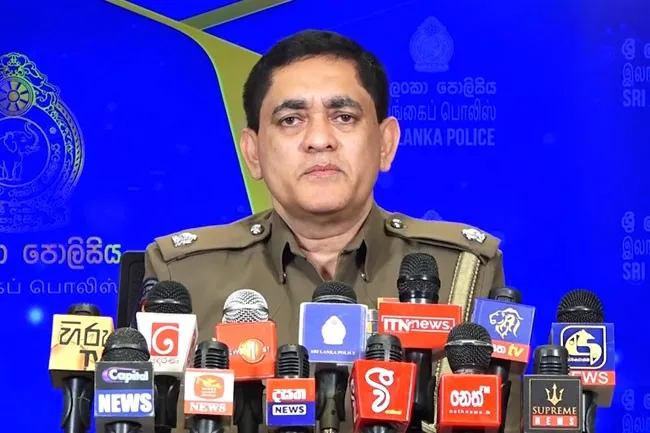
Addressing journalists earlier today (14), Police Spokesperson ASP F.U. Wootler provided an overview of the law enforcement response. He stated that police have arrested 24 alleged gunmen in connection with the shootings, along with 15 individuals suspected of serving as getaway drivers or motorcycle riders during the attacks.

A further 150 individuals have been taken into custody for their suspected roles in aiding and abetting the incidents, whether by providing logistical support, harbouring suspects, or facilitating the transport of weapons.

ASP Wootler noted that of the 68 shootings, 50 have been definitively linked to organised criminal activity, while the remaining 18 appear to stem from personal disputes or localised conflicts. The violence has claimed the lives of 37 individuals, 34 of whom are believed to have had direct ties to criminal gangs or underworld operations. In addition, 39 people have sustained injuries—30 of them reportedly affiliated with organised groups.

These figures have prompted renewed concerns about the pervasiveness of illicit firearms and the expanding influence of underworld factions in both urban and rural areas. The police spokesperson also revealed that an intensive series of operations carried out between January 01 and July 10 has led to the seizure of 1,165 weapons.

These include firearms, bladed weapons, and improvised arms, many of which were discovered in targeted raids informed by intelligence gathering and surveillance.

Authorities have pledged to continue the crackdown on armed crime with enhanced coordination among specialised units, including the Criminal Investigation Department (CID) and the Police Narcotics Bureau, both of which are believed to be monitoring the financial and operational structures of several criminal outfits.

Sri Lanka rallies nationwide to celebrate World Tourism Day 2025 with youth and sustainability at the forefront

0

July 14, Colombo (LNW): In a landmark move that places sustainability, education, and youth empowerment at the heart of national discourse, the University of Colombo is spearheading an ambitious, island-wide celebration of United Nations World Tourism Day 2025.

In partnership with the Ministry of Tourism, the Sri Lanka Tourism Development Authority (SLTDA), and the Alumni Association of Tourism Economics and Hospitality Management (Alumni ATEHM), a series of events is set to unfold across the country in the coming months.

Running under the theme “Tourism and Sustainable Transformation,” this national campaign aims to galvanise awareness, innovation, and meaningful engagement in Sri Lanka’s tourism industry, with a particular focus on cultivating the next generation of hospitality leaders.

Activities will span from August through to early October, culminating in a flagship celebration between September 27 and October 01, centred at the prestigious One Galle Face and the Bandaranaike Memorial International Conference Hall (BMICH) in Colombo.

At the heart of this initiative is a vibrant programme of activities designed to engage a diverse audience—from schoolchildren to seasoned professionals. A national inter-school tourism competition will roll out across all provinces, introducing Junior Tourism Clubs in secondary schools to nurture early exposure to tourism and hospitality.

Students will receive both theoretical grounding and hands-on experience in areas such as culinary arts, destination marketing, and guest services. The national finals, scheduled for 25 and 26 September, will showcase student talents and reward innovation in fields such as food and beverage service and eco-tourism promotion.

Parallel to these school-based events, the Tourism Travel Mart will offer an active networking hub where hoteliers, travel agents, sustainable tourism entrepreneurs, and cultural experts can interact with both consumers and potential business partners. This platform aims to boost domestic tourism initiatives, promote lesser-known destinations, and highlight sustainable tourism practices.

On 26 September, One Galle Face will also host a specialised Tourism Job Fair and Career Guidance Expo, providing workshops, live interviews, and mentorship sessions for aspiring professionals seeking careers in hospitality, travel management, and tourism-related entrepreneurship.

The grand finale of the celebrations will take place on October 01 with the staging of two international events: the International Tourism Research Conference (ITRC) and the International Tourism Leaders’ Summit (ITLS). More than 20 countries will be represented by esteemed academics, policy experts, and industry veterans, who will gather to explore bold new directions in sustainable tourism policy, digital innovation, and post-crisis resilience in the global travel landscape.

The campaign is a result of robust collaboration among stakeholders. While the Ministry of Tourism sets the strategic direction, the SLTDA and Sri Lanka Tourism Promotion Bureau (SLTPB) are leading national coordination and outreach efforts.

Intellectual and logistical support comes from the University of Colombo’s Sustainable Tourism Unit and the Alumni ATEHM, along with state and private universities that offer tourism and hospitality courses. Industry associations such as THASL, SLAITO, SLITHM, CHSGA, and ASME are providing technical guidance, while provincial councils are delivering on-the-ground implementation across the island.

With just a few months to go until the global observance, organisers have called on all sectors—from educators and local authorities to tourism operators and young innovators—to join hands and contribute to a reimagined tourism landscape.

Ex-Minister Rajitha Senaratne seeks anticipatory bail to prevent arrest

0

July 14, Colombo (LNW): Former minister Dr Rajitha Senaratne has petitioned the Colombo Magistrate’s Court for anticipatory bail, aiming to pre-empt a potential arrest in connection with a high-profile investigation being conducted by the Commission to Investigate Allegations of Bribery or Corruption (CIABOC).

The application follows claims made in court that Senaratne has deliberately avoided arrest over his alleged involvement in a controversial sand mining transaction, which reportedly led to a financial loss of Rs. 26.2 million to the state.

According to commission officials, the former minister has been untraceable in recent days—allegedly switching off his mobile devices, vacating his known residence, and disregarding repeated legal summons.

Adding to the controversy, a medical certificate produced on Senaratne’s behalf by his legal counsel was dismissed by authorities as inadmissible, raising further questions about his intent to comply with the legal process.

Officials representing the Bribery Commission had initially moved to obtain an arrest warrant. However, the magistrate presiding over the matter advised that such a request could not proceed without the requisite legal documentation.

The court subsequently reminded the commission that it possesses the statutory authority to detain individuals under investigation and directed it to take appropriate action within the scope of the law.

‘Red’ alert issued for coastal waters as high winds and rough seas loom

0

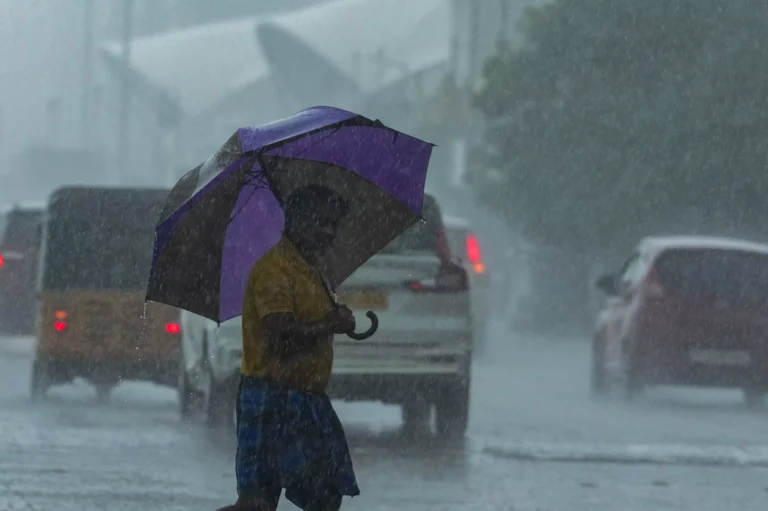
July 14, Colombo (LNW): The Department of Meteorology has issued a high-level weather warning for coastal regions, cautioning of hazardous maritime conditions due to intensifying winds and turbulent seas.

The red alert specifically covers sea areas stretching from Chilaw to Mannar via Puttalam, as well as from Galle to Pottuvil via Hambantota—regions that are expected to experience particularly severe conditions over the next 24 hours.

According to forecasts, wind speeds in these coastal belts could reach up to 50 to 60 miles per hour, creating dangerous conditions for maritime activities. The seas are expected to become rough to very rough, with the added risk of swell waves rising between 2.5 to 3.0 metres in offshore zones spanning from Puttalam to Pottuvil, including the waters off Colombo, Galle and Hambantota.

As a result, the authorities have strongly advised fishing vessels and small craft to avoid setting out from ports located in the affected areas, particularly between Galle and Pottuvil via Matara and Hambantota. Communities that rely on fishing for their livelihoods have been urged to exercise maximum caution and monitor official updates.

In regions from Galle to Puttalam via Colombo, where fishing and naval operations are more frequent, the Meteorological Department has called for heightened vigilance. Mariners operating in these zones are advised to stay informed through regular weather bulletins and cooperate with local safety guidelines to prevent potential accidents at sea.

Officials warn that sudden changes in weather patterns remain a possibility and have urged both coastal residents and those planning to travel by sea to remain alert.

Sri Lanka Government Plans New Export Strategy to Counter US Tariff Blow

0

By: Staff Writer

July 14, Colombo (LNW): In a bid to cushion the impact of the United States’ recently announced 30% tariff hike, the Sri Lankan government is set to roll out a new National Export Strategy (NES) aimed at restructuring and diversifying the country’s narrow export base, official sources revealed.

The US tariff hike—expected to significantly affect Sri Lanka’s already vulnerable export economy—comes at a time when the country’s trade portfolio remains largely undiversified and heavily reliant on a few sectors and markets. Analysts say the lack of export diversification has plagued Sri Lanka’s trade sector for decades, with little change in export composition since the mid-1990s.

In contrast, countries like Vietnam and Thailand have successfully integrated into global production networks and significantly diversified their exports. Recognizing this gap, Sri Lanka’s 2025 budget speech proposed the formulation of a National Export Development Plan for 2025–2029.

While details of the plan remain under wraps, policymakers are drawing lessons from past efforts to ensure the new strategy is both actionable and politically sustainable.

A key focus will be on ensuring bipartisan support to avoid disruptions due to political changes—a factor that undermined the previous NES (2018–2022), which, despite being developed with the support of the International Trade Centre, faced delays and poor implementation due to shifting political priorities and bureaucratic inertia.

Finance Ministry officials stressed that the upcoming strategy will not require starting from scratch. “Many components of the previous NES are still valid and can be reactivated,” a senior official said. “Our goal now is to ensure that implementation is evidence-based, continuous, and delinked from political cycles.”

The upcoming export strategy will also emphasize broad stakeholder participation, involving industry players, provincial representatives, and international experts. This inclusive approach is expected to ensure that the strategy aligns with both global market realities and local business needs.

The government is also set to launch multiparty discussions on the long-term implications of the US tariff hike, in an effort to formulate a unified national response that transcends immediate political agendas.

Among the sector-specific strategies under consideration is a renewed push for the IT and Business Process Management (IT-BPM) sector, which had been part of the 2018–2022 NES. This approach includes creating a business-friendly environment and fostering public-private partnerships to support high-potential firms through targeted financing and market access programs.

The new plan will also place a strong emphasis on innovation and support for small and emerging exporters through mechanisms like the Export Market Access Support Program. These targeted initiatives are expected to boost Sri Lanka’s global competitiveness and build resilience against external shocks like the US tariff increase.

As Sri Lanka navigates this critical economic juncture, the success of the new export strategy could prove pivotal in shaping the country’s long-term trade and economic trajectory.

Major timetable changes and teacher training ahead as education reforms take shape

0

July 14, Colombo (LNW): Sweeping changes are on the horizon for Sri Lanka’s school system, with the Ministry of Education confirming a reduction in the number of daily classroom periods from eight to seven, effective from January 01 next year.

As part of the restructuring, each period will be extended to 50 minutes, prompting a comprehensive overhaul of existing school timetables across the country.

Education Ministry Secretary Nalaka Kaluwewa outlined the reforms during a high-level briefing with education officials held at the North Central Provincial Council last week. The session marked the first in a series of awareness programmes intended to prepare school administrators and educators at provincial, zonal, and divisional levels for the ambitious overhaul of the national curriculum.

Kaluwewa stressed that the reduction in periods is not a cutback in content but a recalibration designed to promote more meaningful learning experiences within each session. The move, he said, aims to ease the pressure of fragmented timetables and improve the overall quality of instruction.

In preparation for the full-scale launch of curriculum reforms in 2026, special attention is being directed toward grades 1 and 6, which will serve as the starting points for implementation. To that end, an extensive training initiative is being rolled out to equip over 100,000 teachers with updated pedagogical tools and methodologies suitable for the reformed system.

This training is being led collaboratively by the Ministry of Education, the National Institute of Education, and the Provincial Councils.