Home Blog Page 2459

Sri Lanka narrows trade deficit achieving new high in exports

0

Sri Lanka has narrowed the trade deficit to US $ 553 million in November 2021, compared to the deficit of $ 600 million recorded in November 2020 exerting a significant impact on the currency and the economy, Central Bank announced. 

The country’s total exports are actually manufactured, but almost half of those are garments. While garments are a good example of value addition, there is still substantial area for growth in this segment, several economic experts said.  

However the country’s import restriction and dollar crisis affected  many of the inputs that are imported from abroad – including both components such as zippers and the fabric itself – when much of it could potentially be manufactured in-country. 

Opportunities also exist in Sri Lanka for more advanced processing of materials and manufactured goods, and some are being encouraged by Sri Lankan officials, they said. 

However, local Sri Lankan commentators have cautioned that market interventions, such as price controls, are no substitute for structural reforms. Whether the solution to be recommended is value addition or some other option, the risk is that the efforts will be both costly and ineffective.

Structural reforms can help make the country more competitive while addressing the issue of the trade deficit without risking the unintended consequences of more interventionist measures. 

While this may take more effort, the results could be greater and more sustainable in the long run.

The cumulative deficit in the trade account during January to November 2021 widened to $7,051 million from $ 5,446 million in the corresponding period of 2020. 

 Earnings from exports in November 2021 grew by 54.6 per cent over November 2020 to reach $ 1,211 million, and surpassed the previous highest value recorded in October 2021 ($1,200 million). 

Meanwhile, import expenditure also increased at a higher rate in November 2021. Reflecting the favourable impact of increased exports, the merchandise trade deficit narrowed to $ 553 million in November 2021 compared to $ 600 million in November 2020.

 Meanwhile, decreases in import expenditure were observed in dairy products (mainly milk powder), vegetables (mainly masoor dhal and big onions), oils and fats (mainly coconut oil) and seafood (mainly dried fish). 

Intermediate goods: Expenditure on the importation of intermediate goods increased by 24.3 per cent (y-o-y) in November 2021, driven mainly by fuel, textiles and textile articles, rubber and articles, and plastics and articles thereof, Central Bank disclosed.  
Iran’s Foreign Minister to visit Sri Lanka  strengthening bilateral ties  

0

The Islamic Republic of Iran is ready to prepare the groundwork for providing Sri Lanka with technical-engineering services in all fields, especially energy.

Iran-Sri Lanka ties have always been friendly and close and today, with regard to the lift of sanctions, there are very good opportunities for developing relations between the two countries that can be taken advantage of to benefit the existing ties, foreign ministry sources said. 

The banking relations between the two countries are to be further developed to establish a solid base for cementing economic and commercial ties.

In this current backdrop Iran’s Foreign Minister Hossein Amir-Abdollahian is to visit Sri Lanka next week for crucial talks, a senior foreign ministry official said.

According to reports, he is scheduled to arrive in Sri Lanka on Tuesday following a visit to India on Sunday.

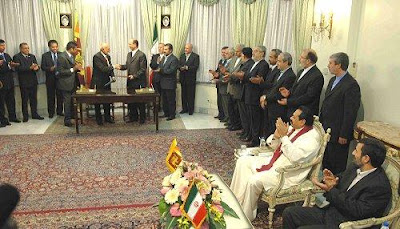
The Iranian Foreign Minister’s visit to Colombo comes a month after Iran agreed to accept tea from Sri Lanka to settle outstanding payments for oil purchased from Iran.

The Ministry of Plantation of Sri Lanka and the Ministry of Industries, Mines and Trade of the Islamic Republic of Iran agreed last month to formulate a scheme for the settlement of dues to be settled following US sanctions on that country

A sum of US$ 250.92 million outstanding from the Ceylon Petroleum Corporation to the National Iranian Oil Company by means of utilizing the said sum to facilitate the export of Ceylon Tea to Iran by signing a memorandum of understanding (MoU).

The MoU is a form of mutual commitment in complimenting each other`s duties and function in the Formulation of a Scheme for the Settlement of Sri Lanka’s Oil Outstanding to the Islamic Republic of Iran through the Exportation of Ceylon Tea.

Iran is among the top 10 importing countries of Ceylon Tea for the past several decades. 

Ceylon Tea which had a market share of around 47% in 2016 dropped to around 25% in 2020 due to the economic sanctions resulting in banking restrictions, payment problems and depreciation of Iranian Riyal. 

From a peak of 38.42Mn Kgs in 2013, tea exports from Sri Lanka to Iran dropped to 14.73Mn Kgs in 2020.

Due to US sanctions imposed on Iran in November 2012 and with the absence of an accepted payment mechanism through the banking system, Sri Lanka tea exporters found it difficult to receive the export proceeds from Iranian buyers

Sri Lanka was bracing for the fallout from the tensions in the Middle East after the US and Iran launched what some termed a shadow war. 

9 million kilograms of Ceylon Tea worth $ 129 million in 2018.Sri Lanka and Iran were also in talks over a tea for fuel repayment barter deal.

Once finalised, the deal was to see Sri Lankan export tea repay liabilities valued at approximately $ 240 million for oil imports from Iran..

Just recently, Iran had called for improved bilateral relations with Sri Lanka, including defence ties.

CBSL Chief explains how SL plans to repay US$6.9 bn debt due this year

0

Governor of the Central Bank of Sri Lanka (CBSL) Ajith Nivard Cabraal demonstrated how Sri Lanka is planning to repay the US$6.9 billion in foreign debt due this year, joining live with Squawk Asia (CNBC) this (26) afternoon.

Out of the US$6.9 billion of debt, most debts are Sri Lanka-based debts, which have already been negotiated for rollover, as well as certain multilateral debts, which are also being funded with new receipts that are coming in, Cabraal said. Accordingly, these areas may not be much of a risk in debt repayment, he added.

Commenting on the risk areas of settling debt, the CBSL Governor added that the only area in which certain concerns are raised were the International Sovereign Bonds (ISBs), out of which US$1.5 billion has to be paid this year. Nevertheless, as Sri Lanka has already paid US$500 million, only US$01 billion is due to be paid, he revealed.

Overall, a further debt of US$12.5 billion in ISBs is to be paid over the next seven years, Cabraal went on, adding that in that context, the country has already made arrangements to settle the next debt, which at present is being funded via what he described as ‘alternative’ sources.

The strategy of channeling alternative sources for financing is because it is difficult to reach out the market at this stage, the CBSL Chief added, revealing that by doing so, Sri Lanka has slashed its ISB exposure by seventeen per cent over the last two and a half years and by twenty three per cent during last July.

MIAP

A country cannot be developed by confining ourselves to geographic limits (VIDEO)

0

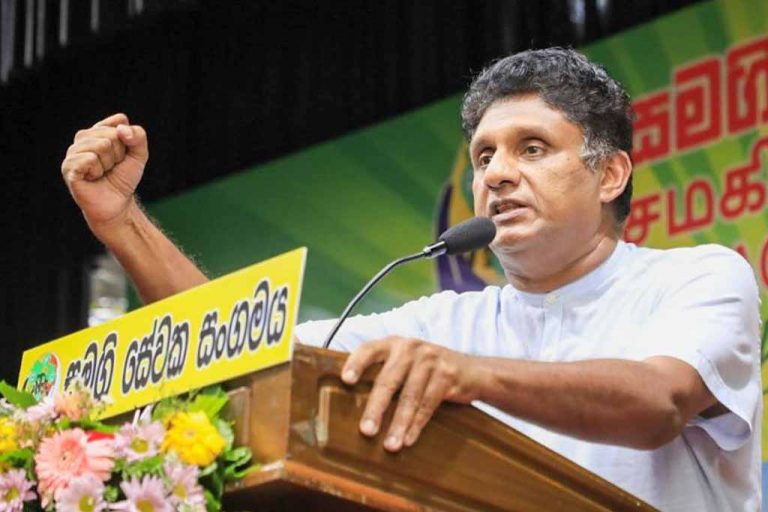
A country cannot be developed by dividing it on the basis of geography for the benefit of development should be flown evenly among every division, emphasised Leader of the Opposition Sajith Premadasa, speaking to the first anniversary celebration event of the ‘Samagi Sevaka Sangamaya’ held in the New Town Hall of Colombo yesterday (25).

Addressing the event, the Opposition Leader pointed out that it is in this context were old ideologies like (Kolambata Kiri Gamata Kekiri) formulated, as the development process had aimed only a selected geographical location.

Suggesting that certain parties criticise him for catering to welfare and that distribution leads to their displeasure, Premadasa stressed that none of them are vocal about how politicians and rich men are distributing their luxuries among each other.

The Opposition Leader promised that he will never abandon the mission of looking into the lives of the people and those who are exploiting them.

Reminding that there are many people who are victims of political vengeance and subject to strenuous living standards for many years, Premadasa added that he will relieve these victims upon his coming to power. These groups include anyone subjugated to political victimisation since 1994, he added.

MIAP

President visits Abhayarama Temple (PHOTOS)

0

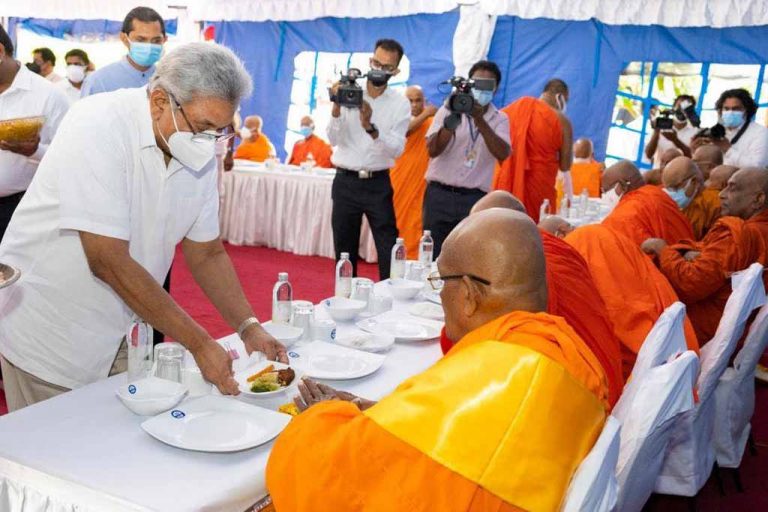
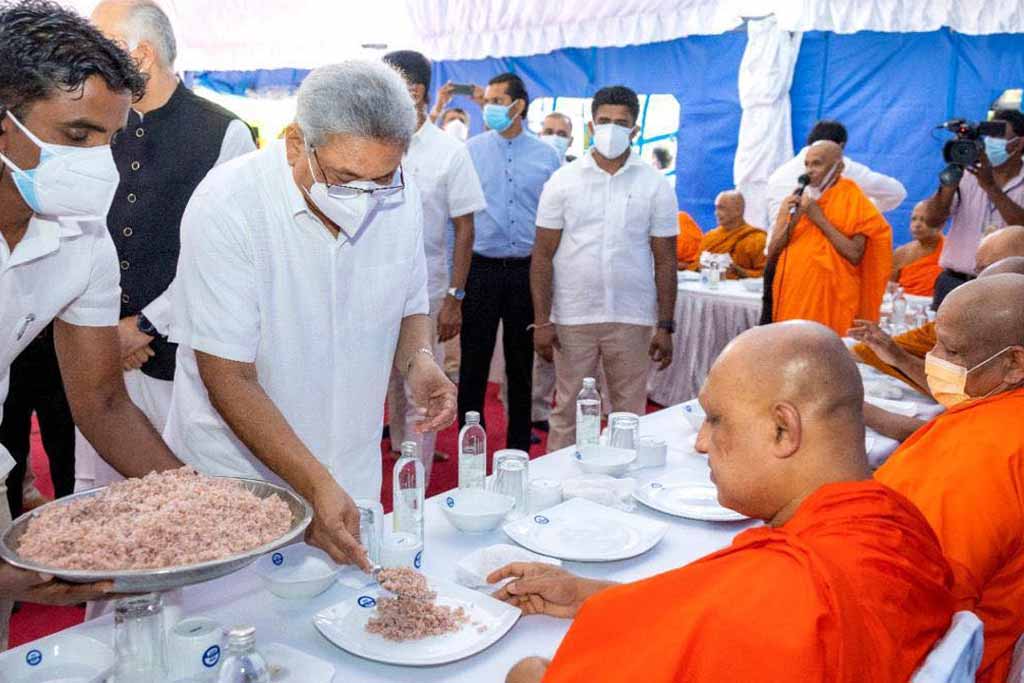
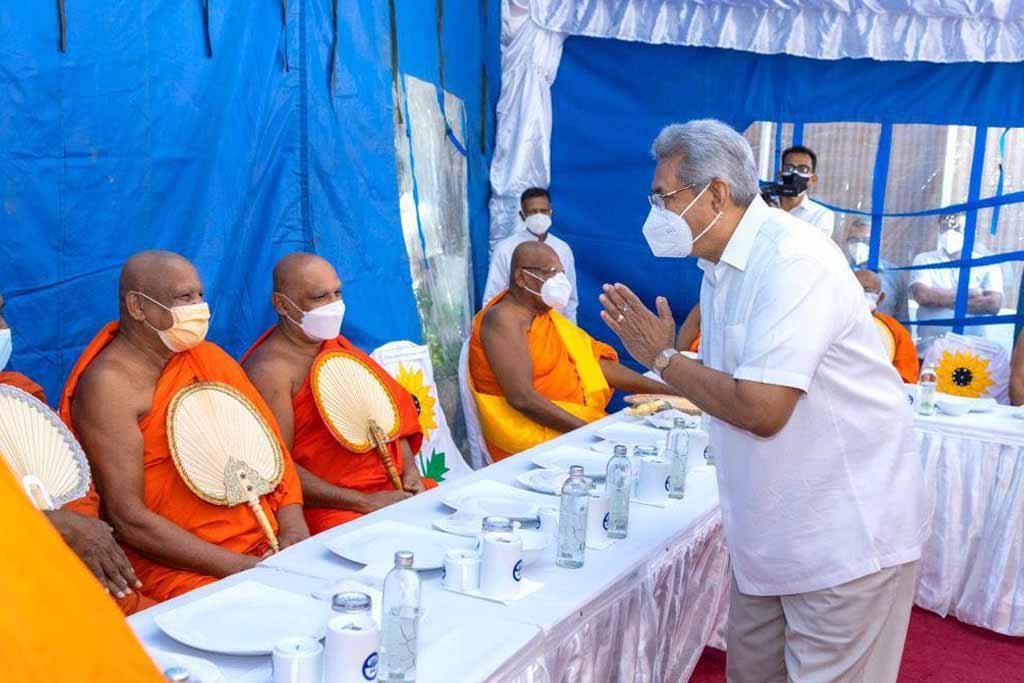
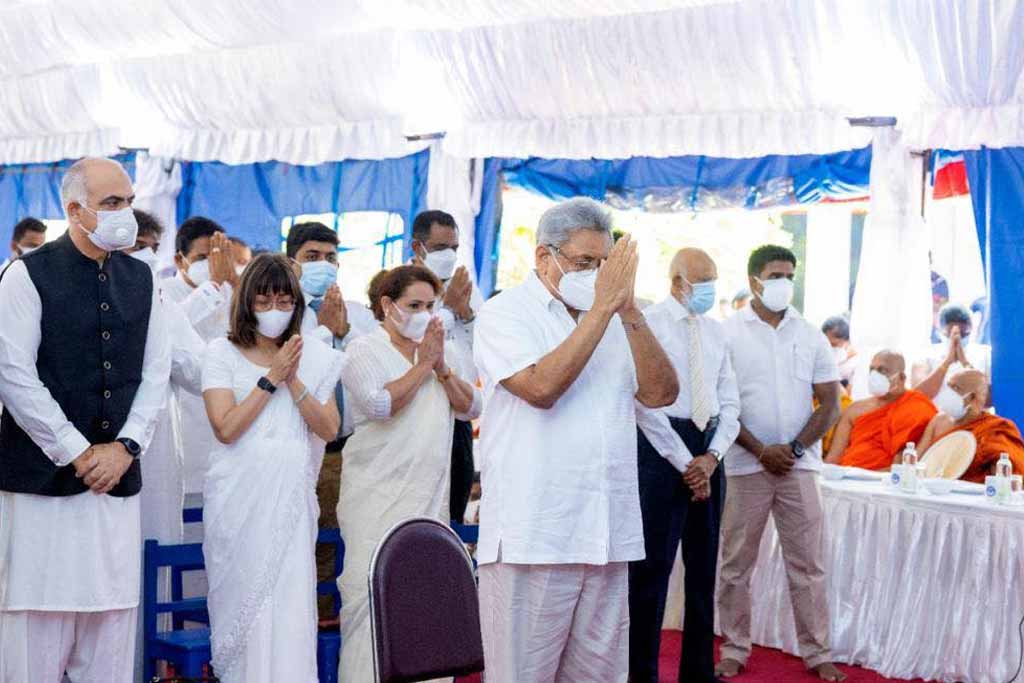
President Gotabaya Rajapaksa paid a visit to the Abhayarama Temple in Narahenpita and met Muruththettuwe Ananda Thero, the Chancellor of the University of Colombo this (26) afternoon.

The President also extended his wishes to the Thero on his birthday and attended an alms giving function.

Come to work by bicycle to reduce air pollution – A proposal from Amaraweera

0

Mahinda Amaraweera, Minister of Environment is preparing to take steps to promote the use of foot-bicycles to reduce air pollution and many other factors.

Accordingly, a Cabinet paper has already been prepared to take steps to promote the use of foot-bicycles, the Minister said.

Amaraweera says that steps will be taken to provide an eco-friendly approach to the promotion of bicycle use due to its ability to reduce air pollution, prevent wastage of time as well as the ability to control many non-communicable diseases.

It has also been decided to set aside a lane on each road for cyclists and to introduce a regulatory program to provide certain promotional benefits to cyclists in institutions affiliated with the Ministry of Environment.

The Minister says that a survey has revealed that the government has to spend Rs. 103.56 per kilometer for one vehicle driven during traffic jams.

Winter Olympics 2022: China eases Covid testing rules amid rise in cases

0

Organisers of the Beijing Winter Olympics have eased a Covid-19 testing requirement for participants, amid a growing number of cases in the capital. 

The new change makes it easier for participants arriving at the Games to be considered virus-free. 

Of more than 3,000 Olympic arrivals, 106 have tested positive for the virus since 4 January. 

Outside of the tournament’s closed-off premises, Beijing locals are facing harsher restrictions and new lockdowns.

Around two million residents in Beijing’s Fengtai district have been told to undergo testing, as a handful of locally transmitted cases were found earlier this week. 

Locals who bought over-the-counter treatments for fever or cough symptoms have also been told to do a test within three days of the purchase. 

Chinese officials are aiming to stamp out small outbreaks of the virus before the Games begin on 4 February, as Beijing continues its zero-Covid strategy.

But Games officials say they expect more cases to emerge, with Dr Brian McCloskey, the chair of the Beijing 2022 Olympics medical expert panel, telling a media briefing on Sunday that organisers’ aims were “zero spread” not “zero cases”.

He said the challenge lay in organisers detecting and isolating positive people quickly.

But in perhaps a concession to the the reality of the virus’ spread, Games officials on Tuesday introduced a slight relaxation in testing rules.

Participants will now have to meet a cycle threshold (CT) standard of 35, instead of 40, to count as being positive with the virus.

The higher the CT value, the less infectious a person is. China had initially opted for the higher measure of viral load, despite the 30-35 value being widely accepted elsewhere.

In a further relaxation, close contacts will also have their isolation time halved from 14 to seven days.

BBC

Resuming operations at Sapugaskanda Oil Refinery delayed

0

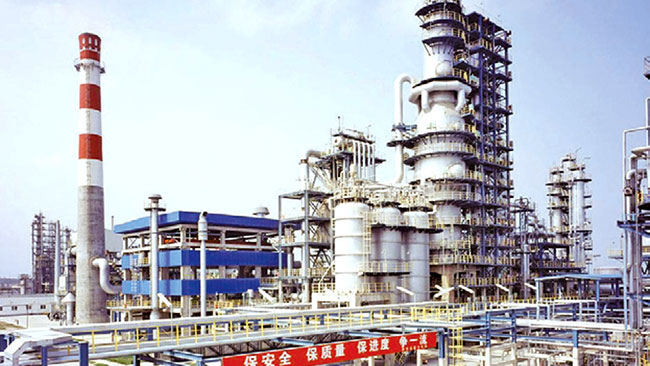
The resumption of operations at the Sapugaskanda Oil Refinery will be postponed until January 30, the Energy Ministry said.

Although it has been decided to commence operations of this refinery from tomorrow (27), it will be further delayed until the 30th, the Ministry stated.

It is said that the reason for this delay is the delay in the arrival of the ship with crude oil to the island.

The ship belonging to the Singaporean company which has a long term contract to supply crude oil to Sri Lanka was scheduled to arrive in Sri Lanka on the 24th but it is stated that the ship is scheduled to reach the Port of Colombo today (26).

Although it was not possible to issue letters of credit for the importation of crude oil due to the dollar issue, the Ministry states that those requirements have been met by now.

The chairman of the CEB resigns

0

CEB Chairman M.C.C. Ferdinando has submitted his resignation letter to the President.

Ferdinando has informed President Gotabhaya Rajapaksa in writing that he will resign from his post with effect from 01.02.2022 due to personal reasons.

Indonesian Ambassador pledge cooperation to strengthen the Palm oil smallholders

0

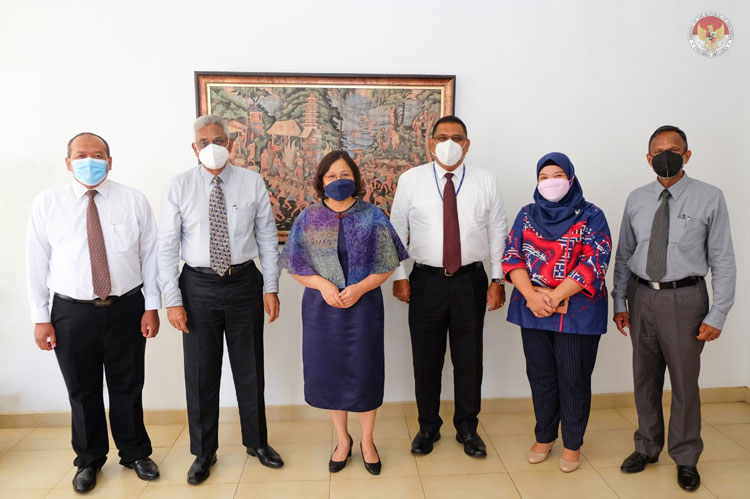
A special meeting was held on the 11th of January 2022 between the Palm Oil Association of Sri Lanka (POIASL) and Her Excellency, Dewi Gustina Tobing, Indonesia’s recently-appointed Ambassador to Sri Lanka. The present role of, and challenges faced by, the oil palm industry in Sri Lanka were discussed at the meeting, with the intention of obtaining support, expertise and assistance from Indonesia, the world’s biggest producer of palm oil.

The POIASL delegation was well received by the Ambassador at her offices and the President of the Association, Dr Rohan Fernando, who is also the Managing Director of Elpitiya Plantations PLC, led the discussions. The outcome of the meeting was positive and the Ambassador agreed to engineer cooperation between the two nations to strengthen smallholder involvement in cultivating oil palms.

The potential for economic emancipation and rural development through oil palm cultivation by smallholders was also highlighted at the meeting. It was pointed out that smallholders account for more than 40% of oil palm plantations in Indonesia, and that this trend has seen huge socio-economic development within that country’s rural sector. Replicating this in Sri Lanka could increase prosperity for rural communities, while also reducing Sri Lanka’s foreign exchange spending on edible oil imports.

Sustainable palm oil was also a key topic of discussion, particularly the Indonesian Sustainable Palm Oil (ISPO) programme. Sri Lanka too is keen to develop its palm oil industry in a sustainable way and significant progress has already been made in this field and implementation is successfully underway. In fact, Sri Lanka’s palm oil industry has already achieved 11 of the UN Sustainable Development Goals. Furthermore, Sustainable palm oil has been shown to be linked to many indicators with regard to positive socio-economic development.

Thus, Indonesia is ideally suited to act as a guide for Sri Lanka as Indonesia’s economy has received significant boosts as a result of smallholder involvement, particularly in rural areas. The POIASL is keen to create such economic opportunities in Sri Lanka as well, leveraging Indonesia’s expertise in the field.