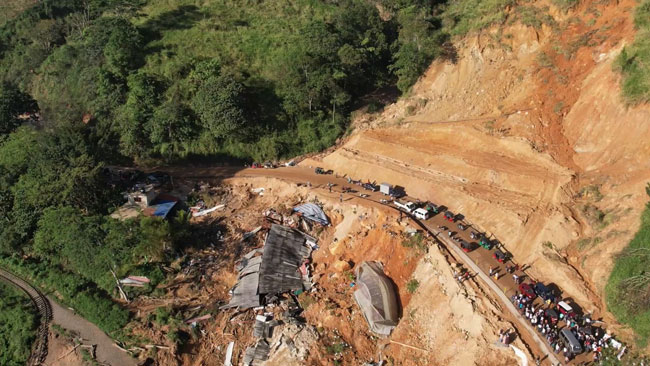
December 15, Colombo (LNW): The main Nawalapitiya-Kandy roadway, closed for 18 days due to damage caused by Cyclone Ditwah, has been reopened to traffic today (15).
Authorities cleared large earth deposits caused by a landslide and carried out temporary reconstruction to make the route safe for vehicles while plans for a permanent solution are finalised. Officials have warned that the area above the road remains susceptible to further landslides.
The Road Development Authority (RDA) has urged drivers to exercise caution and adhere to speed restrictions, particularly as certain limitations on heavy vehicle movement are still in effect.
The repair operation involved close coordination between the RDA, the 6th Corps of Engineers Regiment, local police from Nawalapitiya and Ethgala, the Pasbage Korale Pradeshiya Sabha, and other local stakeholders.
Speaking to reporters, MP Thushari Jayasinghe confirmed that most of the damaged roads in the Pasbage Korale area have now been restored. She also noted that work on the Ulapane-Kandy road is ongoing, with an expected reopening within the next week.
Nawalapitiya-Kandy Road Reopens After Cyclone Ditwah Damage
Major Indian Study Finds No Link Between COVID-19 Vaccines and Sudden Deaths in Young Adults
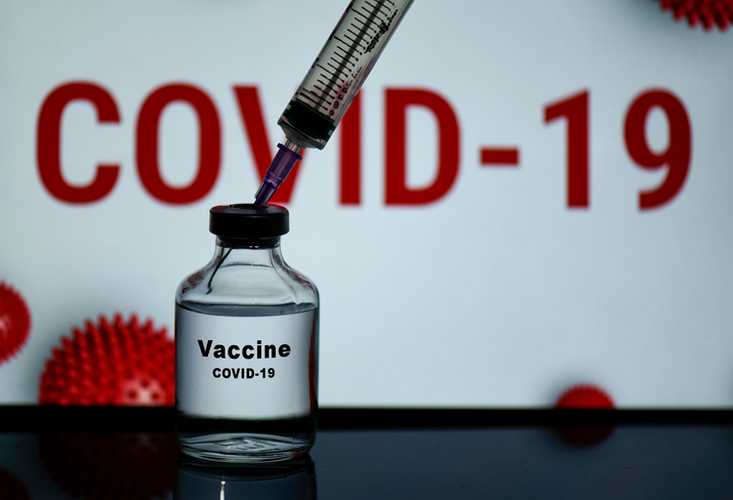
December 15, Colombo (LNW): A comprehensive year-long study carried out by the All India Institute of Medical Sciences (AIIMS) in New Delhi has found no scientific evidence connecting COVID-19 vaccination to sudden deaths among young adults, reinforcing confidence in the safety of the vaccines.
The research, published in the Indian Journal of Medical Research, examined cases involving individuals aged 18 to 45 who died unexpectedly. Investigators employed multiple methods, including verbal autopsies, advanced imaging, full post-mortem examinations and detailed tissue analysis, to determine the causes of death with a high degree of accuracy.
The findings showed no statistically meaningful relationship between vaccination status and sudden mortality in this age group. Instead, the majority of deaths were attributed to recognised medical conditions, with heart-related diseases identified as the most common cause. Respiratory illnesses and other non-cardiac factors were also present in a number of cases.
Researchers further noted that prior COVID-19 infection and vaccination patterns were broadly similar across age groups, providing no indication of a causal link between immunisation and unexpected deaths. The conclusions align with international scientific evidence supporting the safety and effectiveness of COVID-19 vaccines.
Professor Sudheer Arava of AIIMS said the study is especially relevant amid the spread of unverified claims suggesting a connection between vaccines and sudden fatalities. He emphasised that the data clearly refute such assertions and highlighted the importance of relying on rigorous scientific research rather than speculation.
Medical experts added that sudden deaths in younger people, while deeply distressing, are often linked to undiagnosed or underlying health conditions, particularly those affecting the heart. They stressed the value of routine health checks, healthier lifestyles and early medical care in reducing such risks.
Professor Arava also urged the public to seek information from credible scientific sources and to remain cautious of misinformation that could undermine trust in proven public health interventions, including vaccination programmes.
Ditwah Damage: Railway Repairs to Cost About $400 Mn
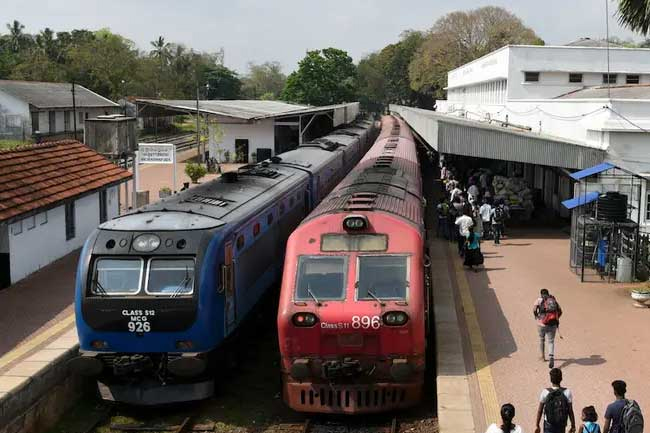
December 15, Colombo (LNW): The reconstruction of railway infrastructure damaged by the recent disaster is expected to require an investment of around US$ 400 million, according to Commissioner General of Essential Services Prabhat Chandrakeerthy.
He said the extent of destruction to rail tracks and related facilities means that full restoration will be a lengthy process, with work needing to be carried out in stages across multiple affected areas.
Providing an update on the health sector, Chandrakeerthy noted that close to 90 per cent of the 236 medical institutions impacted by the disaster have already resumed operations. Temporary arrangements have been made for facilities such as Spring Valley and Kandegedara hospitals, which have been relocated to alternate premises.
He added that Mahiyanganaya and Chilaw hospitals, both of which suffered extensive damage, have now returned to normal service delivery. However, the disaster caused serious losses to medical equipment, including high-value items such as CT scanners, which were badly damaged and will take time and significant resources to replace.
Authorities say recovery efforts remain ongoing, with priority being given to restoring essential transport and health services while longer-term reconstruction plans are finalised.
Police Alert Public to Rise in Phone Scams Impersonating Officials

December 15, Colombo (LNW): Sri Lanka Police have issued a renewed warning to the public over a growing number of fraudulent telephone calls made by organised groups posing as law enforcement officers and bank staff.
According to police, the callers often claim to represent institutions such as the Sri Lanka Police, the Criminal Investigation Department, the Financial Crimes Investigation Division or commercial banks. Their aim, authorities say, is to frighten and pressure victims into complying with false demands.
These callers typically allege that the recipient is linked to serious offences, including financial crimes or money laundering, and threaten imminent arrest or legal action. To make their claims sound convincing, they may refer to partial personal information, such as a name, identity card number or supposed recent transactions.
Police said victims are frequently instructed not to discuss the matter with anyone, including family members, on the excuse that the case is confidential. In more elaborate attempts, scammers may initiate video calls, using staged backgrounds, fake uniforms or mock office settings to reinforce the deception.
The scam usually culminates in a demand for money, either through bank transfers or cash deposits, supposedly for verification, clearance procedures or temporary holding in a “government” account. In some instances, victims are also pressured into revealing sensitive information such as bank account details, PINs, one-time passwords or copies of identity documents.
Police stressed that no legitimate officer or government agency will ever request money or personal banking information over the telephone. They also clarified that official investigations, arrests or court actions are never communicated by phone, but only through formal written notices or legal channels.
Members of the public who receive such calls are advised to hang up immediately and avoid sharing any information. Police recommend verifying any claims independently by contacting the nearest police station or using official contact details published by the Sri Lanka Police, rather than numbers provided by callers.
Those who encounter or fall victim to such scams are urged to lodge a complaint without delay, providing as much information as possible, including phone numbers, messages or recordings, to assist ongoing investigations.
Authorities also reminded the public to be cautious when sharing personal details, noting that basic information can easily be harvested through online forms, registrations or promotional campaigns. Police reiterated that persistent threats and urgent demands for money are clear signs of a scam and called on the public to remain alert.
New Online Portal Empowers Public to Flag Road Issues Nationwide
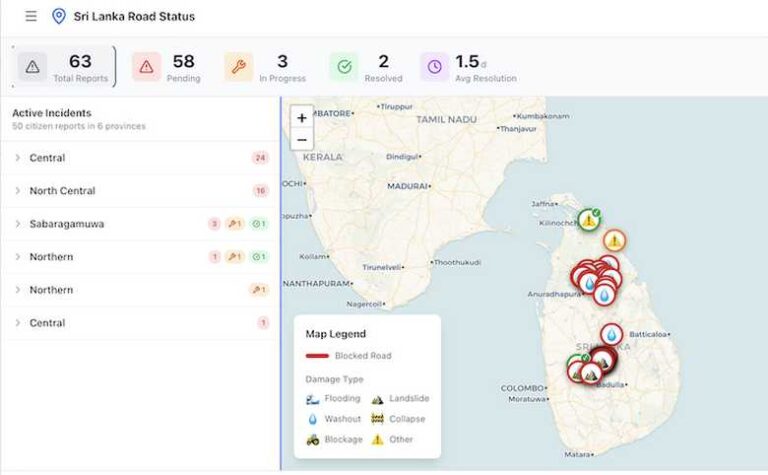
December 15, Colombo (LNW): The Ministry of Transport, in collaboration with the Road Development Authority and the Ministry’s Digital Task Force, has introduced a new online platform designed to help the public report road-related problems across the country.
Transport Minister Bimal Rathnayake said the website, road-lk.org, was created to fill a long-standing gap in real-time information on road closures, damage, accidents and ongoing repairs. He noted that while navigation apps are widely used, they rarely provide structured or verified updates on road conditions, a challenge faced not only in Sri Lanka but elsewhere as well.
The initiative gained urgency following extensive road damage caused by recent disasters, though the Minister stressed that the system is intended to function as a long-term public service even under normal circumstances.
The platform relies heavily on citizen participation. Road users can submit reports through the site’s reporting portal in Sinhala, Tamil or English, and are encouraged to attach photographs to support their submissions. Once received, reports will be reviewed by RDA officials before being reflected on a national road map. Provincial road development authorities have also been authorised to update information directly.
Rathnayake emphasised that public input will be the backbone of the system, particularly given the country’s large population and extensive road network. He said there are plans to later allow traffic police officers and divisional secretaries to log issues directly, and to gradually expand coverage to include rural roads once the platform is fully established for national and provincial routes.
Currently operating as a pilot project for several weeks, the portal is expected to be formalised thereafter. The Minister urged motorists and commuters to make active use of the system, describing public engagement as essential to keeping the information accurate and up to date.
NMRA Orders Immediate Recall of Ondansetron Batches Over Safety Concerns

December 15, Colombo (LNW): The National Medicines Regulatory Authority (NMRA) has ordered the immediate suspension of four batches of Ondansetron injections, a widely used drug prescribed to control nausea and vomiting in children, expectant mothers and patients undergoing surgical procedures.
In a directive issued on December 12, 2025, the NMRA said the decision was taken following reports of adverse reactions associated with the medicine.
The manufacturer has been instructed to submit a detailed explanation within a period of 28 days, while the affected batches are removed from circulation.
Commenting on the development, Dr Chamal Sanjeewa, Chairman of the Doctors’ Trade Union Alliance for Medical and Civil Rights, reiterated longstanding concerns about medicines approved under the Indian Pharmacopoeia.
He noted that several such products imported in recent years had later been withdrawn due to quality failures, and criticised the Health Ministry for permitting their use in public hospitals without further independent testing. He warned that substandard drugs pose both health risks to patients and financial losses to the state.
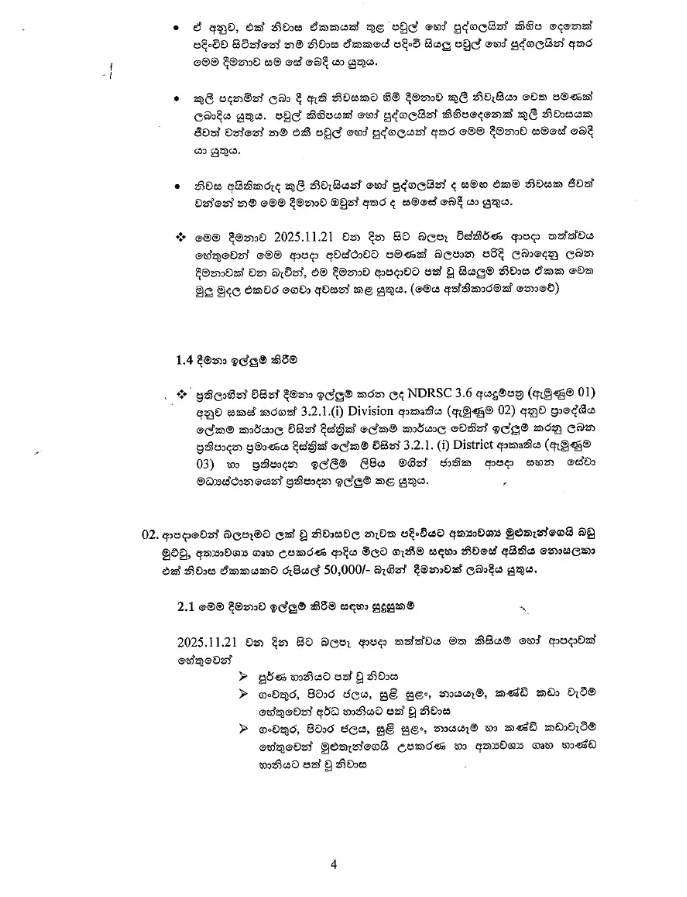
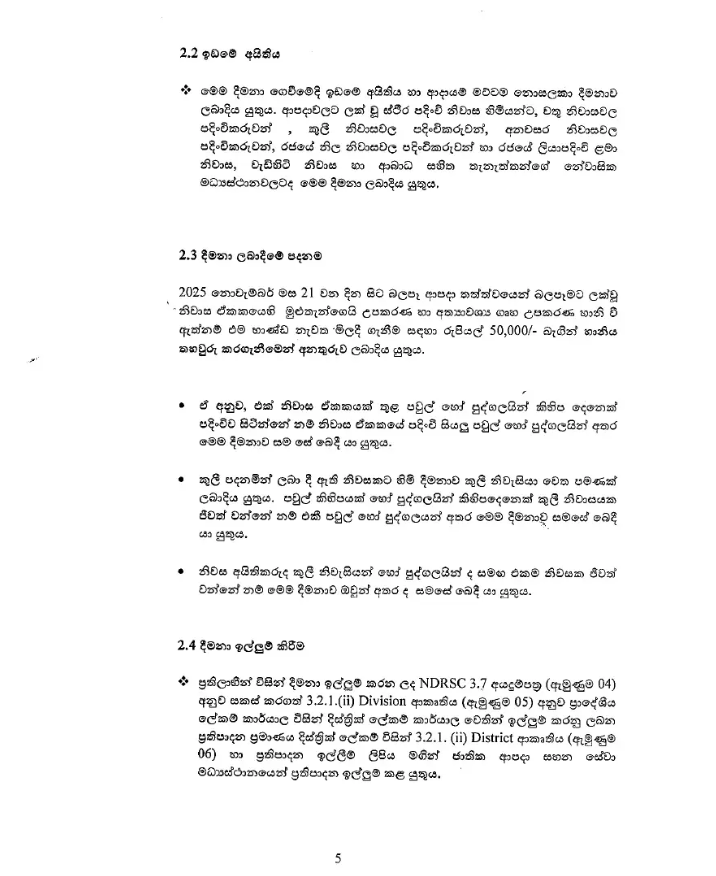
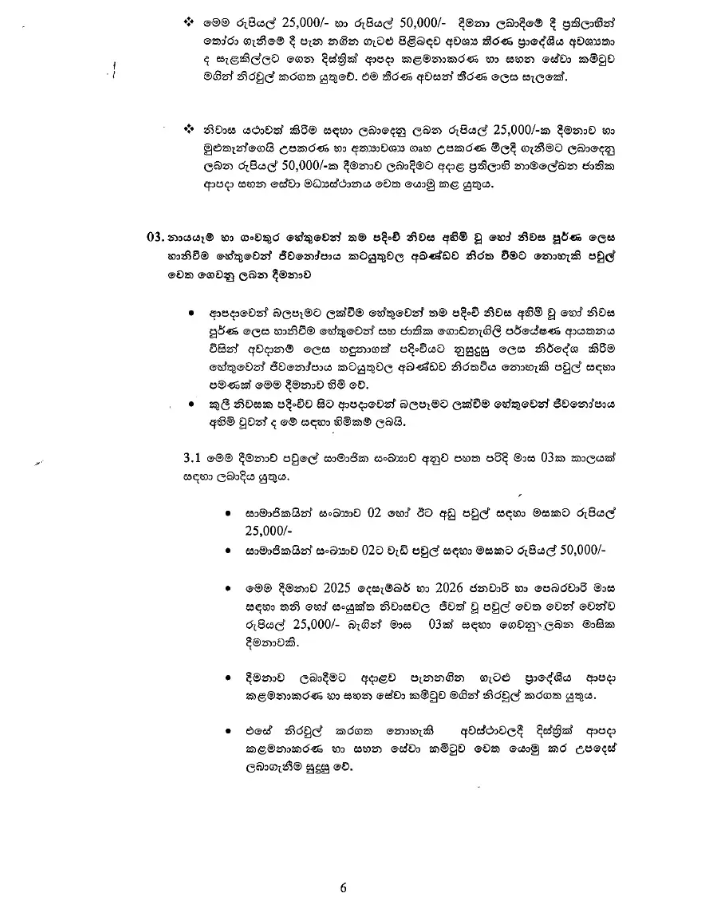
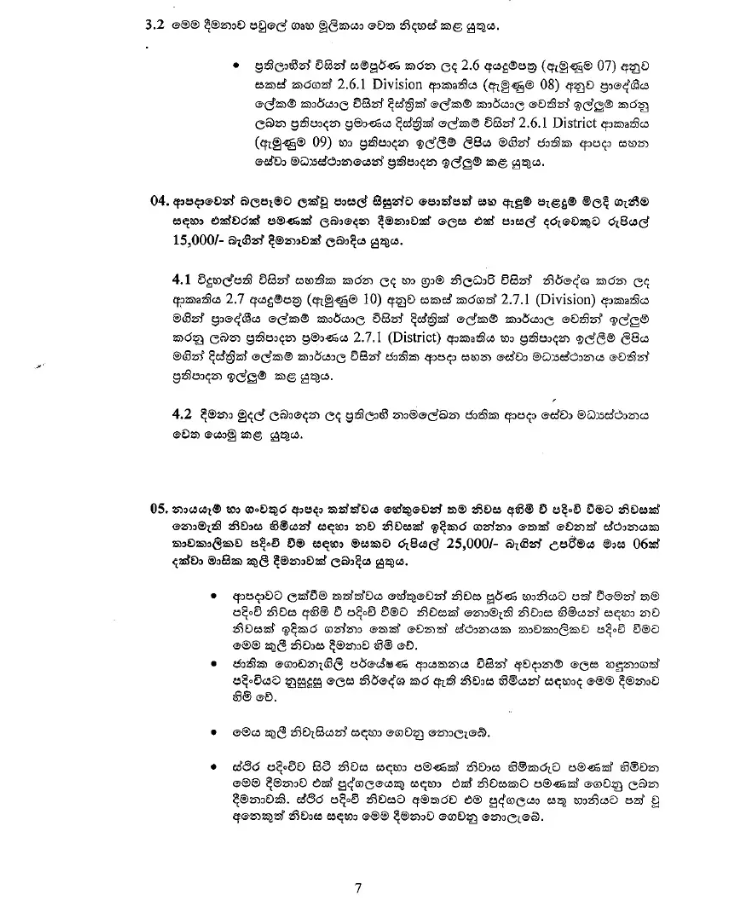
Defence Ministry Releases Framework for Distribution of Disaster Relief Funds
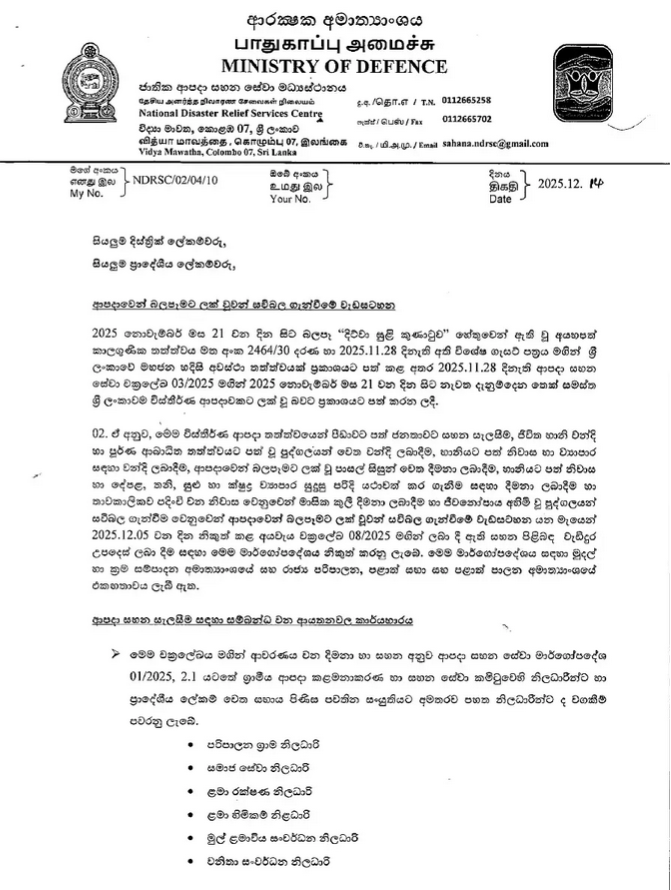
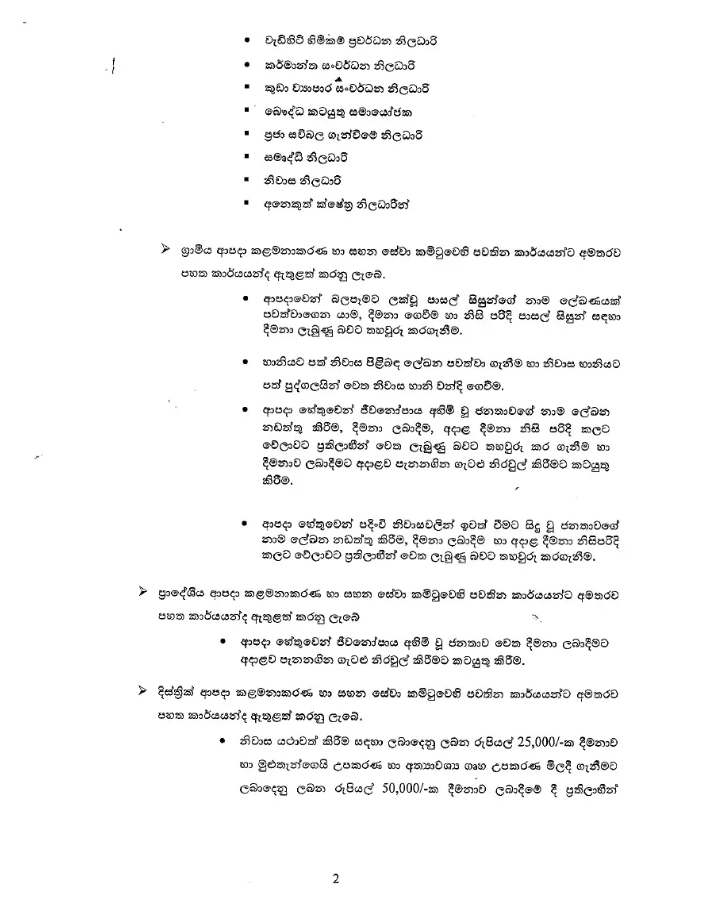
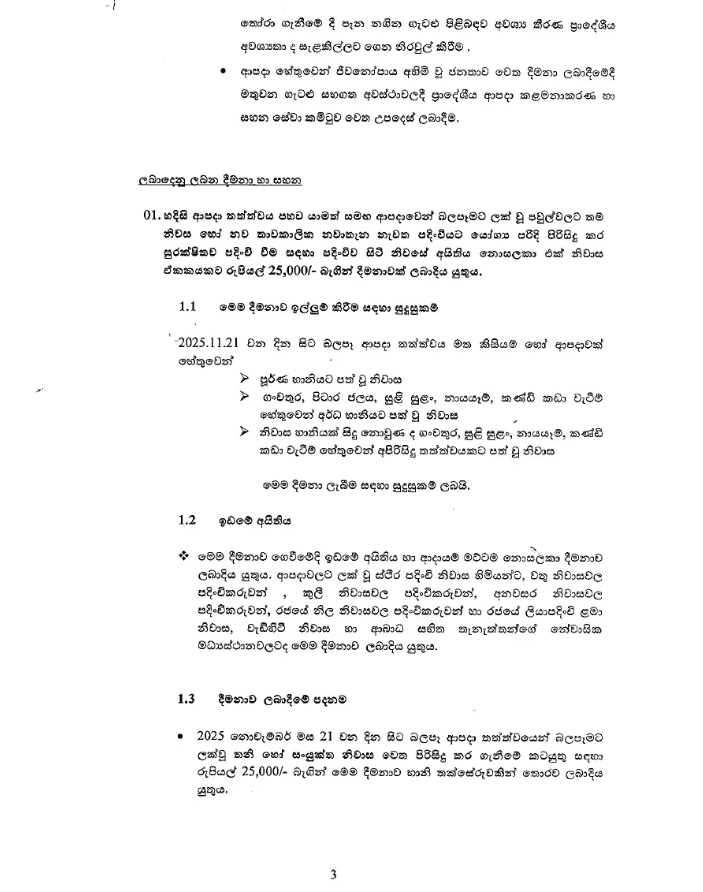
December 15, Colombo (LNW): The Ministry of Defence has announced the release of official guidelines to support the implementation of a programme aimed at empowering communities affected by recent disasters.
In a statement, the Ministry confirmed that the framework has been cleared by the Ministry of Finance and Planning, as well as the Ministry of Public Administration, Provincial Councils and Local Government, ensuring consistency across government agencies.
Following these approvals, the Defence Secretary has formally issued the guidelines to District and Divisional Secretaries, who will oversee the allocation and distribution of relief funding at the local level.
The document sets out the roles and responsibilities of institutions involved in the relief process and provides detailed guidance on the types of assistance and financial allowances to be extended to eligible beneficiaries, with the aim of ensuring transparency and effective support for affected communities.
India Extends Medical and Food Assistance to Sri Lanka
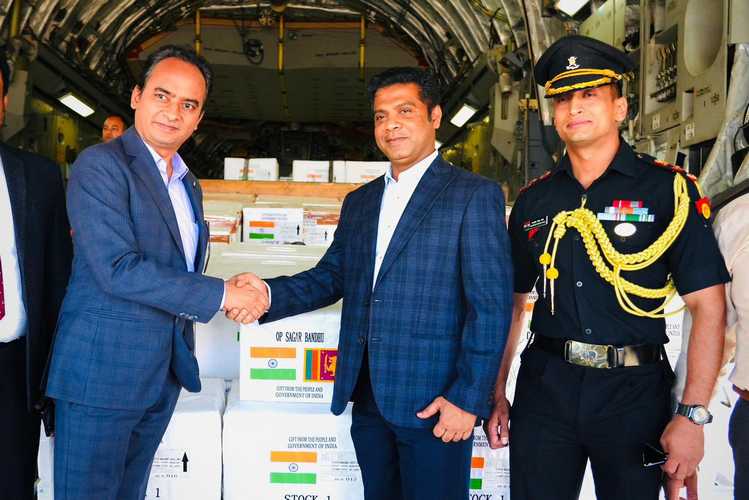
December 15, Colombo (LNW): The Government of India has provided a fresh consignment of humanitarian supplies to Sri Lanka, comprising essential medicines and dry food items, as part of ongoing support to the country.
The shipment, which includes 17 types of critical pharmaceuticals along with more than 14,200 kilogrammes of dry rations, was formally handed over at Bandaranaike International Airport. Indian Deputy High Commissioner Dr Satyanjal Pandey presented the supplies to Sri Lanka’s Minister of Health, Nalinda Jayatissa.
Officials said the assistance was arranged in response to a request from the Sri Lankan Health Ministry and is expected to strengthen healthcare services and support vulnerable communities during the current recovery period.
Prime Minister Emphasises Values-Based Education at National Student Recognition Event
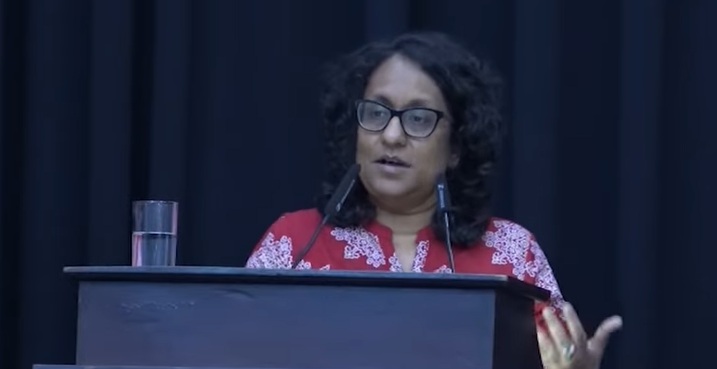
December 15, Colombo (LNW): Prime Minister Dr Harini Amarasuriya has said the Government is committed to shaping a generation that is socially responsible, environmentally conscious and deeply rooted in democratic values.
She made these remarks while speaking at a ceremony held at Temple Trees to mark the ninth phase of a nationwide initiative that honours high-achieving GCE Advanced Level students. The programme is conducted through the Presidential Fund and aims to recognise academic excellence across the island.
Addressing the gathering, the Prime Minister described the Presidential Fund as a public trust, noting that the Government is working to ensure it is widely understood and experienced as a fund that genuinely serves the people.
She stressed that investments in education and youth development are central to national progress. The objective, she said, is not only academic success but the cultivation of individuals who show leadership, act with compassion, value collective responsibility and actively protect the environment, while respecting democratic principles.
According to the Prime Minister, building such human capital is essential for the country to move forward with resilience and unity in an increasingly complex world.
Cyclone Ditwah Death Toll Rises to 644: Recovery Efforts Continue
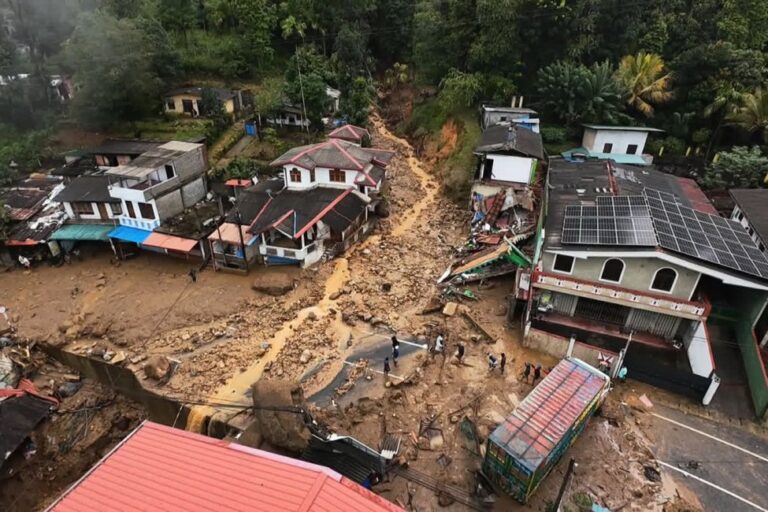
December 15, Colombo (LNW): The number of fatalities associated with Cyclone Ditwah has continued to rise more than two weeks after the storm struck Sri Lanka, according to the latest update issued by the Disaster Management Centre.
The DMC confirmed that 644 deaths have now been linked to the severe weather, while 183 people are still reported missing as search operations and assessments proceed in affected areas.
Kandy District has recorded the highest number of fatalities, with 237 deaths attributed to the cyclone and its aftermath. Nuwara Eliya and Badulla districts have also been heavily impacted, reporting 89 and 88 deaths respectively.
The extreme weather has affected all 25 districts across the country, disrupting the lives of nearly 1.35 million people from more than 385,000 families. At present, over 70,000 individuals representing 22,638 families remain in 766 temporary relief centres.
Housing damage remains extensive, with 6,163 homes completely destroyed and a further 112,171 suffering partial damage. Authorities say relief, resettlement and reconstruction efforts are ongoing, as communities continue to grapple with the long-term consequences of the disaster.