December 08, Colombo (LNW): President Anura Kumara Dissanayake has underscored the need for a comprehensive, long-range strategy to reduce the likelihood of large-scale natural disasters in the years ahead, warning that reactive measures alone will no longer suffice.
He made these remarks during a special coordination meeting held yesterday (07) at the Kurunegala District Secretariat, where officials reviewed ongoing efforts to restore normal life and rebuild key infrastructure across the district.
The area has been grappling with significant disruption, prompting an accelerated response from both local and national authorities.
According to the President’s Media Division (PMD), the President commended the dedication shown by public-sector workers, Police officers, and members of the armed forces who have been engaged in emergency operations. He noted that the collective effort had prevented an already difficult situation from worsening.
The discussion ranged widely, touching on the restoration of damaged services such as electricity, water supply, telecommunications, and irrigation networks. Officials also examined how best to revive agricultural activity, reopen schools safely, restore disrupted medical services, and support families whose homes have been damaged or lost.
President Dissanayake further stressed that unauthorised construction—particularly in environmentally sensitive or high-risk areas—must be halted entirely. He indicated that the government intends to tighten existing regulations to ensure that development is carried out responsibly and with proper oversight.
President Calls for Robust Long-Term Strategy to Curb Future Disasters

Staying Relevant: The Indispensable Imperative for Any Potential Ambassador

By Roger Srivasan
In the rapidly shifting landscape of global diplomacy, relevance is no longer a luxury — it is a
lifeline. Nations rise or retreat on the strength of their emissaries, and Sri Lanka—standing at a
pivotal moment in its diplomatic re-emergence—cannot afford to deploy ambassadors who merely
occupy positions rather than embody them.
It is therefore imperative that the Government and the Honourable Minister of Foreign Affairs take
careful heed of the qualities required of any potential ambassador, for the calibre of our envoys is
directly proportional to the credibility our nation commands on the world stage.
1. Why an Ambassador Must Stay Relevant An ambassador who fails to stay relevant quickly
becomes a ceremonial figure — a relic dressed in protocol. Relevance in diplomacy encompasses:
• Intellectual Relevance
• Cultural Relevance
• Political Relevance
• Technological Relevance
To “stay relevant” is not ostentatious. It does not imply parading one’s importance. It means
remaining effective, strategic, informed, and indispensable.
2. The Cost of Irrelevance in Diplomacy An ambassador who does not stay relevant misreads
global priorities, weakens negotiations, falls out of sync with host nation realities, becomes an
invisible presence rather than an influential voice, and ceases to carry weight in representing the
President’s agenda.
3. Why the Government Must Heed This When Selecting Envoys Sri Lanka is entering a new epoch
defined by governance, integrity, and international rebranding. Ambassadors will shape the world’s
perception of the new Sri Lanka. Therefore, the Government must give due heed to:
• Meritocracy in selection
• Mastery of communication
• Diaspora engagement skills
• Diplomatic foresight
• Non-stagnation
4. A Warning Wrapped in Diplomacy A nation that appoints ambassadors without assessing their
relevance risks sending ghosts into the living world of diplomacy — emissaries who speak, but no
one listens.
5. Conclusion: The Call to the Government Sri Lanka stands at a hinge point in history. To seize
this moment, the Government must weaponise relevance as a core criterion in ambassadorial
selection and appoint envoys who remain intellectually alive, politically attuned, globally aware, and
diplomatically relevant.
Widespread Weather Disruption Forces Schools to Adjust Schedules
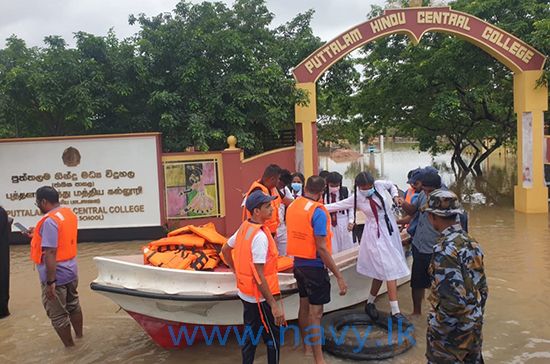
December 08, Colombo (LNW): Close to a thousand schools across nine provinces have suffered disruption following a spell of severe weather, according to the Ministry of Education’s Secretary, Nalaka Kaluwewe.
He confirmed that roughly 100,000 pupils have been affected, with some facing prolonged travel difficulties while others have seen their classrooms damaged or repurposed for emergency use.
Despite the scale of the impact, the ministry has opted to resume lessons in communities that escaped the worst of the weather, with a phased reopening planned for 16 December. Kaluwewe said an official notice outlining the specific schools and regions involved would be released on Monday or Tuesday.
He added that arrangements are already under way to reschedule the A/L examination papers that were postponed, with the revised sittings expected to take place in January 2026.
Northeast monsoon conditions over the Island: Fairly heavy falls above 50 mm expected (Dec 08)
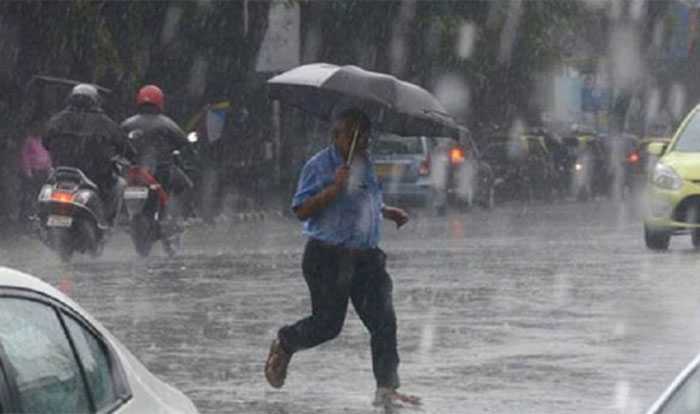
December 08, Colombo (LNW): The Northeast monsoon conditions are gradually establishing over the island, the Department of Meteorology said in its daily weather forecast today (08).
Showery weather condition is expected to enhance over Northern, North-central and Eastern provinces from tonight.
Showers will occur at times in Northern, North-Central, Eastern and Uva provinces. Fairly heavy falls above 50 mm are likely at some places in Batticaloa and Ampara districts.
Showers or thundershowers may occur at several places in the other areas of the island after 1.00 p.m.
Misty conditions can be expected at some places in Western, Sabaragamuwa, Central and Uva provinces during the early hours of the morning.
The general public is kindly requested to take adequate precautions to minimise damages caused by temporary localised strong winds and lightning during thundershowers.
Marine Weather:
Condition of Rain:
Showers or thundershowers will occur at times in the sea areas off the coast extending from to Pottuvil to Kankasanthurai via Batticaloa and Trincomalee. Showers or thundershowers may occur at few places in the other sea areas around the island.
Winds:
Winds will be north-easterly or variable in the sea areas around the island. Wind speed will be (25-35) kmph. Wind speed can increase up to 45 kmph at times in the sea areas off the coast extending from Colombo to Pottuvil via Puttalam, Kankasanthurai and Trincomalee.
State of Sea:
The sea areas off the coast extending from Colombo to Pottuvil via Puttalam, Kankasanthurai and Trincomalee will be fairly rough at times. The other sea areas around the island will be slight to moderate.
Where Every Hand Lifted in Mercy, One Rose in Malice: The Lone Vote of Shame at the Third Reading of the 2026 Budget
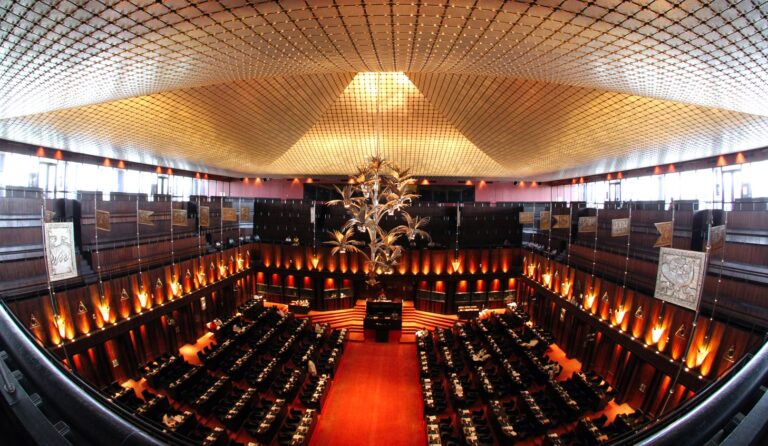
By: Roger Srivasan
The tragedy that struck our nation — a deluge of almost biblical proportion — left millions shattered.
Homes vanished beneath rising waters, livelihoods were swept away, and entire communities were
plunged into despair. As Sri Lanka grappled with the aftermath of Cyclone Ditwah, the President
rose above politics with an act of statesmanship and compassion: a proposal embedded within the
Third Reading of the 2026 Budget to deliver urgent relief to every family devastated by the floods.
In a special statement to Parliament, the President outlined the gravity of the catastrophe and
submitted a supplementary estimate of Rs. 50 billion — a lifeline intended to stabilise and rebuild
shattered communities. It was a moment that demanded unity, humanity, and moral clarity.
Parliament answered that call.
Every single Member of Parliament — across party lines, ethnic identities, and political loyalties —
voted in favour of the relief package.
Every member except one.
Gajendrakumar Ponnambalam, with chilling sangfroid and betraying not the faintest flicker of
empathy, cast the lone dissenting vote against providing relief to suffering citizens. Even seasoned
observers of parliamentary drama were stunned. This was not a mere political miscalculation. It
was a moment of profound moral collapse — where indifference triumphed over compassion, and
ego eclipsed humanity.
For a man who claims to champion Tamil rights, it was an unforgivable betrayal.
What makes this moment even more disturbing is that it follows, in rapid succession, another act of
political treachery. Barely a week earlier, Shanakiyan Rasamanickam had provoked the fierce wrath
of the Tamil community for conduct equally tone-deaf, self-serving, and disastrously misaligned with
the people’s suffering. Instead of learning from Shanakiyan’s humiliation, Ponnambalam chose to
walk the same path — as though competing for the honour of who could fall the furthest from the
people’s trust.
Two betrayals. Two reprobates. One week.
Through their arrogance and political blindness, these two Tamil politicians have created a
leadership vacuum. And vacuums never remain empty. New Tamil representatives — emerging
from the President’s movement and demonstrating compassion, unity, and genuine public service
— are poised to rise in their place.
If this trajectory continues, both Ponnambalam and Shanakiyan stand on the brink of losing their
parliamentary seats at the next election. Not because rivals defeated them — but because their
own people abandoned them.
Leadership is sacred. In moments of national tragedy, it becomes a moral obligation.
To vote against relief for a nation in anguish is indefensible. To do so with chilling detachment,
unmoved by human suffering, is monstrous. It reveals a heart untouched by compassion, a mind
clouded by ego, and a soul unmoored from humanity.
History will honour the President for his benevolence. It will remember Parliament for its unity. But it
will not forget the lone dissenter — the man who stood against compassion, against relief, and against humanity itself.
Nor will it forget the one who fell before him.
These two politicians have sealed their fate. When the next parliamentary election dawns, the Tamil
people will deliver their verdict — calm, resolute, and unmistakably clear:
Those who betray us in our darkest hour do not deserve to represent us in the light.
Tamil Nadu Extends Vital Humanitarian Support to Flood-Affected Communities in Sri Lanka
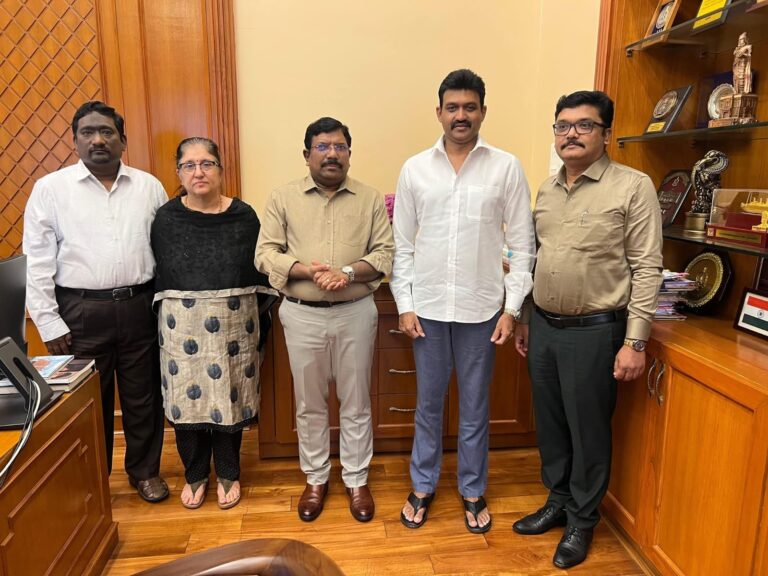
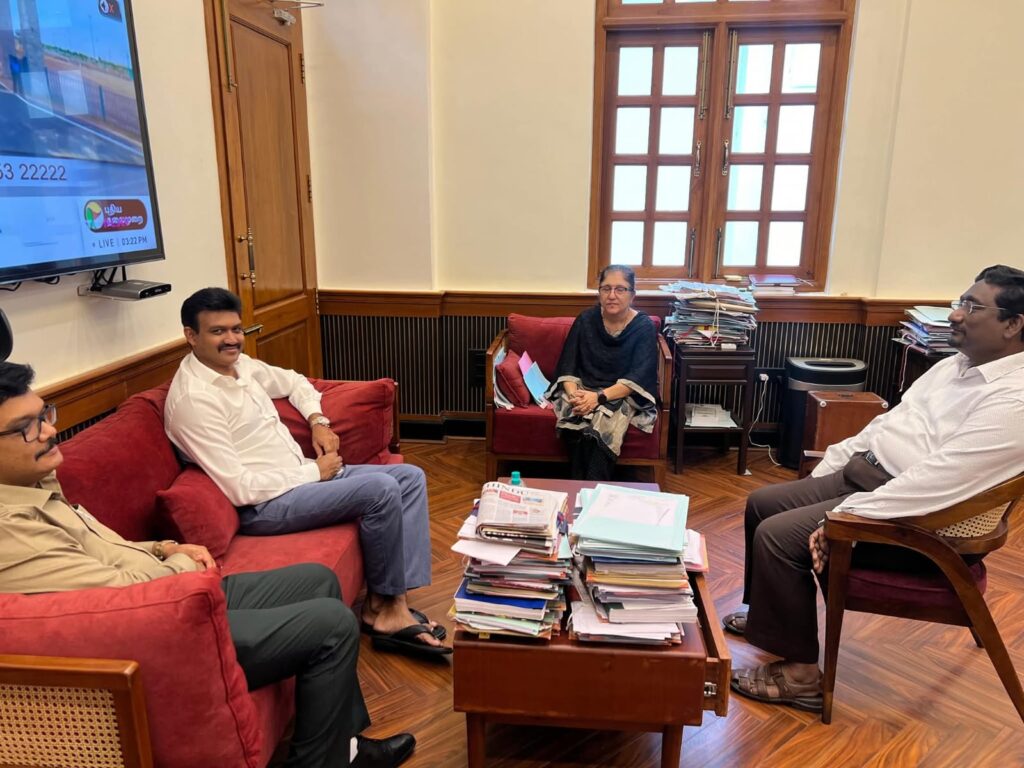
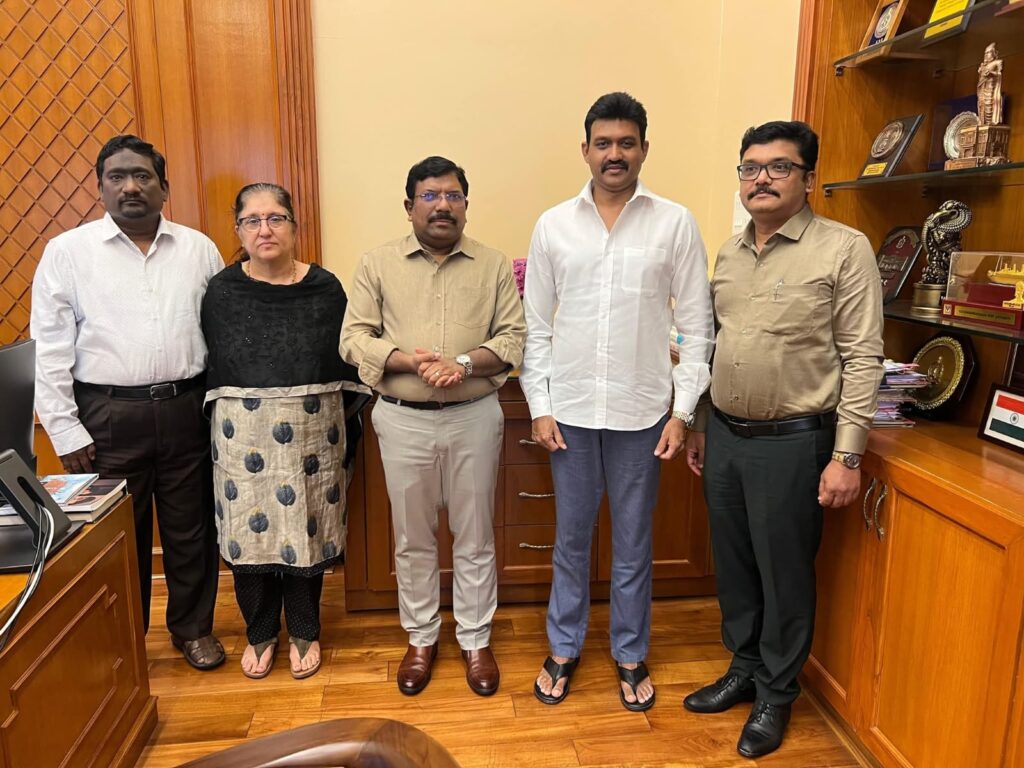
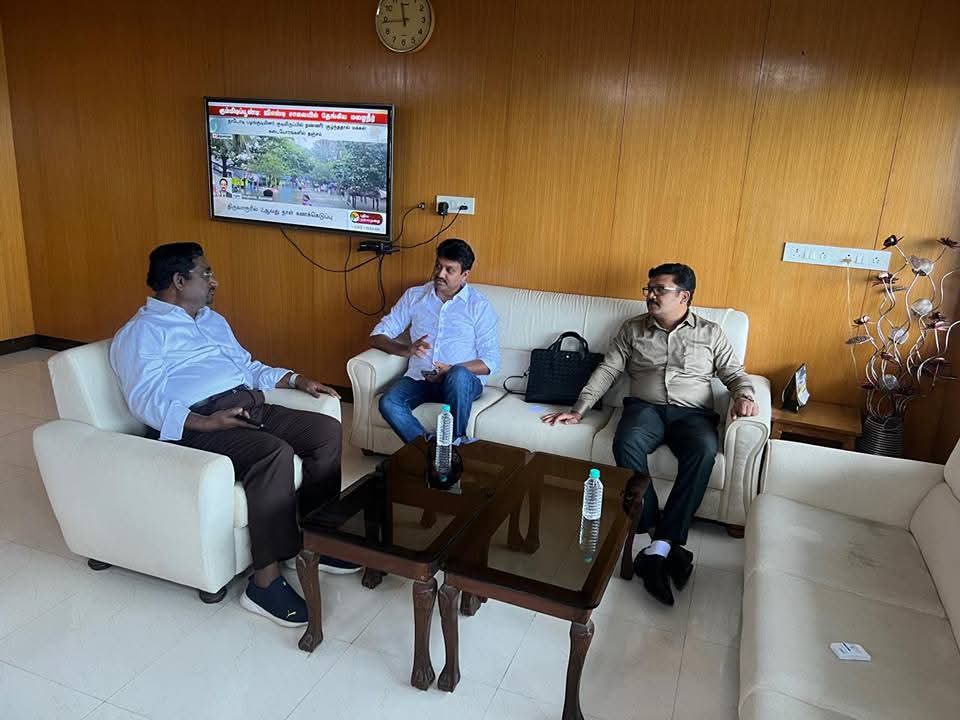
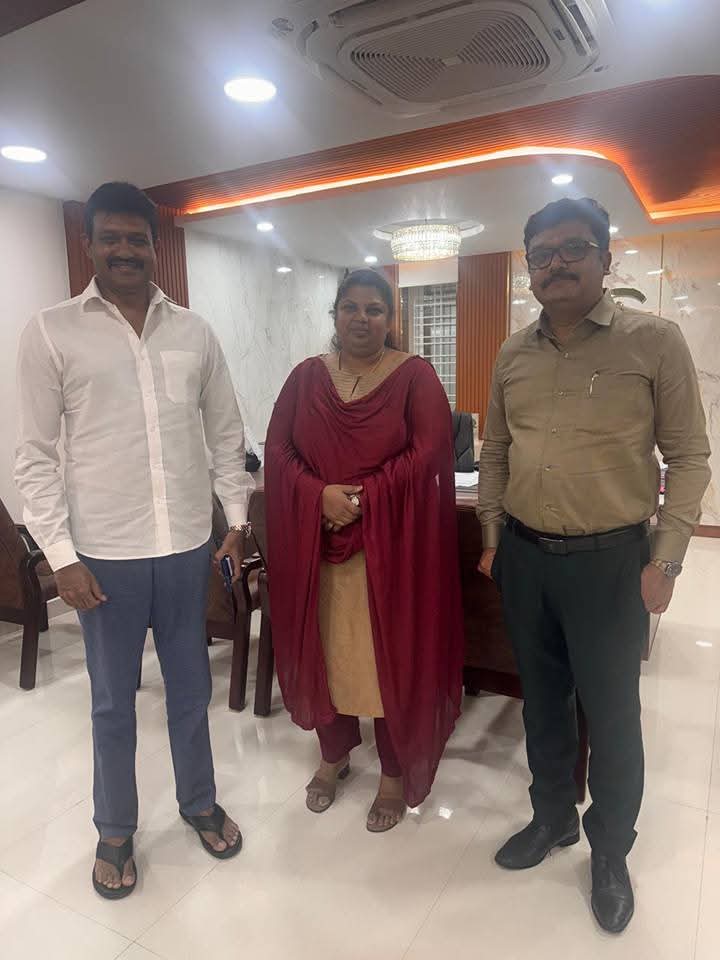
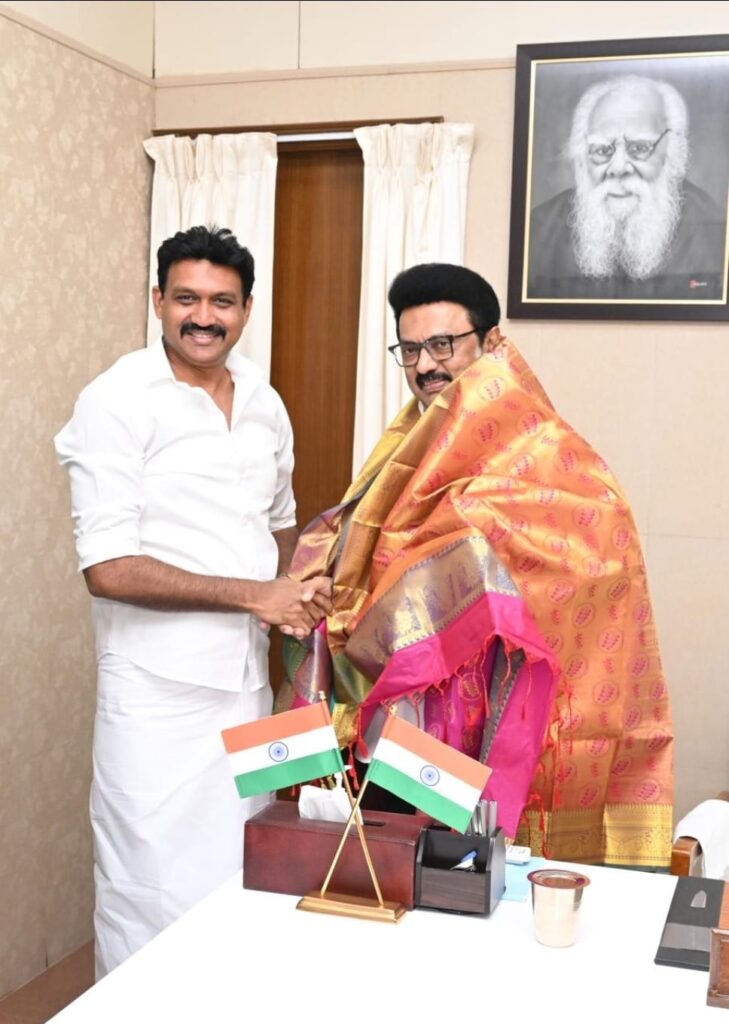
December 07, Colombo (LNW): In a significant gesture of solidarity, the Chief Minister of Tamil Nadu, M.K. Stalin, has donated dry rations and essential supplies to assist communities affected by the recent floods in Sri Lanka.
This timely humanitarian aid is deeply appreciated and is expected to bring urgent relief to thousands of vulnerable families.
This is not the first instance of Tamil Nadu’s compassion toward Sri Lanka during times of crisis. During the height of Sri Lanka’s economic downturn, Stalin extended substantial support by donating 40,000 metric tonnes of rice, 500 metric tonnes of milk powder, and 100 metric tonnes of medicines, reflecting Tamil Nadu’s enduring commitment to its neighbours in need.
During a recent visit to Tamil Nadu following the Ditwah cyclone, discussions were held with senior Tamil Nadu government officials who expressed strong enthusiasm and readiness to support the humanitarian vision of the Chief Minister. Their collaboration has been pivotal in ensuring the successful coordination of the latest relief effort.
Special appreciation is extended to the following officials for their dedication and facilitation:
Mr. Muruganantham, IAS – Chief Secretary, Government of Tamil Nadu
Mrs. Rita Harish, IAS – Public Secretary, Chief Secretariat, Tamil Nadu
Mr. Vallalar, IAS – Commissioner, Overseas Tamils Welfare Commission, Tamil Nadu
Hon. Abdulla and Mr. Puhazh Gandhi, Members of NRT
Their commitment has been instrumental in turning this humanitarian initiative into reality.
Gratitude is also extended to His Excellency Santhosh Jha, Indian High Commissioner to Sri Lanka, and to officials from the Ministry of External Affairs of India and the Indian High Commission in Colombo for their continuous support and facilitation throughout the process.
Additionally, sincere appreciation is conveyed to Vijitha Herath, Sri Lanka’s Minister of Foreign Affairs, and Dr. Ganesanathan, Deputy High Commissioner of Sri Lanka in Chennai, for their prompt and effective cooperation during this critical hour.
President Urges Accurate Data for Timely Compensation
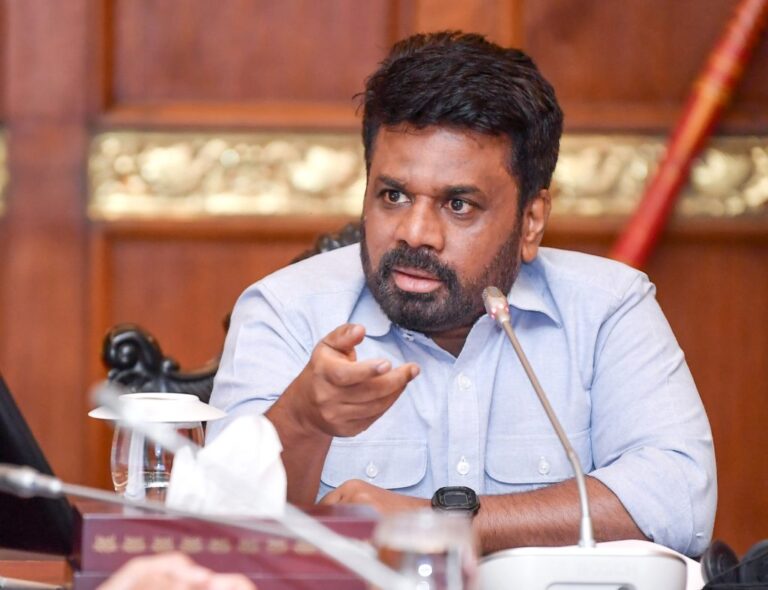
December 07, Colombo (LNW): President Anura Kumara Dissanayake has emphasised that government officials must provide precise and reliable data when making economic decisions and planning recovery initiatives.
He made the remarks while addressing the Matale District Coordinating Committee meeting yesterday afternoon.
Highlighting the urgent need for post-disaster support, the President instructed authorities to ensure compensation for damaged agricultural land is fully disbursed by December 30.
He stressed that careful verification is essential so that aid reaches only those farmers who are genuinely eligible, underlining the importance of accuracy and accountability in public service.
Post-Cyclone Supply Shocks Expose Weak Links in Export Economy
By: Staff Writer
December 07, Colombo (LNW): Sri Lanka’s export sector is grappling with a new wave of pressures after Cyclone Ditwah triggered widespread disruptions across supply chains, raw-material zones, and industrial districts. Although the Export Development Board (EDB) projects that earnings could climb to USD 16–17 billion in 2025—one of the strongest performances in years—the cyclone has exposed structural weaknesses that threaten long-term growth.
The country had only recently begun shaking off a decade-long stagnation, with exports stuck between USD 13–15 billion. New policy reforms, revived advisory committees, and performance-linked targets created optimism for expansion toward the USD 20 billion mark. But the disaster has hit several pillars of export production: tea factories lack power, cinnamon and coconut plantations face crop losses, rubber tapping has slowed, and apparel factories in flood-affected districts have suspended operations.
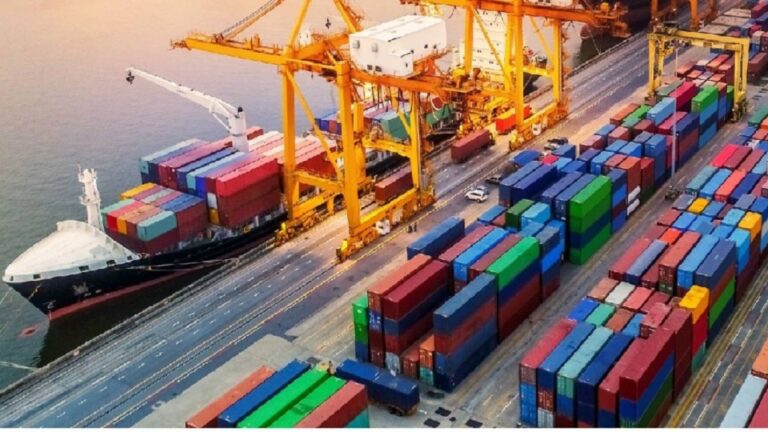
Even exporters outside the disaster-hit zones are experiencing delays due to damaged transportation networks, which have slowed container movement to ports. Rising logistical costs and disrupted supply timelines have already prompted concerns from foreign buyers, especially in apparel and rubber-based industries.
The cyclone’s impact is particularly severe for small and medium exporters, who make up the majority of the export base but lack the financial resilience of larger firms. Many SMEs report machinery damage, flooded warehouses, and the loss of raw materials. Without concessional financing or targeted recovery grants, some may not return to full capacity for months.
Still, the EDB argues that the overall trajectory remains positive, pointing to expanded product development, new export-market access, and stronger engagement with overseas missions. The government is also preparing a major industrial exhibition to attract international buyers. But experts warn that promotional efforts alone cannot offset production-level vulnerabilities.
The cyclone has reignited debate over the country’s dependence on traditional exports—tea, garments, rubber, cinnamon—and its slow pace in diversifying into high-value sectors such as electronics, pharmaceuticals, and advanced manufacturing. The disaster also underscored the absence of climate-resilient infrastructure in export-dependent districts, despite repeated environmental shocks.
Economists note that reaching USD 20 billion in exports will require more than targets and marketing campaigns. Sri Lanka must urgently modernise logistics, improve rural transport, support SME upgrading, and integrate disaster-risk management into export-sector planning.
Cyclone Ditwah may have interrupted momentum, but it has also provided a defining opportunity: to rebuild the export sector with resilience, diversification, and stronger foundations—or risk another lost decade.
Cyclone Tests Resilience of Sri Lanka’s Tourism Backbone
By: Staff Writer
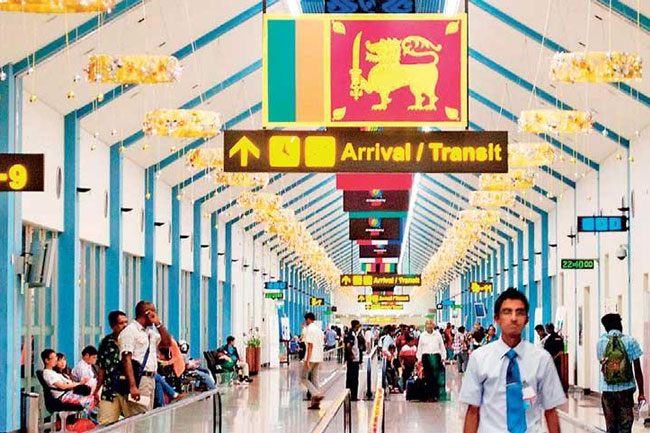
December 07, Colombo (LNW): Cyclone Ditwah has delivered a sharp blow to Sri Lanka’s tourism sector, exposing long-standing vulnerabilities while simultaneously demonstrating its remarkable capacity for quick rebound. Though over 25,000 tourists arrived during and after the disaster, the uneven impact on hotels, infrastructure, and coastal destinations underscores the need for comprehensive climate-resilient planning across the industry.
Hoteliers in the Southern and Eastern coastal belts report extensive damage: washed-out beach fronts, water-damaged ground-floor facilities, destroyed landscaping, and significant losses in back-of-house machinery. Several boutique hotels between Hikkaduwa and Tangalle remain partially closed, while eco-lodges in riverine areas have suspended operations due to safety concerns. Industry associations warn that repairing damaged properties could take months, affecting room capacity and seasonal earnings.
Yet the influx of tourists has not collapsed. With arrivals surpassing 2.1 million by November and the month’s 212,906 visitors marking a five-year high for November performance, the sector’s revival momentum remains intact. Colombo, in particular, has absorbed diverted tourist flows, with high-end hotels maintaining 70–75% occupancy even amid the crisis. The awarding of Five-Star certification to Cinnamon Life at City of Dreams highlights the capital’s growing role as an urban leisure and MICE destination.
The disaster, however, has spotlighted gaps in emergency readiness. Many hotels lacked comprehensive disaster-response protocols, while some coastal regions faced delays in relief access due to damaged roads and communication blackouts. Tourism experts argue that without updated evacuation plans, stronger early-warning systems, and mandated climate-resilient hotel standards, future disasters could trigger far deeper economic shocks.
Sri Lanka Tourism officials emphasise that recovery efforts are already underway. Short-term steps include rapid hotel inspections, emergency repair grants, and re-establishing travel confidence through transparent communication with source markets. International campaigns are being prepared to reassure travellers that the island remains open, safe, and operational.
Long-term planning aims to reposition Sri Lanka as a climate-resilient destination. This includes coastal protection engineering, green hotel certification programmes, diversification into inland and niche tourism products, and strategic promotion of Colombo as a year-round entertainment and convention hub. The cyclone’s aftermath has become an inflection point: policymakers must now embed climate adaptation into tourism development rather than treat disasters as temporary setbacks.
The sector’s path forward depends on how swiftly damaged regions are restored and whether lessons from Cyclone Ditwah can reshape the industry’s preparedness. Sri Lanka’s tourism backbone has held firm but its future resilience hinges on structural reforms that match the private sector’s determination.
Government Relief Funds Under Fire amid Massive Recovery Shortfall
By: Staff Writer
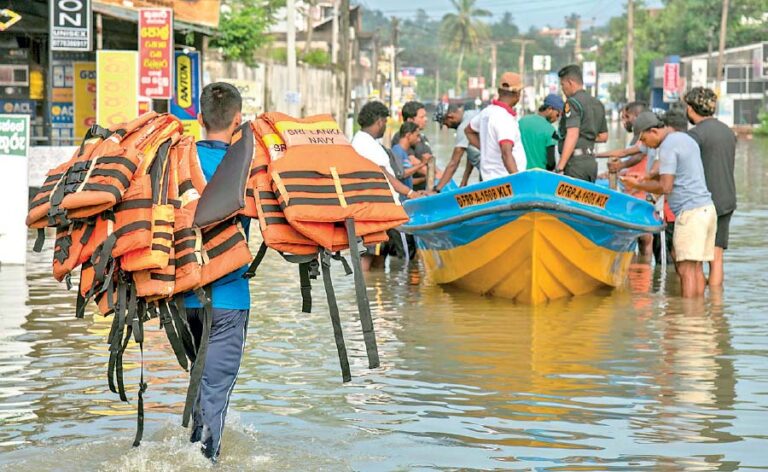
December 07, Colombo (LNW): Sri Lanka’s post-cyclone recovery now hinges on a critical financial debate: whether the Government’s newly presented relief plan—outlined by the President in Parliament—can realistically rebuild homes, livelihoods, and the vast public infrastructure destroyed by Cyclone Ditwah and subsequent floods and landslides. The Government insists its allocations are adequate, yet mounting evidence and parliamentary scrutiny paint a more uncertain picture.
During the debate on compensation and rebuilding support, Committee on Public Finance Chair Harsha de Silva urged the administration to divert Rs. 500 billion—currently earmarked for the retirement of treasury bills in 2026—towards urgent reconstruction. He argued that the Treasury has the legal and fiscal flexibility to postpone debt retirement, particularly when thousands of families remain displaced and economic activity in several districts has ground to a halt.
According to de Silva, the Government had originally advised banks to maintain over Rs. 1 trillion in emergency reserves. However, only half of that amount has been set aside for debt payments. “This is clearly not the moment to prioritise reducing a decimal fraction of interest,” he cautioned, emphasising that every rupee now should support rebuilding homes, restoring livelihoods, and compensating businesses—especially MSMEs facing a debt burden approaching Rs. 1 trillion after years of economic volatility.
The President’s financial plan includes allocations for house repair grants, livelihood assistance, and emergency clean-up operations. Yet, questions loom over whether the proposed spending matches the scale of destruction. Initial government estimates place total losses between $3 billion and $6 billion, but no definitive assessment has been issued. A World Bank-led damage evaluation is expected within two weeks, likely to provide the first credible figure. If losses are closer to $6 billion (about Rs. 2 trillion), current allocations appear far from adequate.
Compounding concerns is the Public Financial Management Act, which sets a primary expenditure ceiling of 13% of GDP for 2026 in line with IMF commitments. While de Silva acknowledged this limit, he pointed out that the law allows exceeding the cap during emergencies—making expanded public spending legally permissible if the Government chooses to act decisively.
Meanwhile, around Rs. 50 billion remains unspent from the 2025 Budget’s emergency funds. De Silva argued these could be mobilised within weeks for immediate relief. He also criticised the standard Rs. 25,000 compensation payment as outdated, suggesting it be doubled given recent inflation, rising construction costs, and the severe material shortages in flood-affected districts.
The President’s plan aims to restore normalcy, but without clearer damage assessments, transparent budget priorities, and a willingness to adjust fiscal commitments, Sri Lanka risks underfunding its recovery at the very moment citizens need the State most.