October 25, Colombo (LNW): SriLankan Airlines has released a statement addressing recent coverage of its financial performance for the 2024/25 fiscal year, noting that the Group recorded a loss of LKR 2.7 billion, in contrast to a profit of LKR 7.9 billion reported the previous year.
According to the airline, the year-on-year difference was largely driven by a sharp reduction in foreign exchange gains. The company posted an exchange gain of LKR 3.9 billion in 2024/25, compared with LKR 26.7 billion in 2023/24.
The carrier explained that such gains result from the revaluation of foreign currency-denominated interest-bearing liabilities, where appreciation of the Sri Lankan rupee generates accounting gains.
When excluding the impact of exchange rate movements, the airline’s underlying loss for 2024/25 stood at LKR 6.7 billion, a marked improvement from the pre-exchange loss of LKR 18.8 billion recorded in the previous financial year.
SriLankan Airlines Clarifies Financial Results for 2024/25

Prison Reform Group Condemns Call for Executions of Drug Offenders
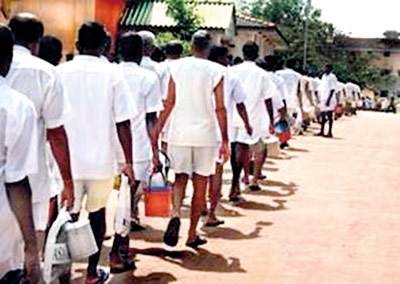
October 25, Colombo (LNW): The Committee for Protecting Rights of Prisoners (CPRP) has sharply criticised recent comments by the Prisons Commissioner advocating the execution of convicted drug traffickers, arguing that such measures will not address the chronic overcrowding in Sri Lanka’s prisons.
At a media briefing, attorney Senaka Perera, representing the CPRP, reminded that the government’s stance remains firm that the death penalty will not be implemented. He expressed concern over the remarks made by Commissioner Jagath Weerasinghe, who had suggested enforcing capital punishment for drug-related offences and pointed out that the current inmate population of over 36,000 far exceeds the designed capacity of approximately 10,500.
Perera questioned the Commissioner’s suitability to manage the prison system while contradicting official policy, asserting that an individual who endorses executions cannot be expected to uphold justice or facilitate rehabilitation within prisons.
He stressed that criminal behaviour stems from social and economic inequalities rather than inherent tendencies, adding that true reform requires tackling these root causes. “Eliminating the circumstances that lead to crime is the only way to build a society free of it,” he said, warning that leadership favouring punitive measures undermines the department’s rehabilitative mission.
Perera further noted that the principle that “prisoners are also human beings” will only hold meaning when actions that deprive inmates of justice and dignity are brought to an end.
Sri Lanka to Introduce National Single Window for Trade by 2027
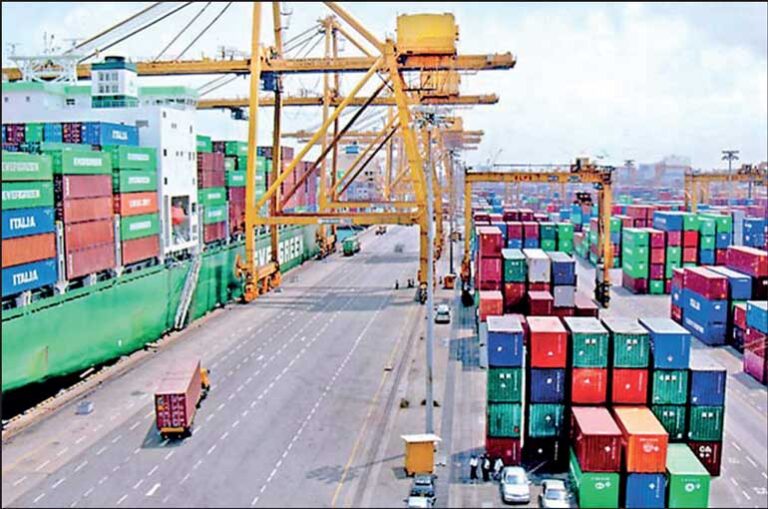
October 25, Colombo (LNW): Sri Lanka is preparing to launch a digital platform aimed at transforming the country’s trade processes, with the pilot phase of the National Single Window for Trade (NSW) set for late 2026 and full-scale implementation expected the following year.
The initiative, overseen by the Ministry of Finance, seeks to streamline cross-border trade by cutting through bureaucratic delays, reducing transaction costs, and improving overall efficiency. Project Director Neelakanth Wanninayake explained that the programme, which officially began on October 01, 2024, has already completed its preliminary phase and is now advancing towards implementation.
The initial stage, concluded in April 2025, involved a detailed assessment of 18 government agencies, evaluating their operational, technological, and legal readiness. This groundwork was carried out by Deloitte Advisory Services (Pvt) Ltd. The next phase, currently under way, will define the system’s functional and technical specifications, with KPMG contracted to lead this process and prepare bidding documentation for potential system vendors.
To formalise cooperation, the Finance Ministry has signed memoranda of understanding with all participating government bodies. A key policy decision is now pending on the technological framework of the NSW, with options including the development of a bespoke platform, adoption of the UNCTAD/ASYCUDA system, or acquisition of a commercial off-the-shelf solution. The Asian Development Bank has supported the evaluation through technical studies comparing available systems. A final decision, to be endorsed by the Cabinet, is expected by the end of 2025.
If timelines proceed as planned, vendor selection and mobilisation will be completed by mid-2025, paving the way for a phased rollout. The initial pilot will involve six institutions—Sri Lanka Customs, the Standards Institution, the Food Control Administrative Unit, the Import and Export Control Department, the National Plant Quarantine Service, and the Animal Quarantine Department—covering import, export, and transshipment activities.
The NSW will serve as a single online entry point through which traders can submit all regulatory documentation electronically, thereby reducing the need for in-person visits to multiple agencies. This digital gateway aims to create a transparent, paperless trading environment and fulfil Sri Lanka’s commitments under the WTO Trade Facilitation Agreement.
Looking ahead, authorities are examining several operational models for long-term management of the system after 2027. These range from a fully government-run framework to a public-private partnership model or a state-owned company, with financial sustainability and service quality identified as top priorities.
Acknowledging the project’s complexity, Wanninayake highlighted the need for close coordination among 18 government agencies across nine ministries. He also noted that rebuilding private-sector confidence, after years of stalled trade reforms, has been a key objective. To address this, the project implementation unit has introduced a comprehensive engagement strategy featuring inter-ministerial and technical committees to maintain stakeholder alignment and drive the initiative forward.
Minister Calls for Prompt Muslim Burial Procedures and Affirms Religious Rights of Nurses
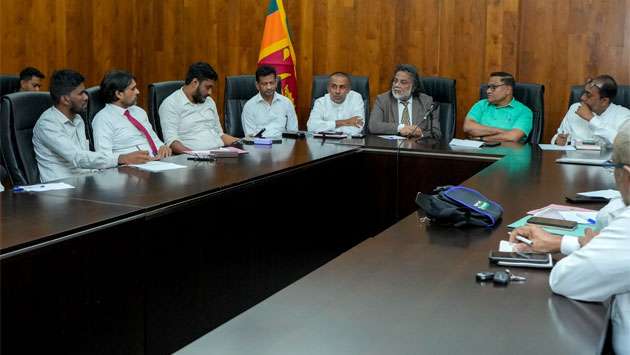
October 25, Colombo (LNW): Minister of Foreign Affairs, Foreign Employment, and Tourism, Vijitha Herath, has urged that Muslim burial rites be conducted without unnecessary delay, stressing the importance of upholding pre-pandemic practices.
Representatives from various civil society groups observed that in certain regions, procedures introduced during the COVID-19 period—particularly the extended certification process—were still being applied, resulting in significant postponements of burials.
Responding to these concerns, Minister Herath clarified that a circular reinstating the standard pre-COVID procedures has already been issued, and relevant officials have been instructed to ensure its full implementation. He further advised that in any locality where outdated regulations remain in use, the circular should be presented to the authorities so that corrective measures can be promptly enforced.
The meeting, attended by around 30 representatives from 15 organisations including the All Ceylon Jamiatul Ulama, provided a platform for Muslim community leaders to raise wider social concerns.
During the same discussion, Minister Herath also reaffirmed that there are no legal restrictions preventing Muslim nurses in public hospitals from wearing attire consistent with their faith. The reassurance followed appeals from Muslim civil society groups, who noted that limitations on wearing garments covering the head and legs have deterred many Muslim women from entering or remaining in the nursing profession.
The meeting, chaired by Minister Herath, included participation from Deputy Speaker Rizvi Sali, Minister Sunil Senevi, Deputy Ministers Munir Mulaffar and Arkam Ilyas, and MP Fasmin Sheriff. Minister Herath emphasised that existing uniform policies do not conflict with religious dress codes, underscoring that cultural and spiritual observances should never impede anyone’s opportunity to serve in the healthcare sector.
Showers, thundershowers continue: Fairly heavy falls above 75 mm likely to occur (Oct 25)

October 25, Colombo (LNW): Showers or thundershowers will occur at times in Western, Sabaragamuwa, Central and North-western, Northern and North Central provinces and in Galle, Matara and Trincomalee districts, the Department of Meteorology said in its daily weather forecast today (25).
Fairly heavy falls above 75 mm are likely at some places in these areas.
Showers or thundershowers will occur elsewhere of the island after 1.00 p.m.
Strong winds of about (40-50) kmph can be expected at times over Western slopes of the central hills and in Western, Northern, North-central, North-western and Southern provinces and in Trincomalee district.
The general public is kindly requested to take adequate precautions to minimise damages caused by temporary localised strong winds and lightning during thundershowers.
Marine Weather:
The low-pressure area located over the southeast Bay of Bengal to the northeast of Sri Lanka is expected to intensify further and move west-northwestward. This low-pressure area located about 850 km northeast of Batticaloa at 5.00 a.m. on October 25, 2025. This low-pressure system is likely to develop into a depression over the southeast and adjoining central Bay of Bengal during today (25). This system is expected to further intensify into a deep depression by the 26th of October and into a cyclonic storm by October 27. Naval and fishing communities, engaging activities over the shallow sea areas off the coast extending from Kankasanthurai to Batticaloa via Trincomalee and from Galle to Pottuvil via Hambantota are requested to be vigilant in this regard.
Condition of Rain:
Showers or thundershowers will occur at times in the sea areas off the coast extending from Trincomalee to Hambanthota via Kankasanthurai, Mannar, Colombo and Galle. Showers or thundershowers will occur at several places in other sea areas around the island during the afternoon or night.
Winds:
Winds will be south-westerly or westerly and speed will be (30-40) kmph. Wind speed can increase up to (50-60) kmph at times in the sea areas around the island.
State of Sea:
The sea areas around the island will be fairly rough and, rough at times.
Temporarily strong gusty winds and very rough seas can be expected during thundershowers.
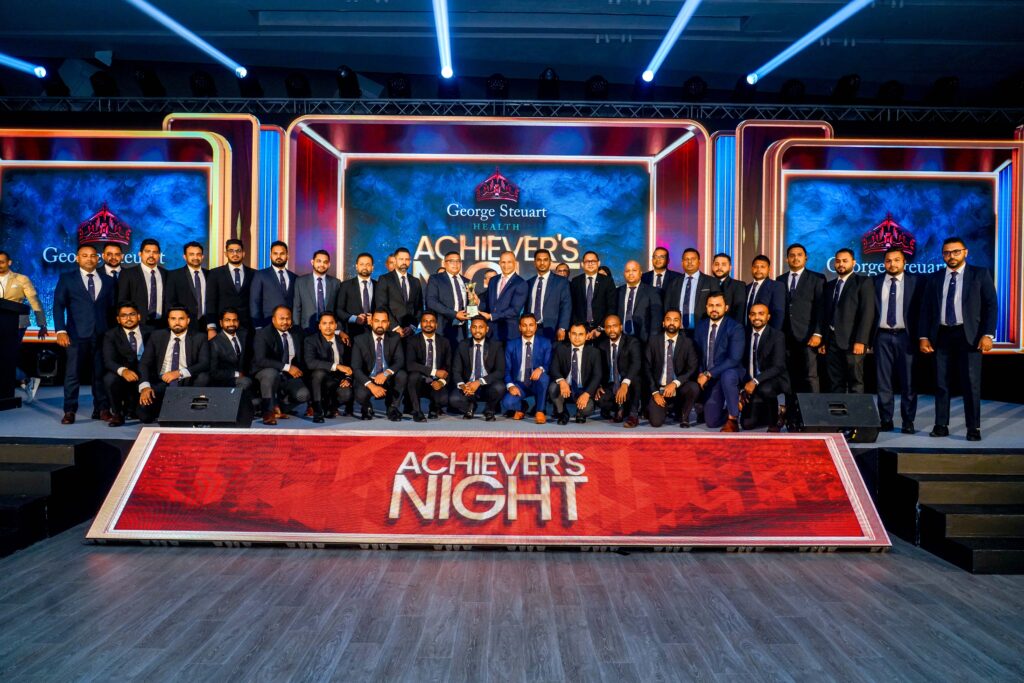
George Steuart Health Honours Excellence at Achievers Night 2025
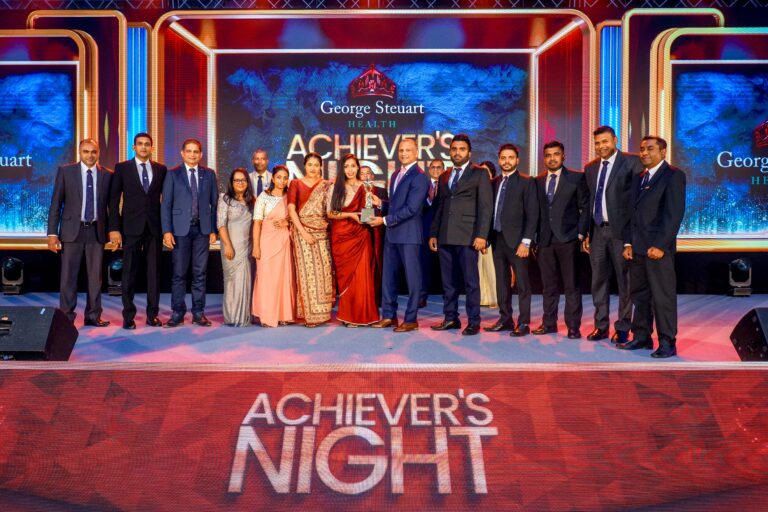
Colombo, Sri Lanka – October 2025
George Steuart Health (Pvt) Ltd., the fastest-growing pharmaceutical importer in Sri Lanka and the healthcare arm of the George Steuart Group, celebrated the outstanding achievements of its employees and distributors at Achievers Night 2025, held recently in Colombo. The event recognized exceptional performers in sales revenue and growth across four key categories, Pharma, Non-Pharma, Distribution Partners and Sales Team, reflecting the company’s commitment to excellence, resilience, and collaboration.
With a team of over 600 members, the winning teams andpartners from across Sri Lanka came together to honour the dedication and teamwork that have positioned George Steuart Health among the top four pharmaceutical firms in the country. The awards highlight the significant contributions made during a year marked by industry challenges and regulatory changes.
Commenting on the occasion, Managing Director – Eran Ranasinghe said:
“This past year tested us with unprecedented challenges. Yet, through unwavering unity, adaptability, and courage, our teams not only persevered, they thrived. We strengthened global partnerships, expanded into new product categories, and deepened our reach across hospitals and communities.
Tonight, we celebrate not just individual and team successes, but the collective spirit that defines George Steuart Health. Our ambition goes beyond market leadership; it’s about making a profound impact on healthcare in Sri Lanka. As we look to the future, we are proud to be expanding into local manufacturing, developing breakthrough products and new chemical entities that will deliver world-class care made right here at home.
Together, we are building a healthier tomorrow for Sri Lanka, and this unstoppable spirit will drive us to even greater heights.”
George Steuart Health, established in 1986 and rebranded in 2012, partners with over 70 global manufacturers and markets more than 600 pharmaceutical products and medical devices. The company covers a wide range of therapeutic areas including Oncology, Cardiology, Dermatology, Rheumatology, Gastroenterology, Ophthalmology, and Sports Medicine.
As the healthcare division of the George Steuart Group, which boasts over 190 years of business excellence, George Steuart Health continues to innovate and expand its footprint, maintaining a legacy of integrity, quality, and service.
Looking ahead, the company’s strategic entry into local pharmaceutical manufacturing marks a significant milestone, strengthening Sri Lanka’s healthcare ecosystem and ensuring greater accessibility to advanced medical solutions.
The ceremony closed on a note of optimism and determination, reaffirming George Steuart Health’s commitment to shaping the future of healthcare in Sri Lanka.


When Will the CBSL Stop Banks from Adding 10% to Credit Card Forex Transactions?
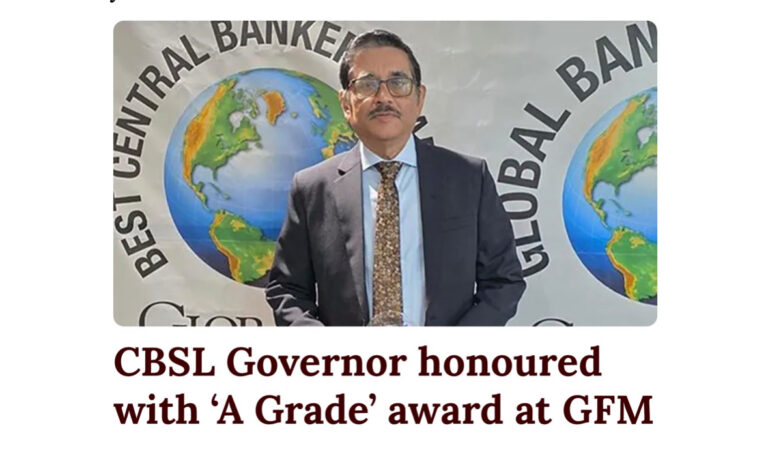
By Adolf
Sri Lankan banks are quietly profiting from a practice that has gone unchecked for far too long — adding unjustified margins of up to 10% on foreign currency transactions made through credit cards. This practice, particularly visible in the case of American Express with a staggering 10% margin, and Mastercard and Visa with margins ranging from 5% to 8%, is nothing short of a rip-off of ordinary retail customers. It is a silent tax on consumers, imposed by the banks and tolerated by a Central Bank that appears to have lost touch with the realities faced by the public.
While the Central Bank of Sri Lanka (CBSL) continues to host events, publish reports, and celebrate its so-called achievements, millions of cardholders are being penalized every time they use their credit cards for legitimate online or overseas transactions. The additional “foreign exchange conversion margin” — which banks claim covers exchange rate volatility and operational costs — is grossly excessive and far beyond international norms. In most developed markets, central banks and financial regulators strictly cap these margins at 1–2%, ensuring that consumers are treated fairly and transparently.
In Sri Lanka, however, the story is different. The banks, emboldened by regulatory inaction, have turned forex-related card transactions into a lucrative profit centre. The irony is that they would never dare to impose such steep margins on corporate clients or large exporters. Those customers are better informed, have bargaining power, and can access foreign exchange directly through market mechanisms. Retail consumers, on the other hand, are easy targets — their small, scattered transactions go unnoticed, and the extra costs are buried in complex exchange rate calculations that few can decipher.
The result is a deeply unfair two-tier system: one set of rules for powerful corporates, and another for ordinary citizens. Every time a Sri Lankan family pays for an online course, books a hotel abroad, or subscribes to an international service, they are effectively being charged 10% more than what the exchange rate justifies. This is not only anti-consumer but also economically regressive. It discourages legitimate spending, erodes trust in the banking system, and fuels resentment towards institutions that are supposed to protect the public interest.
The CBSL cannot continue to look the other way. As the regulator of the financial system, it has both the authority and the duty to stop this practice. The Central Bank’s silence amounts to tacit approval, allowing banks to report inflated profits at the expense of the very customers they are meant to serve.
If Sri Lanka aspires to build a modern, fair, and transparent financial system, it must start with basic consumer protection. The CBSL must immediately issue clear guidelines capping foreign exchange conversion margins for credit card transactions at international norms. Accountability must replace complacency. The time for half-measures is over — retail customers deserve fairness, transparency, and respect, not exploitation disguised as policy.
Over 700 Acres of Land Released in North and East – Deputy Defence Minister
Deputy Defence Minister Major General (Retd.) Aruna Jayasekara informed Parliament yesterday that over 700 acres of land in the Northern and Eastern Provinces have been released to the public so far this year (2025).
He said that between January 1 and October 10, a total of 672.24 acres of land in the Northern Province have been returned to the people. This includes 86.24 acres of privately-owned land and 586 acres previously occupied by the military.
In the Eastern Province, 34.58 acres of government land have also been released during the same period, he added.
The Deputy Minister further noted that issues surrounding land in Eechankulam, in the Vavuniya District, are currently being addressed and are expected to be resolved soon to facilitate public release.
He explained that the lands were released following the submission of relevant documentation to the National Security Council (NSC) and the Sectoral Oversight Committee on National Security.
Deputy Defence Minister Jayasekara made these remarks in response to a question raised in Parliament by Illankai Tamil Arasu Kachchi (ITAK) MP Pathmanathan Sathiyalingam.
India, Sri Lanka Urged to Strengthen Indian Ocean Protection
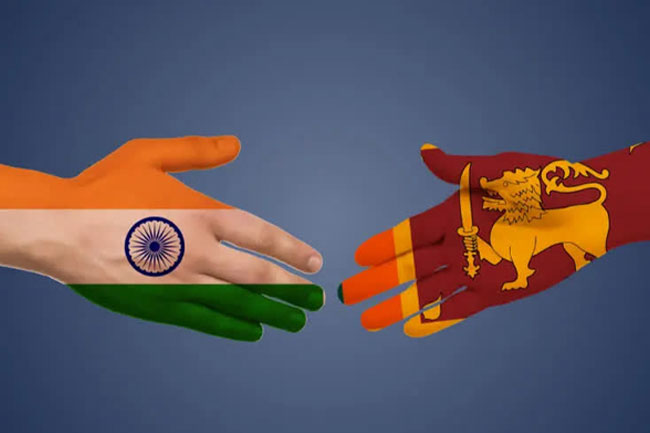
India’s incoming Chief Justice, Justice Surya Kant, has called for enhanced cooperation between India and Sri Lanka to protect the Indian Ocean, stressing that environmental collaboration is a matter of survival, not charity or diplomacy. His remarks came during an address at the University of Colombo on the second day of his three-day visit to Sri Lanka.
Justice Kant reflected on the historical significance of the waters separating the two nations, describing them as ancient conduits of culture, trade, and ideas. “The time has come for India and Sri Lanka to pioneer a regional model of environmental constitutionalism,” he said, urging both countries to lead by example in safeguarding the marine ecosystem.
During the visit, he also announced that a delegation of Sri Lankan Supreme Court judges is expected to visit India later this year or early 2026. The initiative, Justice Kant noted, aims to strengthen judicial dialogue and foster institutional collaboration between the two judiciaries.
Highlighting ecological interdependence, Justice Kant described the Indian Ocean as a historic bridge connecting the peoples of India and Sri Lanka through shared ecosystems, faith, and culture. Yet, he warned that beneath the calm waters of the Palk Strait, signs of ecological stress are mounting: oil spills drifting across shores, coral bleaching due to rising temperatures, and fishing communities whose livelihoods are increasingly precarious due to policy decisions made in both capitals.
The Palk Bay and Gulf of Mannar, once biodiversity-rich zones, now face severe pressure from overfishing, destructive trawling, and unregulated coastal activity. Recurring confrontations between Indian trawlers and Sri Lankan fishers, he explained, exemplify “a deeper ecological tragedy—competition for an exhausted resource base.”
Justice Kant also highlighted the impacts of climate change, including saltwater intrusion, microplastic accumulation, and uncoordinated disaster responses, urging both nations to share data, monitor ecosystems jointly, and implement coordinated policies to mitigate environmental degradation.
He emphasised the judiciary’s role as a “moral and constitutional guardian” of ecological balance, noting that both India and Sri Lanka have developed strong environmental jurisprudence. Justice Kant’s visit underscores the growing recognition that sustainable management of marine resources requires not just bilateral cooperation, but also a robust legal framework backed by institutional coordination.
By fostering judicial dialogue, promoting shared monitoring mechanisms, and addressing systemic environmental challenges, India and Sri Lanka could create a regional model for sustainable ocean governance, potentially inspiring similar frameworks across the Indian Ocean rim.
Government Assures Data Safety after Lanka Cloud Outage

Deputy Minister of Digital Economy Eranga Weeraratne yesterday assured Parliament that no government or citizen data was compromised following the unexpected collapse of the Lanka Government Cloud (LGC) on October 14, 2025.
“All sensitive citizen and institutional data remain fully intact,” the Minister emphasized, confirming that the National Cyber Security Operations Centre (NCSOC) had monitored the incident in real time and detected no unauthorized access or breach attempts.
The assurance came amid questioning from MP Ravi Karunanayake of the New Democratic Front, who sought clarity on the cause of the failure, accountability, and the government’s readiness to avoid similar disruptions in future.
Minister Weeraratne explained that the failure was not the result of a cyberattack but a technical fault caused by a storage disk reaching 100% utilisation, triggering an automatic shutdown protocol. This mechanism, he said, is a built-in safety feature designed to protect data integrity and prevent corruption.
“This was not a system-wide failure but a controlled shutdown,” Weeraratne clarified. “Services were restored by Saturday night, after comprehensive validation to ensure all data remained secure.”
Karunanayake pressed for transparency, urging the government to table a cybersecurity audit report and outline measures to rebuild confidence in the country’s digital infrastructure.
In response, Weeraratne unveiled a broad national cybersecurity strategy aimed at strengthening resilience and governance. Key measures include:
Full implementation of the national cybersecurity policy and mandatory penetration testing across government institutions.Identification of Critical Information Infrastructure (CII) in key sectors such as finance, health, and energy.
Establishment of a Cybersecurity Regulatory Authority (CSRA) with statutory enforcement powers.Ratification of the UN Cybercrime Convention to boost international cooperation.
Enhanced coordination with Sri Lanka CERT, TRCSL, CBSL, and licensed banks to combat phishing and digital fraud.
Karunanayake also proposed creating a National Cybersecurity Command Authority to centralize monitoring and emergency response. The Minister confirmed that cabinet approval processes are already underway to establish such a body under new legislation.