October 14, Colombo (LNW): In a move aimed at advancing Sri Lanka’s renewable energy capabilities, the government has given the green light to a time-sensitive tariff system designed specifically for battery energy storage systems paired with rooftop solar installations.
According to an official statement from the Ceylon Electricity Board (CEB), the newly approved framework will see electricity stored in batteries and supplied to the grid during peak evening hours—between 6:30 p.m. and 10:30 p.m.—purchased at a rate of Rs. 45.80 per kilowatt-hour.
This is expected to provide a strong financial incentive for solar energy producers to invest in battery storage infrastructure.
It is designed not only to reward efficient energy storage and timely contribution to the national grid but also to ease the strain on conventional power plants during high-demand periods.
By enabling households and small-scale producers to store excess energy generated during daylight hours and release it during the evening peak, the scheme is expected to play a critical role in reducing the country’s reliance on fossil fuel-based power generation—especially costly thermal energy imports.
New Tariff Scheme Introduced to Boost Battery Storage in Solar Energy Sector

Foreign Visitors Now Required to Obtain ETA Before Arrival Under New Visa Rule
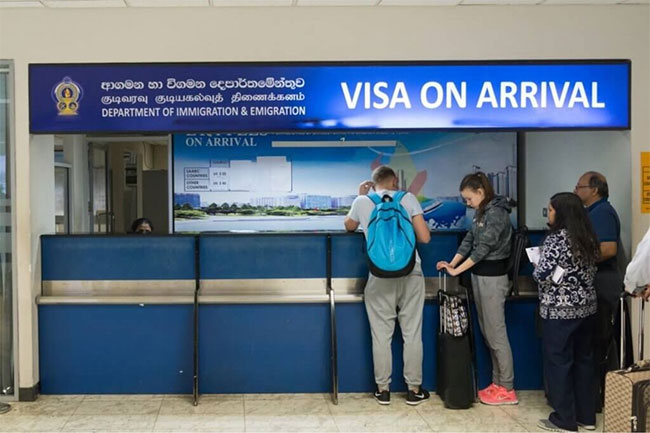
October 14, Colombo (LNW): Starting from tomorrow (15), all foreign nationals who qualify for a free tourist visa will be required to secure an Electronic Travel Authorisation (ETA) prior to entering the country, under a newly introduced immigration regulation.
This mandatory pre-arrival procedure applies even to those eligible for visa-free entry, signalling a significant change in the nation’s border control and visitor management policy.
Authorities state that the move is aimed at streamlining the entry process, enhancing national security, and ensuring better tracking of inbound tourists.
The ETA, which must be obtained online before travel, will serve as a preliminary clearance for entry and is expected to reduce delays at immigration checkpoints. Travellers who arrive without this authorisation may be denied entry or face administrative delays.
Heavy falls about 100 mm expected in many districts (Oct 14)

October 14, Colombo (LNW): Showers or thundershowers will occur at most parts of the island after 1.00 p.m., with heavy falls about 100 mm likely at some places in Western, Sabaragamuwa, Central, Northwestern and Uva provinces and in Galle and Matara districts, the Department of Meteorology said in its daily weather forecast today (14).
Showers may occur in Western and Southern provinces in the morning too.
Misty conditions can be expected at some places in Central, Sabaragamuwa, Uva and Northcentral provinces during the morning.
The general public is kindly requested to take adequate precautions to minimise damages caused by temporary localised strong winds and lightning during thundershowers.
KKS Port Revival: Northern Gateway or another Stalled Dream?
By: Staff Writer
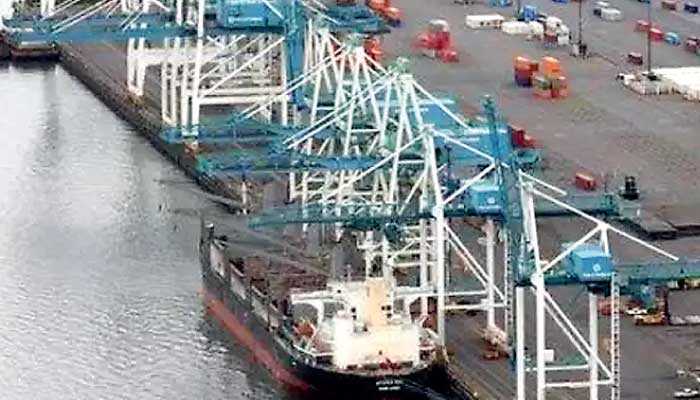
October 13, Colombo (LNW): The long-awaited Kankesanthurai (KKS) Port development project, initiated under the previous government, is again drawing attention as progress remains uneven despite renewed pledges of regional growth. Once envisioned as a northern maritime hub, the project was launched with a $60 million investment supported by India’s Exim Bank, aiming to transform KKS into a commercial port linking Sri Lanka to South India and regional trade networks.
According to the Sri Lanka Ports Authority (SLPA), nearly 70 percent of civil and dredging work has now been completed. The port’s basin has been deepened to 8.5 meters, enabling medium-sized cargo vessels to dock, while the reconstruction of three jetties is nearing final stages. The project’s second phase construction of a breakwater and modernization of storage yards has been delayed due to supply and funding constraints amid fiscal tightening.
Sources within the SLPA reveal that the initial feasibility studies projected KKS to handle 1.5 million metric tons of cargo annually within five years of completion. However, recent internal assessments suggest this target may fall short by nearly 30 percent, given the slower industrial recovery in Sri Lanka’s Northern Province and weaker domestic logistics linkages.
The port, once a naval base rendered inoperative during the civil conflict, has been a politically sensitive development priority. While the previous administration under the United National Party–led alliance positioned KKS as a “gateway to regional integration,” the new NPP government faces pressure to accelerate construction while ensuring transparency in foreign-funded projects.
Analysts point out that the project’s strategic proximity to India’s southern coastline makes it geopolitically significant. India has contributed over $45 million in grant and credit assistance, including dredging, breakwater construction, and navigational aid installations. Yet, the project’s operational model—whether under SLPA, a joint venture, or a public-private partnership—remains undecided, raising concerns about long-term sustainability.
Local business chambers in Jaffna argue that the port could stimulate agri-export trade, fisheries, and small-scale logistics, provided supporting road and warehousing infrastructure are built. However, delays in connecting the A9 highway logistics corridor and establishing customs facilities have left the project underutilized even as construction nears completion.
Environmental groups have also flagged concerns over dredging impacts and the absence of a transparent Environmental Impact Assessment (EIA) publication.
As of September 2025, project expenditure stands at Rs. 19.2 billion, with an estimated Rs. 7 billion still required for completion by mid-2026. While officials maintain optimism, insiders fear bureaucratic inertia and procurement disputes could stall the final phase.
For the Northern region, KKS port represents more than infrastructure—it symbolizes long-promised economic revival. But unless governance, transparency, and strategic planning improve, it risks becoming another incomplete monument of political ambition, rather than a functional maritime gateway to prosperity.
AI-Powered Grand Serendib Hotel Redefines Sri Lanka’s Tourism Vision

By: Staff Writer
October 13, Colombo (LNW): Sri Lanka’s tourism industry, which has weathered years of political instability and economic turbulence, is entering a transformative phase with the launch of the Grand Serendib Colombo the nation’s first AI-powered hotel project. The initiative, unveiled at the Shangri-La Hotel Colombo on October 10, symbolizes the new government’s push to integrate artificial intelligence (AI) and smart infrastructure into its broader tourism revival strategy.
The inauguration was attended by Minister of Foreign Affairs, Foreign Employment and Tourism Vijitha Herath, who called the project a “milestone investment” that will “redefine Sri Lanka’s smart hospitality landscape.” The event also marked the 20th anniversary of ABEC, the company spearheading the development. Joining the minister were Sri Lanka National Cricket Team Head Coach Sanath Jayasuriya, ABEC Premier Dilip K. Herath, and several diplomats and academics, emphasizing the project’s national significance.
The Grand Serendib Colombo is expected to incorporate AI across multiple service dimensions from personalized guest experiences and predictive maintenance to energy optimization and smart logistics. According to ABEC executives, AI-driven analytics will enable the hotel to anticipate tourist demand patterns, manage resources efficiently, and improve sustainability metrics.
This aligns closely with the government’s Smart Tourism Strategy 2025, which aims to reposition Sri Lanka as a tech-driven destination that blends digital innovation with its natural and cultural heritage. The Ministry of Tourism has already introduced digital visa processing, destination intelligence platforms, and AI-based visitor analytics to track spending, stay duration, and travel behavior.
Recent data from the Sri Lanka Tourism Development Authority (SLTDA) shows a 35% year-on-year rise in tourist arrivals during the first nine months of 2025, reaching nearly 1.7 million visitors, with India, Russia, and the UK leading source markets. Tourism revenue crossed USD 2.8 billion, a 28% increase compared to the same period last year a strong rebound supported by diversified promotional campaigns and improved air connectivity.
However, industry analysts caution that while tourist arrivals are rising, average spending per visitor remains stagnant, and infrastructure outside Colombo continues to lag. Projects like Grand Serendib are seen as test cases for integrating technology to enhance value addition rather than volume growth.
Minister Herath stressed that Sri Lanka must transition “from traditional sun-and-sand tourism to data-driven, sustainable hospitality.” He added that AI will play a pivotal role in “improving service quality, optimizing resources, and strengthening Sri Lanka’s global tourism competitiveness.”
Academics at the event highlighted that AI-based predictive models could help forecast seasonal trends, personalize marketing strategies, and reduce operational inefficiencies areas long neglected in Sri Lanka’s tourism sector.
As the island prepares for its Tourism Vision 2030, which targets USD 10 billion in annual revenue, the Grand Serendib Colombo stands as a symbol of innovation-led recovery. It represents not only a step toward smarter tourism but also a broader shift in how Sri Lanka leverages technology to rebuild confidence, attract investors, and reshape its global image as a next-generation tourism hub in South Asia.
Sapugaskanda Refinery’s Fate Tied to Sinopec’s Mega Investment
By: Staff Writer
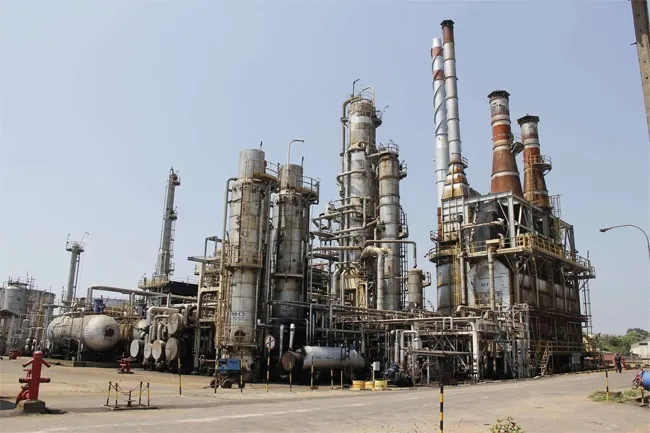
October 13, Colombo (LNW): The future of Sri Lanka’s petroleum refining sector hangs in balance as the Sapugaskanda Oil Refinery modernisation project becomes a key test of investor confidence and energy security. While the government has received 20 Expressions of Interest (EOIs) to expand the country’s only refinery, the outcome could directly influence Sinopec’s $3.7 billion Hambantota refinery investment, currently under review.
Built in 1969, the Sapugaskanda Refinery operated by the Ceylon Petroleum Corporation (CPC) has long struggled with outdated technology, limited refining capacity, and dependence on imported refined fuels. Despite minor upgrades, it continues to process only 38,000 barrels per day, meeting less than 30% of the nation’s fuel demand. The remaining requirement—nearly 2.5 million tonnes of refined products annually is met through costly imports, straining foreign reserves and energy stability.
The government’s EOI call earlier this year sought global investors to modernize and expand Sapugaskanda’s capacity to 100,000 barrels per day under a public-private partnership model. Industry sources say major energy players, including Sinopec, Vitol, and Indian Oil Corporation, have expressed interest.
However, the evaluation results expected this month are viewed as a “decisive signal” for foreign partners. Sinopec, which signed an agreement to build the 200,000-barrel-per-day Hambantota refinery, has reportedly tied part of its decision to the direction of Sapugaskanda’s development. The Chinese state-owned company is also seeking an increased local market share from 20% to 40%, a request yet to be approved by the government.
Analysts warn that the government’s hesitation could deter further investment, especially at a time when Sri Lanka needs long-term energy partnerships to reduce import dependency. The Hambantota refinery if completed would be the largest in South Asia, capable of generating significant export revenue and enhancing the island’s refining self-sufficiency.
Meanwhile, Sapugaskanda continues to operate at near full capacity, but with outdated infrastructure. According to the Public Utilities Commission of Sri Lanka (PUCSL), annual production efficiency has fallen by nearly 15% over the past decade due to frequent maintenance shutdowns and declining crude processing flexibility.
The facility also faces challenges in handling different crude blends, limiting its competitiveness. Industry experts stress that modernization is essential to accommodate low-sulfur and alternative crude grades, which would align Sri Lanka with global energy transition trends.
The success or failure of the Sapugaskanda expansion will determine whether the island can finally transition from being a net importer of refined fuels to a regional energy hub. With total refinery-linked investments exceeding USD 6.7 billion across Hambantota and Sapugaskanda, the coming months will reveal whether Sri Lanka’s energy sector can balance foreign partnerships, modernization goals, and market liberalization without compromising sovereignty or transparency.
Hamas Releases Final Living Israeli Hostages as Ceasefire Takes Hold

By: Pramod Chinthaka Peiris
October 13, World (LNW): In a dramatic turn in the Gaza conflict, Hamas on Monday released all 20 remaining living Israeli hostages held in Gaza for over two years, under the terms of a U.S.‑brokered ceasefire deal.
The releases marked a rare moment of reconciliation amidst a brutal conflict that erupted in October 2023. Parents, spouses and children reunited in emotional scenes as those freed were taken in by medical teams for health checks and debriefing before reuniting with families.
As part of the agreement, Israel began releasing nearly 2,000 Palestinian prisoners and detainees.
Meanwhile, Hamas deployed fighters in Gaza in a show of internal strength, positioning armed militants at key locations including hospitals.
Ceasefire now in effect — for now
The ceasefire officially went into force on October 10, allowing for this prisoner‑exchange to be implemented.
The deal envisions multiple phases: first, the release of hostages in exchange for detainees, then later negotiations on disarmament, governance of Gaza, and the future role of Hamas.
Israeli leaders and the U.S. have framed this first stage as a test — one that could open a path to a more durable peace or collapse under renewed hostilities.
Power play behind the scenes
Hamas’s deployment of fighters during the handovers is seen by many analysts as an effort to maintain internal legitimacy and signal it retains control even amid concessions.
Israeli sources confirmed they had received the first seven hostages and anticipated the rest would follow later Monday, along with the return of the remains of deceased hostages.
For Israel, the release comes after a costly two‑year military campaign that devastated much of Gaza.
Prime Minister Benjamin Netanyahu’s government gave preliminary approval to the ceasefire deal earlier this week.
But tougher talks lie ahead: Israel insists any lasting deal must include Hamas’s disarmament and handover of security control in Gaza.
A fragile peace, with high stakes
As freed hostages make their way home, the fragile truce offers a reprieve from years of violence. But the true test lies in whether the parties can negotiate and enforce the more difficult political arrangements to follow. Observers caution that any violation or delay could reignite conflict just as quickly as it subsides.
Meanwhile, humanitarian agencies hope the pause will allow more aid to reach vulnerable Gazans, many of whom have endured dire conditions during the war. The ceasefire agreement stipulates increased flows of food, fuel, medicine and reconstruction supplies into Gaza.
For families across Israel, the emotional relief is palpable. For the region, the moment offers cautious optimism — tempered by suspicion and the fragile balance that still must be negotiated.
IMF-Driven Company Law Reforms Shake Up Sri Lankan Corporates
By: Staff Writer
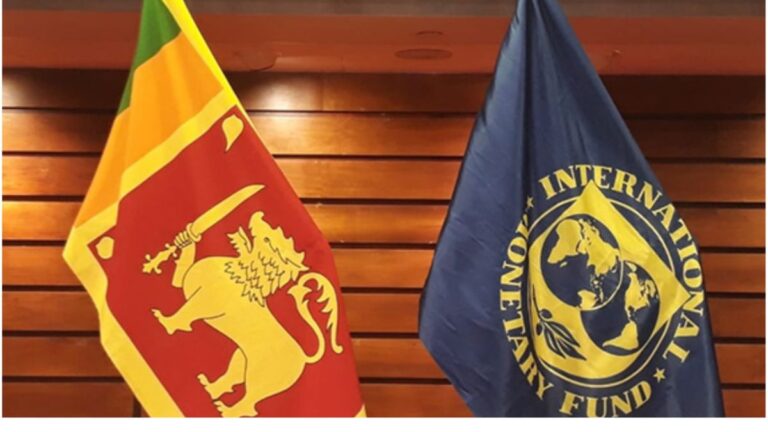
October 13, Colombo (LNW): The newly enacted Companies (Amendment) Act No. 12 of 2025 has sent ripples across Sri Lanka’s corporate landscape, marking one of the most significant legal overhauls in nearly two decades. Enforced under the guidance of the International Monetary Fund (IMF) as part of its broader governance reform agenda, the amendment introduces mandatory beneficial ownership (BO) disclosure, demanding unprecedented transparency from corporate entities.
Introduced on August 4, 2025, the reform strengthens the Companies Act No. 7 of 2007, compelling businesses to reveal their ultimate owners to regulators. According to experts at a recent Deloitte Sri Lanka webinar titled “Reforming Today for a Resilient Tomorrow,” the amendment will reshape how companies operate, govern, and report.
Delivering the keynote, Dr. Harsha Cabral, PC and Chairman of the National Savings Bank, traced Sri Lanka’s evolving corporate law journey, noting that institutions such as the FATF, World Bank, and UNODC have long urged transparency to combat money laundering, tax evasion, and corruption. The new Act aligns Sri Lanka with international standards, enforcing strict accountability obligations on directors, secretaries, and shareholders.
Cabral described the move as “a cultural shift, not merely a legal update,” that will alter corporate behavior. Under the amendment, entities must disclose any individual holding 10% or more of ownership, a requirement expected to expose layered ownership structures previously hidden behind shell companies and nominee accounts.
Shivandini Liyanage, Senior Vice President Legal Enforcement & Compliance at the Colombo Stock Exchange (CSE), revealed that the Central Depository Systems (CDS) will begin overhauling its internal systems to comply with the law. Though regulations are yet to be finalized, companies will be required to modernize data management systems, train staff, and strengthen due diligence.
Meanwhile, Registrar of Companies Shyama Harshani announced that seven mandatory BO forms (B01–B07) will soon be introduced through the eROC portal, with all beneficial ownership data stored in a centralized registry accessible to regulators—and partially to the public. Companies that fail to comply will face hefty penalties and regulatory sanctions, she warned.
Corporate compliance teams, already stretched thin by new ESG and financial reporting standards, are bracing for additional costs. According to Deloitte’s panelists, many small and medium-sized enterprises (SMEs) lack the digital infrastructure to meet these demands, raising fears of uneven compliance across sectors.
In response, Deloitte unveiled its Green BO Flow, an automated system that digitizes ownership data collection while promoting paperless, ESG-compliant operations. The firm’s Director of Corporate Secretarial Services, Disna Perera, said the reform “raises the bar for corporate governance,” urging companies to view compliance not as a burden but as a competitive advantage.
However, industry insiders note that increased transparency could expose politically linked entities and dormant shell companies creating friction in a corporate ecosystem long accustomed to opacity. While the IMF-backed reform aims to rebuild global confidence, the immediate challenge for Sri Lankan firms will be balancing compliance costs with operational efficiency amid a tightening regulatory net.
In essence, the Companies (Amendment) Act No. 12 of 2025 represents more than just a reform—it’s a litmus test for Sri Lanka’s commitment to corporate integrity in the post-crisis era.
LMD 100 recognises Hayleys as Sri Lanka’s leading listed corporate for 2024/25
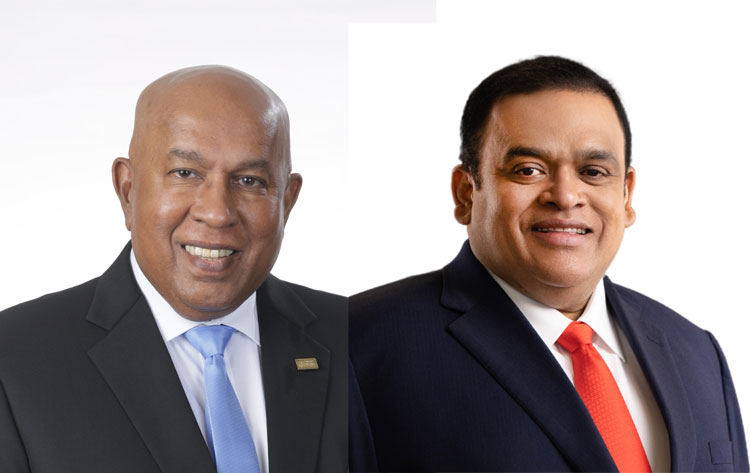
Daily FT : Hayleys PLC has been ranked as Sri Lanka’s leading listed corporate in the 32nd edition of the LMD 100, securing the no. 1 position for the 10th time since the ranking’s inception in 1995. This recognition underscores the Group’s longstanding role as a centrepiece of the Sri Lankan economy and a benchmark of resilience, innovation, and sustainable value creation.
For the financial year 2024/25, Hayleys achieved a record-breaking consolidated revenue of Rs. 492.2 billion, reflecting a 13% year-on-year (YoY) increase and marking the highest in the Group’s 148-year history. Profit Before Tax (PBT) rose to Rs. 35.4 billion, a growth of 40%, while Profit After Tax (PAT) reached Rs. 22.5 billion, representing a 52% increase compared with the previous year.
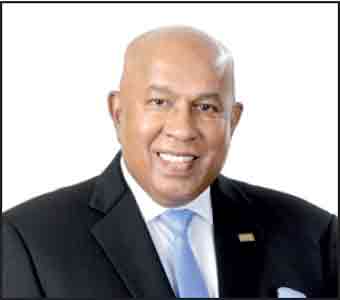
Hayleys Chairman and Chief Executive Mohan Pandithage
An export income of $ 685 million contributed 53% of the Group’s total revenue, while reaffirming Hayleys’ role as a key driver of foreign exchange earnings.
The Group continues to be one of Sri Lanka’s largest private sector employers, with a workforce of 38,000, while supporting over 27,000 indirect livelihoods across its value chains. In 2024/25, Hayleys contributed Rs. 152 billion in cumulative economic value through payments to the Government, employees, lenders, and nearly 13,000 shareholders.
Hayleys has a diversified presence across 16 industry verticals and operations in over 20 countries. Its export leadership includes serving close to 5% of global demand for household and industrial, supported and unsupported rubber gloves, and a commanding 16% global market share in coconut shell-based activated carbon. The Group is also Sri Lanka’s largest manufacturer and exporter of fabric, aluminium extrusion profiles, processed fruits and vegetables, hybrid flower seeds, and tissue culture plants.
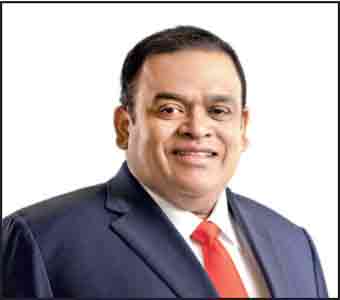
Hayleys Co-Chairman and Non-Executive Director Dhammika Perera
Hayleys PLC Chairman and Chief Executive Mohan Pandithage said: “Securing the no. 1 position in the LMD 100 for the 10th time reflects not only our financial strength, but also the dedication of our teams across Sri Lanka and in over 20 countries of operation. This recognition belongs to our 38,000+ employees and the many thousands of small-scale partners who power our value chains. Their unwavering efforts are the foundation for our continued progress in innovation, diversification, digital transformation, and Environmental, Social and Governance (ESG) integration.”
“At Hayleys, our mission has always been clear – to earn for the country, empower communities, and create enduring value for stakeholders. With Sri Lanka’s macroeconomic conditions showing signs of stabilisation, we remain confident in the opportunities ahead and will continue to invest in progress that strengthens both the nation and our Group,” he added.
As one of Sri Lanka’s most socio-economically impactful organisations, Hayleys has long championed inclusive business models that connect rural smallholder communities to global markets. From training and fair buyback agreements for agri farmers, to the ‘First Light’ program for rubber smallholders and the ‘Harith Angara’ initiative empowering coconut-based charcoal suppliers, the Group embeds fairness, sustainability, and security into its value chains. These partnerships, recognised internationally for their social impact, ensure that economic growth is not only export-driven but inclusive, strengthening livelihoods across Sri Lanka.
The Group also retained its national long-term rating of ‘AAA (lka)’ from Fitch Ratings in March 2025, reflecting disciplined governance and strong balance sheet management. Reinforcing its sustainability commitments, 74% of the Group’s energy consumption is now derived from renewable sources, driving a 14% reduction in greenhouse gas emission intensity (Scope 1 and 2) over the past year.
Police Officer Released on Bail Following Alleged Assault of Lawyer at Mount Lavinia Court

October 13, Colombo (LNW): A police constable who was taken into custody in connection with an alleged assault on a legal practitioner within the precincts of the Mount Lavinia Magistrate’s Court has been released on bail.
The incident is said to have occurred on Friday (10), and the officer appeared before the court again today (13) where he was granted bail under strict conditions.
The bail was granted on the basis of two sureties, each valued at Rs. 100,000. The magistrate’s decision to release the constable comes amid ongoing investigations into the altercation, which reportedly unfolded in a public area of the courthouse.
In an additional report submitted to the court—commonly referred to as a ‘B report’—police indicated that the attorney involved, identified as Gunaratne Wanninayake, had allegedly used abusive and provocative language towards the constable prior to the incident. This development has added a layer of complexity to the case, raising questions about the circumstances that led to the confrontation.
According to police, Mr Wanninayake has neither presented himself before the court nor provided an official statement to investigators thus far. His absence has prompted concerns over the completeness of the available evidence and the impartiality of witness accounts.