Home Blog Page 391

UK Supports Sri Lanka’s Organic Sector with Key Regulatory Alignment Initiative

0

A workshop organized under the UK Trade Partnerships (UKTP) Programme has set the stage for aligning Sri Lanka’s organic regulations with Britain’s organic standards, a move expected to enhance the country’s competitiveness in the global organic market.

The event, jointly hosted by the International Trade Centre (ITC) and the Sri Lanka Export Development Board (EDB), brought together regulators, industry experts, and organic farmers to discuss crucial regulatory updates.

“This initiative is a significant step towards gaining recognition from the UK’s Department for Environment, Food & Rural Affairs (DEFRA), helping Sri Lanka strengthen its position in the international organic market while reducing certification costs. It will also encourage more farmers and processors to adopt organic practices,” the EDB stated.

Under the UKTP Programme, Sri Lanka has been identified as a key beneficiary in the organic sector. The initiative aims to leverage Economic Partnership Agreements (EPAs) and the UK’s Developing Countries Trading Scheme (DCTS) to expand trade opportunities between Sri Lanka, the UK, and the EU.

Previous collaborations between ITC and EDB have already led to amendments in Sri Lanka’s Organic Regulation (Gazette) to align with Great Britain’s standards, a crucial step toward achieving mutual recognition with other international organic certification systems, including the EU’s.

The workshop facilitated in-depth discussions on essential regulatory changes, organic certification, labeling requirements, import regulations, and control mechanisms needed to strengthen Sri Lanka’s organic sector.

With global demand for organic products rising, the event provided valuable insights into upcoming regulatory changes and reinforced collaboration between the public and private sectors. This partnership aims to establish a sustainable and internationally recognized organic agriculture framework in Sri Lanka.

Sri Lanka and Viet Nam Strengthen Trade Through Logistics and Maritime Connectivity

0

Sri Lanka and Viet Nam are working to enhance trade relations by focusing on improved shipping and logistics connectivity. Recognizing the importance of streamlined trade processes, industry leaders and policymakers from both nations recently engaged in discussions to explore new opportunities for collaboration in these sectors. Strengthening maritime links is seen as a key step toward maximizing economic benefits and fostering long-term partnerships.

As part of these efforts, the Sri Lanka Export Development Board (EDB) hosted a webinar aimed at promoting Sri Lanka’s logistics capabilities in the Vietnamese market. The discussions centered on increasing trade efficiency, integrating supply chains, and making strategic investments to drive growth.

The EDB emphasized the need for stronger maritime connectivity and closer cooperation to unlock the full trade potential between the two countries. EDB Chairman Mangala Wijesinghe highlighted the importance of reinforcing partnerships in logistics and shipping to optimize supply chain networks. Sri Lanka’s Ambassador to Viet Nam, Poshitha Perera, also underscored the potential for significant growth through enhanced infrastructure and connectivity.

Industry experts from both countries provided insights into key aspects such as port development, investment prospects, regulatory frameworks, and best operational practices. The webinar featured presentations from Deputy Director of BOI Sudath Jayasekara, Head of Commercial at Hayleys Advantis Free Zone Ltd Rajiv Fernando, GAC Group of Companies Director – NVOCC & Logistics Navin Perera, and Viet Nam Logistics Business Association (VLA) Head of Logistics Services Department Pham Thi Lan Huong.

These discussions covered critical topics related to logistics development, supply chain efficiency, and investment opportunities, laying the groundwork for future business collaborations. The event attracted strong participation from members of the Viet Nam Logistics Business Association, with over 40 industry professionals in attendance, signaling growing interest in strengthening trade ties through a more connected and efficient logistics sector.

Empowering Sri Lankan Women Entrepreneurs for Global Trade

0

Women entrepreneurs in Sri Lanka’s agricultural sector are gaining new opportunities to expand their businesses globally, thanks to a strategic partnership between Germany and Sri Lanka. With international trade becoming increasingly competitive, equipping women-led enterprises with the right skills, market knowledge, and industry connections is crucial for sustainable growth.

Recognizing this need, the German Import Promotion Desk (IPD), in collaboration with the Sri Lanka Export Development Board (EDB), has launched the second phase of the EDB-IPD Women-Led Exports capacity-building programme. This initiative focuses on enhancing the export potential of 20 women-led agribusinesses by providing specialized training, technical expertise, and exposure to international markets.

IPD Germany’s Angie Martinez emphasized that establishing global trade links is essential but must be supported by ongoing capacity development. “This programme is not just about preparing women entrepreneurs for exports but ensuring their sustainability in global trade,” she said, stressing the importance of continuous mentorship for long-term success.

Since its launch in December 2023, the programme has strengthened the capabilities of women entrepreneurs in the agri-food sector, helping them meet international standards and establish trade connections with European markets, according to the EDB.

German Ambassador Felix Neumann reaffirmed Germany’s commitment to empowering women economically and fostering sustainable trade relationships. Meanwhile, EDB Chairman and CEO Mangala Wijesinghe underscored the importance of structured export support, continuous mentorship, and market access in ensuring that women-led businesses thrive internationally.

Wijesinghe outlined export targets for the next five years and encouraged participants to leverage these opportunities. He assured that the EDB would continue providing long-term business development support, access to international buyers, and ongoing mentorship to ensure the programme’s success.

By equipping women entrepreneurs with the necessary tools and global exposure, the initiative aims to create lasting economic opportunities and strengthen Sri Lanka’s position in international trade.

Sri Lanka and Indonesia Strengthen Ties in Trade, Tourism, and Technology

0

Prime Minister Dr. Harini Amarasuriya and Indonesia’s Ambassador to Sri Lanka Dewi Gustina Tobing held discussions yesterday on expanding cooperation in trade, tourism, technology, and education.

During their meeting at Parliament, both parties reaffirmed their commitment to strengthening bilateral relations and enhancing diplomatic and economic ties for mutual benefit.

Key Areas of Discussion:

  • Trade & Agriculture: Boosting trade partnerships, including palm oil imports and organic liquid fertiliser introduction for Sri Lanka’s agriculture sector.
  • Tourism Development: Expanding tourism exchanges, with a special focus on religious tourism as a growth sector.
  • Technology & Transportation: Exploring collaboration in the IT industry and integrating electric vehicles into Sri Lanka’s public transport system.

The meeting was attended by Prime Minister’s Additional Secretary Sagarika Bogahawatta and Foreign Affairs Ministry officials. Deputy Ambassador Fiki Oktanioand and Minister Counsellor Lailal K. Yuniarti represented Indonesia.

63% of Sri Lankan Children Suffer from Tooth Decay, Oral Cancer Most Common Among Men

0

staggering 63% of preschool and primary school children in Sri Lanka suffer from tooth decay, while nearly half of the adult population is affected by gum diseases, according to Health and Mass Media Minister Dr. Nalinda JayatissaOral cancer has also been identified as the most common cancer among Sri Lankan men.

Speaking at the National Celebration of World Oral Health Day at Galle Face Green, Dr. Jayatissa emphasized that poor personal habits, such as excessive sugar consumption, infrequent brushing, lack of fluoride toothpaste use, smoking, betel chewing, and alcohol consumption, are major contributors to oral diseases.

Government’s Response & Initiatives

  • Rs. 81.5 million has been allocated for oral healthcare improvements in the first quarter of 2025.
  • Education Ministry Circular introduced to protect the oral health of 4 million schoolchildren.
  • Nationwide educational campaigns in schools and preschools to promote preventive care and treatment.
  • Promotion of fluoride toothpaste use as a key dental hygiene practice.

Currently, 1,700 dental professionals, including specialist surgeons, general dentists, and school dental therapists, provide oral healthcare under the Health Ministry. School dental therapists play a crucial role in treating Grade 1 to Grade 7 students.

The event, themed “Healthy Mouth–Healthy Mind”, was organized by the Health Ministry, Sri Lanka Dental Association, and International Dental Federation. Officials including Health Ministry Secretary Dr. Anil JasingheDeputy Director General of Dental Services Dr. Chandana Gajanayake, and Sri Lanka Dental Association President Prof. Ruwan Jayasinghe were present, along with schoolchildren, university students, and dental professionals.

MP Harsha de Silva Calls for Urgent Taxation of Online Casinos

0

SJB MP Dr. Harsha de Silva has criticized the government for failing to impose casino fees and taxes, despite multiple appeals.

He highlighted that Sri Lanka currently lacks a dedicated casino regulatory authority, preventing the taxation and regulation of online casinos, which operate untaxed across the country.

“Online casinos are everywhere. They don’t pay even a cent in taxes,” Dr. de Silva stated, urging the government to at least introduce interim taxation measures until a comprehensive regulatory framework is established.

PM Amarasuriya: System Change Underway, Budget Reflects People’s Expectations

0

Prime Minister Dr. Harini Amarasuriya asserted in Parliament that the system change demanded by the people is already in motion, as reflected in the discussions and criticisms surrounding the government’s first budget.

Speaking during the Committee Stage Debate on the Budget, the Prime Minister emphasized that extensive consultations with trade unions, institutions, and individuals had strengthened the budget. She dismissed the opposition’s criticism as unproductive and ego-driven, lacking constructive alternatives.

Dr. Amarasuriya explained that true system change disrupts power structures and restructures relationships in society. She noted that those most affected by these changes were individuals who had previously misused power for personal gain, reaffirming the government’s commitment to dismantling such privileges and fostering a democratic, fair, and investment-friendly environment.

The Prime Minister highlighted growing trust in the public service sector, allowing officials to operate without undue pressure. She also emphasized that marginalized communities, including women, children, and persons with disabilities, are receiving meaningful support under the new government.

On unemployment, Dr. Amarasuriya clarified that the government prioritizes sustainable development opportunities over short-term job placements, attributing past delays to poor decisions by previous administrations.

In conclusion, she assured that both public officials and elected representatives are dedicated to ensuring inclusive economic growth, with the new budget paving the way for long-term benefits for those previously left behind.

WEATHER FORECAST FOR 22 MARCH 2025

0

Showers or thundershowers will occur at several places in Western, Sabaragamuwa, Central, North-western and Northern provinces and in Anuradhapura, Galle and Matara districts after 2.00 p.m. Fairly heavy showers above 75 mm can be expected at some places in Western, Sabaragamuwa and North-western provinces and in Galle and Matara districts.

Several spells of showers may occur in Eastern and Uva provinces and in Hambanthota and Polonnaruwa districts.

Misty conditions can be expected at some places in Western, Sabaragamuwa, Central and Uva provinces and in Galle and Matara districts during the morning.

The general public is kindly requested to take adequate precautions to minimize damages caused by temporary localized strong winds and lightning during thundershowers.

PERSONAL REMINISCENCES OF RANASINGHE  PREMADASA – THE RARE POLITICIAN

0

I was more than pleased to read a letter of appreciation that appeared in a National Newspaper sometime ago, on our former President Ranasinghe Premadasa, to coincide with his 100th Birth Anniversary.

THE BEGINNING

I knew about him as a school boy from mid 1950s living in Hultsdorf close to the Technical College not too far from where he lived. He was a close friend of my father who waseven invited to his wedding reception that was held at the modest Kehelwatta Community Center Hall, a poor man’s venue for receptions. Mr. Premadasa did his initial schoolingat Lorenz College, a private school at Skinners Road now called Sri Saranankara Mawatha that was subsequently closed down, which was next to St.Sebastian’s Church. He later entered St.Joseph’s College, Maradana and came under the Sinhalese Scholar Rev.Fr.D.J.Anthony. But thanks to my memory I knew about him even earlier because he and my maternal uncle contested the Colombo Municipality Elections under the Labour Party banner led by A.E.Goonasinghe. Premadasa contested the KeselwattaWard also known as St.Sebastian’s Ward and won defeating the U.N.P. candidate Harry Silva the Sitting Member and a relative of my family. My uncle lost contesting St.Paul’sWard that had a Tamil speaking majority.  Vincent Pereralater a U.N.P. Minister successfully contested the New Bazaar Ward at Grandpass. Later Premadasa and others joined the U.N.P. because leader A.E. Goonasinghe switched alliance to the Green Party under Dudley Senanayake and became a trusted protégé under Dudley. In my adult life I did have the good opportunity to indirectly work for himwhen President until his tragic end.

PRAGMATIC POLITICAL LEADER

In the context of the above said letter I thought it is fitting to supplement what was said with my personal experience on President Premadasa not only as a politician but also otherwise. Premadasa was a workaholic. He was late to bed and very early to rise before the cockcrow and was in the habit of reading the first edition of National Newspapers and also other newspapers. When he was President his reaction was instant in response to any negative news item that felt into the ambit of State Governance and Ministers and Officials alike were on pins when their telephone rang at an ungodly morning hour. As a Private Secretary to a then Minister I knew it.  He led from the front shedding all luxuries that was afforded to the Head of State living at his modest family home “Sucharitha in Hultsdorf.

He became the Deputy Mayor of the Municipal Council and the people collected contributions to buy him a Morris Minor Car which he himself chauffeured for a long time largely for his official travelling. He was unbelievably simple in his habits even as the President. He regularly used to bathe at the Dias Place public well water bathing facility close to his home sometimes cleaning his teeth with a piece of charcoal kept for common use. His favourite breakfast was a ‘Roast Pang’ from the bakery with a piece of Maldives fish and a parippu wade with a cup of plain tea to go with. He deplored lavish spending for State functions and Ministers were under tight control. He was the only President who never travelled abroad in his official capacity as Head of State.

Mr.Premadasa was the real Mr.Clean. No one has ever accused him for corruption or nepotism. He led the country amidst strong storms and tides both within and without. He did carry out his Scio-Economic Empowerment Programmesfighting two nationally damaging revolts the LTTE in the North and Marxist JVP youth in the South and astutely kept the Nation going. The JVP’s first lesson to its’ cadres was hate against India for their Imperialistic expansionism and as such opposed Indian forceful intervention and involvement in the North but paradoxically chose to attack fellow Sinhalese who opposed them and National assets in the South that weakened the Government strength to oppose both the Indian intervention and LTTE terrorism.

The JVP insurgents killed Sinhalese unarmed civilians in tandem with the L.T.T.E. and mercilessly so and in hundreds for its’ political attachments or for refusing to obey their commands. Day to day civilian life was interrupted at a short notice with commands by a note of a short letter with the threat ‘obey or die”Schools, Institutions and Hotels had to be closed and transportation both public and private was banned from plying on the roadsOne many such occasions I had to walk to my office in Hultsdorf from Delkanda,Nugegoda and back, for the fear of losing my job at a Newspaper Office. I cursed them for the agony I suffered. The bloody JVP insurrection as such was both treacherous and traitorous which if successful would certainly have destabilized the country changing the entire landscape of the Nation with Marxist and Socialist contours making us another Cuba or a North Korea.

There is a strong misconception and mostly heresayattributed to the irresponsible social media that Premadasaordered the killing of Rohana Wijeweera which I wish to rebuff on my personal understanding from a position of reliable information. Birg.Janaka Perera a war hero was a very close friend of my and a schoolmate who shared many happenings with me. It was Janaka and his men who apprehended Wijewera when hiding under a bed . Janakapointed his revolver to the head of Wijeweera who confirmed his real identity and was brought to Colombo. No sooner Premadasa was informed of the capture of Wijeweera’s he wanted him not to be harmed.Premadasahad other ideas of using Wijeweera for a heavy political mileage. But the Army top brass hated Wijeweera for the notorious character of a mass killer he was and the potential danger if he lived. The Army saw him as a traitor for his act of launching simultaneous attacks on the KatunayakeAirforce Base and the John Kotalawela Defence Academy on 17th June 1987 when Vadamarachchi Operation was under way in the North. The Army hurriedly got rid of Wijeweerawhen Premadasa telephoned his intentions to Gen.CecilWaidyaratne wishing to meet Wijeweera. This fact seems to be distorted in the social media.Unfortunately neither JanakaWaidyaratne or Algama are alive to vouch for the truth. When the country by and large rejoiced the elimination of Wijeweera for his wickedness, Premadasaopenly lamented.    

Premadasa unlike other political families did not wish is son Sajith to enter politics because he knew it was too dirty. I am well aware that he once took a former Provincial Councilor namely Duncan Fernando to task for attempting to do so

ACHIEVEMENTS FOR THE COUNTRY

I was good fated to work for a Minister in his personal staffwhen Premadasa was President and was close enoughindirectly though to appreciate his thoughts and action for the good and welfare of the people which I did not find in other leaders.

Acting on the Report for the causes of the Youth Insurrection, in 1988 he had the Examination Department run Open Competitive Examination overseen by the Home Affairs Ministry then under Festus Perera for new appointments to the State Sector purely on merit free from political or other interference. Many who got chosen were from rival political parties. I was a witness when the first batch of appointment letters were presented at a ceremonyat the Home Affairs Ministry. Sadly this was done away with by his successors.

If SWRD was referred to as the father of Local Government,Premadasa was the foster father of local government having contributed perhaps more to local governance. He decentralized State Administration to the doorstep of the people through the establishment of Divisional Secretariatsto cover every Electorate.

He pioneered the re-awakening of the Village through GamUdawa Movement under which programme roads were renovated and carpeted, mud houses along the roadwaywere replaced with bricks and tiled roofed houses and the villager were given the experience of the administration in the Capital City. Most importantly Gam Udawa had a mobile State Service with the participation of all State Ministries with respective Ministers and Officials to provideinstant redress to village grievances. State spending on GamUdawa was minimized by him through the involvement of the private sector. 

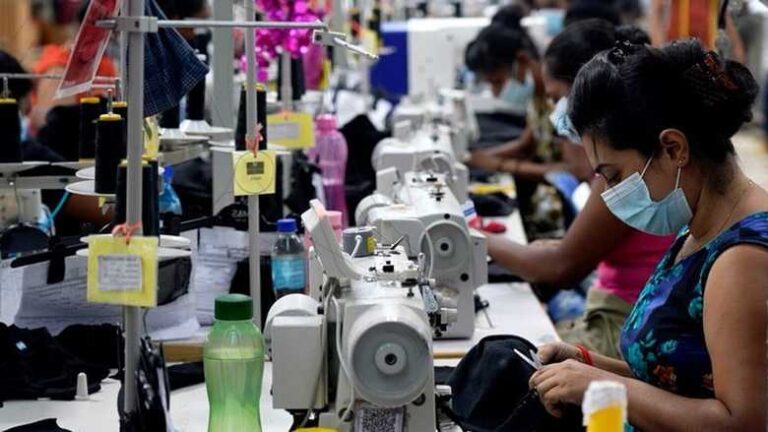
He pioneered the setting up of Garment Factories to be set up in every electorate for both employment generation and export earnings. Garments exports became a principal source of foreign exchange earning to boost the economy, which it still does.

He pioneered the self –help programme for the poor naming it “Janasaviya”, a free financial assistance scheme to rise from the state of poverty to be a contributing citizen.Janasaviya continues under changed names to the fancy of changing governments.

Today many have forgotten his Foster Parent Scheme for the adaptation of poor children by volunteer families.

Premadasa was the pioneer in the housing programme for the middle and lower classes “ hisata sevanak’ and was instrumental in building the Maligawatta Housing Scheme.

A soccer player and a sports fan the sprawling SugathadasaStadium Complex and the Kettarama Cricket Stadium he built stand out as monuments to his service to sports in the country. Site of the Sugathadasa Stadium was a garbage dump initially which was filled into a football field by Sugathadasa before it was constructed to the Stadium it is by PremadasaHis modesty and humility is displayed by his strict instructions that Structures built on State money should never be named after himself. Sugathdasa in his day as Minister of Sports did yeoman service for the development of sports especially football and the Stadium was rightfully monumented to his service.Another matter many do not know was his contribution for performing arts and music. He was highly fond of music and had a photograph of himself either playing the serapina or the violin. He renovated and refurbished the Elphinston Hall at Maradana junction for staging of dramas and as a school of dancing and created the Foundation to assist retired and aged artists.

What many do not know was the resolve President Premadasa had to defeat Prabakaran after the traitorous killing of policemen by the LTTE in Batticoloa who surrendered on Premadasa’a instructions. Premadasa deeply pained by Prabakaran’s unexpected and heinous act thereafter was planning to bolster the strength of the Armyas required to defeat Prabakaran executing the Strategic Plan of Major General Cecil Waidyaratne which strategyeventually defeated Prabakaran in 2009. I strongly believethat Prabakaran had Premadasa killed on being aware of the potential threat if he remained in power. Prabakarannever did attempt to strike JR, Wijetunga, Mahinda or Raniland the attempt on CBK was suspiciously half hearted which failure in fact helped her to be re-electedD.B.Wijetungawho became interim President undid Premadasa’s plans and Prabakaran was relieved.

MISCALCULATING THE YEARS OF CURSE

A unique feature of our countrymen is that good work is neither appreciated as deserved and is quickly forgotten.Many politicians took the lead to scornfully speak of 77 years of curse since independence castigating all Heads of State and Governments that governed for a so calledsuffering. This is pure political rhetoric and contentious. There were times since 1948 when countries in our Region were jealous of us wished to emulate our strategies including Singapore. We had the “Kallathoni” experience where Indians were illegally entering our country by boat for a better living. Till very recently our Free Medical Service for the people was ranked as one of the best in the world. People are living longer and never had people dying of starvation or lack of food. The truth is that we have been living well beyond our means.

Why do not our people talk about what our D.S.Senanayakedid for the country. His landmark Gal Oya Project and Agriculture Development Policies. Opening of the Economy and establishment of Free Trade Zones and opening of Garment Factories. Launching of Air Lanka as the National Flag Carrier with newest Commercial Aircraft to more destinations facilitating more travel, tourism and trade. The massive Mahaweli  Development Project which was an outright grant from the British Government, which even now provides a major portion of our power supply and opening new lands for agriculture. Mahapola Scholarship Programme for the University Students. Janasaviya for the poor. Establishing Divisional Secretariats decentralizing State Administration. These efforts bolstered our Economy with employment generation and foreign exchange earnings. Garments and tourism are still our leading exchange earners. Air Lanka renamed Sri Lankan facilitated worker travel abroad to the Middle East and our economy rests much on worker remittancesAll these positive efforts have been under UNP Regimes especially under JRJ and Premadasa.  

Where have we gone wrong to be a bankrupt Nation? Yes, there are certain leaders and their governance to be blamed.We had a period of difficulty with acute scarcities under United Front Marxist- SLFF Alliance between 1970 – 1977 which sins led to the massive mandate for the UNP under JRJ and the beginning of the Open Economy which other countries in the Region followed suit endorsing it as the best way forward to raise the living standard of the people.Despite criticisms the system prevails.

We did have periods of curses in governance which begins with SWRD Bandranaike whose mainly opportunist policies led to the 30 year ethnic conflict pushing the country backwards. His wife Sirimavo with Marxist Alliances and daughter Chandika messed up in style thanks to flawed choice of people who seemed to be guided more by theirheart than the headRajapakses controversially though is credited with ending the war but went on to cripple the economy  with acute nepotism, utter corruption and mismanagement draining resources to the point of National Bankruptcy.

The hard truth is that people of our country are part of our misfortune. They should castigate themselves for their bad and damning choices in voting politicians to power. Not willing to make sacrifices and shift from their life styles pushing the country to live beyond its means they fail to realize that their selfish and flawed choices have been a major factor in the country not achieving aspired socio-economic development growth

Adolf Silva

Reviving Sri Lanka’s SMEs: Sustainable roadmap

0

Sri Lanka’s small and medium enterprises (SMEs) endured one of their most challenging periods in recent history, as the economic crisis of 2022–2023, exacerbated by the impacts of the Easter Sunday attacks, dealt a severe blow to the sector. Soaring exchange rates, rampant inflation, exorbitant interest rates, and a significant talent drain pushed many SMEs to ruin and the brink of collapse in 2022-2023. With SMEs contributing over 50% of GDP and serving as a vital source of employment, a sustainable recovery plan is imperative to reintegrate them into the mainstream economy and ensure their long-term resilience. 

Sri Lanka’s small and medium enterprises (SMEs) are the lifeblood of the economy, contributing over 50% of GDP and employing thousands of people. They are an integral part of the export value chain that generates valuable USD from large scale exporters. For Sri Lanka to achieve a robust economic recovery, reviving and growing the SMEs is imperative. However, this revival must be sustainable, focusing on long-term resilience rather than temporary fixes. Possibly five areas that needs attention in addressing this problem in a sustainable way could be; 

Access to affordable finance

For many SMEs non-competitive interest rates and stringent credit conditions have made borrowing prohibitively expensive for many SMEs. To address this, the Government and financial institutions should introduce targeted financing schemes with concessional interest rates. Expanding credit guarantee programs can incentivise banks to lend to SMEs by reducing perceived risks. The setting up of a Development Bank at the national level, needs to be expedited. Additionally, alternative financing models such as venture capital, peer-to-peer lending, and development finance should be explored to provide SMEs with diverse funding options without overburdening them with debt. Also the existing non performing debt will need to be managed through a National Asset Management Company. 

Supply chains and market access

Many SMEs rely heavily on imported raw materials, making them vulnerable to exchange rate fluctuations. Encouraging local sourcing and developing domestic supply chains can enhance resilience. Simultaneously, integrating mature SMEs into global export markets through our embassies can provide stability and growth opportunities. Government-led initiatives to secure preferential trade agreements and reduce regulatory barriers for exports will help SMEs expand beyond domestic markets and tap into international demand.

Digitalisation 

Digital transformation is a cornerstone of SME sustainability. Businesses must be encouraged to adopt e-commerce platforms, digital payment systems, and automation tools to improve productivity and reduce operational costs. Government incentives for technology adoption, coupled with public-private partnerships, can accelerate digitalisation. Establishing SME innovation hubs will foster entrepreneurship and drive the development of competitive, high-value industries, positioning Sri Lanka as a hub for innovation in the region.

Addressing the talent drain

The exodus of skilled professionals in 2022-23 has left many SMEs struggling to find qualified talent. While reversing brain drain is a long-term challenge, short-term measures such as flexible work arrangements, vocational training programs, and targeted reskilling initiatives can help bridge the gap. SMEs should be incentivised to invest in employee development, while policies to attract diaspora professionals back to Sri Lanka should be explored to bring back much-needed expertise.

Policy and institutional support

A streamlined regulatory environment is essential for SME growth. The Government must reduce bureaucratic challenges, simplify business registration processes, and implement fair tax policies that do not disproportionately burden small businesses. Strengthening SME development agencies and improving coordination between public and private stakeholders will create a more supportive ecosystem for SMEs to thrive. Additionally, policies that promote gender equality and support women-led SMEs can unlock further economic potential.

Conclusion

Reviving Sri Lanka’s SMEs with sustainability requires a comprehensive, multi-faceted approach. By ensuring macroeconomic stability, improving access to affordable finance, strengthening supply chains, embracing technology, addressing talent shortages, and providing robust policy support, Sri Lanka can rebuild its SME sector into a resilient and dynamic engine of economic growth, similar to India’s success in fostering entrepreneurship and innovation.

This revival will not only generate employment but also lay the foundation for a more inclusive and sustainable economy, ensuring long-term prosperity for the nation. A stable macroeconomic environment is crucial to this process. While inflation has been controlled, maintaining price stability remains essential for restoring business confidence. Additionally, minimising exchange rate volatility through prudent monetary policies and a disciplined fiscal framework will provide SMEs with a more predictable operating environment.

Furthermore, managing interest rates in a controlled manner, as is currently being done, will ease financing costs, enabling SMEs to reinvest, expand, and innovate. By aligning policy measures with long-term economic goals, Sri Lanka can revitalise its SME sector, positioning it as a key driver of economic resilience and sustainable growth.

DAILY FT

Reference:

 https://www.themorning.lk/articles/redPXdOouF3CLU