September 01, Colombo (LNW): Former Presidential Secretary Saman Ekanayake has been informed that his scheduled appearance before the Criminal Investigation Department (CID), originally set for this morning, has been deferred.
The notice of postponement was conveyed to him earlier in the day, according to sources linked to the office of the former President.
Ekanayake had been expected to present himself at CID headquarters at 9:00 a.m. to provide further clarification related to an ongoing inquiry into the former President Ranil Wickremesinghe’s recent trip to the United Kingdom.
However, investigators have since advised that his presence is no longer required at this time.
This is not Ekanayake’s first involvement with the investigation. He has previously met with CID officers and given a statement regarding the matter, which continues to attract attention due to questions surrounding the nature, purpose, and logistical arrangements of the former head of state’s overseas visit.
CID Postpones Summons for Former Top Official in Ongoing Probe
Psychiatrist Raises Alarm Over Social Media’s Role in Fueling Youth Violence
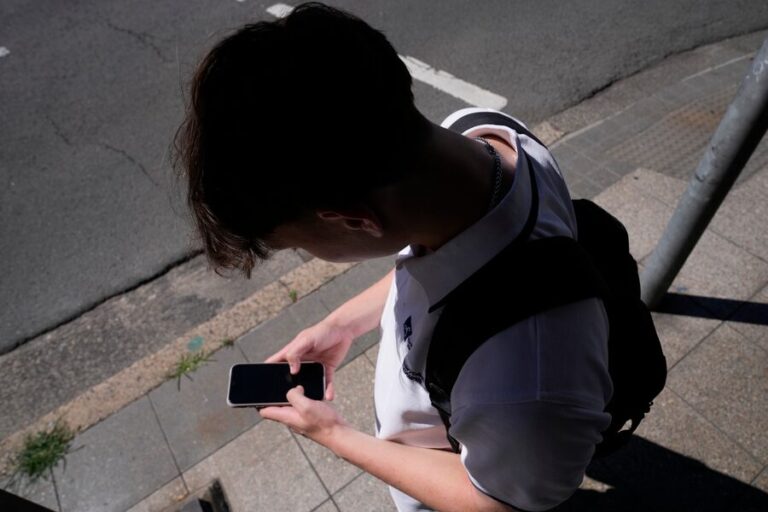
September 01, Colombo (LNW): A leading consultant psychiatrist has voiced serious concerns over a disturbing trend among young people in Sri Lanka, warning that social media is increasingly shaping aggressive behaviour and pushing vulnerable individuals towards violent subcultures.
Dr Rumi Ruben, a specialist psychiatrist based at Karapitiya National Hospital, has highlighted a growing pattern where violence is becoming a default method of conflict resolution amongst youth.
He attributes much of this shift to the unchecked influence of social media platforms, which, he argues, have become breeding grounds for hostility, misinformation, and radicalisation.
“Once used primarily as a tool for communication and ideological expression, social media has evolved into a space where hate is normalised, and violent behaviour is glorified,” Dr Ruben explained. “Young people, often still in their formative years, are particularly susceptible to these influences and may begin to mirror the aggression they see online in real life.”
He emphasised that this exposure can lead to dangerous outcomes, such as involvement in criminal networks, drug-related activities, or even the formation of armed groups. Many of these individuals, Dr Ruben noted, suffer from deep-rooted anger and emotional instability—issues which are often overlooked until it is too late.
He went on to underscore the importance of early intervention. Identifying at-risk youth before they are fully absorbed into violent lifestyles is critical, he said, and must be followed by targeted rehabilitation programmes that address both psychological and social needs.
Dr Ruben also called for a more robust legal response to organised crime and gang activity, stating that bringing key figures within these underworld circles to justice would help deter others from following the same path.
However, he was quick to stress that punitive measures alone are not enough—long-term solutions require a coordinated effort between mental health professionals, educators, community leaders, and law enforcement agencies.
His comments come at a time when Sri Lanka, like many countries, is grappling with the societal impact of rapidly evolving digital spaces. Experts are urging greater public awareness of the psychological effects of online content, particularly on adolescents and young adults, as well as stronger regulation to limit the spread of harmful material.
Public Sector Embarks on National Decluttering Drive to Improve Workplace Efficiency

September 01, Colombo (LNW): A large-scale clean-up campaign has been launched across all government institutions in Sri Lanka, beginning today (01).
The initiative, which runs until September 04, aims to rid public offices of years’ worth of unused, broken, or redundant items that have accumulated over time.
Dubbed “Seiri Week,” the effort forms part of a broader movement to promote order, cleanliness, and better functionality within state institutions. Officials hope the clean-up will foster healthier, safer, and more efficient working environments for public sector employees, ultimately enhancing the quality of service delivery to the public.
The Ministry of Public Administration, Provincial Councils and Local Government is spearheading the operation, having issued a detailed circular instructing all state bodies to participate fully. The directive has been distributed to the top echelons of the public sector, including Ministry Secretaries, Chief Secretaries of Provinces, Department Heads, District Secretaries, and leadership within public corporations and statutory boards.
Institutions are required to identify items that are either obsolete or no longer in use—such as outdated equipment, broken furniture, unused files, or abandoned materials—and ensure their proper disposal or recycling in accordance with newly issued operational guidelines.
This four-day activity has been aligned with the “Clean Sri Lanka” national programme, a state-led push towards better environmental management, institutional discipline, and workplace hygiene.
It is also seen as a practical response to long-standing criticism of clutter and inefficiency in government offices, where storerooms, corridors, and even active workspaces have often become storage areas for long-forgotten materials.
Seat Belt Rule Enforced on Expressway Buses Amid National Safety Drive
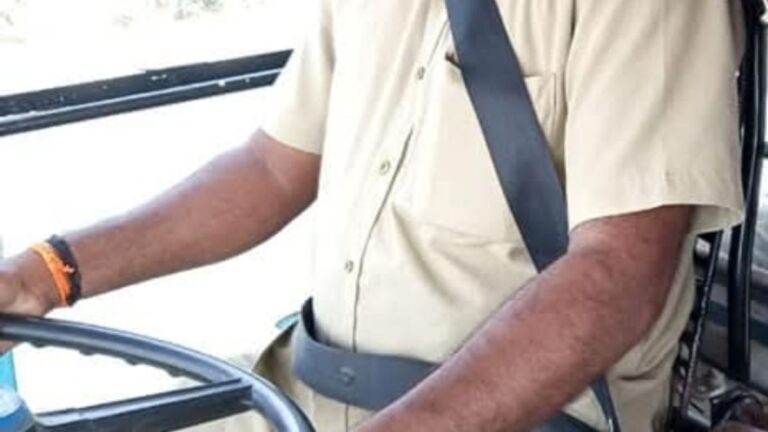
September 01, Colombo (LNW): A new regulation aimed at improving passenger safety has officially come into effect from today (01), requiring all individuals travelling on expressway passenger buses in Sri Lanka to wear seat belts throughout their journey.
The measure forms part of a broader initiative to enhance road safety and reduce fatalities on high-speed routes.
Manjula Kularatne, who heads the National Council for Road Safety, confirmed that those who fail to comply with the regulation will face legal consequences. However, he acknowledged that not all long-distance buses are currently equipped with seat belts. To address this, a grace period of three months has been granted, allowing operators time to retrofit older vehicles with the necessary safety equipment.
The legal framework underpinning this move was formally introduced through a gazette notification issued on August 31, signalling a significant shift in transport policy and enforcement.
The regulation has also been linked to a wider government-led effort known as the “Clean Sri Lanka” programme. Speaking just a day prior to the regulation’s enactment, Minister of Transport, Highways, Ports and Civil Aviation Bimal Rathnayake described the initiative as a critical element of this national campaign, which seeks not only to promote safer travel but also to instil greater discipline and responsibility among both drivers and passengers.
Addressing the economic implications, Minister Rathnayake drew attention to the recent surge in the cost of seat belts. Once priced at approximately Rs. 2,000, the cost of a single unit now ranges from Rs. 5,000 to Rs. 7,000.
He urged the Consumer Affairs Authority to closely monitor the situation to prevent potential profiteering and ensure affordability, particularly for smaller transport operators.
Fuel prices slashed
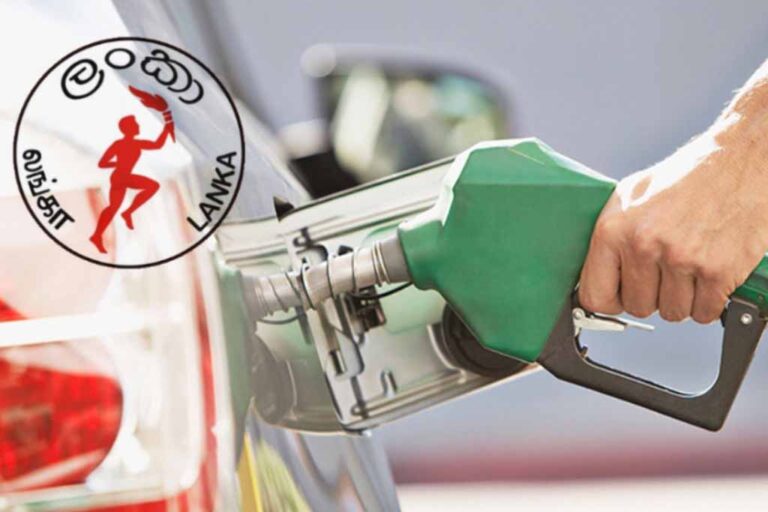
September 01, Colombo (LNW): Motorists across Sri Lanka will see a modest relief at the pump following a recent adjustment in fuel prices, which took effect at midnight on the 31st of August.
The Ceylon Petroleum Corporation (CEYPETCO) confirmed the new pricing structure, marking a downward revision in the cost of several commonly used fuel types.
As per the revised tariff, the price of 92 Octane Petrol has been lowered by Rs. 6, now retailing at Rs. 299 per litre. Auto Diesel has also seen a similar reduction, now priced at Rs. 283 per litre. Super Diesel received the most notable cut, with its price slashed by Rs. 12, bringing it down to Rs. 313 per litre.
However, not all fuel types have been affected by the revision. The prices of 95 Octane Petrol and Kerosene remain unchanged, continuing to be sold at Rs. 341 and Rs. 185 per litre, respectively.
The revised rates, now in effect, are as follows:
* Petrol 92 Octane – Rs. 299 (down by Rs. 6)
* Petrol 95 Octane – Rs. 341 (no change)
* Auto Diesel – Rs. 283 (down by Rs. 6)
* Super Diesel – Rs. 313 (down by Rs. 12)
* Kerosene – Rs. 185 (no change)
Showery trend continues across several districts: Sun’s position further affects select areas (Sep 01)

September 01, Colombo (LNW): Several spells of showers will occur in Sabaragamuwa province and in Kandy, Nuwara-Eliya districts, with a few showers expected in Western and North-western provinces and Galle and Matara districts, the Department of Meteorology said in its daily weather forecast today (01).
Showers or thundershowers may occur at a few places in Uva province and in Ampara, Batticaloa and Mullaitivu districts after 2.00 p.m.
Strong winds of about (40-50) kmph can be expected at times over Western slopes of the central hills and in North-central and North-western provinces and in Trincomalee and Hambantota districts. The general public is kindly requested to take adequate precautions to minimise damages caused by strong winds.
The sun is going to be directly over the latitudes of Sri Lanka during 28th of August to 07th of September due to its apparent southward relative motion. The nearest places of Sri Lanka over which the sun is overhead today (01) are Mudalaipalai, Balagollagama, Rajanganaya, Eppawala, Medirigiriya, Palliththidal, Vakarei about 12.10 noon.
Marine Weather:
Condition of Rain:
Showers may occur at several places in the sea areas off the coast extending from Negombo to Matara via Colombo and Galle.
Winds:
Winds will be westerly to south-westerly and wind speed will be (30-40) kmph.
Wind speed can increase up to (50-60) kmph at times in the sea areas off the coast extending from Chilaw to Mannar via Puttalam and from Matara to Pottuvil via Hambantota.
Wind speed can increase up to (45-50) kmph at times in the sea areas off the coast extending from Chilaw to Matara via Colombo and Galle and from Mannar to Vakarai via Kankasanthurai and Trincomalee.
State of Sea:
The sea areas off the coast extending from Chilaw to Mannar via Puttalam and from Matara to Pottuvil via Hambantota will be rough at times.
The sea areas off the coast extending from Chilaw to Matara via Colombo and Galle and from Mannar to Vakarai via Kankasanthurai and Trincomalee will be fairly rough at times.
The wave height may increase about (2.5 – 3.0) m in the sea areas off the coast extending from Negombo to Pottuvil via Galle, Matara and Hambantota (this is not for land area).
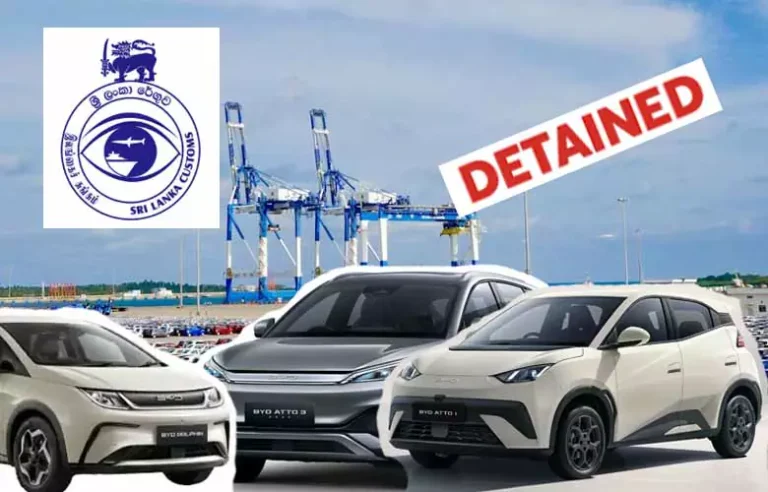
Fresh Customs Detention of Over 1,000 BYD Vehicles Amid Renewed Allegations of Undervalued Engine Capacity
By: A Special Correspondent
September 01, Colombo (LNW): Sri Lanka Customs has once again detained over 1,000 BYD electric vehicles imported into the country, citing fresh allegations of motor capacity misrepresentation for the purpose of tax evasion.
This follows a similar issue earlier this year involving the same importer, John Keells CG Auto Pvt. Ltd., and the BYD ATTO 3 model.
According to customs sources, the newly detained vehicles include a mix of BYD models: approximately 450 ATTO 3 vehicles, 250 Dolphin vehicles, 200 ATTO 1 vehicles, and 100 ATTO 2 vehicles. Authorities allege that these vehicles were declared with reduced motor capacities, resulting in significantly lower tax payments.
This latest action stems from suspicions that, as with the previous case, the motor capacities of the vehicles were understated. For instance,
– the BYD ATTO 3, originally equipped with a 150kW motor, was declared as 100kW;
– the Dolphin Dynamic, with a 70kW motor, was declared as 49kW;
– the Dolphin Premium, also a 150kW vehicle, was presented as 99kW;
– the BYD M6, with a 120kW motor, was listed as 100kW; and
– the BYD Seal Dynamic, similarly, was declared as 100kW despite a 150kW motor capacity.
This mirrors the earlier controversy surrounding nearly 1,000 BYD ATTO 3 vehicles imported by John Keells CG Auto Pvt. Ltd. In that instance, the importer argued that although the physical motor capacity was 150kW, the vehicles had been configured via “firmware” to output only 100kW, and therefore qualified for a lower tax bracket. However, Sri Lanka Customs maintained that tax is levied based on the actual motor installed in the vehicle, regardless of any software limitations.
In July 2025, following legal proceedings, a temporary agreement was reached between the importer and Sri Lanka Customs. The court permitted the release of the earlier batch of vehicles upon submission of a bank guarantee equivalent to the estimated tax shortfall—approximately Rs. 3.6 billion—whilst an expert committee, including representatives from the University of Moratuwa, was tasked with assessing the motor capacity of the vehicles.
The current detentions will also be subject to the outcome of the same committee’s findings. Until a decision is reached, the newly impounded vehicles may likewise be released only under a similar bank guarantee arrangement, potentially involving several billion rupees.
Before the controversy erupted, John Keells CG Auto Pvt. Ltd. had already imported and released over 2,500 BYD vehicles into the Sri Lankan market. Customs regulations currently stipulate that vehicle taxes be calculated based on motor capacity, and should the committee rule against the importer’s firmware-based justification, the bank guarantees may be forfeited and converted into tax payments to the state.
Industry experts warn that if this firmware-based argument is accepted, it may set a precedent allowing other importers to declare reduced engine capacities on similar software grounds. This could potentially lead to substantial tax revenue losses, estimated to be in the hundreds of billions of rupees, if broadly adopted across the electric vehicle import sector.
Related Stories:
https://lankanewsweb.net/archives/122233/committee-appointed-to-verify-byd-motor-capacity-amid-tax-evasion-allegations-unravels-billions-of-losses-to-sl/
https://lankanewsweb.net/archives/106581/byd-ev-import-scandal-sparks-tax-evasion-probe-buyers-in-limbo/
https://lankanewsweb.net/archives/103829/serious-allegations-surface-over-tax-manipulation-in-import-of-byd-brand-new-vehicles/
https://lankanewsweb.net/archives/104849/byd-evs-detained-over-motor-capacity-dispute-amid-revised-import-tax-rules/
https://lankanewsweb.net/archives/105222/software-tax-loophole-byd-atto-3-vehicles-held-at-hambantota-amid-allegations-of-tax-manipulation-via-motor-power-downgrades/
https://lankanewsweb.net/archives/105492/govt-orders-forensic-audit-on-byd-imports-amid-rising-controversy/
https://lankanewsweb.net/archives/106076/byd-tax-evasion-scandal-atto-3-not-the-only-model-subject-to-firmware-shift/
Sri Lanka’s Fintech Drive Risks Stalling amid Policy Delays

By: Staff Writer
August 31, Colombo (LNW): Sri Lanka’s financial technology (fintech) sector is showing impressive growth in numbers, yet questions remain over whether the government can deliver on its ambitious targets for a US$15 billion digital economy by 2030.
Central Bank figures highlight the growing appetite for digital payments. In the first quarter of 2025 alone, LankaPay processed more than 404 million transactions—up nearly 48 percent year-on-year with the value of transactions almost doubling to Rs. 586 billion. Private banks are also playing a role, with HNB recently waiving fees on LANKAQR transactions, while the Central Bank has stepped up digital payment promotion campaigns to encourage cashless adoption.
Officials have laid out bold objectives. The government’s Digital Economy Strategy 2030 envisions a digital sector contributing 12 percent of GDP, with targets including 95 percent financial inclusion, US$100 million in fintech investment, and a rise in fintech graduate employment from 10 to 25 percent. Deputy Minister of Digital Economy Eranga Weeraratne has described the agenda as “ambitious but necessary,” underscoring the importance of digital infrastructure for future reforms.
Yet, the gap between strategy and execution remains wide. Fintech entrepreneurs argue that bureaucratic inertia and shifting policies are hindering momentum. “The ecosystem is ready, but officials have typically tied hands,” said one industry insider, pointing to delays in approvals and regulatory red tape that discourage investors.
Despite the surge in online transactions, cash remains dominant in everyday small payments. Debit cards are still used primarily for withdrawals rather than digital purchases, while rural connectivity issues and the high cost of devices continue to limit wider adoption.
Some initiatives hold promise such as cross-border QR interoperability with Alipay+, which could boost tourism-related payments but analysts stress that broader structural reforms are essential. Greater SME onboarding, skilled workforce development, and stable policy execution are viewed as critical if Sri Lanka is to attract investment and build trust in the fintech ecosystem.
International observers have also raised concerns. The World Bank has noted that Sri Lanka’s digital economy plans require stronger inter-agency coordination, yet domestic institutions often lag in delivering timely results.
For now, the numbers tell a story of momentum. But experts warn that unless bureaucratic bottlenecks are addressed, Sri Lanka risks incremental progress rather than transformative change. The vision of a US$15 billion digital economy by 2030 is within reach, but only if the pace of policy delivery matches the ambition written on paper.
United Petroleum’s Exit Threatens Sri Lanka’s Fuel Market Credibility
By: Staff Writer
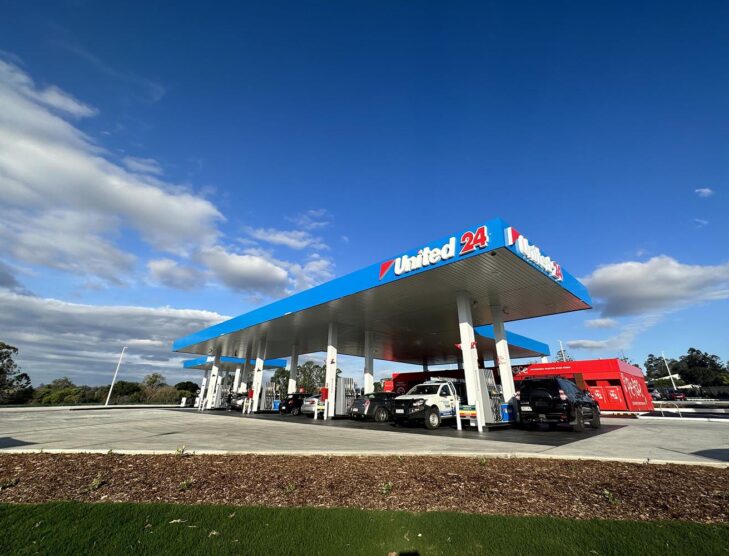
August 31, Colombo (LNW): Sri Lanka’s ambition to diversify and liberalise its petroleum retail sector has suffered a serious blow with the abrupt withdrawal of Australian energy giant United Petroleum—barely a year after its much-publicised entry. The exit not only undermines the Government’s reform agenda but also casts a long shadow over the country’s credibility in attracting and retaining international petroleum giants.
Ceylon Petroleum Corporation (CPC) Managing Director, Mayura Neththikumarage, confirmed that United Petroleum formally notified its decision to withdraw three months ago, citing unfavourable operational conditions and the limited scale of Sri Lanka’s market. The company ceased fuel supplies in December 2024, leaving behind 64 fuel stations, which have since reverted to CPC management.
What makes this development particularly significant is that Sri Lanka was United Petroleum’s first overseas venture beyond Australia. The firm had entered in August 2024 under a 20-year Board of Investment (BOI) licence, pledging $27.5 million to import, store, and distribute petroleum products. With much fanfare, it promised to modernise Sri Lanka’s fuel landscape by introducing convenience store models and diversifying lubricants. Today, that vision lies in tatters.
At the time of approval, the Government hailed United Petroleum’s investment as a landmark in its strategy to open up the fuel sector to foreign players. Alongside United, companies from China, the US, and India were granted 20-year licences, with hopes that their presence would break CPC’s monopoly, guarantee supply stability, and attract much-needed foreign direct investment (FDI).
But United Petroleum’s exit exposes deeper structural weaknesses. The company’s reference to “dissatisfaction with operational conditions” suggests more than market-size limitations. Industry insiders point to regulatory bottlenecks, opaque pricing mechanisms, and bureaucratic hurdles that deter global energy firms. Moreover, the political climate—where policy decisions are often reversed with each administration adds to investor uncertainty.
The implications of United Petroleum’s departure extend far beyond the loss of a single investor. It raises troubling questions about whether Sri Lanka can truly deliver a predictable, business-friendly environment for multinational petroleum companies. If operational challenges remain unaddressed, the remaining players Chinese, American, and Indian firms—may also reconsider their long-term commitments. The risk of a domino effect could unravel the entire liberalisation experiment.
For consumers, the withdrawal is equally concerning. One of the core promises of market liberalisation was competition-driven efficiency, better service, and more stable fuel supplies. With one less competitor, the market once again tilts heavily in favour of state-run CPC and Indian Oil Corporation (IOC), potentially diminishing the incentives for efficiency and innovation.
United Petroleum’s quiet but decisive exit also dents Sri Lanka’s global reputation as an investment destination. Securing the confidence of large multinational petroleum firms is not just about fuel supplies it is a signal to the world about the stability of the country’s regulatory and investment climate. If an energy major can walk away so soon after signing a 20-year deal, it sends an alarming message to prospective investors across all sectors.
As the Government scrambles to reassure stakeholders, the episode serves as a warning: without consistent policy, regulatory transparency, and genuine support for investors, Sri Lanka risks squandering opportunities to transform its fuel sector—and with it, its broader economic reform agenda.
BIA Modernization Resumes amid NPP’s Anti-Corruption Crackdowns
By: Staff Writer
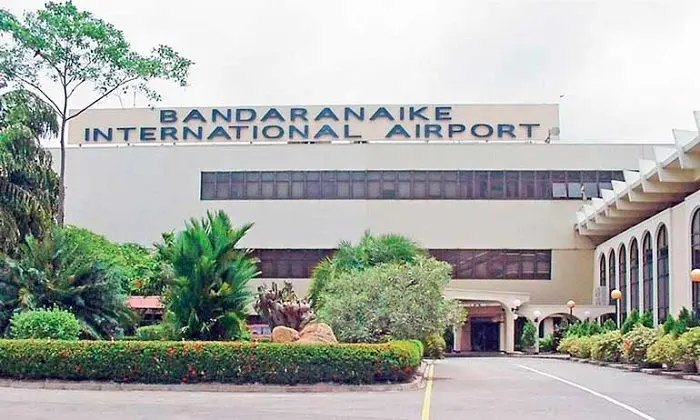
August 31, Colombo (LNW): Sri Lanka’s Bandaranaike International Airport (BIA) expansion project has resumed after years of delay, backed by renewed financing from the Japan International Cooperation Agency (JICA). The project is seen as vital for achieving the government’s target of attracting 5–7 million high-spending tourists annually by 2030.
Haskoning DHV Nederland B.V, a consulting engineering firm, has been appointed to draft the master plan for the expansion project of the Bandaranaike International Airport (BIA).
This master plan will concentrate on planning the future of the airport, taking into account capacity, efficiency, and passenger experience to ensure that it is able to accommodate more passenger traffic and meet Sri Lanka’s tourism objectives.
However, concerns are mounting over the National People’s Power (NPP) government’s ability to deliver, as its rigid anti-corruption drive has created a climate of hesitation among officials and slowed decision-making on large infrastructure projects.
Expansion and Strategic Importance
The BIA master plan includes the long-delayed Terminal 2, modernization of arrival and departure facilities, e-gates, biometric screening, upgraded baggage handling, and enhanced visitor amenities such as ATM facilities and tourist information counters.
With passenger numbers already exceeding the airport’s original design capacity, the upgrades are critical to easing congestion and maintaining Sri Lanka’s competitiveness against regional hubs in India and the Maldives.
Tourism remains a key foreign exchange earner, and stakeholders warn that without a modernized airport, Sri Lanka risks discouraging airlines and travelers. Analysts argue that completing BIA’s expansion is central to positioning the country as a South Asian aviation hub.
Latest Developments at BIA
As of August 30, 2025, operations continue without major disruption. Authorities have introduced a new traffic plan for vehicles and airlines are stretching peak flight schedules to reduce bottlenecks. A new counter issuing temporary driving licenses for tourists opened on August 29, improving visitor convenience.
Political Climate and Governance Challenges
Despite these operational measures, doubts surround whether the NPP government can effectively steer the massive expansion project. Since coming to power, the administration has focused heavily on anti-corruption campaigns, arresting and remanding opposition politicians and investigating alleged financial misappropriations. While applauded by the public, this stance has had unintended consequences.
Senior officials, wary of being accused of corruption or misuse of funds, are reportedly reluctant to take decisions or provide guidance on project execution. This bureaucratic paralysis risks slowing down procurement, approvals, and coordination with international partners—processes that are essential to completing mega infrastructure projects like the BIA expansion.
Risks of Delay
Observers note that Sri Lanka has already lost valuable time, with Terminal 2 construction suspended since 2022. Any further delays could undermine tourism growth, reduce foreign exchange inflows, and damage investor confidence. With debt restructuring still fragile, the country cannot afford setbacks in projects tied directly to economic recovery.
The NPP’s relative inexperience in governance further fuels concern. Unlike previous administrations, it lacks a tested track record in managing complex international projects, raising fears that political distractions and inaction could overshadow technical progress made with JICA and other partners.
Outlook
For now, BIA is managing congestion through temporary solutions, while construction of Terminal 2 resumes. But analysts warn that unless the government strikes a balance between combating corruption and enabling efficient governance, Sri Lanka risks another cycle of delay.
The next 12–18 months will be crucial. If the NPP can demonstrate both clean governance and administrative efficiency, BIA could emerge as a world-class aviation hub by the end of the decade. If not, Sri Lanka may miss its tourism and economic recovery targets, with the airport remaining a symbol of stalled potential.