July 29, Colombo (LNW): Authorities from Sri Lanka’s Ministry of Health have given firm assurances that the country will face no disruption in the supply of essential medicines in the year 2026, following a period of concern over availability in recent times.
This commitment came during a recent meeting of the Parliamentary Sectoral Oversight Committee on Health, Media and Women’s Empowerment, presided over by Member of Parliament Dr Nihal Abeysinghe.
The gathering brought together health officials and lawmakers to examine the current state of medical supplies and outline a forward-looking strategy to avoid future deficiencies.
Officials acknowledged that the recent shortage of pharmaceutical items was largely a result of administrative lags in placing procurement orders over previous years. They emphasised, however, that the Ministry has since taken proactive measures to avoid a recurrence.
The procurement cycle for 2026 has reportedly already been set in motion, with key tenders and supply agreements being processed well in advance.
Furthermore, the Ministry projects that by the close of the current year, between 80 per cent and 90 per cent of all essential medicines will be accessible across public health institutions.
This projection was outlined in an official communication issued by the Department of Communication of Parliament, reflecting a renewed sense of urgency and coordination within health sector planning.
The Committee also pressed officials on the current availability of high-priority medical items—those deemed critical for emergency and life-saving care. In response, Ministry representatives maintained that such items are presently in steady supply, and no interruptions are expected in the immediate term.
While health professionals and the general public have expressed concern in recent months over medicine shortages that strained hospital operations and patient care, the Ministry’s renewed approach signals a potential turning point.
Increased oversight, improved procurement protocols, and closer coordination with suppliers have been identified as key pillars in the effort to restore stability to the system.
Dr Abeysinghe, in his closing remarks at the meeting, noted the importance of maintaining transparency and consistency in supply chain management, calling on health authorities to ensure that promises made are diligently fulfilled in the months ahead.
He also highlighted the need for a monitoring mechanism to ensure that both rural and urban healthcare institutions receive equitable access to medicine supplies, particularly as stock levels improve.
July 29, Colombo (LNW): On his inaugural State Visit to the Maldives, Sri Lankan President Anura Kumara Dissanayake has reaffirmed the enduring bond between the two island nations, paving the way for expanded collaboration across a spectrum of strategic areas.
The visit, rich in symbolism and diplomacy, also coincides with the 60th anniversary of the establishment of official diplomatic ties between Sri Lanka and the Maldives—a milestone that lends further weight to this high-level engagement.
President Dissanayake, warmly received by Maldivian President Mohamed Muizzu and his government, praised the hospitality extended to him and his delegation, remarking on the mutual respect and shared histories that characterise relations between the two countries. The President described the visit as a moment of “renewed momentum” in bilateral ties, underpinned by centuries-old cultural, linguistic, and maritime links.
The two leaders presided over wide-ranging discussions, addressing both longstanding concerns and future prospects. President Dissanayake underscored the importance of a diversified partnership that extends beyond traditional diplomatic relations, embracing emerging areas such as digital innovation, green energy, and educational exchange.
Central to the talks was the acknowledgement of the Maldives as a vital employment destination for many Sri Lankans, whose contributions have played a meaningful role in the Maldivian economy. In turn, Maldivians residing in Sri Lanka have enriched the social and economic fabric of Sri Lankan society, the President noted, underscoring the reciprocal nature of the relationship.
In education, Sri Lanka committed to strengthening its support for Maldivian students and professionals, with further cooperation anticipated in academic exchanges, vocational training, and joint research initiatives.
On the economic front, President Dissanayake extended an open invitation to Maldivian entrepreneurs to explore investment avenues in Sri Lanka. Key sectors highlighted included artificial intelligence and information technology, fisheries and agricultural processing, tourism development, real estate, and urban infrastructure.
He also detailed new investor-friendly initiatives underway in Sri Lanka, such as the introduction of a streamlined Single-window system and the development of specialised Technology Parks aimed at fostering foreign direct investment.
Tourism, a vital economic pillar for both countries, featured prominently in discussions. The leaders expressed interest in enhancing air connectivity and engaging in collaborative marketing efforts to position the Indian Ocean region as a shared travel destination.
Fisheries and marine resource management also received attention, with President Dissanayake advocating for joint efforts in sustainable practices and requesting transit access for Sri Lankan fishing vessels navigating toward the Arabian Sea.
Environmental cooperation formed a significant part of the agenda, as both nations face the mounting threat of climate change. The Sri Lankan President presented his country’s “Clean Sri Lanka” initiative—a holistic plan promoting sustainable development through social, environmental, and ethical measures. Commending the Maldives’ waste management efforts under its Clean Environment Project, he proposed intensified collaboration in environmental protection and renewable energy. He reiterated Sri Lanka’s target to source 70% of its electricity from renewables by 2030 and suggested mutual support in achieving these ambitious goals.
In the areas of defence, security, and counter-terrorism, both sides recognised the importance of sustained collaboration. Discussions also touched upon cultural exchanges, with an emphasis on the linguistic and historical kinship between Sinhala and Dhivehi—languages with common roots that reflect a deeper, shared heritage.
At the regional and global levels, both leaders pledged continued cooperation in multilateral forums and reaffirmed their commitment to supporting one another on the international stage.
The Sri Lankan President extended a formal invitation to President Muizzu for a return visit to Colombo, expressing confidence that the momentum generated during this visit would translate into enduring progress in bilateral relations.
Before concluding his trip, President Dissanayake is expected to address a business forum and engage with the Sri Lankan expatriate community in the Maldives—a gesture aimed at reinforcing the human dimension of diplomacy.
July 29, Colombo (LNW): A few showers may occur in Western and Sabaragamuwa provinces and in Nuwara-Eliya, Kandy, Galle and Matara districts, the Department of Meteorology said in its daily weather forecast today (29).
Showers or thundershowers may occur at a few places in Uva province and in Ampara and Batticaloa districts during the afternoon or night.
Fairly strong winds of about 40 kmph can be expected at times over Western slopes of the central hills and in Southern province.
The general public is kindly requested to take adequate precautions to minimise damages caused by temporary localised strong winds and lightning during thundershowers.
Marine Weather:
Condition of Rain: Light showers may occur in the sea areas off the coast extending from Colombo to Matara via Galle.
Winds: Winds will be westerly to south-westerly and wind speed will be (30-40) kmph.
Wind speed can increase up to (50-55) kmph at times in the sea areas off the coast extending from Chilaw to Pottuvil via Colombo, Galle and Hambantota.
State of Sea: The sea areas off the coast extending from Chilaw to Pottuvil via Colombo, Galle and Hambantota will be fairly rough at times.
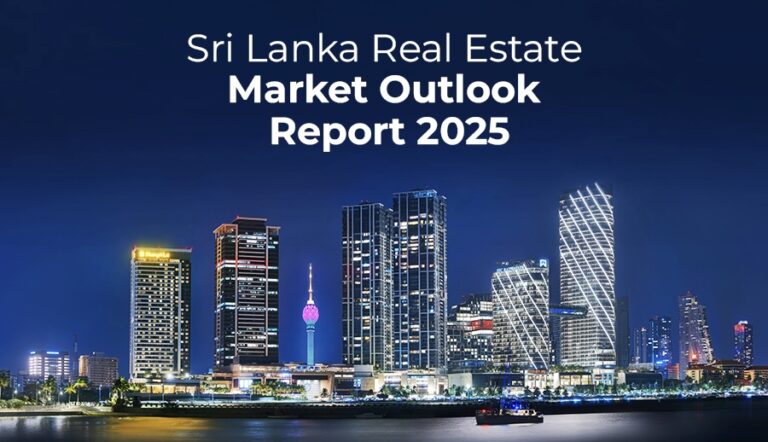
July 28, Colombo (LNW): Sri Lanka’s real estate sector is showing strong signs of recovery in 2025, driven by a stabilising economy, improved access to credit, and increasing demand across key suburban and urban areas. According to the Real Estate Market Outlook Report 2025 (REMOR25) released by LankaPropertyWeb (LPW), investor confidence has returned, setting the stage for sustained growth in the property market.
One of the clearest signs of this revival is the significant surge in land prices, particularly across the Western Province. The report highlights a 12% year-on-year (YoY) rise in average land prices in the region. Suburban areas are leading the trend, with Colombo district’s outer zones experiencing up to 20% price growth. Specific suburbs such as Piliyandala saw a 16% increase, while Athurugiriya and Homagama recorded 14% growth, pointing to a growing preference for well-connected but less congested locations.
In contrast, central Colombo (Colombo 1-15) experienced a moderate 7% price increase, indicating a shift in investor interest from the city core to developing suburbs. Additionally, southern coastal lands are gaining popularity, fetching around Rs. 2 million per perch, supported by rising tourism and overseas interest.
The apartment sector is also stabilising after years of volatility. In 2025, apartment sales prices rose modestly—urban areas between 0.2% and 2.8%, and suburban zones up to 2.9%. Rental prices, especially in high-end categories, remain steady. With an existing inventory of 37,000 units and another 8,200 expected by 2027, supply remains high, but demand, particularly for three-bedroom units, continues to hold strong.
A key driver of this demand is the return of overseas buyers, who now account for 27.7% of LPW’s search traffic. Their interest is largely spurred by Sri Lanka’s relatively low square foot rates (when calculated in USD) and increased economic stability. Properties in Colombo 1-15 now start at Rs. 60 million, while houses in emerging suburbs begin at around Rs. 20 million, offering buyers greater affordability and value.
Another major factor fuelling growth is the improved availability of home financing. Following a 7.75% reduction in the Central Bank’s Overnight Policy Rate, commercial banks now offer home loans at approximately 10%, making property purchases more accessible for middle-income earners and revitalising buyer interest.
LPW Managing Director Daham Gunaratna noted that over the past year, 25 new developments were launched, 2,500 new units entered the market, and previously stalled projects have added 3,600 units post-completion. This upward momentum signals the real estate sector’s entry into a new growth phase marked by stability, cautious optimism, and a renewed appetite for long-term investment.
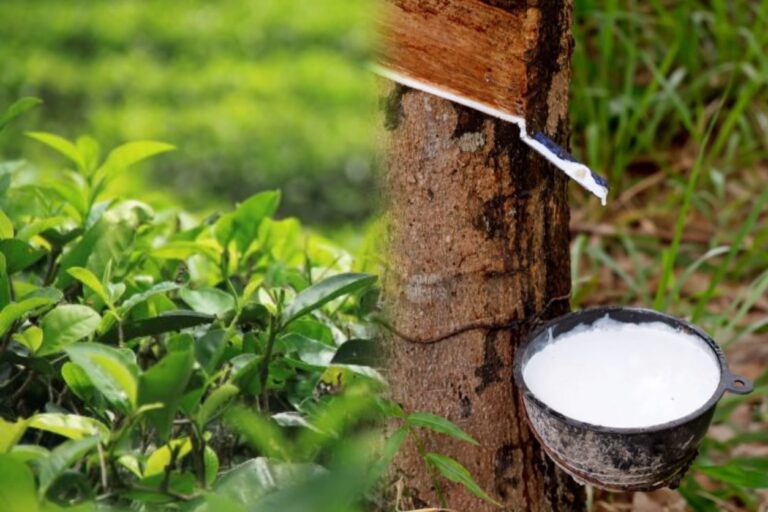
July 28, Colombo (LNW): Sri Lanka’s plantation sector is bracing for a severe setback as the United States prepares to impose a steep 30% tariff on the country’s tea and rubber exports starting August 1. This development comes as a major blow to two of the island nation’s most historic and labour-intensive industries, which have long relied on preferential access to global markets.
The tariff threatens to undo years of market-building, especially in the US, a vital and growing destination for premium Sri Lankan products. Industry leaders warn the impact could ripple across rural communities and further dampen investor confidence.
The Planters’ Association of Ceylon (PA) has voiced grave concerns, urging immediate government intervention. While regional competitors like Vietnam and India are negotiating favourable trade terms, and Indonesia has already secured a preferential trade agreement, Sri Lanka remains at a disadvantage.
The PA has called for urgent diplomatic engagement with the United States Trade Representative (USTR) to seek relief on key agricultural exports such as Ceylon tea and medical-grade rubber—commodities that carry strong ethical and sustainable credentials in international markets.
To cushion the immediate shock, the PA proposes temporary measures, including duty drawback schemes, export marketing support, and retraining programs for workers affected by the tariff’s impact. It is also urging long-term strategies such as market diversification, branding, and innovation to maintain competitiveness.
Tea Industry Hit at Peak Growth
The tea sector is particularly vulnerable. Ceylon tea, which previously entered the US duty-free, now faces a 30% tariff—eroding its price advantage in a market that imported 6.4 million kg of Sri Lankan tea worth $45 million in 2024, a notable 22% volume growth from 2023. Of this, 65% were value-added products like packaged and flavoured teas, commanding a premium average FOB price of $7/kg, significantly higher than the national average of $5.83/kg.
Despite iced tea dominating 80% of US tea consumption, Sri Lanka has managed to capture 20% of the hot tea segment, driven by increasing demand for high-quality blends. The tariff’s timing is particularly harsh; nearly 300,000 kg worth $3.24 million of tea was already in transit as of April 11, and another 21,000 kg valued at $479,000 was awaiting clearance.
Following the announcement, confirmed orders for 225,970 kg worth $3.14 million were suspended, rattling exporters and impacting cash flow.
Rubber Sector Facing Collapse
The rubber industry, with over $330 million in annual exports to the US—mainly solid tyres, gloves, and PPE—is equally threatened. The new tariff makes Sri Lankan exports instantly uncompetitive, particularly against Vietnam and India. With 80% of Sri Lanka’s solid tyre exports destined for the US, companies have begun halting shipments due to concerns over buyer migration and long-term market loss.
The sector, which supports over 150,000 livelihoods, now risks widespread disruption. The tariff threatens to stall foreign investment, create economic uncertainty in rural areas, and leave rubber farmers with no short-term alternatives, given the crop’s long maturity period.
With no fallback in sight, the plantation sector’s future depends heavily on swift and strategic action by policymakers.
July 28, Colombo (LNW): Amid a national salt shortage triggered by reduced production in the country’s main salterns, Sri Lanka has turned to salt importation as a short-term solution. However, ongoing delays in the release of salt containers from Customs, combined with allegations of preferential treatment and price manipulation, have raised fresh concerns over market fairness and transparency.
Sri Lanka began importing salt in early 2025 in response to a severe drop in domestic production caused by extended periods of rain and underdeveloped infrastructure at several major salterns including Hambantota, Elephant Pass, and Puttalam. The state initially facilitated imports through public-private partnerships to stabilize supply and prevent a looming crisis. However, what began as a temporary measure has evolved into a controversial issue, particularly around the release of imported salt containers from Customs.
According to reliable sources, although authorities announced that all salt containers shipped up to June 10 would be cleared, only six containers shipped on June 12 have reportedly been released. This has led to discontent among other importers, especially those whose consignments were shipped around the same dates but remain held at the port.
Several affected importers are demanding explanations as to why only these six containers were released while others are still detained. They allege that Customs has unfairly prioritized certain private companies, raising questions about market manipulation and lack of transparency.
Meanwhile, demurrage charges on the unreleased containers are accumulating daily, and some importers warn they may be forced to abandon their shipments altogether if delays persist. If these containers are declared abandoned and taken over by the state (rajasanthaka), the government may auction them—potentially allowing previously favored businesses to repurchase them at lower prices and resell at a profit.
Concerns have also surfaced that the company which received the six cleared containers may be attempting to establish a monopoly in the salt market. Industry observers fear this could further distort pricing, especially at a time when local production is just beginning to resume in Hambantota and other salterns.
In parallel, private sector salt companies have increased retail prices over the past two months, citing rising import costs, storage fees, and demurrage. However, consumer groups argue that these price hikes are unjustified and exploitative, especially when the government is subsidizing import efforts to ease shortages.
With the threat of further price increases and possible market monopolies, stakeholders are urging authorities to ensure transparent handling of salt imports, equitable container clearance, and strong regulation to protect both importers and consumers.
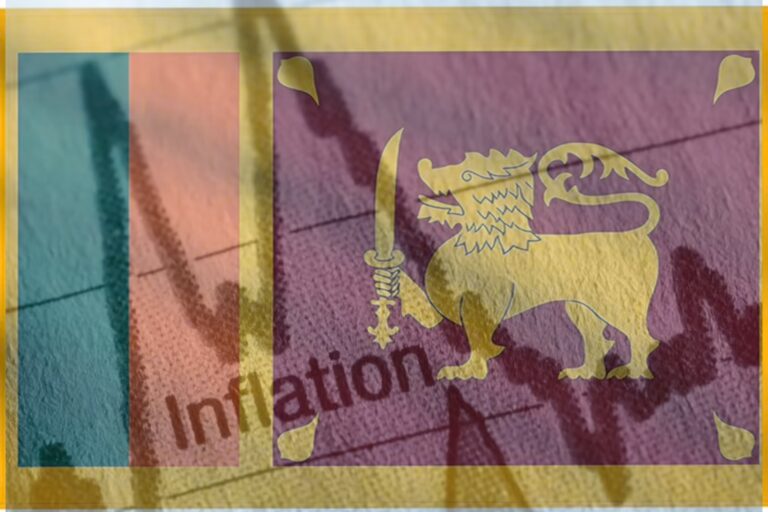
July 28, Colombo (LNW): Sri Lanka’s inflation management policy is under renewed public discussion following Deputy Economic Development Minister Anil Jayantha Fernando’s recent comments in Parliament. Minister Fernando explained that the 5% inflation target currently adopted by the Central Bank is based on past inflation trends and may be revised in the future if deemed unsuitable.
Responding to a query from opposition MP Ravi Karunanayake, the Minister clarified that the Central Bank had set the inflation target based on its historical performance. “If it is not appropriate in the future, we can change it accordingly,” he said, noting that the current inflation framework agreed with the government is in effect until 2026.
While the Minister’s remarks aimed to present the target as flexible, economists and analysts have noted that using historical inflation data as a benchmark without strong forward-looking anchors could raise questions about long-term monetary credibility.
Critics of the inflation targeting framework argue that since the end of Sri Lanka’s civil war, several currency crises occurred — notably in 2012, 2015/16, 2018, and 2020/21 — resulting in the rupee depreciating from Rs. 113 to as much as Rs. 360 per US dollar. These sharp declines contributed to rising food and commodity prices and significantly reduced real wages, impacting household finances and triggering social unrest.
In Parliament earlier this year, Minister Fernando, highlighted that it was funded entirely through real borrowings, both domestic and foreign, without resorting to inflationary financing. “We have not moved to fill this gap with inflationary ways or money printing,” he stated, adding that Rs. 2,125 billion would be raised locally and $75 million from foreign sources.
Economists note that while Sri Lanka’s monetary policy took a more disciplined turn from late 2022 to 2024 — allowing the rupee to stabilize around Rs. 300 per dollar — the long-term effectiveness of the 5% inflation target remains debated.
Concerns have been raised over the absence of strong tools like quantitative policy tightening (QPC) under the current IMF-supported programme, which could increase the risk of renewed currency pressure if reserve accumulation efforts are not backed by appropriate policy measures.
Historical context adds to the caution. During the 1950s, soon after the establishment of the Central Bank, efforts to sterilize capital flows and support government borrowing contributed to Sri Lanka’s first major currency crisis in 1953.
More recently, global experiences during the 1970s and early 1980s — including the collapse of the Bretton Woods system and resulting inflation — illustrate the importance of credible monetary anchors.
Countries like New Zealand, which adopted a 0–2% inflation target in the 1990s, used such anchors to stabilize their economies successfully. In contrast, some analysts say Sri Lanka’s 5% target — though defensible based on past trends — needs stronger justification grounded in economic fundamentals.
As Sri Lanka works to maintain stability while managing debt and promoting growth, the inflation target and broader monetary strategy are likely to remain central themes in shaping investor confidence and long-term economic resilience.
Perhaps the most corrosive element in Sri Lanka’s political landscape is the deep-seated corruption and self-serving nature of its political class. The observation that “the main aim of politicians are to earn money as much as they can in their tenure rather than developing the country” is a harsh but often undeniable truth
The immediate gratification mindset prevalent among a significant portion of the population is also a major impediment. The observation that “the majority are happy with day to day earnings and don’t want think ahead” points to a short-term orientation that is antithetical to long-term national development
Sri Lanka, an island nation blessed with abundant natural beauty and a strategically vital location, has, for over 77 years since gaining independence, remained entrenched in the category of a developing country. While the global landscape has dramatically transformed, pushing many of its post-colonial peers towards prosperity, Sri Lanka has grappled with persistent economic instability, social fragmentation, and a cycle of dependency.
This enduring struggle is not attributable to a single factor but rather a complex interplay of political misdirection, societal shortcomings, and a collective inability to embrace a progressive vision. This article will delve into the multifaceted reasons behind Sri Lanka’s predicament, drawing upon the observations provided and integrating other relevant factors to paint a comprehensive picture for the benefit of the nation.
LEADERSHIP VACUUM
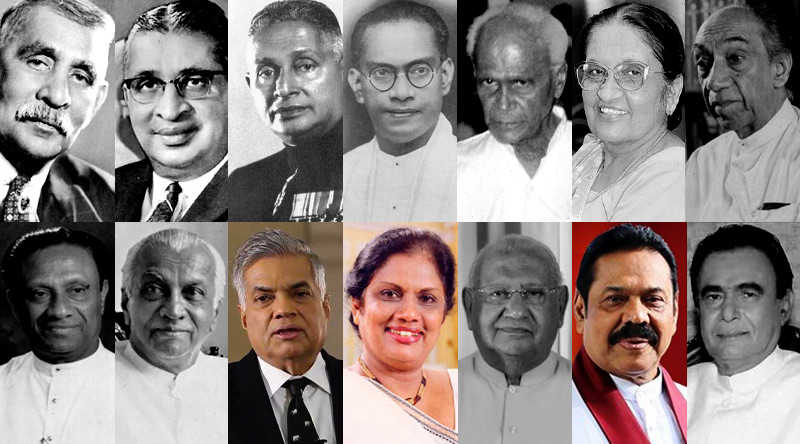
One of the most critical factors underpinning Sri Lanka’s stagnation is a chronic deficit of visionary and principled leadership. While figures like D.S. Senanayake and J.R. Jayewardene are often cited for their foresight in the immediate post-independence era and the embrace of an open economy respectively, their tenures were unfortunately not the norm. For the better part of its independent history, Sri Lanka has been plagued by leaders who, rather than charting a strategic course for national development, have prioritised personal enrichment, short-term political gains, and the appeasement of narrow electoral bases. This absence of sustained, honest leadership with a long-term strategic vision has resulted in fragmented policies, abandoned projects, and a lack of consistent direction that is essential for a nation’s upward trajectory. Instead of investing in robust institutions, fostering innovation, and building a competitive economy, successive governments have often resorted to populism and patronage, undermining the very foundations of sustainable growth.
Compounding this leadership vacuum is a critical deficiency in the civic understanding of a significant portion of the populace. The assertion that a majority of people are “illiterate in understanding vision, future, the development of the contemporary world, economic and security affairs outside the country” highlights a profound educational and informational gap. This lack of informed civic engagement translates directly into a susceptibility to manipulation during elections. When voters lack the capacity to critically assess political rhetoric, understand complex economic realities, or discern genuine competence from superficial charm, the democratic process becomes vulnerable. “Heavenly stories” and facile promises often triumph over substantive policy debates, allowing “competent liars” to ascend to positions of power. This perpetuates a cycle where leaders are not held accountable for their long-term failures because the electorate is not equipped to demand such accountability.
THE ISLAND MENTALITY
The “island mentality” and inward-bound nature of many Sri Lankans further exacerbate the problem. While a strong sense of national identity is vital, an insular perspective can hinder progress in an increasingly interconnected world. This mindset often fosters a resistance to external ideas, a reluctance to adopt global best practices, and a limited understanding of international economic trends and geopolitical shifts. In an era of rapid globalisation, nations that fail to engage proactively with the world risk being left behind. Sri Lanka’s historical reliance on specific sectors like tourism and remittances, while important, has not been sufficiently diversified or integrated into a broader, forward-looking economic strategy that embraces global competitiveness.
SIDELINING INTELLECTUALS AND R&D
The sidelining of research and development (R&D) and intellectuals over a prolonged period is another detrimental factor. A nation’s progress is intrinsically linked to its capacity for innovation, critical thinking, and knowledge creation. When academia, scientific research, and intellectual discourse are neglected or undervalued, a society loses its ability to generate new solutions, adapt to changing circumstances, and compete effectively on the global stage. This marginalisation often stems from a lack of investment, bureaucratic hurdles, and a prevailing anti-intellectual sentiment that prioritises dogma over evidence-based reasoning. Without a vibrant R&D ecosystem and a strong intellectual class informing policy, a country remains reliant on borrowed ideas and outdated approaches, effectively stagnating its potential.
HAPPY WITH DAY TO DAY EARNING AND LIVING
The immediate gratification mindset prevalent among a significant portion of the population is also a major impediment. The observation that “the majority are happy with day to day earnings and don’t want think ahead” points to a short-term orientation that is antithetical to long-term national development. Sustainable growth requires delayed gratification, investment in future capabilities, and a willingness to endure temporary hardships for greater future rewards. When citizens prioritise immediate consumption and are content with minimal subsistence, there is little societal pressure for leaders to implement ambitious, potentially challenging, but ultimately transformative reforms. This short-term perspective also makes the electorate vulnerable to politicians who offer immediate, often unsustainable, handouts in exchange for votes, further entrenching the cycle of dependency.
THE MAJORITY OF CITIZENS HAVE DEPENDENT MENTALITY
Indeed, the reliance on “aids like free food and allowances” and their instrumentalisation as “election promises” forms a vicious cycle of dependency. While social safety nets are crucial, an overreliance on handouts without a concurrent focus on empowering citizens through education, skills development, and job creation creates a culture of dependency rather than self-reliance. This strategy, often employed by opportunistic politicians, disincentivises productivity and entrenches a sense of entitlement, hindering the development of a robust, self-sufficient workforce. When a significant portion of the population views the state as a perpetual provider rather than an enabler of opportunity, the impetus for individual initiative and entrepreneurial spirit wanes.
The assertion that “the majority citizens are dependents” encapsulates the cumulative effect of the aforementioned factors. This dependency is not merely economic but also intellectual and psychological. It manifests as a lack of agency, a reluctance to take responsibility for one’s own future, and an expectation that problems will be solved by external forces, be it the government or foreign aid. This pervasive dependency undermines the very spirit of innovation, resilience, and self-determination that is critical for a nation’s progress.
SELF-SERVING POLITICAL CULTURE
Perhaps the most corrosive element in Sri Lanka’s political landscape is the deep-seated corruption and self-serving nature of its political class. The observation that “the main aim of politicians are to earn money as much as they can in their tenure rather than developing the country” is a harsh but often undeniable truth. When public office becomes a vehicle for private enrichment, the national interest is invariably sacrificed. Corruption siphons off vital resources, distorts policy decisions, discourages investment, and erodes public trust in institutions. This venality not only hinders economic development but also perpetuates a culture of impunity, further alienating citizens from the political process and reinforcing a sense of helplessness. The devastating consequences of this pervasive corruption are evident in the country’s persistent debt burden, its inability to capitalise on its strategic advantages, and the consistent drain on its national wealth.
The result of this complex interplay of factors is a nation perpetually struggling and “dependent on foreign aid throughout.” This dependency is not merely a financial predicament but a symptom of a deeper malaise – a lack of internal capacity, accountability, and the political will to chart an independent and prosperous course. The tragic irony is that “the people who voted and get elected work against the people of the country,” betraying the very trust placed in them.
IDEOLOGICAL CHANGE IS NEEDED FROM CITIZENS’ SIDE
Sri Lanka’s protracted journey as a developing country is a multifaceted challenge rooted in a systemic breakdown of governance, an underdeveloped civic consciousness, and a prevailing short-sightedness. While external factors and global economic shifts play a role, the primary drivers of this stagnation lie within the nation itself. The urgent need for change is not merely about electing a “good leader” – though that is undeniably crucial. As the observations rightly point out, a fundamental “ideological change is needed from the citizens’ side.” This requires a national awakening, a collective commitment to critical thinking, a rejection of populist demagoguery, and an embrace of long-term vision. It demands a citizenry that values meritocracy over patronage, integrity over personal gain, and national progress over immediate gratification. Only through a profound shift in both leadership and citizen mindset can Sri Lanka truly unlock its potential and finally break free from the shackles of underdevelopment to chart a course towards a prosperous and self-reliant future. The path ahead is arduous, but the future of the nation hinges on its willingness to confront these uncomfortable truths and embark on a genuine journey of self-transformation.
The writer, Major General Dr. Boniface Perera is a battle-hardened Infantry officer who served the Sri Lanka Army for over 36 years, dedicating 20 of those years to active combat.
In addition to his military service, Dr. Perera is a respected international researcher and writer, having authored more than 200 research articles and 16 scientific books. He holds a PhD in economics and is an entrepreneur and international analyst specializing in national security, economics, and politics.
July 28, Colombo (LNW): Former Sri Lankan Test cricketer Kaushal Silva has been appointed as the new head coach of Hong Kong’s national cricket team, according to an announcement from the territory’s cricketing authority. The 39-year-old, who represented Sri Lanka in 39 Test matches between 2011 and 2018, is set to assume his new role once the necessary visa formalities are completed in the coming weeks.
Silva, a gritty wicketkeeper-batsman known for his technical resilience, brings with him both international playing pedigree and coaching experience gained across multiple countries. Following a brief coaching spell in England, he has spent the past several years working in Australia, most recently at the Superkings Cricket Academy, honing young talent and gaining recognition for his strategic approach to player development.
This appointment marks Silva’s first foray into coaching at the associate international level. He succeeds Simon Willis and will take charge of a team in urgent need of reinvigoration following a string of underwhelming performances.
Hong Kong recently endured a disappointing campaign at the Asia Pacific Cricket Champions Trophy in Singapore, culminating in a heavy defeat to Malaysia in a five-over final where their opponents chased down the target in just 14 deliveries.
Silva’s immediate focus will be preparing the squad for the upcoming Asia Cup, a high-profile T20 tournament scheduled to take place in the United Arab Emirates from 9 to 28 September. Hong Kong has been placed in a challenging group alongside Afghanistan, Bangladesh, and Silva’s native Sri Lanka.
Expressing his enthusiasm for the opportunity, Silva noted his eagerness to instil a disciplined and competitive ethos within the team.
“There is tremendous potential in this squad,” he said. “I’m committed to creating a culture of professionalism, resilience, and ambition—both on and off the pitch. We’ll also be looking closely at emerging players and building a pipeline for the future.”
Chairman of Cricket Hong Kong, China, Burji Shroff, welcomed Silva’s appointment, highlighting the depth of his playing and coaching experience. “Kaushal brings a wealth of cricketing insight and a strong understanding of the modern game,” Shroff remarked.
“We believe his leadership will be key in revitalising the team’s performance and promoting greater engagement with cricket across our communities.”
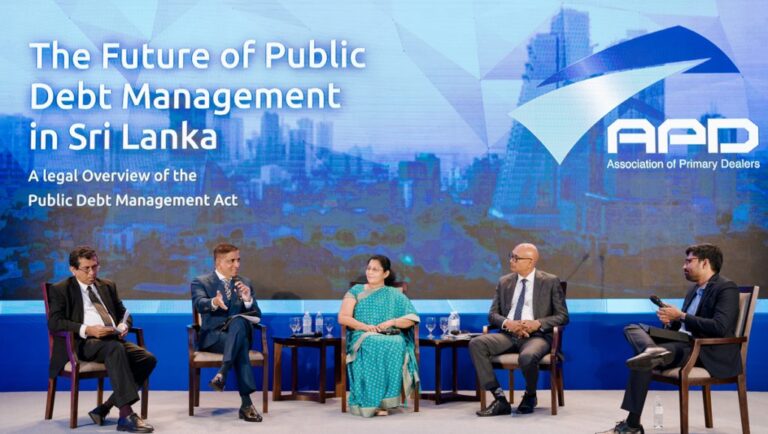
July 28, Colombo (LNW): Sri Lanka’s Association of Primary Dealers (APD) has taken steps to strengthen financial literacy and foster informed dialogue across the financial sector by hosting a high-level forum focused on the implications of recent legislative and operational changes in public debt management.
At the heart of the discussions was the implementation of the Public Debt Management Act No. 33 of 2024, a pivotal reform that formally shifts the authority for issuing debt securities from the Central Bank to the Treasury.
This restructuring is seen as a transformative step towards enhancing the credibility, transparency, and accountability of Sri Lanka’s public debt framework.
Speaking at the forum, Romesh Gomez, President of the Association of Primary Dealers, described the new legislation as a “milestone reform” that lays the groundwork for a more resilient and strategically guided debt management system.
He emphasised the importance of aligning market practices with national objectives for fiscal stability, especially in the context of a more volatile global economic environment.
Legal perspectives were offered by President’s Counsel Harsha Fernando, who provided a comprehensive analysis of the law’s expected impact on government securities markets and the role of financial intermediaries.
Other key speakers included Udeni Udugahapattuwa, Director General of the newly formed Public Debt Management Office, N D Y C Weerasinghe, Superintendent of Public Debt at the Central Bank of Sri Lanka, and Naomal Goonewardena, Precedent Partner at legal firm Nithya Partners.
The forum drew attention to several critical reforms introduced under the Act, including the introduction of a five-year rolling debt strategy, a legally binding requirement for structured borrowing plans, and the mandatory publication of terms and guarantees associated with government debt.
These measures are intended to strengthen governance, improve market confidence, and reduce fiscal risk through greater transparency and long-term planning.
Attendees included representatives from a broad range of financial institutions, including commercial banks, insurance providers, finance companies, and asset managers, along with officials from regulatory bodies such as the Colombo Stock Exchange and the Securities and Exchange Commission.
Gomez reaffirmed the Association’s commitment to promoting knowledge-sharing initiatives, noting that forums such as this serve a vital role in cultivating a more informed, collaborative, and accountable financial ecosystem. He also stressed the importance of industry-wide cooperation in realising the objectives of the reform, particularly in building a more sophisticated and sustainable capital market in Sri Lanka.